

Related Topics
Hearing aids are compact but powerful devices that can be life-changing for older adults living with hearing loss. Getting the best performance from the best hearing aids starts with choosing the right hearing aid batteries—but with many types and sizes available, that can feel overwhelming.
We’ve got you covered. Here’s what to know about hearing aid batteries, including how to select the best option for your needs and ways to help them last longer.
What are the different types of hearing aid batteries?
There are two main types of hearing aid batteries used today: rechargeable batteries and disposable zinc-air batteries.
Rechargeable hearing aid batteries
Many of the newer hearing aid models today are rechargeable, meaning their batteries can be recharged and reused daily. These devices contain built-in lithium-ion batteries you can power up overnight using a charging dock or portable charger, much like your smartphone. Some brands even offer premium charging cases that speed up charging times and/or provide portable charging without requiring a power source.
Most rechargeable hearing aids are designed to last an entire day on a single charge, although frequent Bluetooth streaming (for phone calls, music, or TV audio) can sap the battery more quickly.
Since they’re convenient and eco-friendly, rechargeable hearing aid batteries have become standard in most modern hearing aids. They’re especially popular with older adults who have arthritis, vision difficulties, or dexterity issues that make handling small disposable batteries challenging.
See NCOA’s expert guide to the best over-the-counter hearing aids.
Disposable zinc-air hearing aid batteries
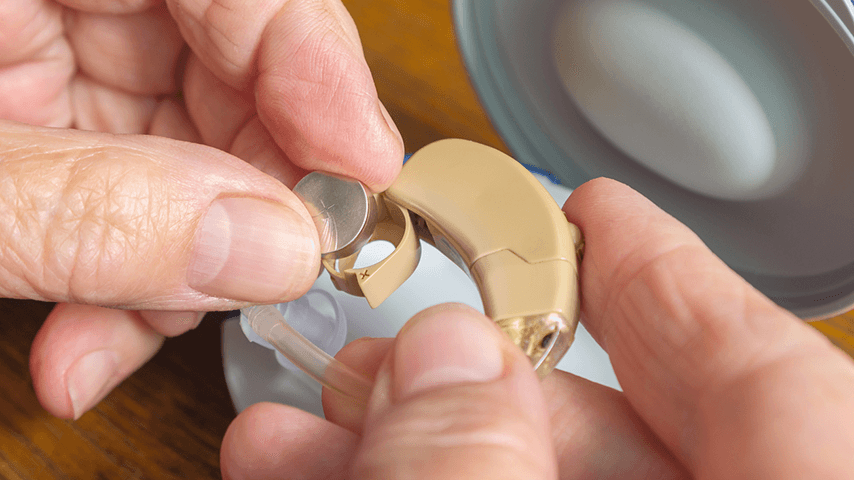
Zinc-air batteries are the traditional hearing aid batteries used in many hearing devices. These batteries activate when exposed to air after the protective tab is removed.
Unlike rechargeable batteries, zinc-air batteries must be replaced when their power is depleted. They come in several standardized sizes, each with a different performance life. Zinc-air batteries are still widely used since they’re relatively affordable, easy to find, and compatible with many hearing aid styles.
Rechargeable vs. disposable hearing aid batteries
Both rechargeable and disposable batteries have advantages and drawbacks. The right option for you depends on your budget, lifestyle, and personal preference. Below is a quick comparison chart:
|
Rechargeable Batteries |
Disposable Batteries |
|
Recharge overnight |
Replace manually |
|
No need to buy batteries regularly |
Must buy and swap batteries regularly |
|
Easier for people with dexterity issues |
Handling can be difficult for older adults with dexterity issues |
|
More eco-friendly |
Less eco-friendly, but can be recycled |
|
Typically higher upfront cost |
Typically lower upfront cost |
Rechargeable hearing aids are a popular choice, especially since most people are already familiar with charging their devices overnight. But some older adults prefer disposable batteries they can quickly swap out when power runs low, instead of waiting for recharging.
Do rechargeable hearing aids use batteries?
Yes. Rechargeable hearing aids still use batteries, but the batteries are built into the hearing aid rather than replaced manually. As mentioned earlier, most use lithium-ion rechargeable batteries designed to last several years before needing replacement by the manufacturer or hearing care provider.
Hearing aid batteries compared
Several zinc-air hearing aid battery brands are known for reliability and long-lasting performance. Forbes Health ranked the best hearing aid batteries as follows:
- Widex hearing aid batteries: Affordably priced, feature tabs for easier handling, last up to four weeks, mercury-free
- Power One wireless-approved hearing aid batteries: High quality, can purchase in packs of up to 300
- HearClear Premium Plus hearing aid batteries: Affordably priced, shelf life of up to four years, anti-rust coating, can purchase in packs of up to 300
- Powermax hearing aid batteries: Competitively priced, three-year storage life, wide battery tabs for easy handling, mercury-free, anti-leakage protection
- Energizer hearing aid batteries: Color-coded tabs for easy handling, deliver up to eight more hours of wireless streaming than some competitors, mercury-free, shelf life of up to four years
For rechargeable hearing aids, which have batteries built right in, models like the Jabra 700, Eargo 8, and Audien Ion Pro 2 are highly ranked for their strong battery life and dependable charging systems. See NCOA’s expert guide to the best rechargeable hearing aids of 2026.
Ultimately, the “best” hearing aid battery depends on your hearing aid model, how often you use your devices, and whether convenience or lower cost matters more to you.
Hearing aid battery sizes explained
Disposable zinc-air hearing aid batteries come in four standard sizes:
- Size 10
- Size 312
- Size 13
- Size 675
Generally, larger batteries last longer but are used in larger hearing aids. Smaller hearing aids typically use smaller batteries with shorter lifespans.
Tiny, completely-in-canal hearing aids often use size 10 batteries, while behind-the-ear hearing aids with more power may use size 13 or 675 batteries.
Using the correct battery size is important, since hearing aids are designed specifically for one battery type. Trying to use the wrong size can damage your device or prevent it from working properly.
Color codes for hearing aid batteries
Battery color coding helps make hearing aid batteries easier to identify quickly.
- Size 10: Yellow
- Size 312: Brown
- Size 13: Orange
- Size 675: Blue
These color codes are standardized across manufacturers, so the colors remain the same no matter the brand.
How long do hearing aid batteries last?
Battery life depends on the battery size and hearing aid style. How often you use your hearing aids is also a factor.
In general:
- Size 10 batteries may last 3 to 7 days
- Size 312 batteries may last 3 to 10 days
- Size 13 batteries may last 6 to 14 days
- Size 675 batteries may last 9 to 20 days
Rechargeable hearing aid batteries should typically last an entire day on a full charge. But runtime may be shortened if you make a lot of phone calls using your hearing aids or you stream audio frequently.
Factors that affect hearing aid battery life
Several things can affect how quickly your hearing aid batteries are drained of power. These include:
- Length of daily use
- Hearing aid power level
- Battery size
- Age of the hearing aid
- Streaming phone calls or music
- Humidity and temperature
Signs your hearing aid battery needs replacing
Hearing aid batteries often give warning signs before fully dying. You may notice distorted sound, lower volume, or the sound cutting out here and there. Many devices emit two or three warning beeps signaling it’s time for a new battery. If your device has Bluetooth connectivity, that feature may shut down to conserve power.
If your hearing aid suddenly stops working, replacing or recharging the battery is usually a smart first troubleshooting step.
How can I make my hearing aid batteries last longer?
While all batteries have a finite performance life, a few simple habits can help you get the most running time possible.
Tips for rechargeable hearing aid batteries
- Charge your hearing aids nightly. Most rechargeable hearing aid devices are designed for overnight charging.
- Use the manufacturer’s charger. These original chargers deliver carefully regulated, low-voltage power to safely optimize charging speed without degrading the battery. Third-party chargers may not charge the batteries properly.
- Keep the charging contacts clean. Dust and debris or corrosion from moisture can interfere with charging efficiency. Keeping your battery compartment clean can help you maintain optimal battery performance.
- Avoid extreme temperatures. Heat and cold may reduce rechargeable battery performance over time.
- Do not let batteries fully drain regularly. Frequent complete discharge may shorten long-term battery life.
- Store hearing aids properly when not in use. Follow the manufacturer’s storage recommendations if you won’t be using them for several days or more.
- Reduce unnecessary streaming. Heavy Bluetooth use (for phone calls, TV, and music) can shorten daily battery runtime.
- Keep software updated. Some hearing aid manufacturers release regular updates that may boost battery efficiency.
Tips for disposable hearing aid batteries
- Wait before inserting the battery. After removing the sticker tab, wait about 1 or 2 minutes before placing the battery in your hearing aid. This allows air to fully activate the battery.
- Don’t take off the sticker tab until you’re ready to use. This tab keeps the hearing aid battery "fresh." As soon as it’s removed, the battery power starts depleting.
- Turn hearing aids off when not in use. Open the battery door at night to reduce battery drain and moisture buildup.
- Store batteries properly. Keep batteries at room temperature in a dry place. Avoid leaving them in bathrooms and hot cars.
- Keep batteries clean and dry. Like with rechargeable devices, moisture, oils, and dirt can shorten battery life. Wash and dry your hands before handling disposable hearing aid batteries.
- Avoid carrying loose batteries. Coins, keys, and other metal objects can drain batteries if they touch the contacts.
- Use the correct battery size. Using the wrong size can hinder battery performance or even damage the hearing aid itself.
- Check the expiration date. While sitting on the shelf in stores, batteries can lose some of their potency. Those further out from their expiration date are fresher. Try to buy batteries that expire a year or more from your purchase date.
- Limit Bluetooth streaming when possible. Streaming phone calls, TV audio, and music uses more hearing aid battery power—so try to keep it at a minimum.
Whether your hearing aids use disposable or rechargeable batteries, proper maintenance can help improve performance and extend battery life.
Where can I buy hearing aid batteries?
Hearing aid batteries are readily available both online and in stores.
You can often find them at:
- Pharmacies
- Big-box retailers (e.g., Walmart, Target)
- Grocery stores
- Warehouse clubs (e.g., Sam’s Club, Costco)
- Online retailers like Amazon
Many people choose to buy batteries in bulk online to save money and avoid frequent trips to the store.
If you use rechargeable hearing aids, replacement batteries or chargers may need to come directly from the hearing aid manufacturer or hearing care provider. Read your device manual for details.
How much do hearing aid batteries cost?
Disposable hearing aid batteries can cost anywhere between $5 to $20 for a standard pack, depending on the brand, battery size, and number of batteries included. A pack of 300 or more disposable batteries can cost up to a few hundred dollars, but you’re likely paying less per battery by buying in bulk.
Rechargeable hearing aids may cost more upfront, but can save you money in the long run since you don’t have to keep buying replacement batteries.
Frequently asked questions (FAQ)
How do you dispose of hearing aid batteries?
Disposable zinc-air batteries contain materials that should never be thrown away with regular household trash. Many communities recommend recycling hearing aid batteries through battery recycling programs or local hazardous waste collection sites. The batteries are then processed so valuable metals can be safely recovered and reused in other products and industries.
Are all hearing aid batteries the same?
No. Hearing aid batteries come in different sizes and types, and all hearing aids are designed to work with a specific battery size. Always check your device manual or current battery packaging before buying replacements.
What is the best battery for hearing aids?
The best hearing aid battery depends on your needs and lifestyle. Rechargeable hearing aids are often the most convenient option for older adults because they eliminate the need to constantly replace batteries. Disposable zinc-air batteries may be better for people who prefer lower upfront costs, easy battery swapping, or longer use.
Can you take hearing aid batteries on a plane?
Yes. Hearing aid batteries are generally allowed on airplanes. Current TSA guidelines require spare lithium-ion batteries and external battery chargers to be packed in carry-on luggage. That means you should keep extra hearing aid batteries or rechargeable hearing aid chargers with you in the cabin.
Which hearing aid battery lasts longest?
Size 675 disposable batteries usually last the longest (9 to 20 days) because they’re the largest standard hearing aid battery. Among rechargeable options, battery life varies by hearing aid manufacturer and usage habits.