
The Best OTC Hearing Aids in 2026: We Tested Them All—Here Are Our Favorites
Improve your hearing health with one of these top choices for affordable, high-quality OTC hearing aids.
- The Jabra Enhance Select M3 earned our Best Overall pick for its top sound quality, long battery life, lengthy trial period, Bluetooth capability, and more.
- Other favorites include the Audien ION Pro 2 (Most Affordable), Elehear Beyond Pro (Best for Tinnitus), and Soundbright Discovery (Best for Conversations).
- OTC hearing aids are designed for adults with mild to moderate hearing loss and can be bought online or in stores without a prescription or hearing exam.
- Our top picks differ in fit, trial period, battery type, and support. Choosing the right option for your needs depends on your budget, comfort preferences, and hearing requirements.
- Our review is based on 5,000 hours of research and testing. Keep reading for detailed OTC hearing aid reviews, expert insights, and buying advice.
NCOA supports everyone’s right to age well. That’s why we test and recommend products we believe can help you live a healthier life. We’ve spent more than 5,000 hours researching hearing aids to give you the most accurate product reviews. To find the best OTC hearing aids, we:
- Consulted with audiologists, hearing instrument specialists, and aging care experts
- Put more than 50 hearing aids through a series of 21 different tests
- Mystery shopped more than 20 brands
- Surveyed hundreds of older adults who use hearing aids
- Interviewed experts on hearing loss
- Sent hearing aids to our friends and family with hearing loss to provide long-term testing notes
- Read thousands of verified customer reviews
We’re constantly testing new hearing aids to give you the most accurate and up-to-date recommendations. Read more about our hearing aid review methodology.
70+
Hearing aids tested
300+
Hearing aid users surveyed
77
Testing criteria


Over-the-counter (OTC) hearing aids make it easier than ever to find a pair that fits your lifestyle and budget. As long as your hearing loss is mild to moderate, you can purchase directly online or in-store without a prescription.
Still, sifting through all your choices can be a lot of work. With so many manufacturers, devices, and places to buy them, the decision can feel overwhelming. So we did the research for you.
We compare the best OTC hearing aid brands below based on our research and testing. Keep reading for more details to help you choose the right hearing aids.
What are OTC hearing aids?
OTC hearing aids are devices designed to improve hearing for adults with mild to moderate hearing loss. They can be purchased online or in stores without a hearing exam, prescription, or professional fitting. They typically cost much less than prescription hearing aids. The FDA regulates OTC hearing aids to meet safety requirements.
Best Overall
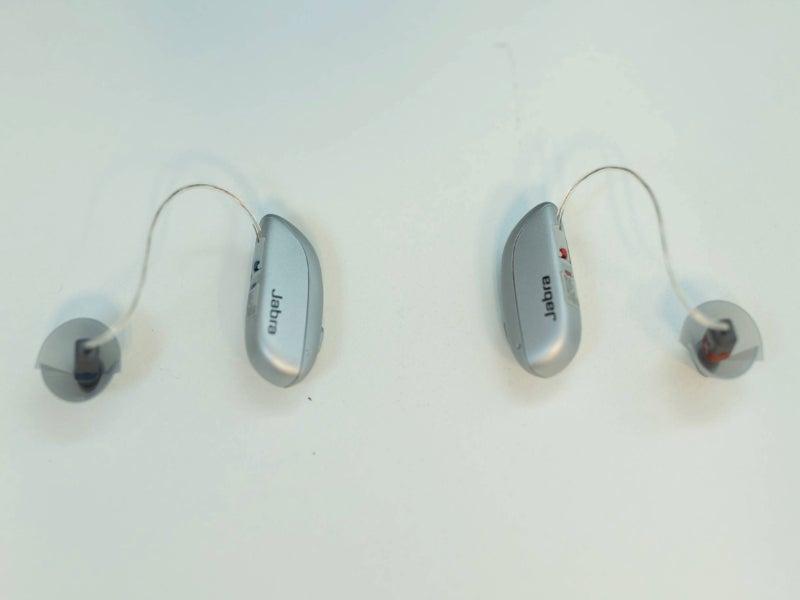
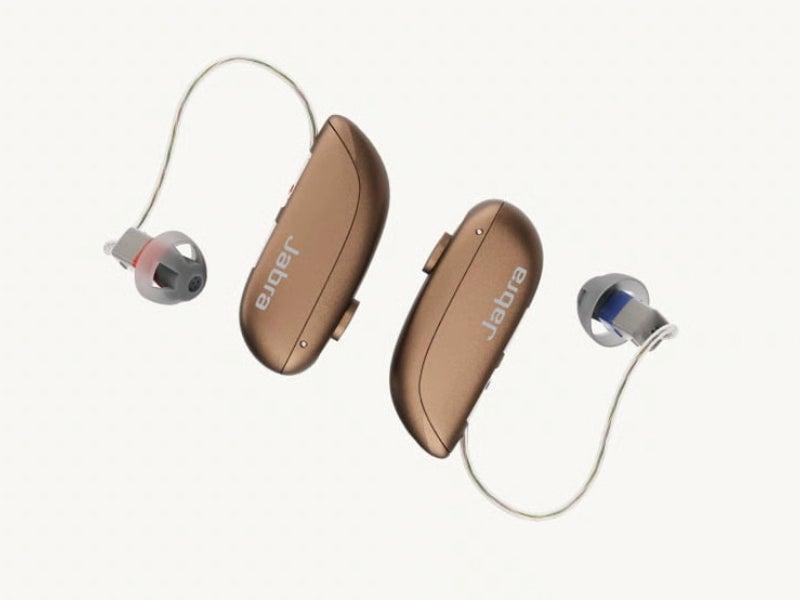
Jabra Enhance Select M3
Highest performance in our OTC hearing aids testing and the only OTC brand with Auracast and telecoil
NCOA exclusive discount
$500 off the M3 with code NCOA500 (deal applied at checkout)
Most Affordable
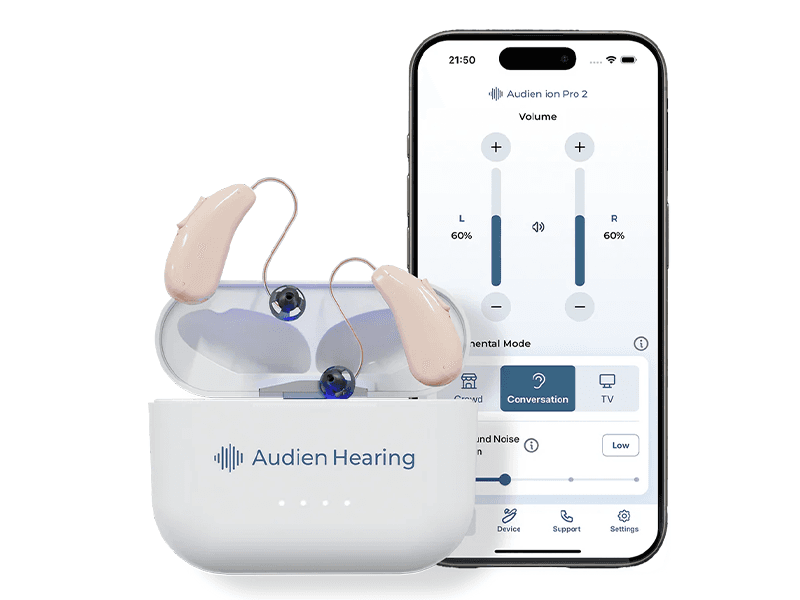
Audien ION Pro 2
Six environmental settings to choose from and Bluetooth enabled for streaming and phone calls
Best for Tinnitus
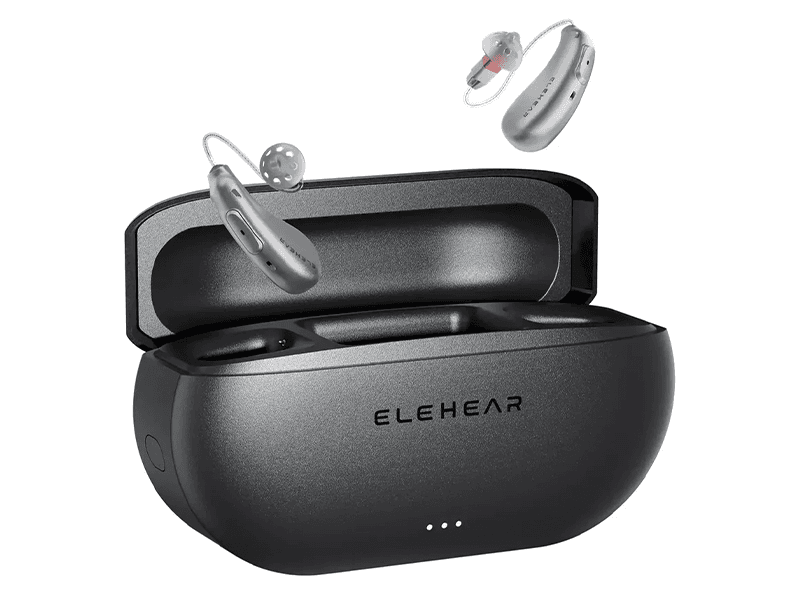
Elehear Beyond Pro
Exceptional tinnitus masking and featuring AI-powered noise reduction and feedback control
Our picks for the best OTC hearing aids
- Jabra Enhance Select M3: Best Overall
- Audien ION Pro 2: Most Affordable
- Elehear Beyond Pro: Best for Tinnitus
- Soundbright Discovery: Best for Conversations
Comparison of the best OTC hearing aids
| Comparison Features | ||||
|---|---|---|---|---|
| Our Rating (out of 10) | 9.9 |
9.4 |
9.3 |
9.8 |
| Trial period (days) | 100 |
45 |
45 |
45 |
| Battery type | Rechargeable |
Rechargeable |
Rechargeable |
Rechargeable |
| Bluetooth? | ✅ |
✅ |
✅ |
✅ |
| Device type* | Micro RIC |
RIC |
RIC |
RIC |
*CIC: completely in the canal; RIC: receiver in canal
Video: Best OTC hearing aids
In the video below, you’ll learn about the best OTC hearing aid options—including brands like Jabra Enhance, Audien, Elehear, and more—as well as the key differences between OTC and prescription devices. It’s a helpful overview if you’re deciding whether an OTC hearing aid could be right for you.
How we tested to find the best OTC hearing aids
We tested the following features when choosing the best OTC hearing aids:
Our reviews of the top OTC hearing aids
Jabra Enhance Select M3: Best Overall
We chose the Jabra Enhance M3 as our Best Overall OTC Hearing Aid. Its top-rated sound quality and other perks impressed our testers. This hearing aid had our highest scores across the board for sound quality, connectivity, features, and more.
Jabra Enhance Select M3
Best OverallNCOA exclusive discount
$500 off the M3 with code NCOA500 (deal applied at checkout)
NCOA exclusive discount
$500 off the M3 with code NCOA500 (deal applied at checkout)
- Jabra Enhance Review
- Tap control for streaming
- Exceptional noise cancelling
- Six different colors available
- Remote adjustments from Jabra’s audiology team
- Device type: Micro Receiver-in-Canal (RIC)
- Battery type: Rechargeable
- Trial period: 100 days
- Bluetooth: Yes
- Warranty: 3 years
Pros
- Post-purchase care from hearing experts for three years
- Exceptional sound quality
- Strong battery life (24 hours plus 3 extra charges in case)
- Long trial period (100 days)
- Clear LE Bluetooth audio streaming (100-foot range)
- Works with Auracast public broadcast systems
Cons
- Cost is on the higher end for an OTC brand
- Initially connecting to Bluetooth took some time
- Sounds may be softer at a distance
Audien ION Pro 2: Best Affordable
The Audien ION Pro 2 is our pick for Best Affordable Hearing Aid because it’s an impressive device at a budget-friendly price. The ION Pro 2 has features usually only available in more expensive hearing aids. These include rechargeable batteries, Bluetooth compatibility, and hands-free calling.
- Audien Review
- Six hearing modes
- Sound chip technology for improved clarity
- Bluetooth for streaming calls and music
- 48-hour battery on a single charge
- Device type: Receiver-in-Canal (RIC)
- Battery type: Rechargeable
- Trial period: 45 days
- Bluetooth: Yes
- Warranty: 1 year
Pros
- Lower price
- Long battery life (48 hours)
- Bluetooth streaming
- Straightforward fit
- Easier setup
Cons
- Limited customer support
- Lack of advanced sound processing
Elehear Beyond Pro: Best for Tinnitus
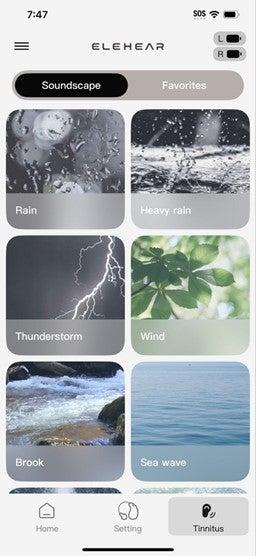
The Elehear Beyond Pro offers users several ways to manage ringing in your ears, earning it our Best Hearing Aid for Tinnitus title. It offers more than 20 masking sounds and lets you mix them together to create a custom background noise. That level of control is rare in over-the-counter devices, especially at this price.
- Elehear Review
- Devices include Bluetooth streaming for music, videos, and phone calls
- Includes AI-powered VOCCLEAR® technology for speech clarity
- Remote audiologist support
- Speech clarity enhancement
- 20 hours of battery life on one charge
- Device type: Receiver-in-Canal (RIC)
- Battery type: Rechargeable
- Trial period: 45 days
- Bluetooth: Yes
- Warranty: 1 year
Pros
- Exceptional tinnitus masking
- Fast recharging
- Noise-cancelling technology
- Budget-friendly price
- Clear user manual
Cons
- Bulky appearance
- Pairing hearing aids could be easier
Soundbright Discovery: Best for Conversations
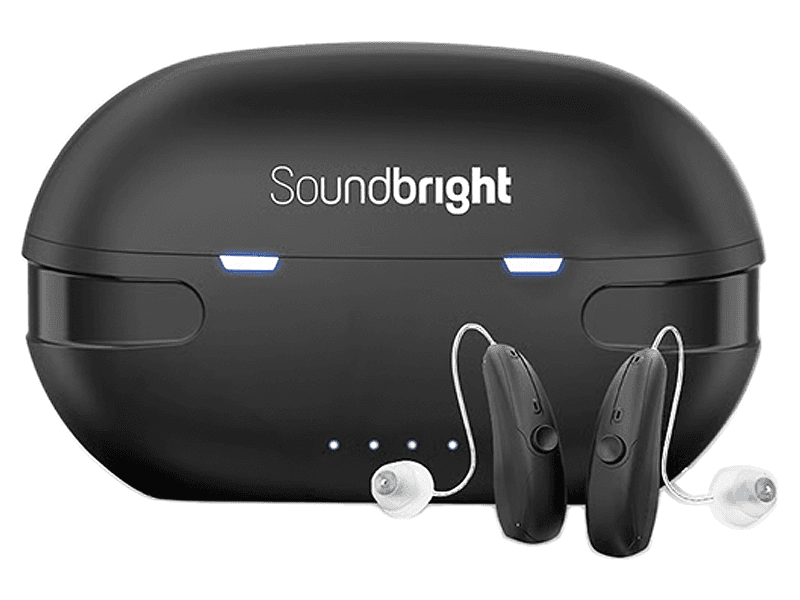
We chose the Soundbright Discovery as our Best Hearing Aid for Conversations due to its impressive scores in our conversational testing. It helps people hear clearly in everyday situations. Our testers found it simple to use, comfortable to wear, and reliable throughout the day.
- Soundbright Review
- Customizable hearing profiles
- Discreet behind-the-ear design
- Bluetooth streaming for calls and music
- Up to 48 hours of battery life with case
- Device type: Receiver-in-Canal (RIC)
- Battery type: Rechargeable
- Trial period: 45 days
- Bluetooth: Yes
- Warranty: 1 year
Pros
- Discreet, comfortable behind-the-ear design
- Bluetooth connectivity
- Simple sound profile adjustments
- Budget-friendly price
- 45-day trial and free shipping
Cons
- Limited long-range hearing support
- Set up may be more challenging on Android devices
OTC hearing aids 101
Chances are high you’ll experience some degree of hearing loss in your lifetime. Most of us do. In fact, hearing loss is one of the most common conditions affecting adults 65 and over in the United States.3 Yet original Medicare (Parts A and B) doesn’t cover the costs of hearing aids.
Due to a new FDA rule that took effect in October 2022, millions of Americans with mild to moderate hearing loss can now purchase hearing aids over the counter (OTC). This is great news for people who need more choices of accessible, affordable hearing aids. What once might have cost thousands of dollars in office visits, fittings, and equipment may run a small fraction of that today. Now, anyone age 18 or over can buy OTC hearing aids without having to visit a hearing care professional first.
Advice from our long-term testers
Don't be afraid to reach out to your hearing aid's support line if they're not working for you.
“I couldn’t get one [hearing aid] to work. She walked me through it and what I was doing. I was charging them up all the time, constantly charging them. She goes, ‘That's a no-no.’ You know, you charge them a little bit and then once I stopped doing that and we rebooted them, they've been working okay.”
By calling customer support, our tester, Neil, 70, was able to troubleshoot his hearing aid issues, and found a quick and easy solution.
Risks of untreated hearing loss
Why is this important? Research suggests that those of us with untreated hearing loss could have a greater risk for dementia, depression, heart attacks, and falls.4, 5, 6
“Untreated hearing loss significantly increases the risk of cognitive decline, including dementia. Studies show that mild [untreated] hearing loss doubles the risk of dementia, moderate hearing loss triples it, and severe hearing loss makes it five times more likely,” said Rachel Artsma, AuD, a senior audiologist at Hear.com in Scranton, Pennsylvania. “This is due to cognitive overload,” she said. “When the brain struggles to fill in missing sounds, it takes energy away from other functions. Social isolation also plays a major role, as people with hearing loss often withdraw from conversations, further increasing the risk of dementia.”
Hunter Gerhart, AuD, director of audiology at Livingston Hearing Aid Center in Dallas, agrees that social isolation is a major factor with untreated hearing loss. “Many of my patients avoid social functions because it’s difficult for them to participate. As a result, they risk social isolation, which can have a major impact on their mental health,” Gerhart said. “On average, it takes seven years from the time someone first notices hearing difficulties to do something about it. That can mean seven years of missing out on significant social events like birthday parties or holidays.”

Should I Get a Hearing Test?
Anyone with mild to moderate hearing loss can buy OTC hearing aids without a professional evaluation. Still, we recommend taking an in-person hearing test. This can rule out possible causes for your hearing loss that hearing aids won’t fix.
In-person vs. online hearing tests
If you’ve never had a hearing test, experts recommend having one in person first. “In-person hearing tests are more comprehensive [than online tests] and include testing multiple frequencies (pitches), speech testing, bone conduction testing (which specifies the type of hearing loss), and testing middle-ear function,” said Taylor Ferrell, AuD, an audiologist at the Ohio State University Wexner Medical Center in Columbus, Ohio.
Audiologists and ENT (ear, nose, and throat) specialists offer the most thorough checkup possible. In addition to testing your hearing range, they will look for other problems—such as impacted earwax, structural issues, and underlying medical conditions—that may explain your hearing loss.
Online or app-based hearing tests are good options if you’ve already consulted a hearing care professional. “Online hearing tests are typically not as comprehensive as in-person hearing tests, and are more basic like a hearing screening,” said Farrell. Online hearing tests won’t diagnose the reasons for your hearing loss. But they do help identify: your level of loss (mild, moderate, or severe); your pitch range (low to high); and any differences in hearing ability from one ear to the other.
What you should know before buying an OTC hearing aid
Before you start shopping, ask yourself four simple questions:
1. Do I know what type of hearing loss I have?
Just like there are many types of hearing aids, there are also many types of hearing loss. Presbycusis, or age-related hearing decline, falls into the “sensorineural” category—the most common type of hearing loss.7 Sensorineural hearing loss happens because of damage to your inner ear or the nerves that carry auditory (hearing) signals to your brain. In addition to aging, exposure to loud noise (like blaring music, gas-powered lawn equipment, jet engines, and sirens) can cause sensorineural hearing loss. So can some medications, illnesses, and inherited conditions.
On the other hand, your hearing loss might be “conductive”—meaning sounds don’t make it to your inner ear very well or at all.8 Impacted earwax, ear infections, noncancerous tumors, and anatomical issues all can cause conductive hearing loss. It’s also possible you have “mixed” hearing loss: partially conductive, partially sensorineural.
An audiologist or other hearing professional can help pinpoint what’s causing yours so you can choose the best OTC hearing aid to address it. And if hearing aids aren’t effective for the type of hearing loss you have, your health care provider can go over treatment options with you.
2. Do I know my level of hearing loss?
Over-the-counter hearing aids are meant for people with mild to moderate hearing loss. If you generally pick up on most sounds—but sometimes have a hard time following soft-spoken people or conversations—you likely have mild hearing loss. If you regularly strain to hear people who are speaking at a normal volume—especially in crowded or noisy places—you may have moderate hearing loss.
Of course, judging your own hearing is subjective. That’s why you need to get your hearing checked by a professional before you spend any money. Buying OTC hearing aids won’t help if your hearing loss is severe, no matter the type. If your hearing loss is more complex, ask your audiologist about the best prescription hearing aids for your hearing profile.
3. What lifestyle factors should I consider?
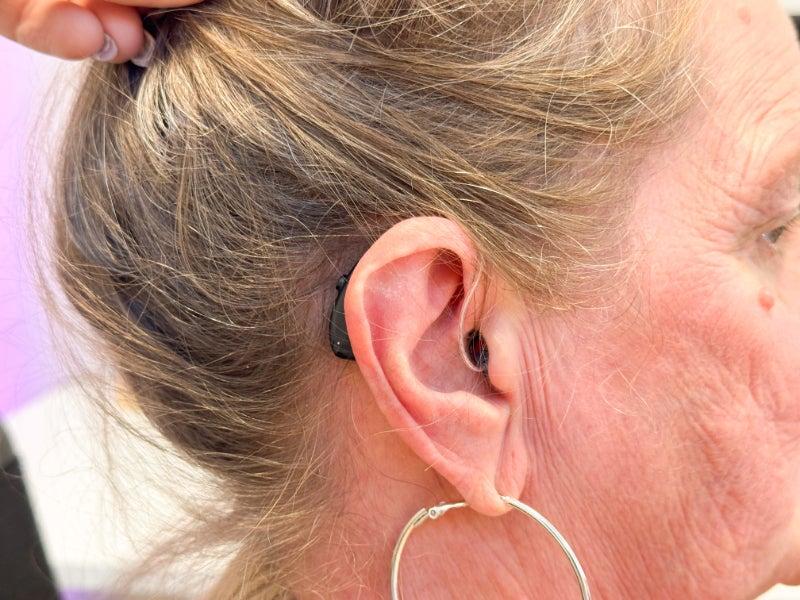
Once you know the type and degree of your hearing loss, it’s time to think about when and how you want to wear hearing aids. Perhaps you regularly take a group fitness class and would like to hear better while exercising. Maybe you spend a lot of time on the phone and want your hearing aids to connect to it—and have a solid battery life, too. And you might have ideas about how hearing aids look. Some people don’t mind if they’re noticeable. Others prefer them not to show.

In my experience
“It's not that people see it, it's that I feel it and move my hair, comb my hair and different things like that. It's less about the look and more just the convenience of it.”
—Carol, 68, one of our long-term testers, describing her experience getting used to BTE hearing aids
4. What trial period do I need?
Because you can buy OTC hearing aids without an expert appointment, you’ll have limited post-purchase support compared to a prescription hearing aid. That’s why a long trial period is important. Every brand on this list has at least a 45-day trial period, but we prefer 100 days, since it usually takes at least one month to adjust to new hearing aids.
Where to buy over-the-counter hearing aids
More than 65% of our hearing aid survey participants bought their devices at an audiologist’s office or hearing health clinic. This isn’t surprising; In the past, it was the only way to get them. The FDA’s ruling means your buying options are nearly endless now. From big-box stores to Veterans Affairs centers, you can walk into hundreds of retailers or visit them online. In many cases, you can buy directly from the manufacturer’s website, too.
Other popular options include:
- Warehouse clubs like Costco and Sam’s Club
- Superstores like Walmart and Best Buy
- Pharmacies like Walgreens and CVS
- Cellular providers like Verizon and T-Mobile
- Amazon
- Community-based clinics
Online or in-store
How and where you choose to purchase is largely a matter of convenience and comfort. If you prefer to see and touch hearing aids before you buy—and want the opportunity to ask questions of a real person—it makes sense to visit a brick-and-mortar store. On the other hand, if you don’t live near many stores or you don’t have a car or other good way to get to them, shopping online can work well. Nearly 13% of our survey respondents bought their hearing aids this way.
In my experience
"I just set mine up when they came, and then we called, and they were all set up. It was easy…it's got good directions and I just followed it through, loaded the app, and they started working.”
—Neil, 70, one of our long-term testers, describes setting up his hearing aids after receiving them in the mail
Some in-store locations have audiologists or trained hearing health providers on staff. These professionals may administer hearing tests and help fit your OTC hearing aids. Hours and services may vary by location, and the hearing tests may not be comprehensive. Always check ahead of time by calling the store you plan to visit.
And a note about customer support: Whether you’re buying online or in-store, you’ll want to find out about trial periods, store return policies, and manufacturers’ warranties. These can vary widely depending on the retailer and can make a big difference in your overall satisfaction.
Expert shopping tips for OTC hearing aids
First things first: Always look for clear FDA labeling before you buy.9 This is the best way to ensure you’re getting a solid product—not a cheap knock-off.

Consumer note
FDA regulations require that all OTC hearing aids include the following information on the box:
- The words “OTC” and “hearing aid” must clearly be displayed
- Hearing health information
- Product warnings
- Whether the device is used or rebuilt
- The type and number of batteries needed, and whether batteries are included
- If you need a mobile phone or remote-control to control the device
The FDA also says that OTC hearing aids can’t exceed a certain volume and must sit safely away from your eardrum. Their volume adjustments must be easy to use, and they must include instructions for how to wear and care for them.
Here are some other things to keep in mind as you shop:
Check for FDA registration. This is a bit tricky because of the wording. Keep in mind “registration” is not the same as “approved,” “authorized,” or “cleared.”
Any retailer or other establishment that sells medical devices like OTC hearing aids generally must register with the FDA each year.10 This registration applies to the business itself—whether online or brick-and-mortar—not the hearing aids you buy there. The FDA doesn’t issue any certificates, signs, or badges that businesses can display to prove they have registered. Retailers displaying these may be trying to mislead you. The only way to check whether you’re buying from an FDA-registered establishment is to search the FDA Registration & Listing public database (every brand we recommend is registered with the FDA).
Because the OTC hearing aid rule is relatively new, the FDA is just getting started on approving the devices themselves. You can check Devices@FDA for approved brands and companies by typing “hearing aids” or “OTC hearing aids” into the search box. But it’s important to know you won’t see many just yet. As long as the FDA labeling is present on the packaging, you can proceed with confidence.
Learn about trial periods and return policies. It takes time to adjust to hearing aids—especially if you’re wearing them for the first time. As one of our testers observed, “I think people just expect to insert a hearing aid in their ear and they’ll be able to hear everything with no problems—not all ears are shaped uniformly. You have to almost re-learn how to hear. The brain needs to adapt to the sounds the hearing aids produce.”
And buying them over the counter means you’ll likely be tweaking the fit, sound level, and other features yourself. It’s important that you’re comfortable with the amount of time you’re allowed to test out different models.
Understand the capabilities of each device you’re considering. First, there are many different styles of hearing aids: behind-the-ear (BTE); receiver-in-canal (RIC); in-the-ear (ITE); in-the-canal (ITC); completely-in-canal (CIC); and invisible-in-canal (IIC). Consider your preferences and your hearing needs.
Features—including battery life and Bluetooth compatibility—are important, too. Some models use disposable batteries, while others are rechargeable. You may want to take this into account when thinking about the price of hearing aids. Having to replace batteries may increase their cost over time. But rechargeable batteries begin to decline after about two and a half years, so you may need to replace or repair your device by the five-year mark. All these factors depend on how much the hearing aid is used and in what ways. For example, streaming hours of music will drain a battery much more quickly.
Be wary of buying hearing aids on social media. This is a common phishing tactic. Sophisticated scammers create content that appears to originate with trusted brands and sites—Amazon being one—and use it to lure you in. When you click to purchase, these scammers are ready to steal your credit card info and other personal details. If you see a sale advertised on Facebook, Instagram, or another platform, check the manufacturer’s site separately. If the sale is real, you should find it there as well. We always recommend buying online from a site whose address you’ve typed into the browser window yourself.
Read more shopping tips in our hearing aid buyers guide.
How much do OTC hearing aids cost?
Among our survey respondents, 28% said price was their top concern when considering over-the-counter hearing aids (second only to “sound quality”).
You can expect to pay anywhere between $100–$2,000 or even more for OTC hearing aids. How much you spend really depends on the features you choose. The models we reviewed for this article range from $99–$2,699.
That may seem expensive at the high end. Keep in mind, prescription models can cost much more: Our research found some prices as high as $7,000. Why the difference? Prescription hearing aids include “baked-in” costs covering things like office appointments before and after you buy, as well as regular professional cleanings, adjustments, and upgrades.
Does Medicare pay for hearing aids?
No, in most cases, Medicare doesn’t pay for hearing aids. Original Medicare (Parts A and B) doesn’t cover hearing exams, hearing aids, or fittings. The exception: Medicare may cover diagnostic hearing and balance tests if your doctor suspects an underlying condition. You can discuss this with your primary health care provider.
Some Medicare Advantage plans offer additional vision, hearing, and dental benefits. If you’re enrolled in Medicare Advantage, check with your plan to see what coverage you may have for hearing health. It is also important to check who the participating providers are in your plan (or before you enroll in a plan).
What about Medicaid? It depends on where you live. Some states opt to include a certain level of hearing care in their plans. If you’re a Medicaid enrollee, contact your state agency to ask whether this coverage is included. Most include hearing aid coverage for pediatrics, but less than half provide some coverage for adults.
If you need hearing aids and can’t afford them, it’s worth checking around for programs that can help, like these:
- Some manufacturers may offer financing options, rebates, or other incentives.
- The nonprofit Hearing Aid Project of America publishes a searchable directory of state, national, and international resources.
- Some Lions Clubs have programs that provide free or low-cost hearing aids; contact your local chapter to learn more.
- If you’re a veteran whose hearing loss is service-related, you may qualify for free hearing aids through the U.S. Department of Veterans Affairs.
- The Indian Health Service may provide free or low-cost hearing aids for its tribal members.
- You can also check with your state’s Department of Rehabilitation Services to see if they can help you cover the cost.
- Check NCOA’s BenefitsCheckUp® to find benefits in your area.
Frequently asked questions
What is the best OTC hearing aid?
Our testing found Jabra Enhance hearing aids to be the best OTC option currently available. We were impressed by Jabra Enhance's sound quality, well-designed app for easy customization, and stellar customer service.
How do I know if I need hearing aids?
If you suspect you have hearing loss, consult a professional for an evaluation. An audiologist or ENT physician can pinpoint the exact cause(s) of your hearing loss and identify the best way(s) to treat it.
Are OTC hearing aids any good?
Yes, OTC hearing aids can be an affordable alternative to prescription hearing aids for those with mild to moderate hearing loss. Always have your hearing checked by a professional to rule out any hearing conditions before purchasing OTC hearing aids. Take your time researching different brands and models before buying OTC hearing aids, so you can be sure the pair you purchase is legitimate.
How long do OTC hearing aids last?
OTC hearing aids last anywhere from three to seven years, on average. If you take good care of your hearing aids and follow the manufacturer's care instructions, there’s no reason they shouldn’t last. That said, it's always a good idea to find a brand that stands behind its products with solid product warranties and customer support.
Can you use HSA or FSA funds to purchase hearing aids?
Yes. Hearing aids are considered qualified medical expenses (QMEs) under the IRS code, which means they are eligible for reimbursement with HSA or FSA funds. You may also be able to use an FSA or an HSA to pay for eligible expenses related to hearing aids, such as batteries, ear molds, and repairs.
Questions? Email us at reviewsteam@ncoa.org.