

The Best Hearing Aids in 2026: We Tested 70 Options to Find the Top Models
We personally tested more than 70 top hearing aids to find the most reliable options at fair prices. Here are our picks.

- Our pick for Best Hearing Aid is Jabra Enhance Select M3 for its exceptional sound quality, long trial period (100 days), industry-leading post-purchase support, and more.
- Other top picks include Audien (Most Affordable), Elehear (Best for Tinnitus), Phonak (Best Prescription), and Starkey (Best Health and Safety Features).
- The best hearing aids in this article range from $99–$7,774. Features, technology level, style, and customization options can all affect the price of hearing aids.
- Before trying hearing aids, get a hearing exam to rule out fixable causes of hearing loss, like earwax.
- OTC hearing aids can treat mild to moderate hearing loss. Prescription hearing aids are necessary to treat more severe hearing loss.
- When shopping for hearing aids, you'll want to consider your degree of hearing loss, sound quality, battery life, hearing aid style, and feature options.
We’ve spent more than 5,000 hours researching hearing aids to give you the most accurate product reviews. To find the best hearing aids, we:
- Consulted with audiologists, hearing instrument specialists, and aging care experts
- Put more than 50 hearing aids through a series of 21 different tests
- Mystery shopped more than 20 brands
- Surveyed hundreds of older adults who use hearing aids
- Interviewed experts on hearing loss
- Sent hearing aids to our friends and family with hearing loss to provide long-term testing notes
- Read thousands of verified customer reviews
We’re constantly testing new hearing aids to give you the most accurate and up-to-date recommendations. Read more about our hearing aid review methodology.
70+
Hearing aids tested
300+
Hearing aid users surveyed
77
Testing criteria


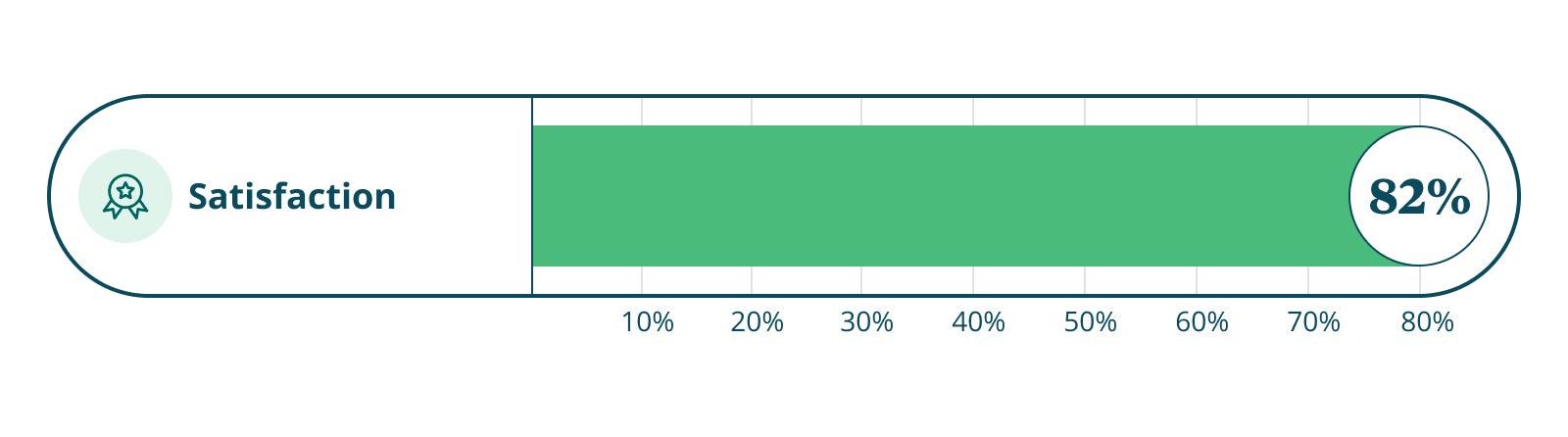
When it comes to your health, early diagnosis and treatment are important. Your hearing health is no different. Hearing loss may come on slowly as we age, but the sooner it’s treated, the better. Wearing hearing aids may even help you stay healthy in other ways. People who wear hearing aids have been found to have later diagnoses of dementia, depression, and anxiety, and fewer falls that cause injury, according to research.1 So if you think you may have hearing loss, don’t put off getting a diagnosis and finding the best hearing aids for you.
We surveyed over 300 hearing aid users, tested more than 50 of the best hearing aids on the market, and narrowed the list to our top nine. We included a mix of the best OTC hearing aids and best prescription hearing aids to suit any kind of hearing loss or budget. Keep reading for more information on our first-person testing with older adults and our picks for the best hearing aids in 2026.
Best Overall
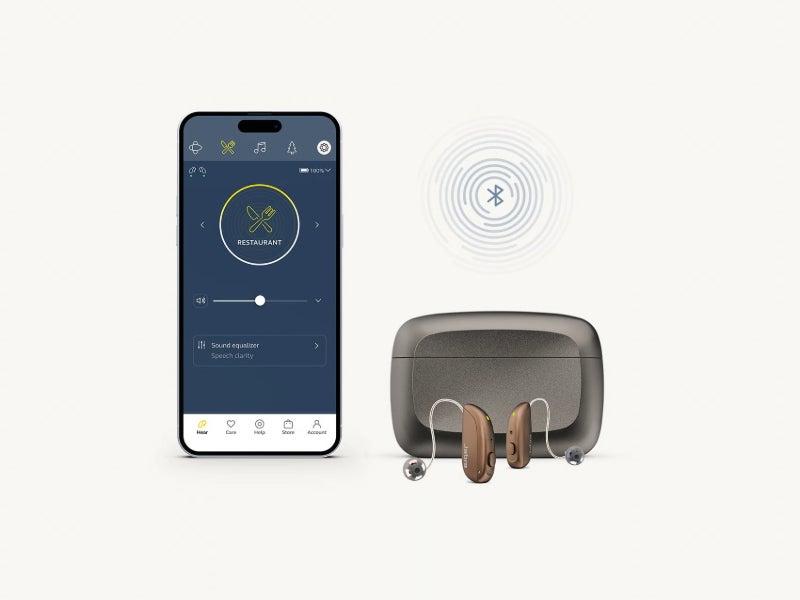
Jabra Enhance Select M3
Premium sound, Bluetooth streaming, and audiology support with smart speech clarity features
NCOA exclusive discount
$500 off the M3 with code NCOA500 (deal applied at checkout)
Best Value
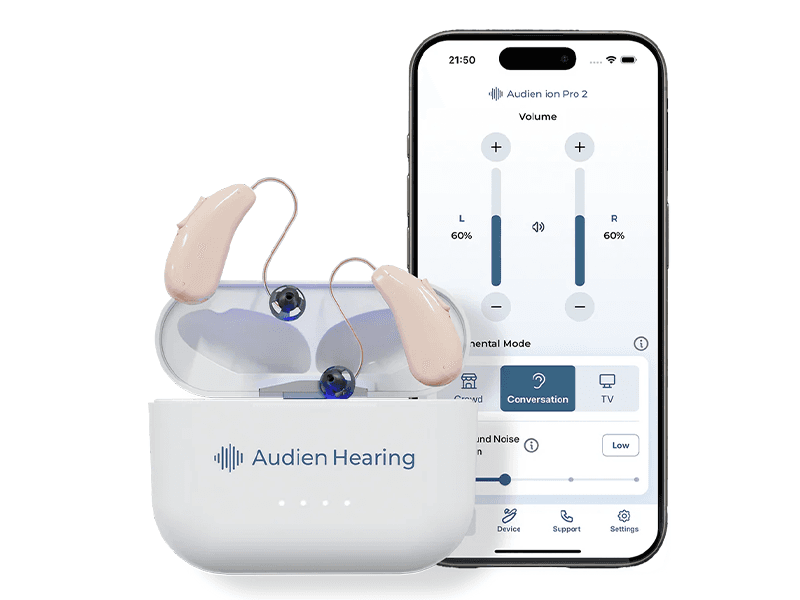
Audien ION Pro 2
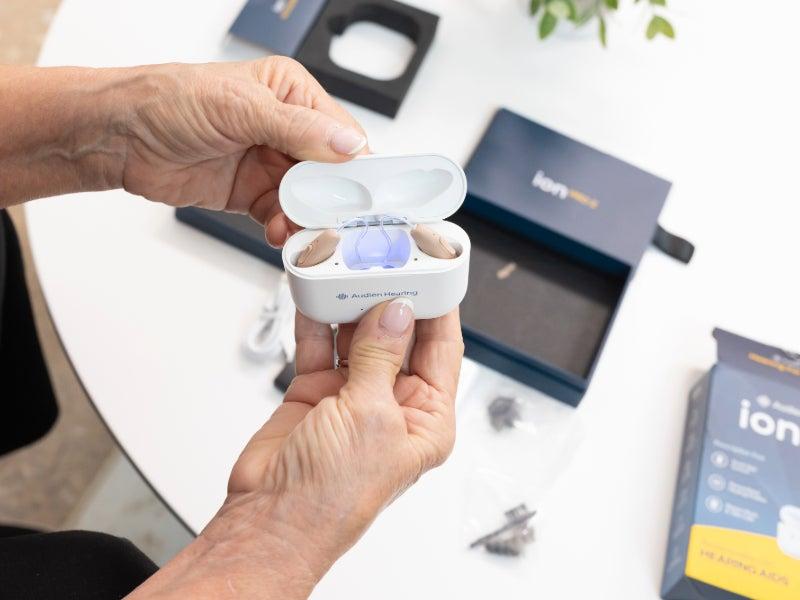
Bluetooth hearing aids with long battery life, environmental settings, and a UV cleaning charging case
Best for Tinnitus
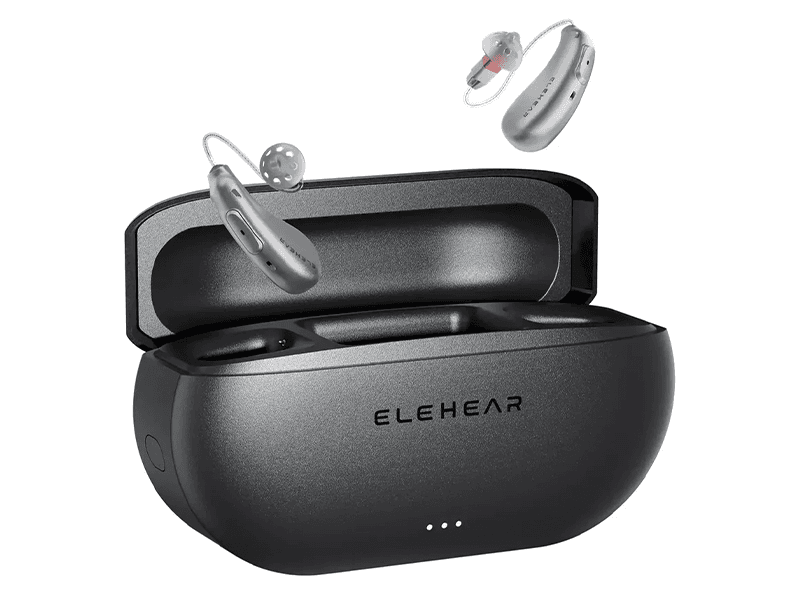
Elehear Beyond Pro
Customizable tinnitus masking with AI noise reduction, Bluetooth streaming, and real-time translation
Our picks for the best hearing aids
- Jabra Enhance Select M3: Best Overall
- Audien ION Pro 2: Best Value
- Elehear Beyond Pro: Best for Tinnitus
- Soundbright Discovery: Best for Reducing Background Noise
- MDHearing Volt Max 2: Most Affordable
- Cearvol Wave: Best for Streaming
- Phonak: Best Prescription
- Starkey: Best Health and Safety Features
- Signia: Best Battery Life

First time getting hearing aids?
Start with an in-person exam with a hearing professional. That can rule out any issues that hearing aids won’t solve (like impacted ear wax).
The best hearing aids of 2026 compared
| Comparison Features | |||||||||
|---|---|---|---|---|---|---|---|---|---|
| Our rating (out of 10) | 9.9 |
9.4 |
9.3 |
9.0 |
8.2 |
9.8 |
9.6 |
9.5 |
9.4 |
| Rx or OTC? | OTC |
OTC |
OTC |
OTC |
OTC |
OTC |
Rx |
Rx |
Rx |
| Trial period (days) | 100 |
45 |
45 |
45 |
45 |
45 |
Depends on retailer |
Depends on retailer |
Depends on retailer |
| Battery type | Rechargeable |
Rechargeable |
Rechargeable |
Rechargeable |
Rechargeable |
Rechargeable |
Rechargeable and disposable |
Rechargeable and disposable |
Rechargeable and disposable |
| Bluetooth? | Yes |
Yes |
Yes |
Yes |
Yes |
Yes |
Yes |
Yes |
Yes |
| Hearing aid type* | Micro-RIC |
BTE |
RIC |
RIC |
BTE |
ITE |
BTE, RIC, ITC, ITE, IIC |
BTE, RIC, ITC, ITE, IIC, CIC |
BTE, RIC, ITC, ITE, IIC, CIC |
*Hearing aid types include: receiver-in-canal (RIC), behind-the-ear (BTE), in-the-ear (ITE), completely-in-canal (CIC), in-the-canal (ITC), and invisible-in-canal (IIC)
How we tested to find the best hearing aids
At NCOA, we run all the best-rated hearing aids through a series of 21 tests. We test all hearing aids ourselves using our hearing aid testing methodology with our team of older adult testers who have hearing loss. Then we write our reviews based on real use. We pay special attention to the following categories:
Our top hearing aids reviews
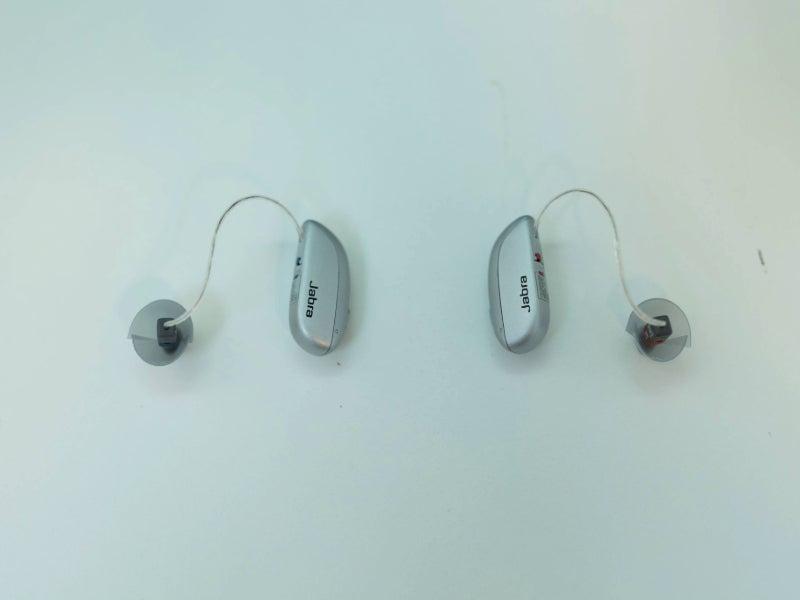
Jabra Enhance Select M3: Best Overall
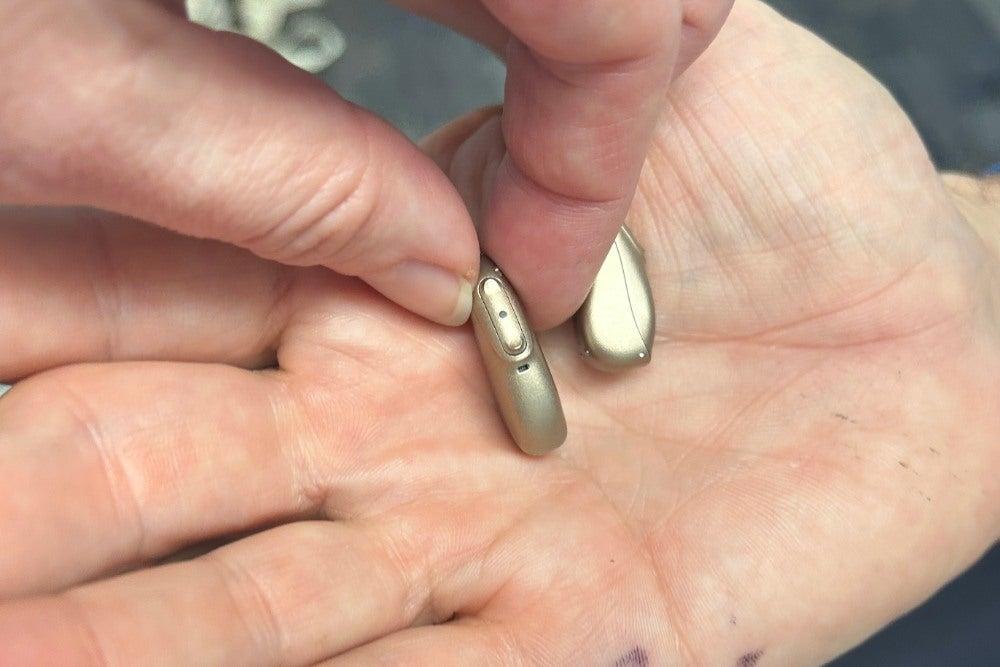
We chose the Jabra Enhance M3 as our Best Hearing Aids Overall. The device's clear, natural sound, strong noise control, and small, discreet design impressed our testers. The M3 also offers long battery life, a 100-day trial, and support from hearing experts, helping you before and after your purchase.
Jabra Enhance Select M3
Best OverallNCOA exclusive discount
$500 off the M3 with code NCOA500 (deal applied at checkout)
NCOA exclusive discount
$500 off the M3 with code NCOA500 (deal applied at checkout)
- Jabra Enhance review
- Jabra’s smallest, most discreet option
- AutoFocus technology to improve speech in sound
- 6 different colors available
- Remote adjustments from Jabra’s audiology team
- Type of hearing aids: Micro RIC
- Rx or OTC: OTC
- Battery type: Rechargeable
- Bluetooth: Yes
- Trial period: 100 days
- Warranty: 3 years
Pros
- Post-purchase care from hearing experts for three years
- Exceptional sound quality
- Strong battery life (24 hours on a 3-hour charge)
- Long trial period (100 days)
- Clear Bluetooth audio streaming (100-foot range)
Cons
- More expensive than many OTC brands
- Initial Bluetooth connection took some time
- Testers said distance sound could be louder
Audien ION Pro 2: Best Value
We chose the Audien ION Pro 2 as the Best Value OTC hearing aid because it earned high scores in our tests while remaining affordable. These hearing aids also come with some unexpectedly advanced features, like rechargeable batteries, Bluetooth, and noise cancellation.
- Audien review
- Six hearing modes for different environments
- Background noise cancellation
- Clarity-improving sound chip technology
- Bluetooth streaming and hands-free calling
- Rechargeable batteries with a long battery life (48 hours)
- Type of hearing aids: BTE
- Rx or OTC: OTC
- Battery type: Rechargeable
- Bluetooth: Yes
- Trial period: 45 days
- Warranty: 1 year
Pros
- Lower price than many competitors
- Long battery life (48 hours)
- Bluetooth streaming and hands-free calls
- Straightforward fit and setup
Cons
- Limited customer support
- Own voice may sound robotic or echo
Elehear Beyond Pro: Best for Tinnitus
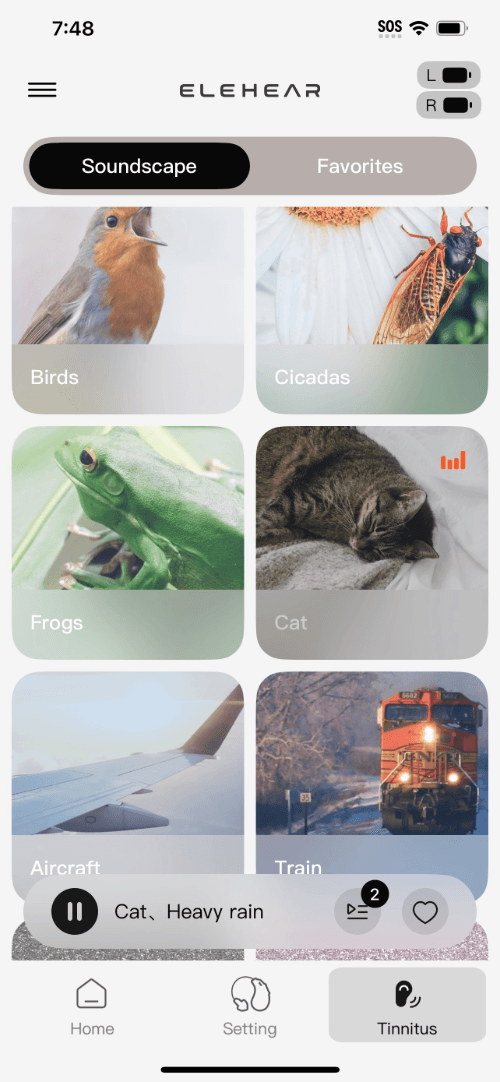
The Elehear Beyond Pro earned our pick as the Best Hearing Aids for Tinnitus because our testers raved about its tinnitus settings. The Elehear app has 20 different tinnitus masking options. These include sounds like wind in trees, rainfall (gentle or heavy), cicadas chirping, a cat purring, and more. You can layer the sounds to create personalized masking programs, such as gentle rain and a cat purring.
- Elehear review
- Advanced AI noise reduction
- Bluetooth streaming
- Remote audiologist support
- Speech clarity enhancement
- 20 hours of battery life on one charge
- Type of hearing aids: RIC
- Rx or OTC: OTC
- Battery type: Rechargeable
- Bluetooth: Yes
- Trial period: 45 days
- Warranty: 1 year
Pros
- Exceptional tinnitus masking
- Fast recharging
- Noise-canceling technology
- Budget-friendly price
- Easy-to-follow user manual
Cons
- Pairing hearing aids could be easier
- Bulkier design
Soundbright Discovery: Best for Reducing Background Noise
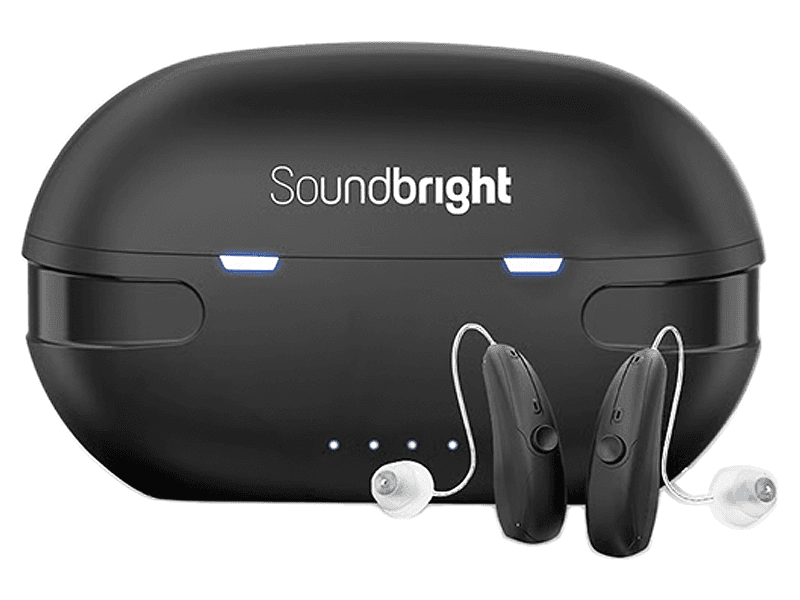
We chose the Soundbright Discovery as the Best Hearing Aid for Reducing Background Noise. Its noise-canceling feature worked well in real-life situations, such as restaurants and busy rooms. Soundbright’s adjustable listening modes—restaurant, outdoor, and quiet—help users customize sound to different environments.
- Soundbright review
- Customize listening in restaurant, outdoor, and quiet modes
- Discreet and comfortable behind-the-ear design
- Up to 48 hours of battery life with case
- Adjust settings manually or with a smartphone app
- Type of hearing aids: RIC
- Rx or OTC: OTC
- Battery type: Rechargeable
- Bluetooth compatible: Yes, on the Discovery and Horizon Pro
- Trial Period: 45 days
- Warranty: 1 year
Pros
- Effective noise-canceling features
- Discreet and comfortable to wear
- 6 customizable hearing profiles
- More affordable than many competitors
Cons
- Less impressive distance hearing
- Setup more challenging on Android device
MDHearing Volt Max 2: Most Affordable
MDHearing Volt Max 2 is our pick for the Most Affordable Hearing Aid. The device's small profile, comfortable fit, and basic functionality come at a much lower price than many other brands. The hearing aids also include a free telehealth setup appointment, free lifetime support, and a 60-day trial.
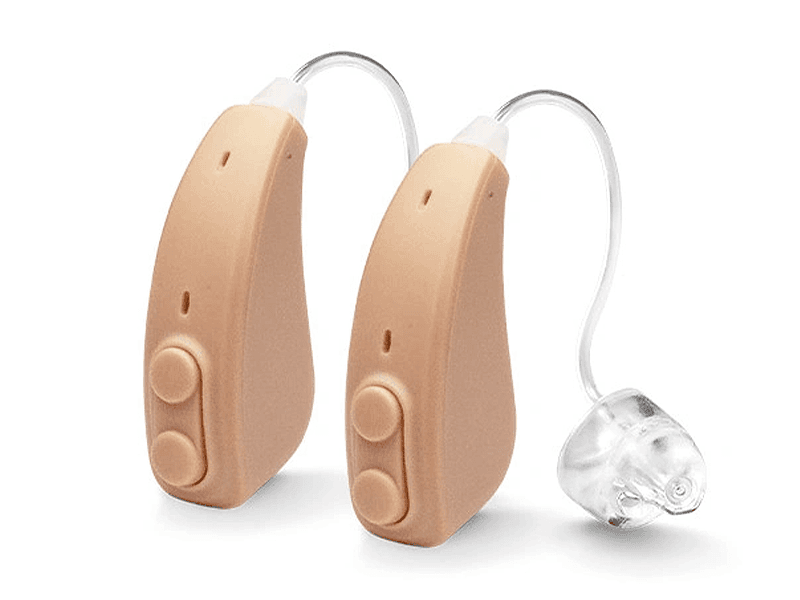
- MDHearing review
- Small, discreet design
- 15-hour battery plus case with three extra charges
- Lifetime hearing aid support
- All devices have noise reduction and feedback cancellation
- Type of hearing aids: BTE
- Rx or OTC: OTC
- Battery type: Rechargeable
- Bluetooth: Yes
- Trial period: 60 days
- Warranty: 1 year
Pros
- Comfortable, discreet fit
- Low price
- Manual and app control
- Remote audiology support
- Seamless setup and simple app control
Cons
- No streaming for music or calls
- Sound quality can be inconsistent
- Tends to over-amplify for mild to moderate hearing loss
- No telecoil or Auracast for public broadcasts
Cearvol Wave: Best for Streaming
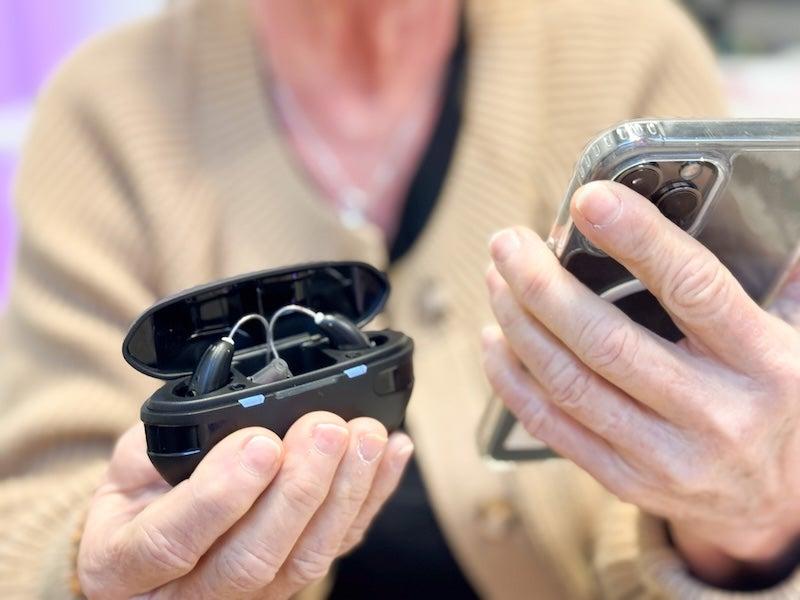
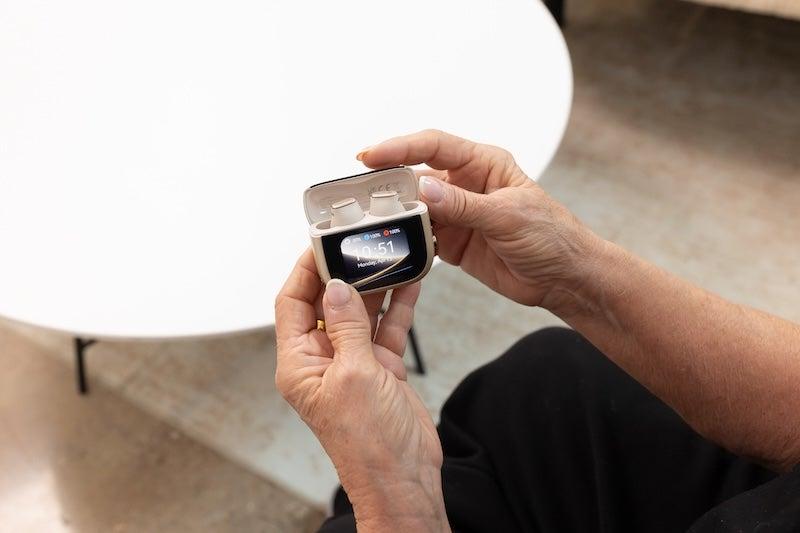
The Cearvol Wave stands out for its streaming capabilities because it connects easily to phones, TVs, and more. These devices make it easy to switch between calls, music, and other audio.
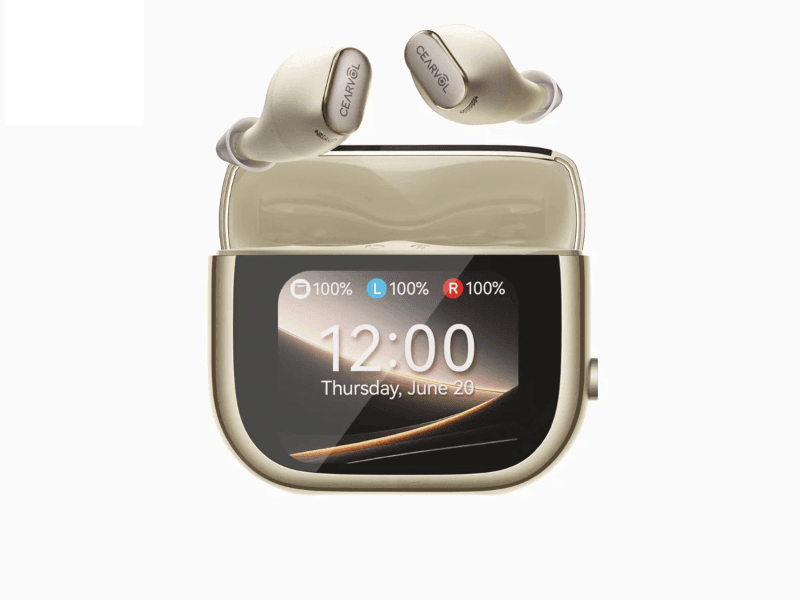
- Cearvol review
- Bluetooth streaming for calls, music, and TV
- Dual-device connection to switch between devices smoothly
- High-quality sound for media and conversations
- Smart touchscreen charging case for easy controls
- Large selection of ear tips for a better fit
- Type of hearing aids: ITE (earbud style)
- Rx or OTC: OTC
- Battery type: Rechargeable
- Bluetooth: Yes
- Trial period: 45 days
- Warranty: 3 years
Pros
- Easier to stream audio from different devices
- Touchscreen case makes controls simple
- Clear sound for music and calls
- Multiple ways to adjust settings (app, buttons, case)
Cons
- App setup and pairing can take time
- Manual may feel hard to follow at first
- Fit may feel bulky for some users
- Voices can sound too loud or echoey at times
Phonak Sphere: Best Prescription
We chose the Phonak Sphere as the Best Prescription Hearing Aid for its all-around high scores in testing. Phonak uses some of the most cutting-edge technology on the market (like AutoSense OS) and advanced speech processing), so users get a more natural hearing experience.
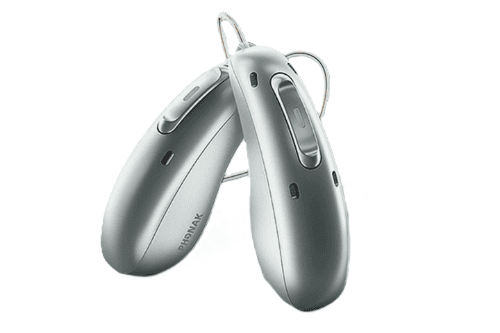
- Phonak review
- Wide range of hearing aid models and types
- Find My Hearing Aid option
- Multiple models include Auracast and telecoil technology
- Battery life of over 24 hours
- Types of hearing aids: BTE, RIC, ITC, ITE, IIC, and CIC
- Rx or OTC: Rx
- Battery type: Rechargeable and disposable
- Bluetooth compatible: Yes
- Trial period: Depends on retailer
Pros
- Cutting-edge technology
- AI-powered advanced speech processing
- Multi-directional microphones
- Range of models and styles to choose from
- Rechargeable and disposable battery models
Cons
- High prices
- Requires in-person appointments
- Hard to find pricing information
Starkey Omega AI: Best Health and Safety Features
We chose the Starkey Omega AI as the Best Hearing Aids for Health and Safety Features. Starkey earned this title with its unique wellness innovations, such as fall detection, that no other brand offers. The Starkey Omega AI earned the highest Features score in our prescription hearing aid testing, with a 9.4/10. Starkey’s industry-leading health monitoring capabilities, safety technologies, and high scores from first-person testing make this brand stand out.
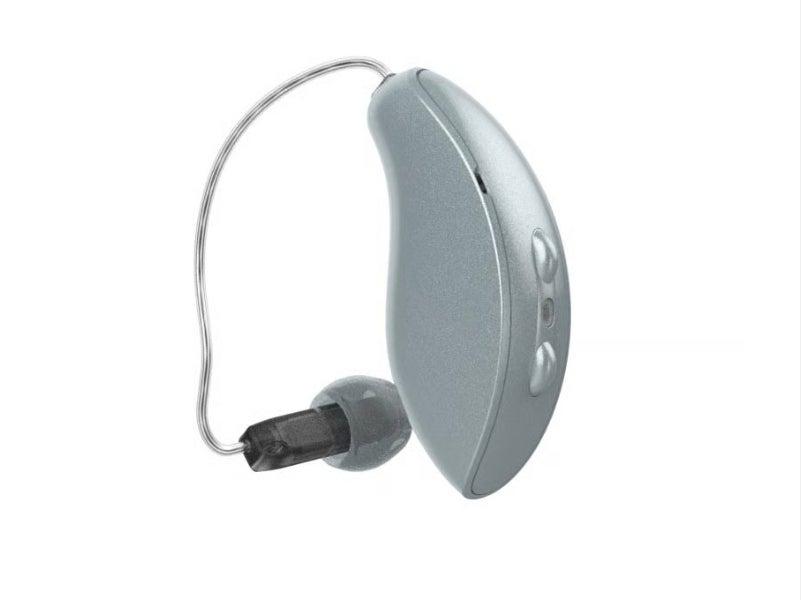
- Starkey review
- Only hearing aids with fall detection
- Find My Hearing Aids option
- Advanced speech enhancement
- Battery life of over 24 hours
- Types of hearing aids: BTE, RIC, ITE, ITC, IIC, CIC
- Rx or OTC: Rx
- Battery type: Rechargeable and disposable
- Bluetooth compatible: Yes
- Trial period: Depends on retailer
Pros
- Unique health and safety features (like fall detection)
- Highest score for features
- Advanced Bluetooth
Cons
- Requires in-person appointments
- Hard to find pricing information
Signia Pure Charge&Go IX: Best Battery Life
We chose the Signia Pure Charge&Go IX as the Best Battery Life because they have the longest runtime of any Bluetooth Classic hearing aid. They offer 36 hours of battery life, including five hours of streaming on a single battery charge. Signia also reduced the size of the Pure Charge&Go IX, making it one of the smallest devices on the market without compromising Bluetooth connectivity or battery life.
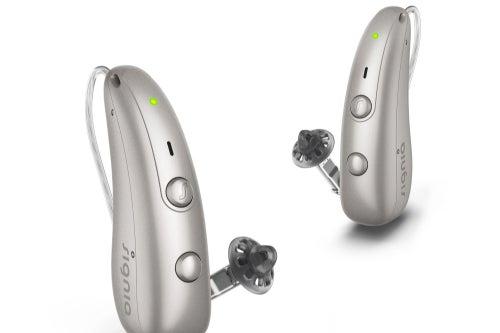
- Signia Review
- Signia Assistant helps customize hearing aids for your needs
- Health monitoring options
- Many options for device styles and types
- Up to 36 hours of battery life
- Types of hearing aids: BTE, RIC, ITE, ITC, IIC, CIC
- Rx or OTC: Rx
- Battery type: Rechargeable and disposable
- Bluetooth compatible: Yes
- Trial period: Depends on retailer
Pros
- Real-time conversational enhancement
- Own Voice Processing (OVP) technology
- Long–lasting battery
Cons
- No Find My Hearing Aid option
- No Auracast or telecoil
- Hard to find pricing information
Brands that didn’t make the cut
Not everything we test makes the cut—and that’s on purpose. We only want to recommend the best-rated hearing aid options on the market, not waste your time or money with the worst hearing aids.
The brands below didn’t pass our rigorous internal testing:
Nano
- Nano is a hearing aid brand that markets primarily on social media, which we don’t recommend.
- The brand was sued by the State of Vermont in 2023 for “unfair business practices and misleading marketing statements.” Some of these unfair practices included company leadership directing sales staff to identify themselves as hearing instrument specialists (a position that typically requires a two-year degree) when they held no such credentials.
Apple AirPods
- Apple recently added OTC-grade sound processing software to its AirPods 2.
- While we like the idea of consumer electronics expanding access to hearing aids, the AirPods didn’t pass our test. Testers said the sound processing was blunt and not nuanced (either “too loud” or “too soft”). And despite trying multiple domes, testers couldn’t find a good fit and usually felt like the devices were going to fall out. Lastly, testers said the AirPods Pro 2 look and feel bulky and make them feel a distinct “plugged-up feeling” in their ear.
Go Hearing
- These hearing aids have an attractive price ($299/pair), but that’s about it.
- They have no Bluetooth, no app, and only three preset listening profiles to choose from.
- For less money, you can get more features with a brand like Audien.

Next up in our hearing aid testing:
We're continuously testing hearing aids to ensure we share the best brands on the market. The next brands in our testing queue are:
- Hearwell Hearing Aids
- Nuance Audio Hearing Glasses
How do hearing aids work?
Hearing aids amplify sounds to help you hear better, but they won’t restore hearing to normal. These devices perform the role your ears typically would on their own, without hearing loss. The microphone captures sound and passes it to the amplifier, which sends it to a speaker.5 The amplifier does the heavy lifting, taking the sounds and improving them based on your specific needs, and then converting them back to sound waves to send through to the speaker.
Types of hearing aids
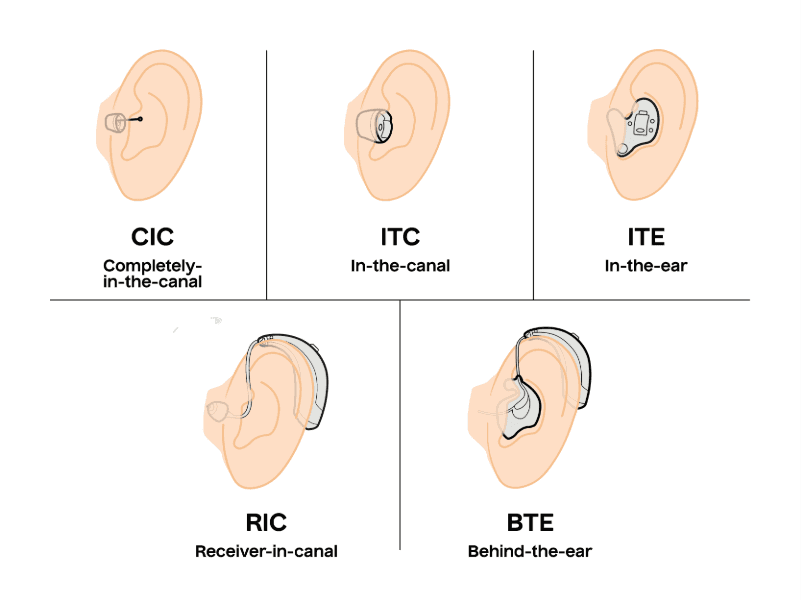
Behind-the-Ear (BTE)
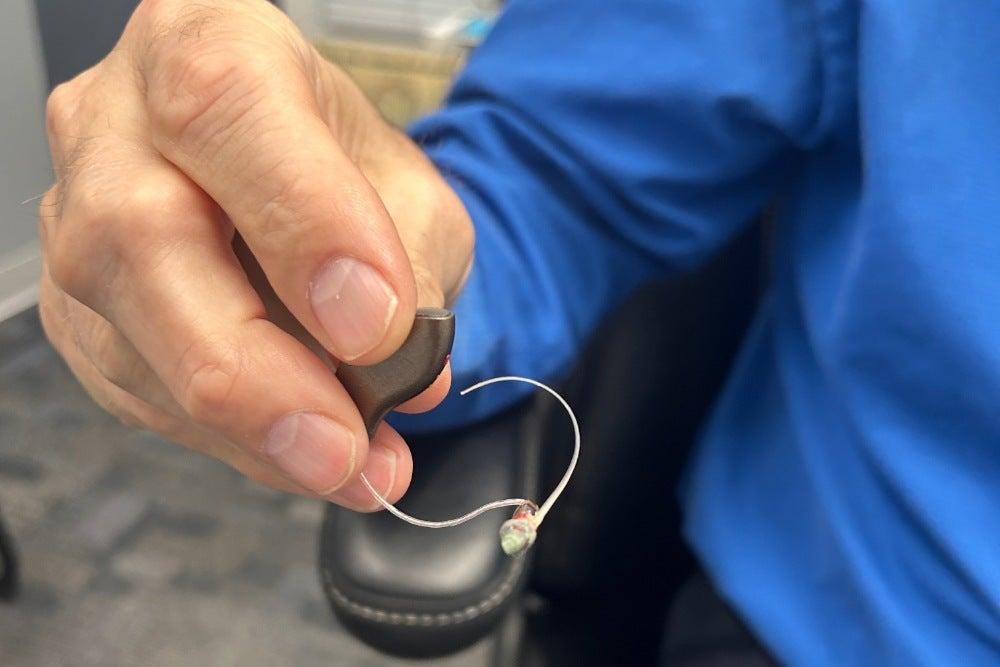
Most of these devices sit behind your ear, and a small, clear tube is attached to an earmold that sits in your ear. This is the style most people think of when they imagine a hearing aid. Its large size allows it to accommodate more advanced technology, and this style often offers the most features.
Receiver-in-Canal (RIC)
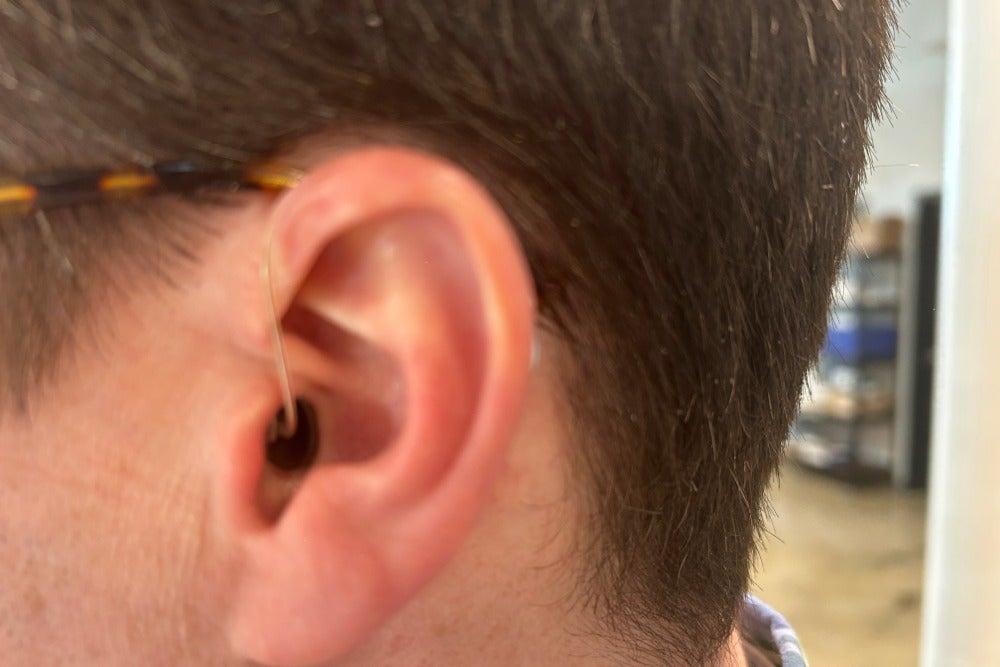
This style is also called “mini BTE” because it looks like a BTE style, only smaller. People sometimes prefer a RIC hearing aid because the small receiver means you may not experience the plugged-up feeling people describe when wearing full ear molds or earbud-style hearing aids.
In-the-Ear (ITE)
These look like the ear mold of a BTE hearing aid without the part that rests behind the ear. Because they sit in the outer ear, they can be bulky and cause a plugged-up feeling, but they’re also easier to handle than smaller styles.
In-the-Canal (ITC)
Instead of sitting in the outer ear, these are inserted into the ear canal. They still stick out some, but they’re more discreet than any of the above styles. ITC hearing aids are very small and can be tricky to handle if you have arthritis or hand dexterity issues.
Completely-in-Canal (CIC)
This style is the most discreet of all, sitting deep inside the ear canal. While it’s almost invisible to others, it’s also more difficult to access for things like charging, battery changes, and cleaning. Some devices can be left in the ear for longer periods. For example, the Phonak Lyric is a device designed to fit so deeply in the ear canal that it’s inserted by a hearing professional and can be left in the ear for months at a time.
In my experience
“At first it's hard to get used to how things sound differently when wearing aids. It's got a digital feel to it, if you know what I mean. Like a kind of a ringing. So just trying to get past that is probably the hardest thing. I still feel like I hear my voice when I talk differently.”
—Neil, 70, one of our long-term testers, on the challenges of getting used to hearing aids
OTC hearing aids vs. prescription
Until October of 2022, people had to go to an audiology clinic, get a traditional hearing test, and pay thousands of dollars for a pair of prescription hearing aids. Largely because of the high cost, many people were unable to get help with their hearing loss. To expand access to these devices, Congress passed bipartisan legislation in 2017 to get the wheels in motion for the availability of OTC hearing aids as they are sold today.6 As of October 2022, the Food and Drug Administration (FDA) regulates what is and is not an OTC hearing aid, helping shoppers to buy legitimate devices and avoid scams.
Now, anyone with mild to moderate hearing loss can purchase the best-rated OTC hearing aids at pharmacies and big box stores, or from online retailers like Amazon. These devices are much less expensive than traditional hearing aids. But they can’t support more severe levels of hearing loss and lack many of the more advanced features prescription devices can offer.
Hearing aids compared
| Prescription Hearing Aids | OTC Hearing Aids | |
| Requires an Rx | ✔️ | |
| Requires an in-person hearing test | ✔️ | |
| Can purchase online | ✔️ | |
| Can support all levels of hearing loss | ✔️ | |
| Can be purchased for under $1,000 | ✔️ | |
| Regulated by the FDA | ✔️ | ✔️ |
What to look for when buying a hearing aid
Before you start shopping, determine your type of hearing loss and the degree of hearing loss. You should always get an exam by a hearing professional, like an audiologist, before buying hearing aids. Even though an in-person exam isn’t required, online hearing tests cannot diagnose an underlying condition that may be causing your hearing loss, like impacted earwax or damage to the ear canal.
If your exam shows that you have mild to moderate hearing loss, you can go ahead and purchase one of the best online hearing aids. Otherwise, you’ll need to purchase a prescription pair.
Choose a style that fits your personal preferences and hearing needs. For example, you may appreciate the discreet look of an ITC device.
“I always felt they would be very noticeable and immediately make me look and feel really old, but that's not the case at all. Mine are pretty tiny and barely noticeable,” said one NCOA hearing aid survey respondent.
Read through hearing aid reviews and our Hearing Aid Buyers Guide for more shopping tips.
Top hearing aid features
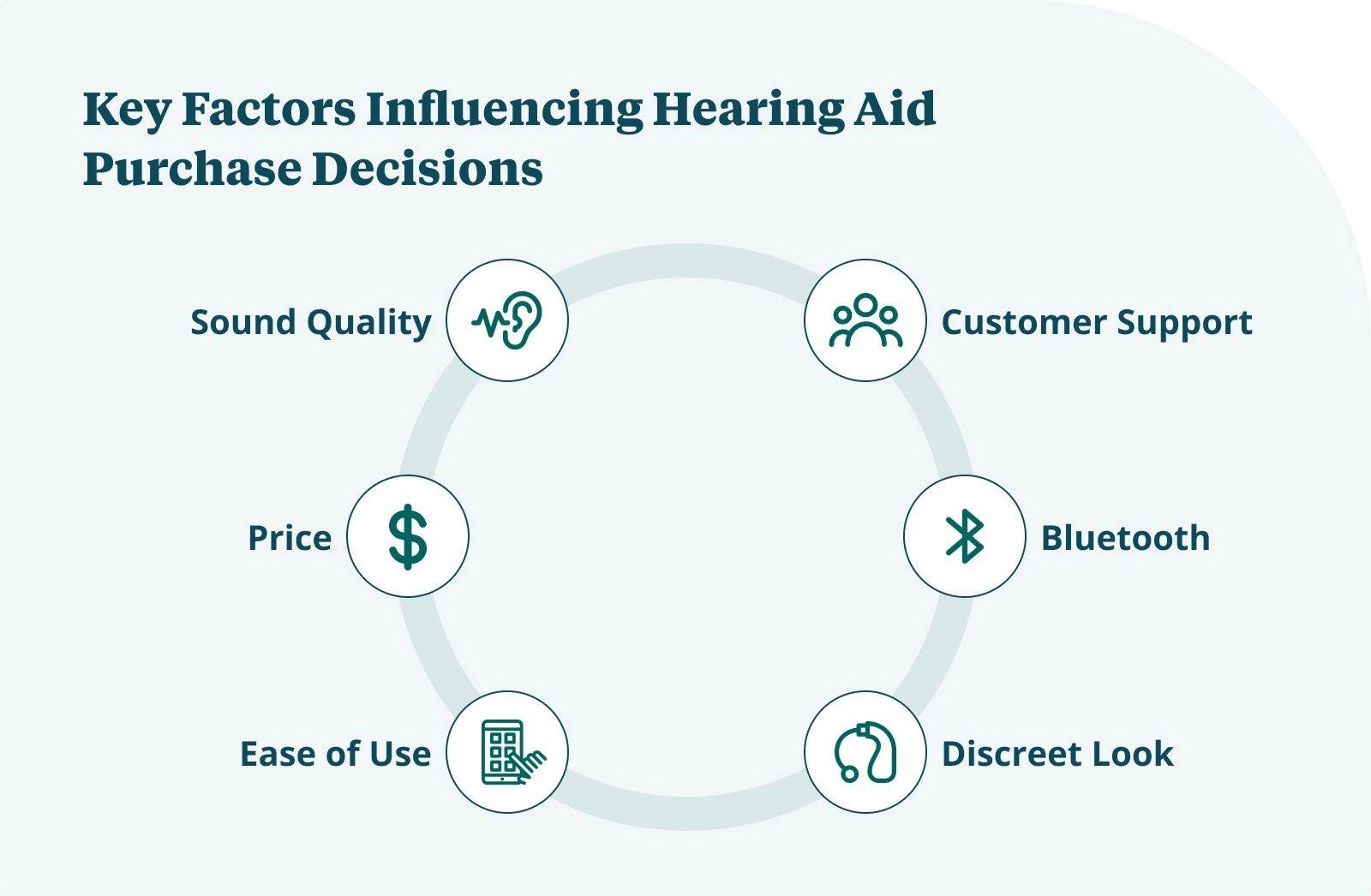
There are many features to consider when shopping for the best-rated hearing aids, but a few stand out from the pack. In our February 2025 survey of 300 hearing aid users, sound quality was the number one most important thing shoppers wanted in a hearing aid, followed close behind by affordability. When looking for the best hearing aids for seniors, here’s what else you should consider:
- Ease of use: How simple the hearing aids are to set up, adjust, wear, clean, and charge or change batteries.
- Post-purchase support and customer care: The help you receive after buying, such as setup guidance, troubleshooting, adjustments, repairs, returns, or follow-up care.
- Bluetooth: Wirelessly connects your hearing aids to devices like smartphones, tablets, or TVs for phone calls, music, videos, or app controls.
- Rechargeable batteries: Allow you to charge the hearing aids rather than regularly replace small disposable batteries.
- Directional microphones: Help your hearing aids focus more on sounds coming from in front of you, which may make conversations easier in some noisy settings.
- Telecoil: Connects devices to hearing loop systems in certain public places, such as theaters, churches, and auditoriums.
- Digital noise reduction: Helps reduce background noise, making speech and other important sounds easier to hear.
- Feedback suppression: Reduces whistling or squealing sounds that can happen when sound leaks from the hearing aid and gets picked up again by the microphone.
- Speech clarity processing: Helps the hearing aids separate voices from other sounds to make speech sound clearer.
- Tinnitus masking: There isn’t a cure for tinnitus, so the most common treatment is “masking,” or layering on other ambient sounds to make the tinnitus sound more bearable. Read more about how hearing aids can help tinnitus in our article on tinnitus and hearing aids.
Hearing aids for tinnitus
Tinnitus is a perceived sound that doesn’t come from an external source, so other people can’t hear it.8 Though it’s often described as a ringing, it can also be other sounds.
Hearing aids sometimes come with tinnitus-masking technology that allows you to choose one or more sounds to play. Most prescription devices offer this, but some OTC brands do, too. We named Elehear Best for Tinnitus in our roundup of the best OTC hearing aids because of its impressive masking offerings.
FDA classifications and hearing aids
Hearing aids and other medical devices are regulated in the United States by the FDA. Your hearing aids may be FDA-registered, FDA-cleared, or FDA-approved. What’s the difference?
- FDA-registered: All medical devices in the US, including hearing aids, must be FDA-registered. FDA registration tracks where hearing aids are manufactured, and the FDA can inspect those locations.
- FDA-cleared: Hearing devices considered to be Class II require FDA registration and FDA clearance. The process for receiving FDA clearance requires devices to meet specific safety and performance standards. This ensures the devices work as advertised.
- FDA-approved: Class III hearing aids require FDA approval. These devices undergo a wide range of testing and evaluations, and must meet high safety standards to gain this status.7
FDA classification for hearing aids
| Class I hearing aids | Class II hearing aids | Class III hearing aids | |
| Type of hearing aids | Offer only general controls, air-conduction hearing aids | Offer both general and special controls, including some wireless technology, bone-anchored or bone conduction hearing aids, and tinnitus maskers | Includes cochlear implants, implantable middle-hearing devices, and auditory brainstem implants9 |
| FDA-determined risk level | Low-risk | Moderate-risk | High-risk |
| FDA classification required | FDA registration | FDA clearance | FDA approval |
| Examples of hearing aids that meet these requirements | Jabra Enhance Plus OTC models, MDHearing models, Audien Atom models, | Audien Ion models | Phonak Lyric (implanted prescription device) |
How much do hearing aids cost?
Over-the-counter hearing aids range in price from as low as $99 a pair to as high as $2,500 a pair, while prescription hearing aids typically range from $3,000 to $10,000 a pair—though they can cost much more. Factors like audiology care, battery type (rechargeable vs. disposable), and extra features, like tinnitus masking, all contribute to the price differences in hearing aids.
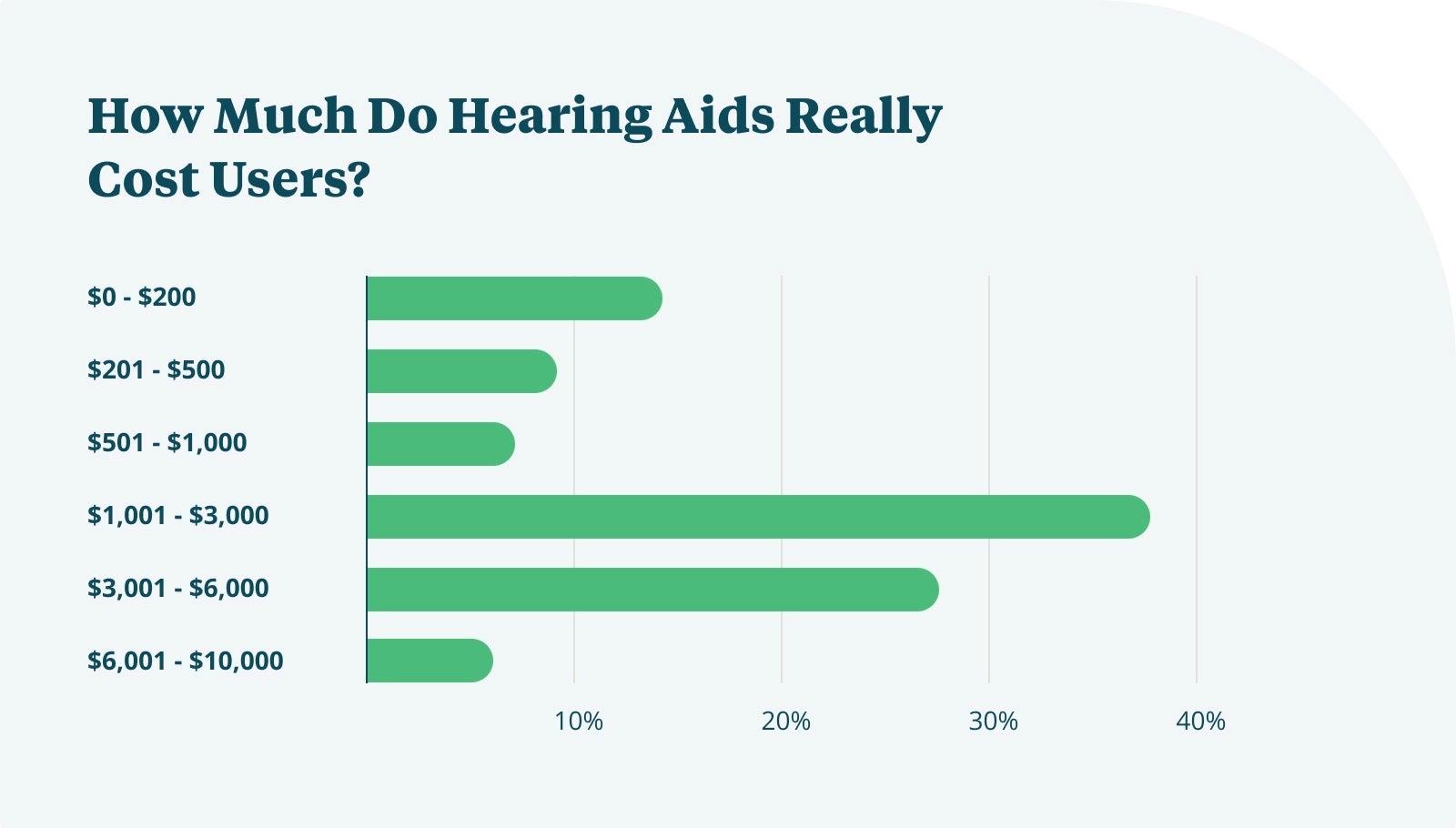
Prescription hearing aids cost
Pricing for prescription hearing aids can be confusing. Prescription hearing aid brands don’t share prices online because there are so many versions and customization options for each device. Specific cost information for prescription hearing aids requires a consultation with your local hearing care professional. Most prescription hearing aids come in a range of technology levels. As hearing aid technology becomes more complex, the devices' prices rise.
How to save money on hearing aids
Hearing aids are costly. At a minimum, you can expect to pay a few hundred dollars for a more basic, OTC device. Most of the best hearing aid brands offer financing options. But you don’t always need to pay full price for hearing aids. And there are many options to find discounts while supporting your hearing health.
Some options for saving money on hearing aids include:
- Using an HSA or FSA: Health savings accounts (HSA) and flexible spending accounts (FSA) allow you to set aside funds for medical devices before they’re taxed.
- Look for discounts and sales: Many hearing aid brands offer discounts on their devices for certain professions, like teachers, or for veterans. You can also frequently find sales on hearing aids, especially during holidays like Memorial Day, Labor Day, or Presidents Day.
- Private insurance: Most private insurance companies do not cover hearing aids, but some states require insurance to pay for hearing aids, even if it’s only partially. You can look for your state on the American Speech and Hearing Association’s page.
- VA benefits: Some veterans receiving general VA health care can receive free hearing exams, as well as hearing aids, implants, batteries, and more at low or no cost. Learn more at the Veterans Affairs website.
- Discount retailers: Discount retailers, like Yes Hearing, and nonprofit hearing centers can offer significant savings for those shopping for hearing aids with a limited budget, while still offering the best hearing aids on the market.
- Area agency on aging: Your local area agency on aging offers resources to age safely at home. They can help you find the information you need to access local services.
- Community service organizations: Many community service organizations work to connect those in need with hearing aids. Some popular options include the Elks Club, the Lions Club, the Knights of Columbus, Rotary International, and more.
How to buy hearing aids
Get a hearing test
Many sites offer hearing tests online. These are a great way to track your hearing health when you’ve already seen an audiologist. But online hearing tests are limited. They cannot diagnose your type or cause of hearing loss, and they can’t identify any physical issues related to your hearing loss. If your hearing loss is due to impacted earwax, an online test may show you need hearing aids when there’s a much easier and less expensive solution.
“An online hearing test is a quick screening tool if somebody would like to get a rough idea of their current hearing status (for a pass/fail result),” said Taylor Ferrell, AuD, an audiologist at the Ohio State University Wexner Medical Center in Columbus, Ohio. “If any hearing loss is determined via the online hearing test an in-person, comprehensive evaluation is warranted.”
“I took two online hearing tests, and they were completely different. One only tested me on speech in noise, the other only tested me on tones. The first one said my hearing was normal, and the second one said I had mild to moderate hearing loss,” said one tester.
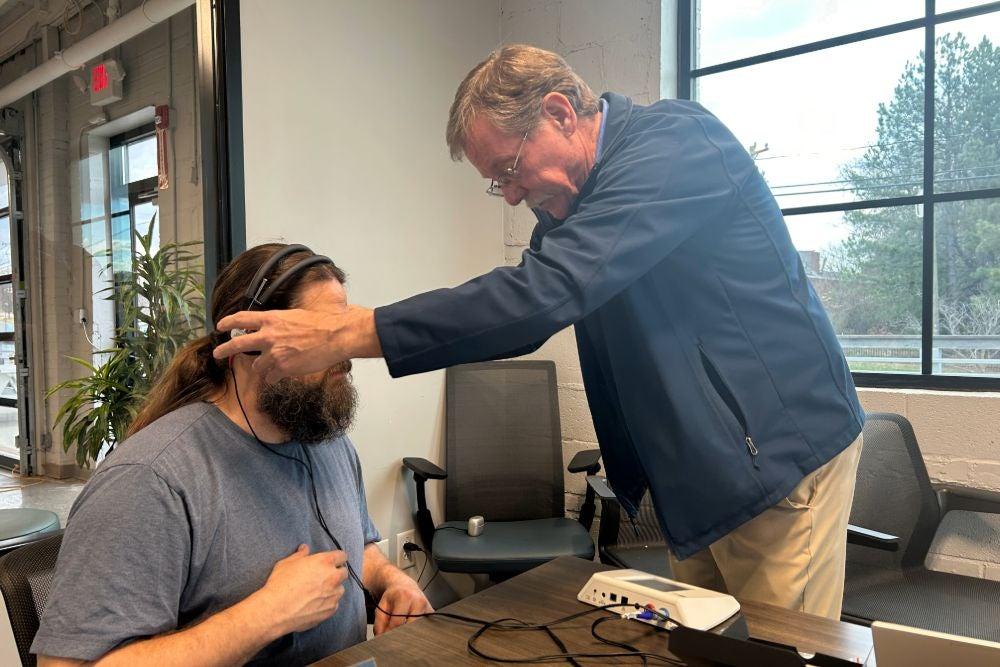
An in-person hearing exam is the only way to receive a complete assessment of your hearing health. Your primary care provider can refer you to a hearing clinic for your exam. Or you can find one through any provider of prescription hearing aids, including an audiologist, an otolaryngologist (ENT), or a hearing instrument specialist.
Experts recommend getting a hearing check at least every two years. “Generally, older adults should have their hearing checked annually or every two years, sooner if they’ve had a change in hearing or other concerns,” said Ferrell.
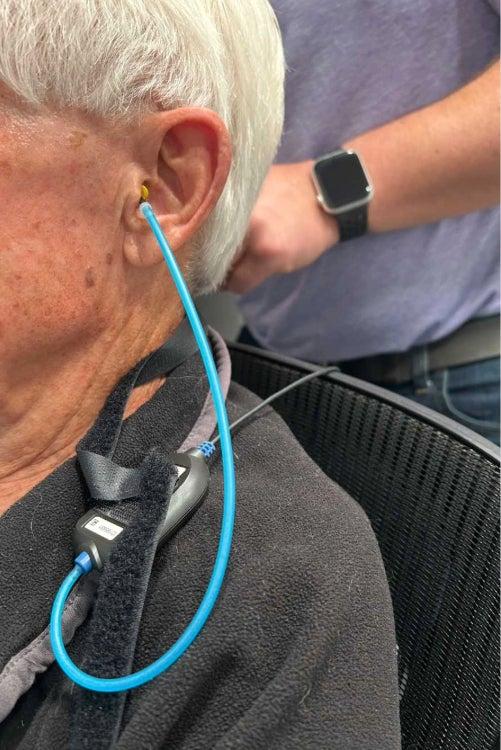
Buying prescription hearing aids
Three main options are available for purchasing prescription hearing aids:
- An audiology or hearing health clinic
- A members-only warehouse store, like Costco or Sam's Club
- Having an audiologist or hearing instrument specialist come to you
Buying hearing aids at a hearing health clinic
A hearing health clinic offers an in-person consultation with an audiologist or hearing instrument specialist, complete hearing health exams, and an audiogram. An audiogram is a chart detailing the results of your hearing test. It shows the frequency and the volume at which your hearing is declining. An audiogram also measures your speech audiometry, which is how well you hear and understand words in noise.
If your hearing test indicates you’re a candidate for hearing aids, a hearing health clinic will determine which style and type of hearing aid can best suit your needs. Then they’ll program and fit your hearing aids for you.
Buying hearing aids at Costco or Sam’s Club
Costco and Sam’s Club are membership-based warehouse stores offering other services, such as pharmacies, optometry clinics, and hearing aid centers. In our February 2025 survey of older adult hearing aid users, 12% reported buying Costco hearing aids.
The hearing aid centers at Costco or Sam’s Club employ audiologists or hearing instrument specialists to perform hearing exams and sell, program, and fit a limited line of hearing aids available in the store. These hearing aids are typically less expensive than other prescription hearing aids.
“Name brands often sell hearing aids through Costco or Sam’s Club at a discount because they’re defeatured, meaning they don’t have all of the extra capabilities the ones sold at an audiologist's office do.” —Ron Binkley, HIS at Charlotte Speech and Hearing Center.
Hearing exams and audiograms are typically free for members of Costco or Sam’s Club, but membership costs $65 annually at Costco and $50 annually at Sam’s Club.
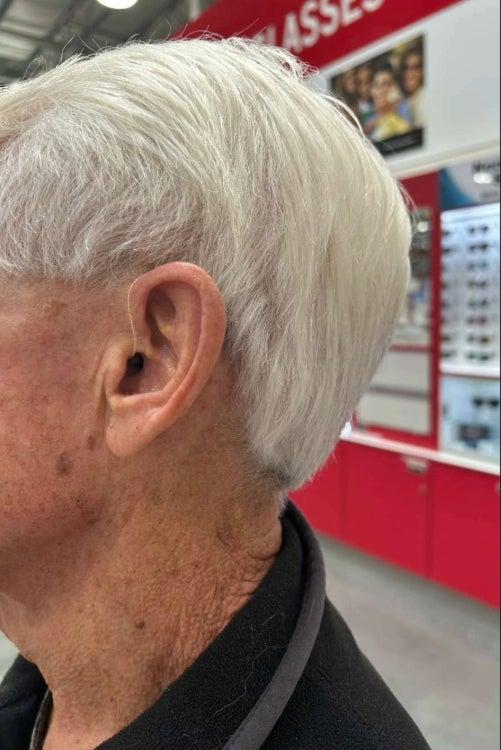
Buying prescription hearing aids from home
Companies like Yes Hearing offer virtual consultations and follow-up appointments with an in-person hearing specialist who comes to your home. At your in-home appointment, you’ll undergo a hearing exam, and they’ll program and fit a pair of hearing aids for you. You’ll also have a follow-up appointment in your home to ensure your hearing aids are working well for you.
As Sam Shear, Yes Hearing’s CEO, explains, “The key to the virtual consultation process is to truly understand the specific needs of each individual. We have found that identifying the best product comes down to a combination of lifestyle needs, financial needs, specific feature requirements, and often activity level. We then provide a full hearing test to ensure the recommendation is accurate from a technical standpoint and program the devices accordingly.”
Buying OTC hearing aids
The process for purchasing OTC hearing aids can vary. You can buy the best online hearing aids directly from the manufacturer, or you can purchase them in many stores that carry health devices, or from retailers like Amazon. Learn more about buying these devices in our roundup of the best OTC hearing aids. You can find OTC hearing aids at stores like:
- Walmart
- Target
- Best Buy
- Walgreens
- CVS
- Amazon
Why your hearing health matters
The risks of untreated hearing loss are among the most important reasons to prioritize your hearing health. Untreated hearing loss can slowly decrease your brain’s ability to process sounds correctly, which can impact many other aspects of your life.10
"Sometimes the hearing doesn’t decline, but the ability to process does. When you wait too long, it’s not that the hearing declines more, it’s that the processing changes." –Cindy Manzanares, HIS
Conditions linked to untreated hearing loss include:
- Dementia: More research is coming out about the relationship between untreated hearing loss and dementia.11 A John Hopkins study found mild hearing loss doubles dementia risk, moderate loss tripled risk, and severe loss increased risk by five times.12
- Cognitive decline: Research has shown that using hearing aids to treat hearing loss may slow cognitive decline.10 One study looking at untreated hearing loss and the rate of cognitive decline found it would take a hearing-impaired older adult just under eight years, on average, to develop cognitive impairment, compared with 11 years for those with normal hearing.13
- Social isolation/loneliness: Research finds a clear connection between social isolation and hearing loss.14 It’s likely that people with hearing loss withdraw from social situations due to difficulties communicating. They may isolate themselves, which can lead to feelings of loneliness and other negative mental health issues.
- Poor mental health: When communication becomes limited due to hearing loss, it can feel exhausting. As a result, those with hearing loss may feel less comfortable with their surroundings, leading to the withdrawal mentioned above and feelings of unease. All these factors make those with hearing loss more likely to experience:
- Falls: Although more research is needed to understand the link between falls and hearing loss, mild hearing loss can increase your risk of falling, most likely due to decreased spatial awareness.18
In my experience
"It's a trial period for sure and learning what to do with what you have. But I think what I did wrong in the beginning is I came at it strong and then it discouraged me and I stepped back. If I wore my hearing aids every day for two hours and then increased it to three hours, that would have been better.”
—Carol, 68, one of our long-term testers, on getting used to hearing aids
Frequently asked questions
What is the best hearing aid brand?
The best hearing aids for you will depend on your level of hearing loss, the features you need to hear your best, and your preferred style. Based on our current testing for this guide, we think the best hearing aid brand is Jabra Enhance, and the best prescription hearing aid brand is Phonak. But a qualified hearing care professional can perform a formal hearing aid evaluation to determine the best product for you.
What are the worst hearing aids?
The worst hearing aids are the ones you won't wear—or that don’t provide enough benefit for your level of hearing loss. In our testing, poor sound quality, uncomfortable fit, weak customization, and short or restrictive trial periods are common reasons a hearing aid may not work well for someone. That’s why it’s important to choose a device with a solid return window and enough support to help you adjust.
Does Medicare cover hearing aids?
Medicare Parts A and B do not cover the cost of hearing aids, but some Medicare Advantage Plans (Part C) may cover all or part of the cost. Call your plan provider to see what type of coverage you have.
Which style of hearing aid is best?
There’s no single best hearing aid style for everyone. The right style depends on your hearing loss, comfort, lifestyle, dexterity, and feature needs. BTE and RIC hearing aids are often easier to handle and can work for many levels of hearing loss. ITE, ITC, and CIC styles are more discreet, but they may be smaller and harder to adjust. A hearing care professional can help you choose the best style for your needs.
How long do hearing aids last?
Hearing aids generally last 3–7 years. But this will depend on factors like how often you use them, whether you stream music and calls regularly, and if you use disposable or rechargeable batteries.
Questions? Email us at reviewsteam@ncoa.org.