
The Best Affordable Hearing Aids of 2026
We tested and compared OTC hearing aids from Jabra, Audien, ELEHEAR, and MDHearing to find high-quality options at lower prices. We also have tips for saving on exams, fittings, and devices.
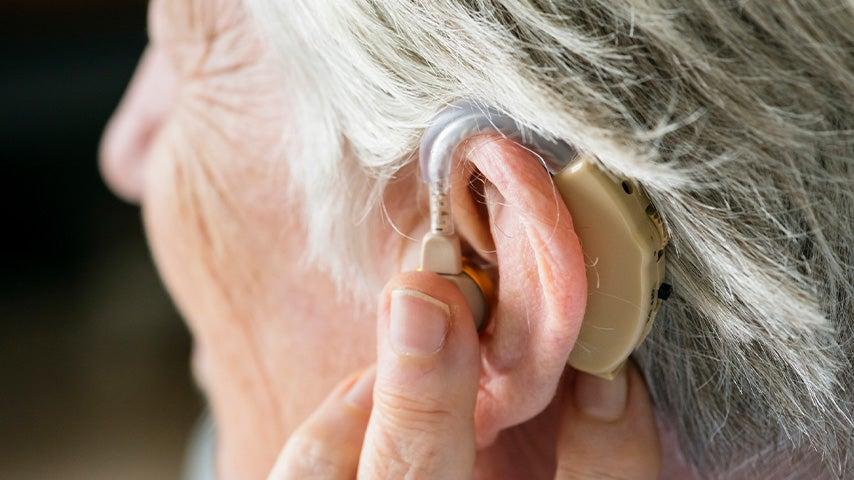
- Our recommendations for the best affordable hearing aids are Jabra Enhance for Best Overall, Audien for the Best Value, and MDHearing for the Best Product Support.
- Hearing aids come in a wide range of prices, but you can find good quality, affordable hearing aids both over the counter and by prescription.
- When searching for affordable hearing aids, a long trial period and strong warranty can matter as much as the devices' overall price. Look for hearing aids with clear return policies and a trial period of at least 45 days.
- Many insurance plans do not cover hearing exams, fittings, and devices, but there are other ways to access inexpensive hearing aids through financial assistance programs, group discounts, and payment plans.
- You can also further lower the cost of your hearing aids through discounts, membership pricing, payment plans, and assistance programs.
NCOA supports everyone’s right to age well. That’s why we test and recommend products we believe can help you live a healthier life. We’ve spent more than 5,000 hours researching hearing aids to give you the most accurate product reviews. To find the best hearing aids, we:
- Consulted with audiologists, hearing instrument specialists, and aging care experts
- Put more than 50 hearing aids through a series of 21 different tests
- Mystery shopped more than 20 brands
- Surveyed hundreds of older adults who use hearing aids
- Interviewed experts on hearing loss
- Sent hearing aids to our friends and family members with hearing loss to provide long-term testing notes
- Read thousands of verified customer reviews
We’re constantly testing new hearing aids to give you the most accurate and up-to-date recommendations.
Read more about our hearing aid review methodology.
70+
Hearing aids tested
300+
Hearing aid users surveyed
77
Testing criteria


How important are affordable hearing aids? In a 2025 NCOA survey of hearing aid wearers, respondents said price was the most important factor when it comes to buying hearing aids (behind sound quality).1
“The average cost for a pair of hearing aids is usually between $2,500–$3,000 per pair,” said Caroline Dadowski, AuD, a doctor of audiology and assistant professor of audiology at Nova Southeastern University in Fort Lauderdale-Davie, Florida. But Dadowski noted that spending $8,000 or more is not uncommon. Because Medicare and other health insurance plans do not typically cover the cost, even partially, it makes sense that the demand for inexpensive hearing aids is high.
OTC hearing aids are one way to meet that demand. They usually cost $800–$1,500, offering considerable savings compared with many prescription hearing aids. But cheap hearing aids should refer only to cost, and not quality. That’s why we spoke with specialists and conducted extensive real-world testing to determine the best affordable over-the-counter hearing aids. Our top picks include models from Jabra, Enhance, Audien, and MDHearing. In this guide, you’ll find what convinced us to name these the best affordable hearing aids, and other ways you can save money on hearing aids, whatever your needs are.
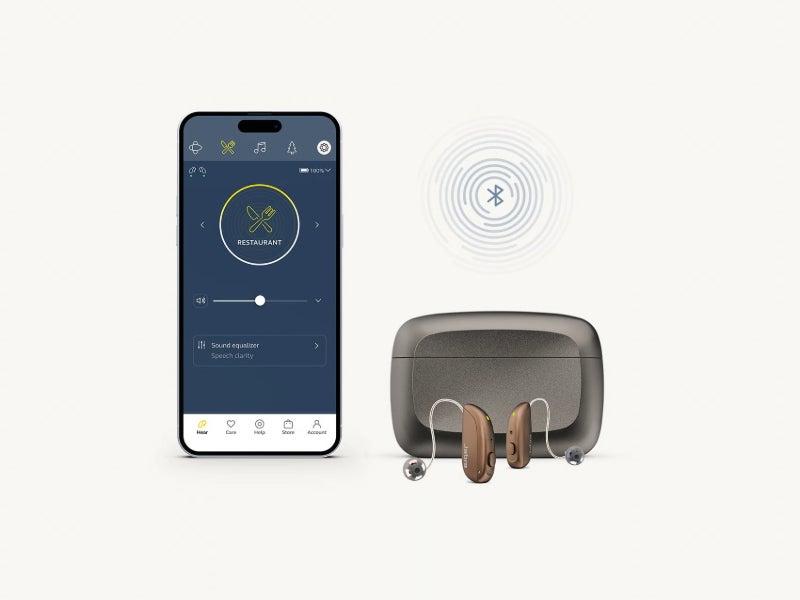
Best Overall
Jabra Enhance
Our top pick for OTC hearing aids, Jabra offers a 100-day risk-free trial and audiology support
NCOA exclusive discount
$200 off with code: NCOA200 (deal applied at checkout)
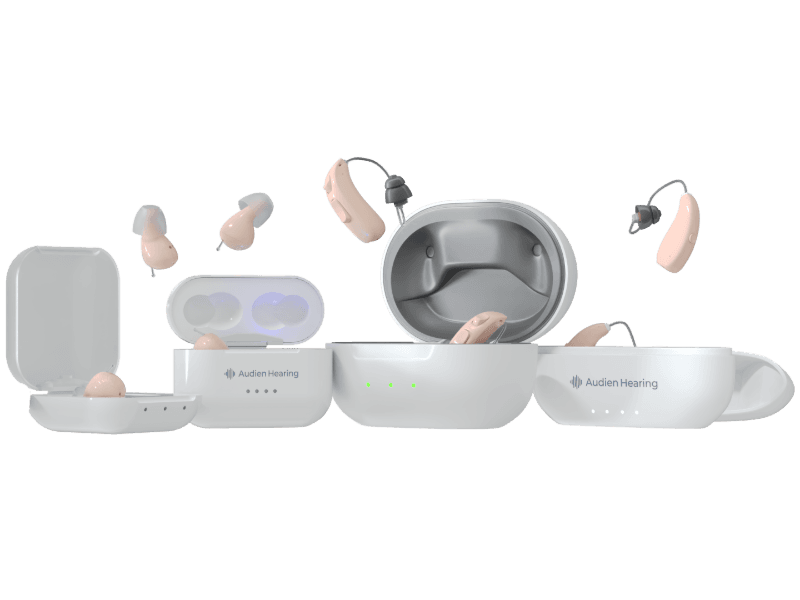
Best Value
Audien
Hearing aids start at $98, models with Bluetooth and advanced technology available
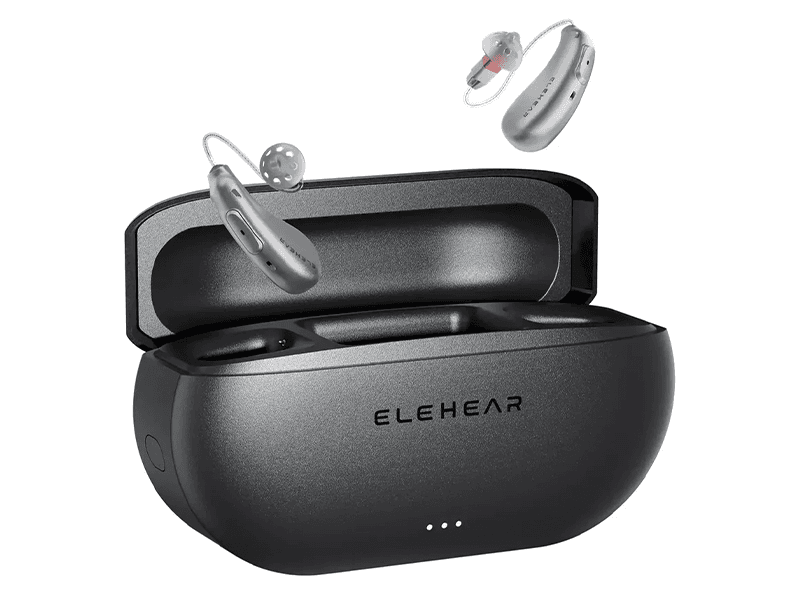
Best for Tinnitus
Elehear
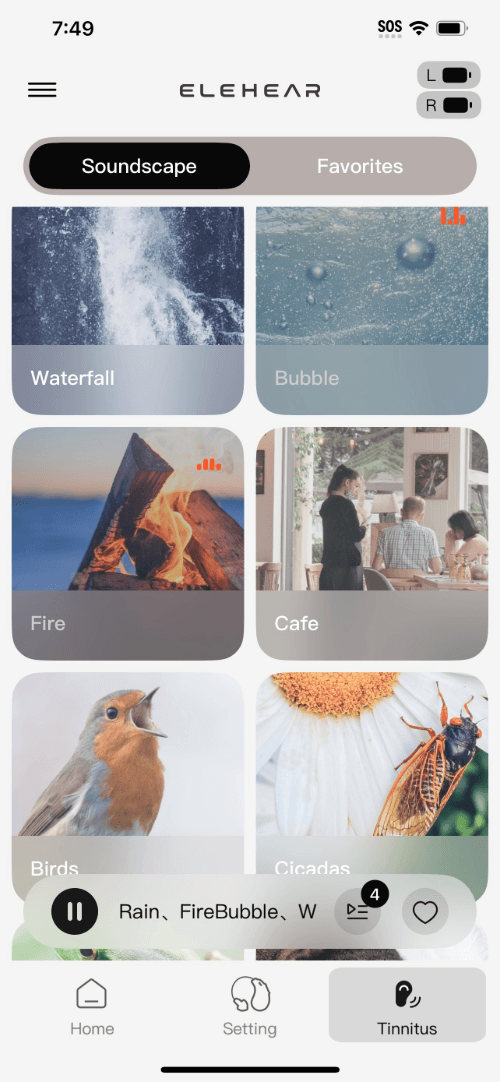
Well-priced, while featuring AI sound processing and over 20 tinnitus masking features
Our picks for the best affordable hearing aids:
- Jabra Enhance: Best Overall
- Audien: Best Value
- ELEHEAR: Best for Tinnitus
- MDHearing: Best Support
How we tested to find the best affordable hearing aids
At NCOA, we put every hearing aid we review through 21 different tests. We test all hearing aids with our team of older adult testers with hearing loss, using our hearing aid testing methodology. We focus especially on these areas:
The best affordable hearing aids compared
| Comparison Features | ||||
|---|---|---|---|---|
| Our rating (out of 10) | 9.9 |
9.7 |
9.5 |
9.2 |
| Trial period (days) | 100 |
45 |
45 |
45 |
| Battery type | Rechargeable |
Rechargeable |
Rechargeable |
Rechargeable |
| Bluetooth? | Yes |
Yes |
Yes |
No |
| Hearing aid type | RIC |
ITE, BTE |
RIC |
ITC, BTE |
Video: The Best Affordable Hearing Aids of 2026
Price matters when shopping for hearing aids. Many pairs cost thousands of dollars. And insurance often offers little or no coverage. In this video, we share the best affordable hearing aids of 2026. The picks are based on our survey of hearing aid users and hands-on testing of more than 70 OTC and prescription models. Watch to see which devices stood out for value, low cost, discreet design, and tinnitus support.
Our reviews of the top affordable hearing aids
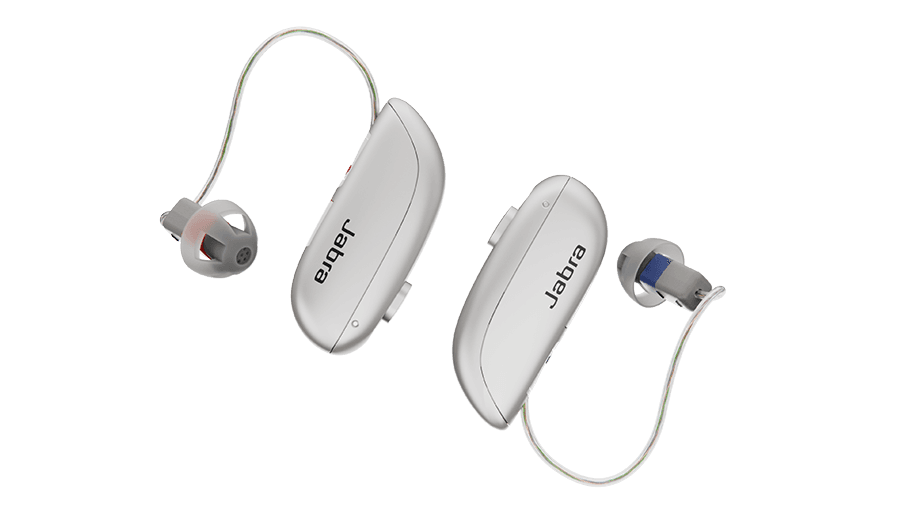
Jabra Enhance: Best Overall
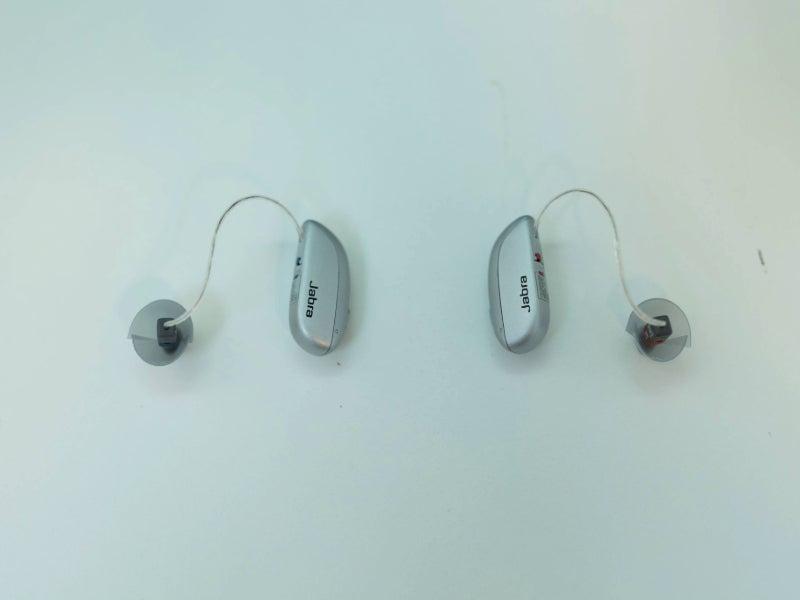
Jabra offers three models in its Enhance Select line, and the M3 is the newest model. The M3 offers helpful features like adaptive noise control, Bluetooth for two devices, self-fitting, and a charging case with three full charges. All of these features come at a price that's still much lower than prescription hearing aids, making it our pick for the Best Overall Affordable Hearing Aid.
Jabra Enhance
Best OverallNCOA exclusive discount:
$200 off with code: NCOA200 (deal applied at checkout)
NCOA exclusive discount:
$200 off with code: NCOA200 (deal applied at checkout)
- Jabra Enhance Review
- Types of hearing aids: RIC
- Type of hearing loss: Mild to moderate
- Battery type: Rechargeable
- Bluetooth compatible: Yes
- Trial period: 100 days
Pros
- Discreet, secure fit
- Great noise in sound performance
- Strong Bluetooth capabilities (long range and great sound quality)
- Quick setup with app and user manual
Cons
- Sounds may be softer at a distance
- Bluetooth setup may take longer than expected
Audien: Best Value
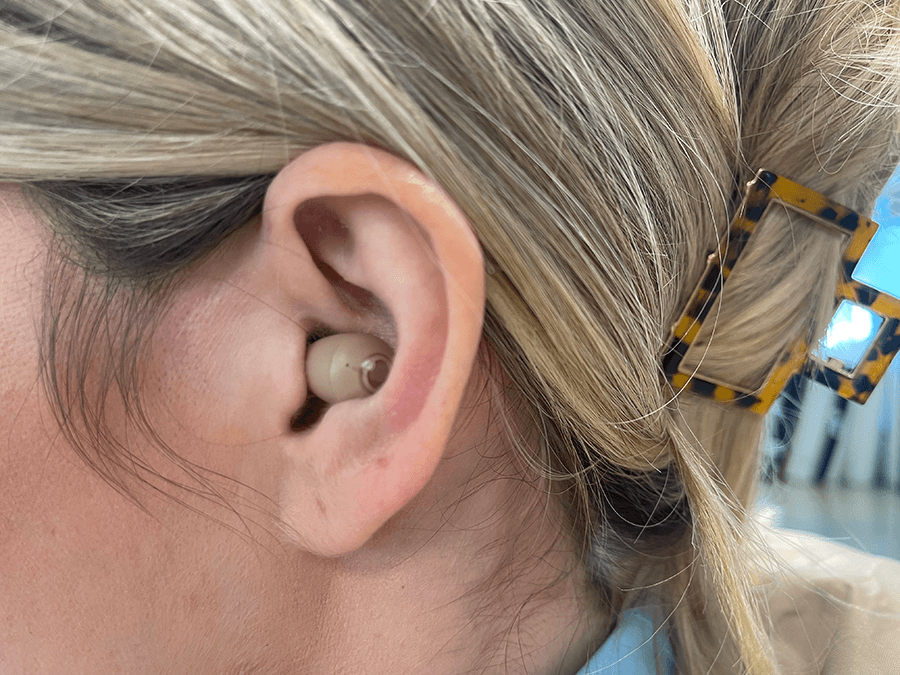
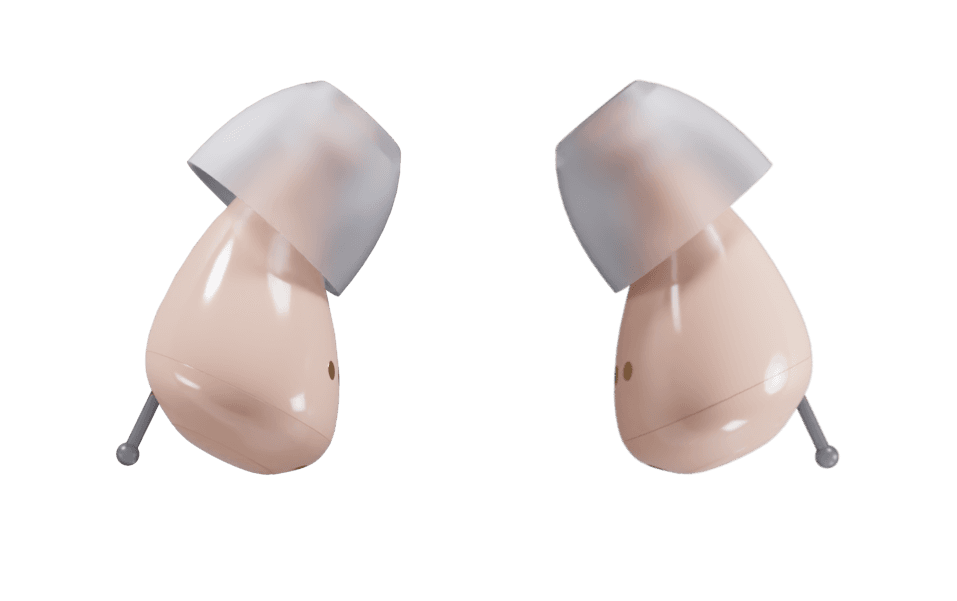
If you have mild to moderate hearing loss and are on a budget, Audien makes the most affordable hearing aids around, with options starting at $98. The Audien Atom 2 is a step up from the base model, and the newest releases, the Audien Atom X and ION Pro 2, offer Bluetooth capabilities, making them strong options at an incredibly low price, which is why we named this brand the Best Value Hearing Aids.
- Audien Review
- Type of hearing aid: ITE and BTE
- Type of hearing loss: Mild to moderate
- Battery type: Rechargeable
- Bluetooth compatible: Audien Ion Pro 2 and Atom X
- Trial period: 45 days
Pros
- Least expensive devices on this list
- Decent comfort and fit
- 24–72-hour rechargeable battery life
- UV-light cleaning case
Cons
- Inconsistent sound quality
- May not be the best choice for hearing lower registers or noise filtering
- App for the Ion Series can be spotty
ELEHEAR: Best for Tinnitus
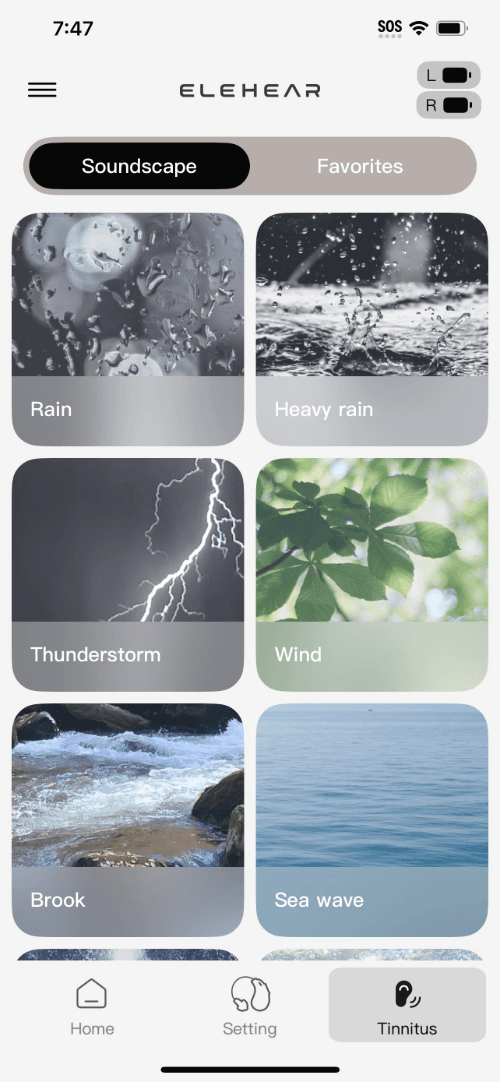
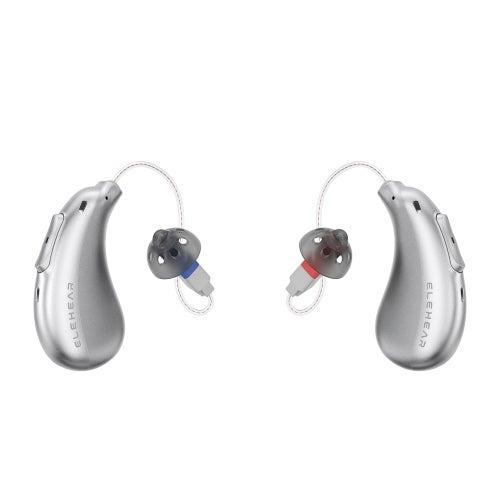
ELEHEAR earned its spot as the Best Hearing Aid for Tinnitus for its impressive tinnitus-masking options. Users can choose from various tinnitus-masking sounds, including white noise, gentle rainfall, and even a cat purring. While tinnitus masking is often only available in pricey prescription models, ELEHEAR offers it at a highly affordable price.
- ELEHEAR Review
- Type of hearing aid: RIC
- Type of hearing loss: Mild to moderate
- Battery type: Rechargeable
- Bluetooth compatible: Yes
- Trial period: 45 days
Pros
- Advanced tinnitus treatment at an affordable price
- Automatic sound adjustments
- Fast recharging and long battery life
- Free audiologist support
- Improved speech clarity
Cons
- Bulkier design
- No hearing test mode to auto-adjust
MDHearing Aid: Best Support
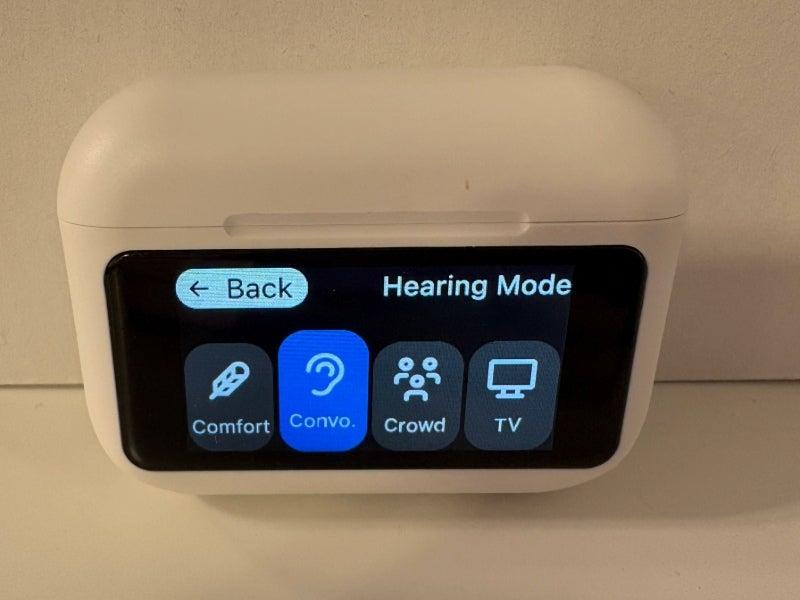
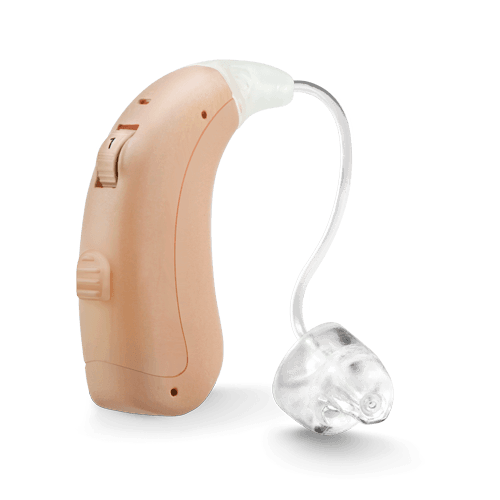
The MDHearing Neo XS is one of the more affordable hearing aids on the market. And it comes with premium support from licensed hearing specialists, including one-on-one fitting, programming, and adjustments. That’s why we named it the Hearing Aids with the Best Support.
- MDHearing Review
- Type of hearing aid: BTE (Air, Volt, and Volt Max) and ITC (NEO, Neo XS, Neo XS Pro)
- Type of hearing loss: Mild to moderate
- Battery type: Rechargeable
- Bluetooth compatible: No
- Trial period: 45 days
Pros
- Low price
- Comfortable fit
- Audiology support included
Cons
- No app or Bluetooth capability
- Issues with sound quality
- Set up is not intuitive
How much do hearing aids cost?
Hearing aids cost, on average, $2,500 per pair, according to a 2020 study.2
But the cost of hearing aids varies widely and depends on many factors, including whether the devices are prescription or OTC. OTC devices are more affordable. But before being made widely available in 2022, the 2020 study pegged the average cost of hearing aids at $2,500 a pair, a price described as a ”catastrophic expense for 77% of Americans with functional hearing loss.”3
When the Food and Drug Administration (FDA) allowed over-the-counter hearing aids to be sold to people with mild to moderate hearing loss, it made inexpensive hearing aids more accessible. “What we have seen is that it broadened access for a large group of people,” said Caroline Dadowski, AuD.
In fact, another recent study found the cost of a traditional pair of the best hearing aids was $3,690, while the cost of OTC hearing aids ranged from $200–$1,400. Every brand in this list sells a model within this range. Using those figures, someone could save up to 38% by purchasing OTC hearing aids compared to traditional prescription devices.3 For another affordable option, check out our Soundbright review for more cheap, OTC hearing aids.
What makes hearing aids so expensive?
Hearing aids are medical devices, and developing the latest technology to enhance sound quality and reduce background noise requires an initial investment. “If you think of hearing aids as any consumer product out there, there will be various degrees on the levels of technology available,” said David Craig, AuD, a doctor of audiology with Hearing Diagnostics Center in South Bend and Goshen, Indiana. “These levels also reflect the difference in pricing. The lower quality hearing aids will obviously be the cheaper alternative, and the higher up you go in technology and the professional fitting of these devices, the higher the price involved.”
Depending on whether you are purchasing OTC or prescription hearing aids, some service costs may be rolled into the price you’re paying as well. That’s one reason OTC devices are often the more affordable hearing aids, said Dadowski, the audiologist in Florida. The more features and capabilities a hearing aid has, the higher the cost.
Ways to save money on hearing aids
While it can be tricky to find inexpensive hearing aids, it is possible to save money on them a few different ways:
- Discounts/sales: Many manufacturers will discount older models or run occasional sales. Signing up for their newsletters can alert you to when these sales take place.
- Private insurance: Some private insurance plans will cover part or all of the cost of hearing aids, said Dadowski.
- Medicare Advantage plans: While most Medicare plans do not cover the cost of hearing aids or fittings, Medicare Part C (also known as Medicare Advantage) may reimburse for some expenses related to hearing aids.4
- Medicaid: If you qualify for Medicaid, some state plans will cover part or all of the cost of hearing aids and/or screenings. Consult your state’s Medicaid program for more information.
- Veterans Affairs: U.S. military veterans are eligible to receive hearing exams, hearing aids, and batteries, and other hearing-assisting devices at no cost, as well as free repairs to existing devices. To learn more, visit the Veterans Affairs (VA) website.5
- Indian Health Clinics: Similar to the VA, Indian Health Clinics help cover the costs of tribal members seeking health care, including hearing health.
- Membership discounts: Some organizations, including the AARP and Lions Club, offer discounts on hearing health to their members. Visit their websites for more information.
- Hearing Aid Project: People with limited income may qualify for no-cost hearing screenings and/or refurbished hearing aids through this national program.
OTC vs. prescription hearing aid costs
The generally lower cost of OTC hearing aids does not necessarily mean they’re lower in quality, said Dadowski, the Florida audiologist. A lot of factors go into the cost of hearing aids, and technology is only one. OTC hearing aids are only intended for people with mild to moderate hearing loss. Devices that are suited for children or people with more significant hearing loss are going to be more powerful and thus likely to cost more.
Technology is always advancing, said Dadowski, and it will be costly at first. If you want the latest tech in your hearing aids—things like Bluetooth capabilities, waterproof hearing aids, or a fast-charging battery— you’re likely to pay more. The same is true of special features like smartphone compatibility, water resistance, color options, or devices that are much smaller and less visible.
Also, a lot of the savings with OTC hearing aids is due to not having to see a hearing specialist for diagnostic work, fitting, and follow-up care, which are often factored into the price of prescription hearing aids.
Comparing OTC and prescription hearing aid prices
| MDHearing Aid Neo | Audien ION Pro 2 | Phonak Audéo Infinio | Oticon Intent | |
| Cost | $197 | $689 | $2,276–$6,960 | $2,200–$6,100 |
| Type | ITE | BTE | BTE | BTE |
How to get affordable hearing aids
There are many options for where to buy affordable hearing aids these days. “You can really get them anywhere,” said Dadowski. “If you’re confused and lost in this sea of ‘I don’t know what a good one is,’ go with a brand that is affiliated with one of the major prescription hearing aid manufacturers. Some audiologists provide OTC devices in their offices, and typically they will carry the ones backed by manufacturers as well.”
Maybe unsurprisingly, most people purchase hearing aids through an audiologist’s office or hearing clinic, with more than half (65%) of survey respondents in our February 2025 survey of older adults saying they bought them there. You can also purchase directly from the manufacturer—all the products on this list of best affordable hearing aids are sold that way.
It may be more convenient for you to purchase through a chain you frequent. Getting hearing aids at Costco was far and away the favorite brick and mortar store to purchase affordable hearing aids, with 12% of those surveyed reporting purchasing them at the chain. Other big box stores accounted for about another 2–3% of purchases, and online retailers made up the rest, with more than 12% of survey respondents saying they purchased affordable hearing aids from online retailers.
Just be cautious when you buy online: Unlike an audiologist’s office, where you may be able to demo devices, the rule of OTC hearing aids is ‘You don’t know until you try,’ said Dadowski. “By law, prescription hearing aids have a return window, but many OTC hearing aids do not. “So always check the return policy before making a purchase,” she said. Every brand on this list has a free trial period of at least 45 days.
Common concerns about affordable hearing aids
While everyone enjoys saving money, affordable hearing aids can sometimes cost you in the long run. “There’s always some really bad apples out there that are trying to scam people into buying these ‘state of the art’ hearing aids and they are just simple amplifiers that don’t fit well, don’t sound good, and are not reliable or very durable,” said Craig, the audiologist in Indiana.
Also, OTC hearing aids tend to be less expensive because they don’t have the added costs of professional hearing services. “Most people have to test their own hearing (usually on an app) to determine how much amplification they need,” said Craig. “They are also in charge of troubleshooting problems they may be having, or difficulty with inserting them in their ears, cleaning and maintaining them, or even the operation of them. There is no continuation of care that goes along with them as you would find with traditional hearing aids. This can be frustrating for many people that purchase these and I find that they just simply give up wearing them because they don’t work properly and they don’t know how to fix them or operate them.”
The best way to avoid these pitfalls is to go with a recognized, trusted brand, and make sure there is a return window and good warranty for the hearing aids you purchase, said Dadowski. “Beware claims this will fix all your problems,” she said. “A 100% satisfaction guarantee is a big red flag to me. Hearing is complex. Even with the best of the best. We can never promise we’re going to fix all your problems.”
Frequently asked questions
What is the average cost of hearing aids?
OTC hearing aids typically range in price between $200–$1,400, while the cost of a traditional pair of prescription hearing aids is $3,690.
Where to find affordable hearing aids?
You can buy affordable hearing aids from numerous places, including an audiologist or hearing clinic, direct from the manufacturer, online stores, big box stores and wholesale clubs, and pharmacies.
Why are hearing aids so expensive?
Hearing aids are expensive because they are technically complex, miniature medical devices. Hearing-aid features, such as real-time sound processing, noise reduction, wireless connectivity, and more, require costly research, development, and manufacturing. Plus, few insurance plans cover hearing aids, so users often need to pay the full price out of pocket.
How can you save money on hearing aids?
There are many ways to save money on hearing aids. Choosing the best affordable hearing aids within your budget is a great starting point, but some organizations, private insurance, and other groups offer discounts or cover the cost of hearing aids and exams in part or in full.
Questions? Email us at reviewsteam@ncoa.org