
Related Topics
Age-related hearing loss is something many people end up developing, with one in three people over 65 experiencing some degree of loss. Even though it’s so common, it’s not unusual for older adults to delay treatment. Some don’t want to spend the money on hearing aids, while others are self-conscious about being perceived as “old.”
But not being able to hear has a lot of drawbacks which can reduce your overall-wellbeing and cognitive health. You might find yourself staying home more, withdrawing from conversations, or feeling tired and frustrated when talking to others. Treating hearing loss, specifically with hearing aids, comes with a lot of benefits that can help improve your quality of life as you age.
Read our article to learn more about the benefits of hearing aids and how they can help make your life easier.
Benefits of hearing aids
Hearing aids offer many benefits to wearers, including less physical strain while trying to hear and more clarity when interacting with different sounds. “The stigma associated with hearing aids can be very real for some older adults,” said Amanda Krisher, NCOA’s Center for Healthy Aging’s Associate Director, Behavioral Health. “But if we flip the script and talk about how hearing aid technology can serve them the same way as taking their medication to control high blood pressure does the reluctance may fade.”
These simple improvements have a ripply effect that can positively impact many other parts of your life, including:
Improved communication
When you can more easily hear someone while they are speaking to you, it makes having extended conversations a more pleasant experience. You’ll be able to understand the cashier’s questions or neighbor’s greeting and not have to ask for them to repeat themselves—or give up on the conversation altogether because you feel frustrated or ashamed by your impairment.
Better social engagement
Hearing aids make it easier to hear people speaking in a loud room, like a restaurant. The best hearing aids can also reduce background noise, making conversations easier to follow. This means you’ll feel more comfortable attending events that have a lot of background noise instead of staying home because you have a hard time hearing someone speak over music or other sounds. This is a big benefit of hearing aids, because getting out of the house and staying engaged socially is an important part of mental and emotional health as we age.
Increased safety and awareness
If you like to spend time going on walks or doing outdoor activities, hearing aids can help keep you safe. The devices are designed to pick up ambient sounds, like cars passing by, or acute sounds, like a siren. Hearing aids increase sound localization 1, which is your brain’s ability to figure out where a sound is coming from in relation to your body. This situational awareness helps you to stay safe in public places because it helps you avoid dangerous areas or alerts you to something happening nearby.
Reduced listening fatigue
Listening fatigue2 happens when your brain becomes tired from having to try and understand the sounds around you all day. When your hearing is impaired and you’re constantly straining to hear what someone is saying, it takes a mental and physical toll on you. You might feel exhausted by situations, like talking on the phone, because of how much effort it takes to focus on listening. Hearing aids increase volume, making it easier to understand and reducing the amount of strain you put on your ears and mind.
Enhanced quality of life
When you don’t have to worry about hearing people properly, your quality of life goes up. Hearing aids can reduce shame, stress, anxiety, and self-consciousness by simply giving you the ability to engage with the world clearly and easily.
“When we can hear well, we’re more connected to family and friends, can engage more readily in hobbies, and don’t miss out on the simple pleasures of life,” said Krisher.
Health benefits of wearing hearing aids
Hearing aids provide mental health benefits like decreasing your chances of developing depression or anxiety due to hearing loss. Some studies have shown that hearing loss can contribute to cognitive decline as we age. Hearing aids help prevent this by keeping your sense of hearing clear and sharp, which increases stimulation for your brain.
Are there benefits of wearing hearing aids all the time?
Yes, there are benefits of wearing hearing aids all the time, because this gives your brain a chance to “calibrate” to its increased ability to hear. When you have hearing loss, your brain becomes used to not picking up certain sounds. Hearing aids make those sounds much clearer, and some of them, like a ticking clock, can seem too loud when you first put your devices in. Some people experience headaches when first wearing their aids. By wearing them consistently, your brain grows accustomed to the new volumes and processes sounds more efficiently. You can learn more in our article about getting used to hearing aids.
Pros and cons of hearing aids
Hearing aids have pros and cons to them, including:
Pros of hearing aids
- Increased ability to hear
- Increased quality of life
- Decreased chances of depression and anxiety
- Can be calibrated to your specific hearing needs
- Comes in both prescription and over-the-counter options
Cons of hearing aids
- Can be very expensive, up to thousands of dollars
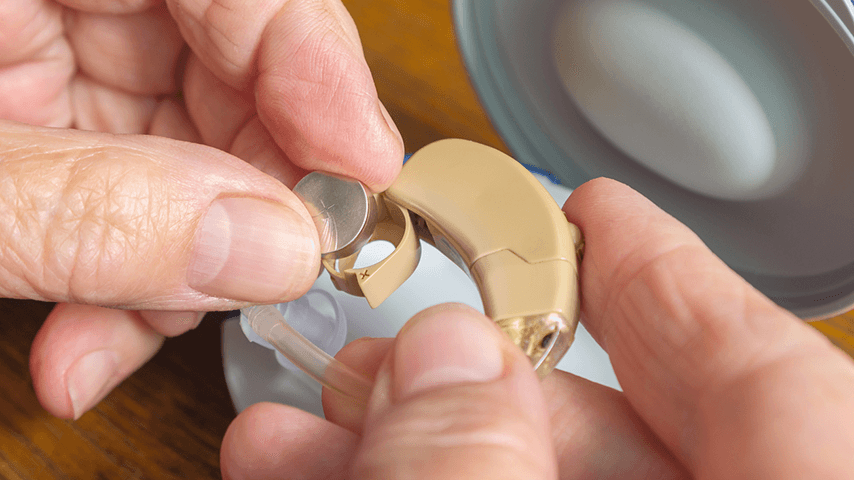
- Require physical maintenance like cleaning or new batteries
- Doesn’t cure or restore lost hearing ability
- Hearing aid Medicare coverage doesn’t usually exist
You can learn more about buying hearing aids in our articles about the Best Affordable Hearing Aids and How to Buy OTC Hearing Aids. You can also read about our favorite budget option in our Audien hearing aid review.
Frequently asked questions
What is the biggest benefit to wearing hearing aids?
The biggest benefit of hearing aids is the increased ability to hear conversations and other sounds, which also improves your ability to socially engage, navigate the world safely, and preserve your cognitive health.
Do hearing aids help prevent cognitive decline?
Yes, hearing aids can help prevent cognitive decline by keeping your brain stimulated through consistent auditory processing. When you hear less, your brain processes less, which can contribute to decline.
Do hearing aids help tinnitus?
Yes, hearing aids can help tinnitus by “recalibrating” the brain or by offering ambient sound options that can reduce the volume of tinnitus.
Are hearing aids worth it for mild hearing loss?
Yes, hearing aids are worth it for mild hearing loss because they can help slow down the progression of the loss and preserve your ability to hear certain decibel levels. Always speak with your doctor if you have any hearing loss concerns.
Sources
1. Fowler, B. The impact of phase on auditory situational awareness. Acoustical Society of America. Dec. 4, 2023. Found on the internet at https://pubs.aip.org/asa/poma/article/52/1/040009/3284503/The-impact-of-phase-on-auditory-situational
2. American Academy of Audiology. Listening Fatigue. Found on the internet at https://www.audiology.org/consumers-and-patients/hearing-and-balance/fatigue/
Check Your Hearing
Use Sony's free online hearing assessment to check your hearing in less than 5 minutes.