
Related Topics
Humans are social creatures, and staying connected to others is important at any age. For older adults especially, strong social connections with friends, family, and the community can support healthy aging by improving physical health, mental well-being, and overall quality of life.
Even though staying socially connected may become more challenging with age due to retirement, changes in mobility, loss, or fewer opportunities to meet new people, meaningful relationships are still possible at any stage in life, with the right support, planning, and tools, we can continue building strong connections, reducing feelings of isolation, and staying engaged in our communities.
How do social connections impact my physical health?
When we have strong relationships with people we care about, we tend to feel physically healthier.
According to research1 a lack of social connection has a significant impact on heart health. Those who reported poor social relationships had:
-
a 29% increase in risk of heart disease
-
32% increased risk of stroke.
People who have strong social ties can improve their chances of survival by 50%2.
The same research also shows that strong social connections are correlated with lower:
- Body Mass Index (BMI)
- A1C levels
- smoking rates2
Individuals diagnosed with cancer show an increased desire to live when they report strong social connections2.
How do social connections impact my mental well-being?
Not only do social connections positively impact our physical health, but they can also deeply affect our mental health and well-being. Those who report strong social connections saw a reduced risk in developing depression, anxiety, or PTSD2. Their ability to manage stress increased and their risk for cognitive decline diminished2. Furthermore, those with strong social relationships experience an increase in happiness and resilience3.
How do I overcome barriers to connecting with others?
Sometimes things get in the way of making or sustaining connections. As we age, our health and physical abilities may make it more difficult to get out and connect with others. We may experience social anxiety or discrimination. Or we may feel that our opportunities to connect have dwindled due to relocation or death.
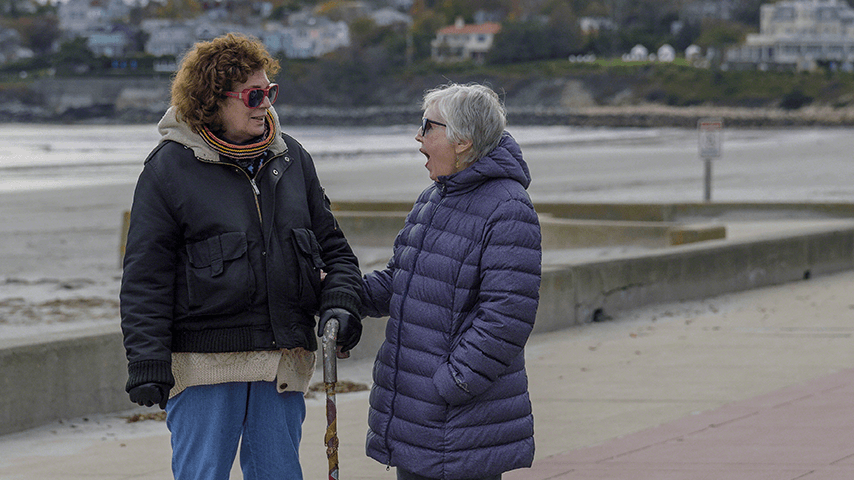
The good news is with a little bit of planning and work, many of these barriers can be overcome. If physical limitations or health challenges are a concern, you canuse assistive devices such as canes or walkers to help you move more easily with independence. If you’re still driving, consider applying for an accessible parking placard.
If you are no longer driving and have access to public transportation, you may be able to utilize door-to-door paratransit services, so you won’t need to walk long distances or wait at bus stops to receive a ride.
Other strategies can include receiving routine medical care, having your hearing and vision checked regularly, or signing up for a health education group or class.
If social anxiety is a challenge, consider connecting with a therapist to engage in cognitive behavioral therapy, also known as CBT. This type of therapy may include exposure therapy, where the patient faces the situation they fear through a structured plan with the support of the therapist, cognitive restructuring, where the inaccurate beliefs are challenged and reframed, relaxation techniques, and social skill building4.
If discrimination is a challenge, try seeking out like-minded organizations or groups you can connect with. A great place to start is your local senior center.
What are simple ways to build new social connections?
It’s sometimes hard to know where to begin when you have a new goal in mind. Try some of our simple strategies listed below to kickstart your social connection journey.
1. Say “Hello”
If you’re out and about try saying “hello” or offering a compliment to someone. Research shows that interactions with strangers can put people in a better mood and you might learn something new5.
2. Volunteer
If you have grandchildren close by investigate opportunities to volunteer at their school. You can also check your local library, faith-based community, senior center, or local attractions like museums. Volunteering has been shown to reduce stress and lead to lower rates of depression and anxiety for people 65 and older6.
3. Use Technology
Post-Covid the number of virtual social connection opportunities exploded and now you can find just about any type of group that meets virtually. From book clubs to master classes, you’re bound to find something that fits your interest that you can engage in from the comfort of your own home.
4. Try Something New
It might be a bit intimidating to put yourself out there and try something new. But you may end up making a new lifelong friend if you do. If you’ve always wanted to learn a new art, like painting, dance, or pottery, sign up for a class. If you’re interested in learning a new language sign up to audit a class at your local college or university. Or consider taking a cooking class, learning Tai Chi, or finding a local knitting group.
5. Conversation Starters
It can be intimidating to start a conversation with someone new. To help ease this anxiety try creating some “conversation starters.” These can be topics, questions or statements you can use to help get the conversation started.
For example, if you’re meeting someone new at your local senior center ask them what their favorite program or activity is. If you’re meeting new people at a restaurant, ask about what their favorite thing is to order at the restaurant, or within the cuisine if no one has been there.
With some planning and practice you can continue to reap the benefits of social connections leading to a happier, healthier life.
Sources
1. Our Epidemic of Loneliness and Isolation. U.S. Surgeon General Report. 2023. Found on the internet at https://www.hhs.gov/sites/default/files/surgeon-general-social-connection-advisory.pdf
2. The Connection Prescription: Using the Power of Social Interactions and the Deep Desire for Connectedness to Empower Health and Wellness. Found on the internet at https://pmc.ncbi.nlm.nih.gov/articles/PMC6125010/
3. Social Connection as a Critical Factor for Mental and Physical Health: Evidence, Trends, Challenges, and Future Implications. Found on the internet at https://pmc.ncbi.nlm.nih.gov/articles/PMC11403199/
4. Heimberg, R. G. Cognitive-behavioral therapy for social anxiety disorder: current status and future directions. Biological Psychiatry. January 2002. Found on the internet at https://doi.org/10.1016/s0006-3223(01)01183-0
5. BPS. Why you should talk to strangers. January 2024. Found on the internet at https://www.bps.org.uk/psychologist/why-you-should-talk-strangers
6. Thoreson Angela. Helping People, Changing Lives: 3 Health Benefits of Volunteering. Mayo Clinic Health System. August 2023. Found on the internet at https://www.mayoclinichealthsystem.org/hometown-health/speaking-of-health/3-health-benefits-of-volunteering