
Related Topics
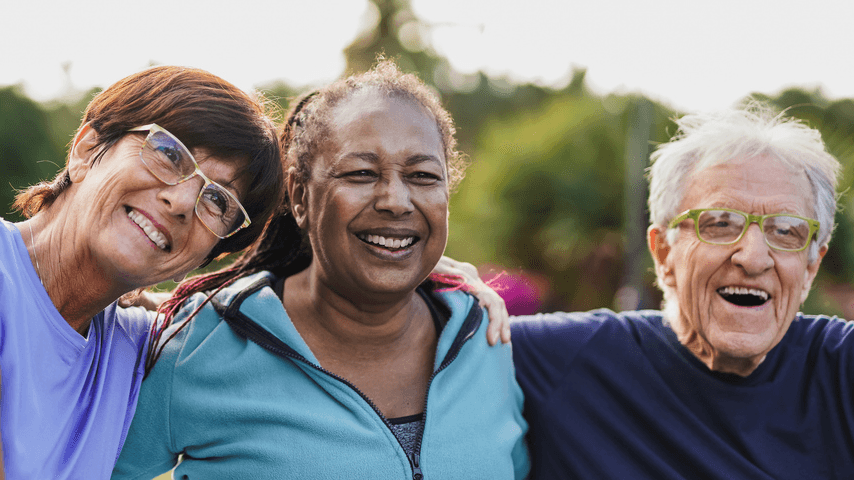
When we meet a new friend, something extraordinary happens to us both physically and mentally. No matter what our age, that feeling is vital to our physical, emotional, and mental well-being.
Why is friendship so important?
According to research, people who report having close friends are less likely to suffer from depression and are more satisfied with their lives.1 And they are less likely to die from all causes2 including heart disease and other chronic conditions.3
Friendships help us manage stress4 by reducing our negative responses to it. And when you need some motivation,5 turning to a friend can give you the jumpstart you need.
Why is it so hard to make friends as we get older?
As our life circumstances change with things like retirement or downsizing, our exposure to potential friends can decrease. Research shows that those who report having fair to poor physical health find it especially difficult to make friends.6 This could be due to physical limitations making it harder to get out and meet people.
We also become more selective as we age and often focus on trust over any other criteria.7 With age comes experience and a better understanding of what’s important to us. Knowing what we value in a friend can help guide our strategies for building new friendships. For example, if you value connections with people who are like-minded, engaging in activities where those people gather can make the process easier. This might mean:
- Joining a faith-based group or your local senior center
- Connecting to your local political party
- Joining a gym
- Taking a class at a local college
Lack of opportunities to connect and physical limitations may also be barriers. The good news is that with some creativity we can overcome these challenges.
What strategies can I use to make friends?
We sometimes shy away from the “risk” associated with meeting new people. But those risks can bring significant rewards, and a little creatively can go a long way. Here are some simple strategies to get you started.
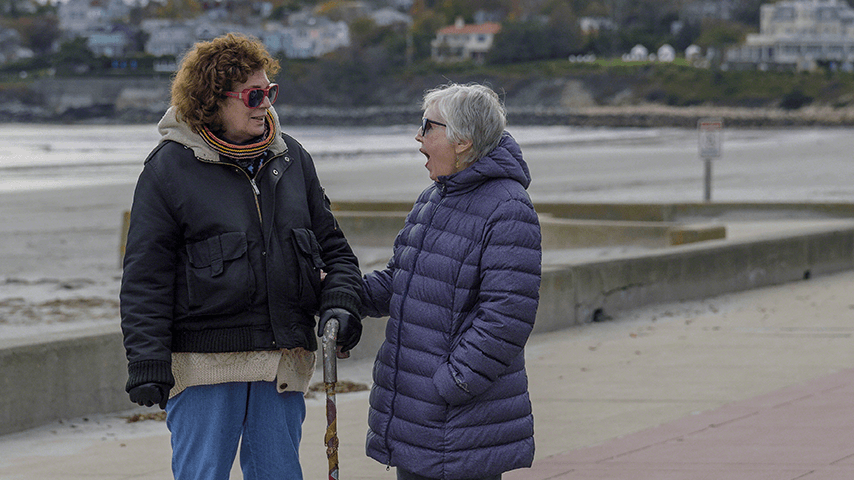
- Value small connections—small connections are things like a conversation with the cashier at the grocery store or saying hello to a neighbor on your morning walk. The more casual connections we have, the happier we are.
- Look for intergeneration opportunities—Investigate volunteer opportunities at your grandchild(ren)’s school or local library. Or try auditing a class at a local college. Intergenerational friendships can foster knowledge, empathy, and community.
- Consider virtual options—If transportation or physical limitations make it challenging to physically gather with others, be open to virtual options. You can find a virtual group for just about anything. Start with your local senior center or library for possibilities.
- Use technology wisely—Technology can be a vital tool to help older adults connect with others through apps and social media. It’s crucial to be aware of potential scams and recognize red flags like sudden closeness, secrecy, moving to a different platform, or asking for money.
- Practice—My dance teacher always tells us, “Practice makes permanence.” Start small by engaging in one interaction per day or four during the week. Create some conversation starter cards and select one to use each day.
- Keep safety in mind—No matter how you decide to engage potential new friends, make sure to be mindful about safety. If you’re going to a new place, let someone you trust know where you’ll be.
Friendships and social connections are imperative to our physical, emotional, and mental well-being. With creativity and practice, we can continue to build meaningful connections throughout our lives.
Sources
1. Choi, et al. An Exposure-Wide and Mendelian Randomization Approach to Identifying Modifiable Factors for the Prevention of Depression. The American Journal of Psychology. October 2020. Found on the internet at https://psychiatryonline.org/doi/10.1176/appi.ajp.2020.19111158
2. Holt-Lunstad, et al. Social Relationships and Mortality Risk: A Meta-Analytic Review. PLOS Medicine. July 2010. Found on the internet at https://journals.plos.org/plosmedicine/article?id=10.1371/journal.pmed.1000316
3. Andrew Steptoe, et al. Social isolation, Loneliness, and All-Cause Mortality in Older Men and Women. PNAS. March 25, 2013. Found on the internet at https://www.pnas.org/doi/full/10.1073/pnas.1219686110
4. Holt-Lunstad, et al. On the Importance of Relationship Quality: The Impact of Ambivalence in Friendships on Cardiovascular Functioning. Annals of Behavioral Medicine. June 2007. Found on the internet at https://academic.oup.com/abm/article-abstract/33/3/278/4569368
5. Berna Güroğlu. The Power of Friendship: The Developmental Significant of Friendships from a Neuroscience Perspective. Child Development Perspectives. June 2022. Found on the internet at https://academic.oup.com/cdpers/article/16/2/110/8222268
6. Sarah Patterson, PhD, MA. The Value of Friendships as We Age. Institute for Healthcare Policy and Innovation at University of Michigan. December 2024. Found on the internet at https://ihpi.umich.edu/national-poll-healthy-aging/national-findings/value-friendships-we-age
7. Kaytee Gillis, LCSW. Why Does Making Friends Get Harder as We Age? Psychology Today blog. June 7, 2024. Found on the internet at https://www.psychologytoday.com/us/blog/invisible-bruises/202406/why-does-making-friends-get-harder-as-we-age
Photo by Cynthia Abatt© all rights reserved for NCOA use only