
The Best Rechargeable Hearing Aids in 2026
Convenient and more powerful than ever, rechargeable hearing aids have many benefits. We tested them to find which offer the best features and value.
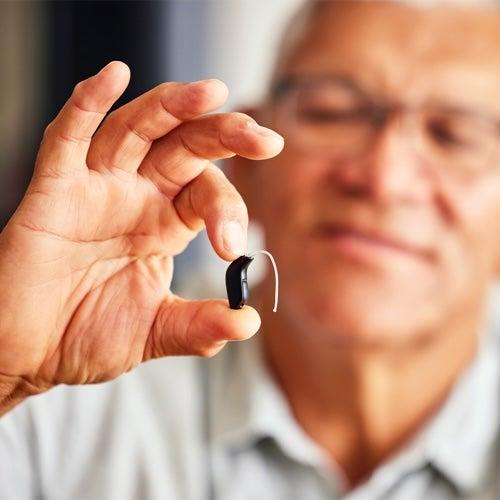
- We chose the Jabra Select M3 as the Best Rechargeable Hearing Aid because of its top performance in our testing. It offers 24 hours of battery life on a single charge, plus superior Bluetooth range and sound quality.
- The hearing aids in this guide range in cost from $389–$1,995 per pair.
- Rechargeable hearing aids may be a good option for people with vision, dexterity, or chronic pain concerns because they don’t require handling small disposable batteries.
- Jabra and Audien offer a long single-charge battery life of 24 hours.
- Hearing aid charging time can take anywhere from three to six hours.
We’ve spent more than 5,000 hours researching hearing aids to give you the most accurate product reviews. To find the best hearing aids, we:
- Consulted with audiologists, hearing instrument specialists, and aging care experts
- Put more than 50 hearing aids through a series of 21 different tests
- Mystery shopped more than 20 brands
- Surveyed hundreds of older adults who use hearing aids
- Interviewed experts on hearing loss
- Sent hearing aids to our friends and family with hearing loss to provide long-term testing notes
- Read thousands of verified customer reviews
We’re constantly testing new hearing aids to give you the most accurate and up-to-date recommendations. Read more about our hearing aid review methodology.
70+
Hearing aids tested
300+
Hearing aid users surveyed
77
Testing criteria


Best Overall
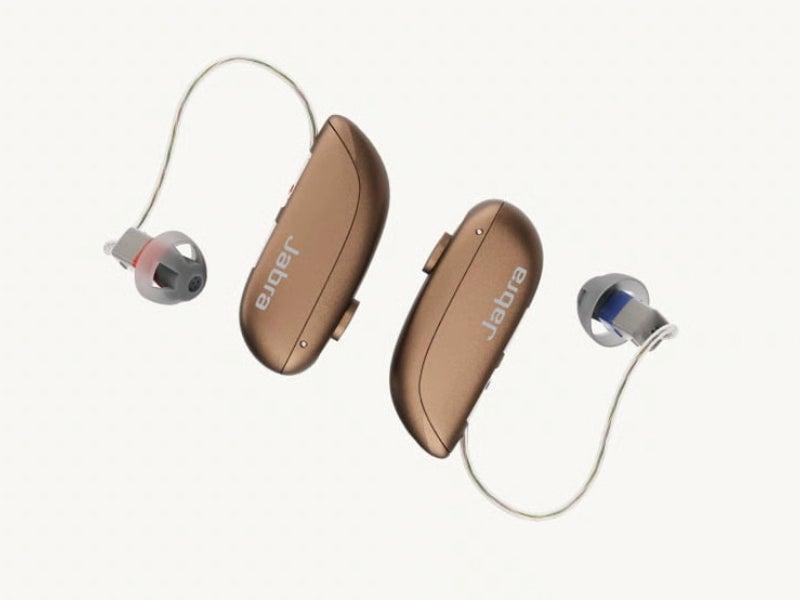
Jabra Enhance Select M3
24 hours of use on a single charge with a discreet, micro-RIC design
NCOA exclusive discount
$500 off the M3 with code NCOA500 (deal applied at checkout)
Best Affordable
Audien Atom X
One of six rechargeable hearing aid models; has a 72-hour battery life with charging case
Best Bluetooth
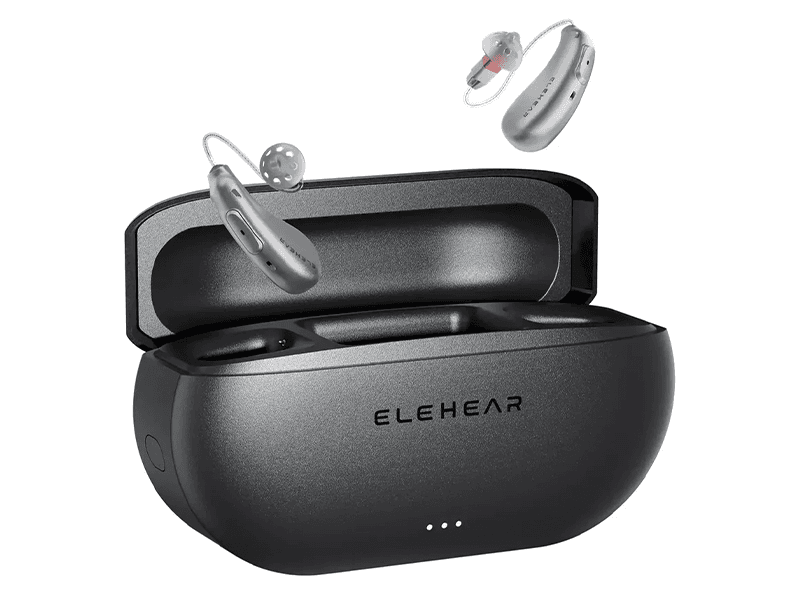
Elehear Beyond Pro
21-hour battery life and 4 full charges with case; 15 minute charge provides 6 hours of use
There’s a lot to consider when it comes to purchasing hearing aids. You may be wondering if you need a prescription or should consider the best over-the-counter hearing aids. Then there are different styles—like those that rest behind your ear or more discreet, nearly invisible hearing aids. But the factor that may make the biggest difference might surprise you. Respondents to a recent survey of hearing aid owners rated rechargeable batteries as the feature with the most positive impact.1 The technology is still relatively new, but finding the best rechargeable hearing aids on the market today can have many benefits.
Rechargeable hearing aids really only became widespread within the last decade. Because the rechargeable power source stays inside the hearing aid and doesn't need to be replaced, you don’t need to buy, store, change, or dispose of the tiny zinc batteries that traditionally powered hearing aids. Instead, you place the entire hearing aid into a case to charge overnight. There are pros and cons to rechargeable hearing aids. But if you are considering them, you’ll want to read about how we selected the best OTC rechargeable models and what our testing revealed about battery life, features, and more.
Our picks for the best rechargeable hearing aids
- Jabra Enhance Select M3: Best Overall
- Audien Atom X: Most Affordable
- Elehear Beyond Pro: Best Bluetooth
- Yeasound RIC800 Plus: Best Battery Life
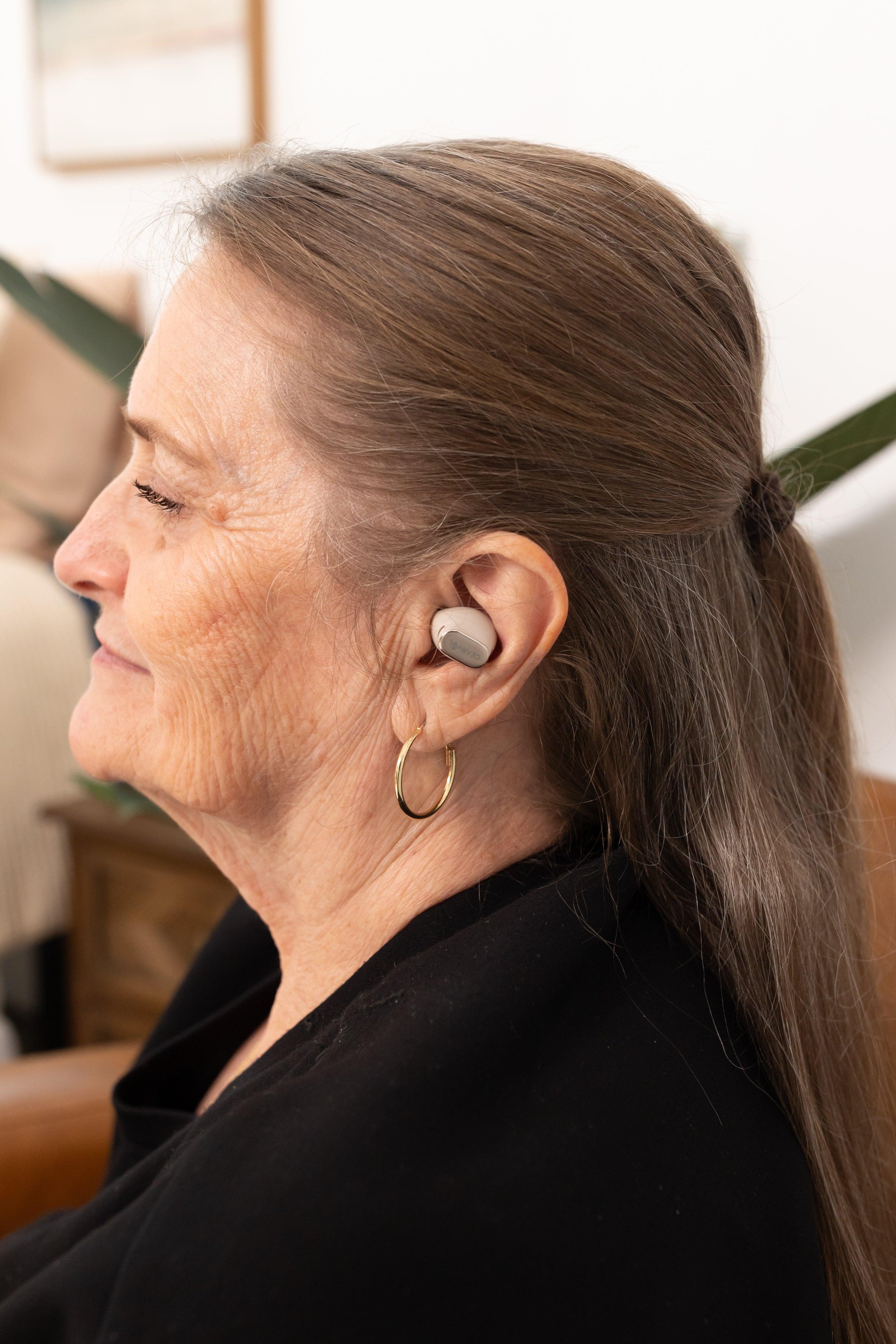
- Cearvol Wave: Best In-the-Ear
The best rechargeable hearing aids of 2026 compared
| Comparison Features | |||||
|---|---|---|---|---|---|
| Our rating (out of 10) | 9.9 |
9.1 |
9.3 |
8.9 |
9.3 |
| Trial period (days) | 100 |
45 |
45 |
100 |
45 |
| Battery life (hours on single charge) | 24 |
24 |
20 |
23 |
10 |
| Bluetooth | Yes |
No |
Yes |
Yes |
Yes |
| Hearing aid type* | RIC |
ITE |
RIC |
RIC |
ITE |
*RIC: Receiver-in-ear; ITE: In-the-ear
How we tested the best rechargeable hearing aids
We tested the following features when choosing the best rechargeable hearing aids:
Jabra Enhance Select M3: Best Overall
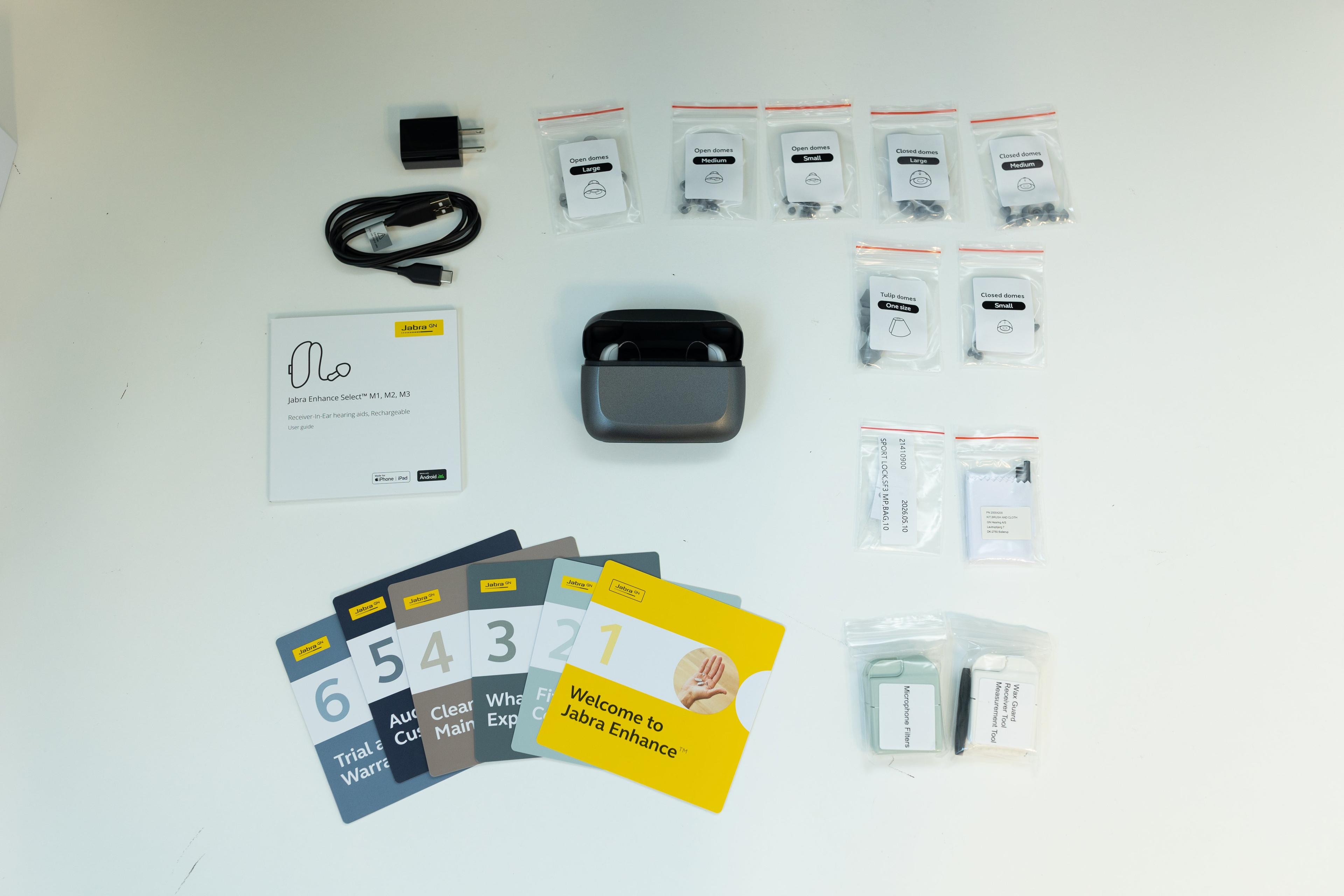
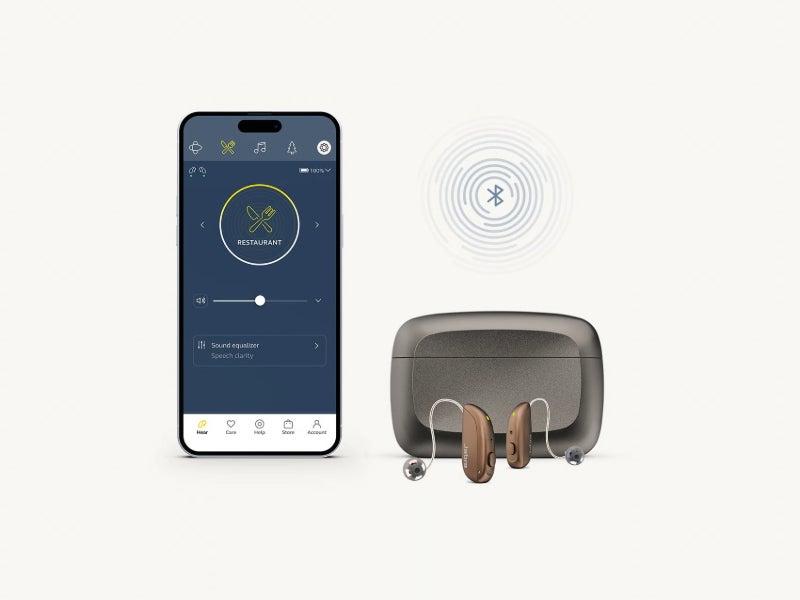
We chose the Jabra Enhance Select M3 as our top pick. It combines natural-sounding audio with advanced features and the brand’s smallest profile yet. The M3 and its app earned a near-perfect overall score in our testing and offer a good value with a three-year warranty. It was also our top pick in our roundup of the best hearing aids.
Jabra Enhance Select M3
Best OverallNCOA exclusive discount
$500 off the M3 with code NCOA500 (deal applied at checkout)
NCOA exclusive discount
$500 off the M3 with code NCOA500 (deal applied at checkout)
- Jabra Enhance Review
- Available in six colors
- Jabra’s smallest, most lightweight hearing aid
- Bluetooth LE and Auracast compatible
- SoundScapeTM technology with AutoFocus
- Cost per pair: $1,995
- Type of hearing aid: Micro RIC
- Rx or OTC: OTC
- Battery type: Rechargeable
- Bluetooth compatible: Yes
- Trial period: 100 days
Pros
- Comfortable, discreet design
- Clear, natural sound quality
- Strong noise reduction and speech focus
- Long battery life on a single charge (case holds another three charges)
- Strong Bluetooth range and sound quality with tap control
Cons
- Smaller sizes may pose issues for people with dexterity concerns
- Controls require using the app and a smartphone
- Some users may have trouble hearing voices from far away
- App connection may take a few tries during setup
- Comes with many small parts but no dedicated storage case for them
Audien Atom X: Most Affordable
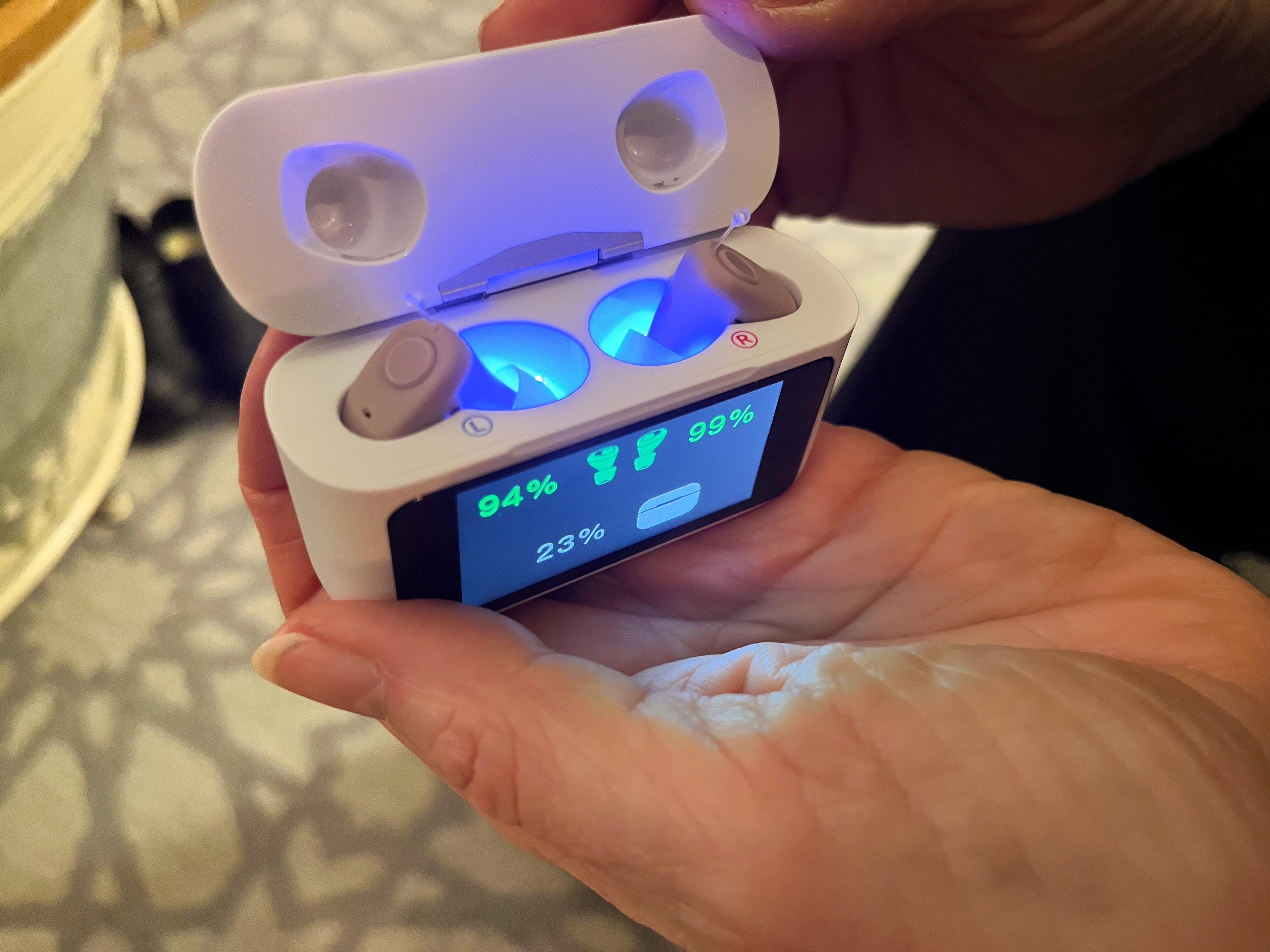
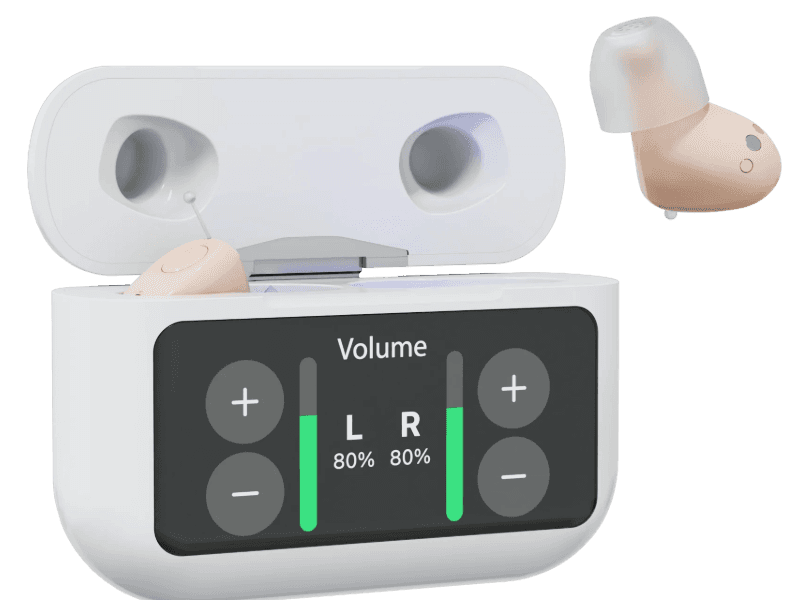
The Audien Atom X is the lowest-priced hearing aid on our list by far. This ITE style hearing aid is discreet and comfortable. It has a long battery life, and comes with a charging case that stores extra power. The Atom case also UV cleans your devices, and can be used to control them. These features earned Audien a top spot on our list of the most affordable hearing aids.

- Audien Review
- Most affordable option on this list
- Discreet design and comfortable fit
- Controlled from charging case, not an app
- Cost per pair: $389
- Type of hearing aid: ITE
- Rx or OTC: OTC
- Battery type: Rechargeable
- Bluetooth compatible: No
- Trial period: 45 days
Pros
- Low price compared with other similar hearing aids
- Small, lightweight, and discreet
- Rechargeable with on-the-go charging
- Case offers UV cleaning and touchscreen for controlling hearing aids
Cons
- No app for changing settings
- Controls are built into the charging case
- Sound at a distance may not be clear
- Noise cancellation could be better in loud spaces
Elehear Beyond Pro: Best Bluetooth
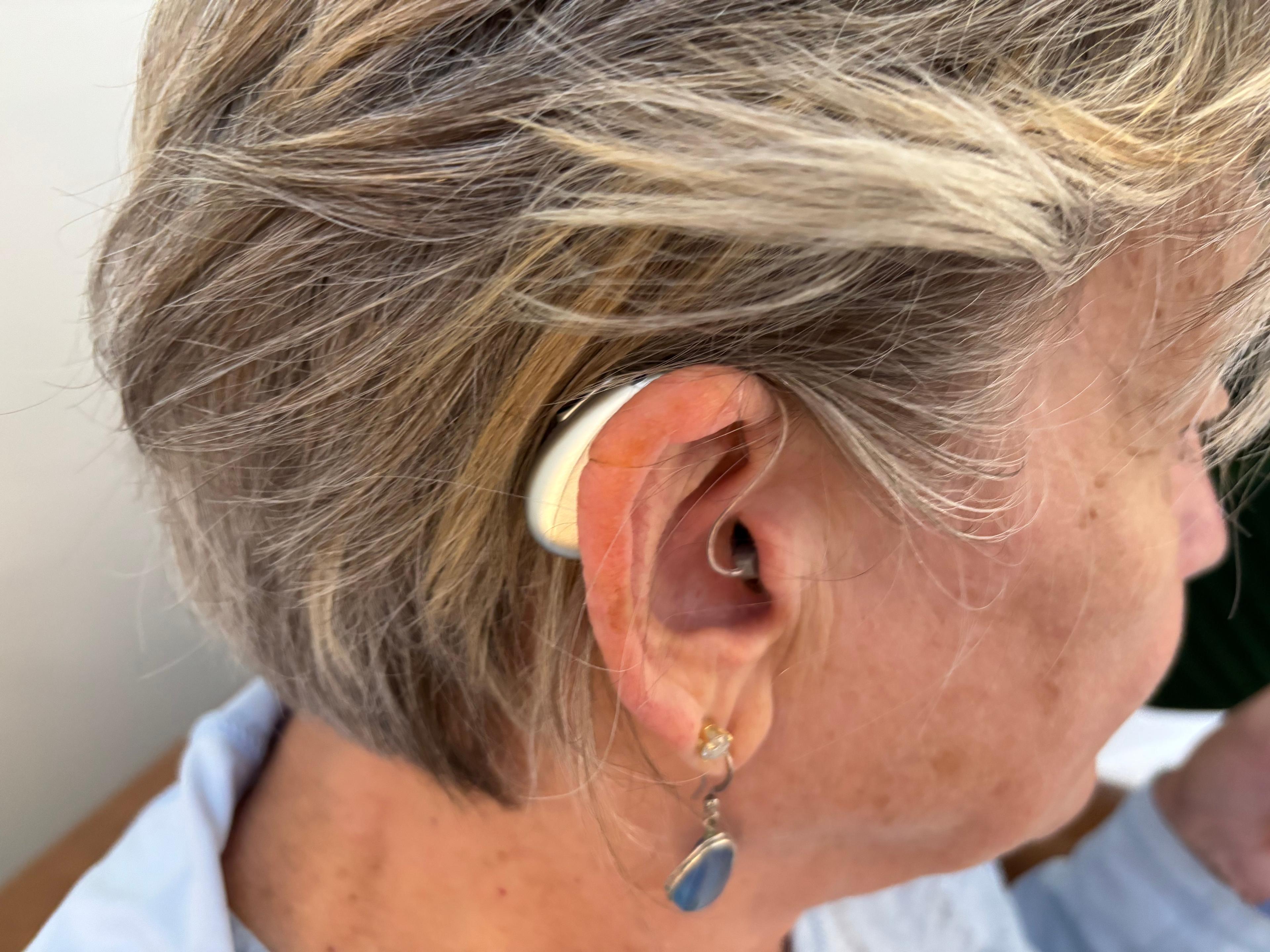
The Elehear Beyond Pro stands out for its strong Bluetooth features. It allows users to stream music and calls and includes app controls for volume, tone, and sound settings. It also offers clear sound, noise control, and real-time AI translation. Our testers found it to be a good choice for people who want more from their hearing aids than basic amplification.
- Elehear Review
- Strong, stable Bluetooth connection
- Tinnitus relief features
- AI noise reduction
- Cost per pair: $649
- Type of hearing aid: BTE
- Rx or OTC: OTC
- Battery type: Rechargeable
- Bluetooth compatible: Yes
- Trial period: 45 days
Pros
- Simple Bluetooth pairing and app setup
- Clear sound and strong noise cancellation
- Many ways to adjust volume, tone, and sound settings
- Tinnitus relief features
Cons
- Can sound loud when first turned on
- Sound is less clear at a distance
- No dedicated outdoor listening setting
- Design is not as discreet as some other hearing aids
Yeasound RIC800: Best Battery Life
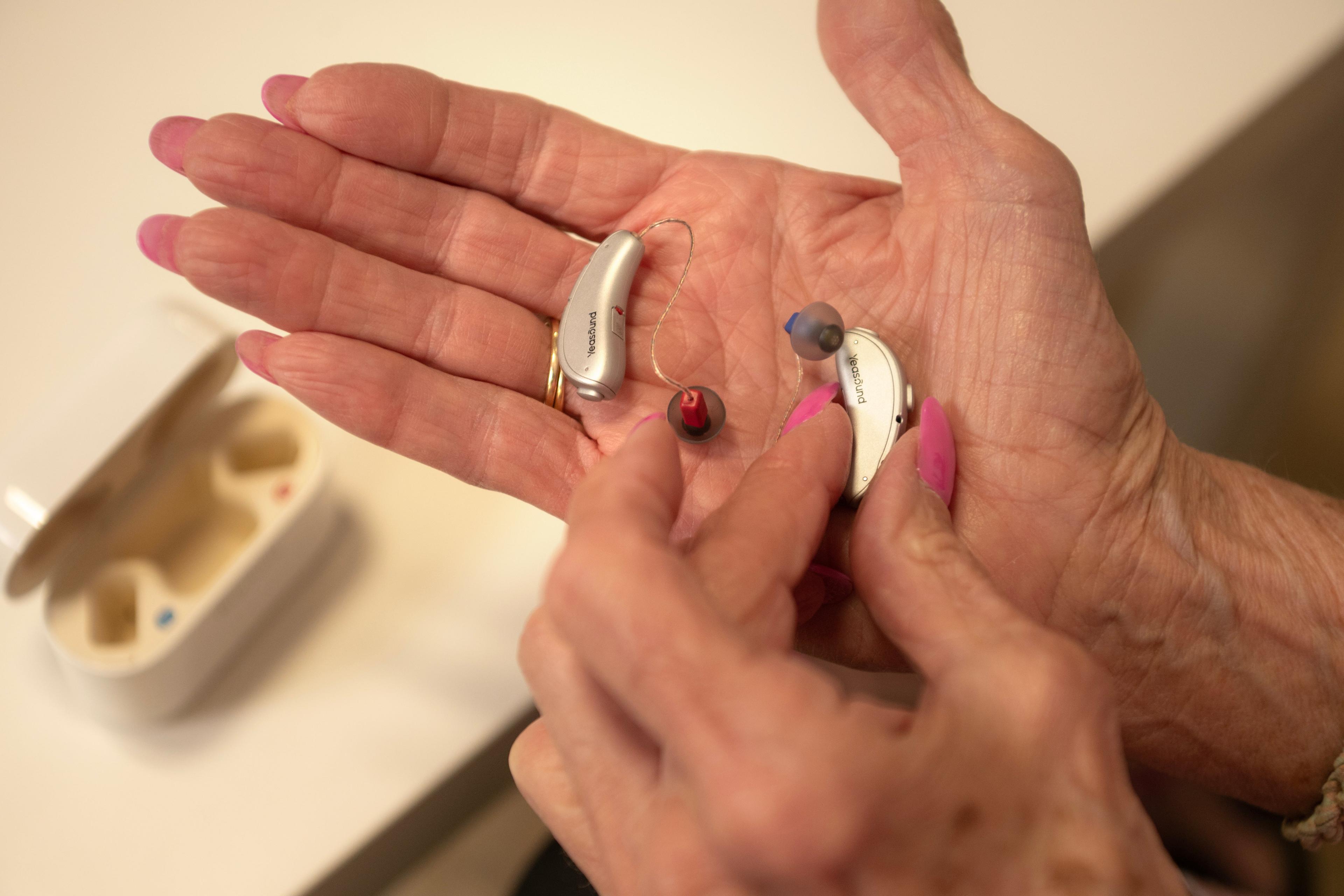
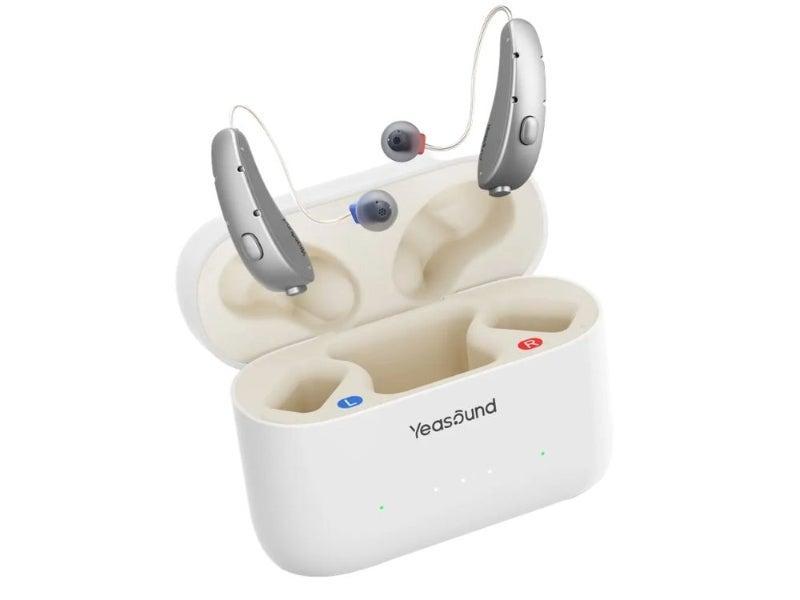
The Yeasound RIC800 has a long-lasting battery, making it a good option for people who do not want to worry about frequent charging. It also offers Bluetooth streaming, AI noise reduction, and remote hearing support, giving you useful features for everyday listening.
- Yeasound Review
- 23-hour battery life per 3-hour charge
- Bluetooth streaming for calls and music
- Tinnitus relief features
- Cost per pair: $549
- Type of hearing aid: BTE
- Rx or OTC: OTC
- Battery type: Rechargeable
- Bluetooth compatible: Yes
- Trial period: 100 days
Pros
- Long battery life, even when streaming
- On-the-go charging case
- Resists moisture and dust
- Remote audiologist and AI support
Cons
- Sound can be less comfortable in noisy settings
- Some testers noticed a tinny or echo-like sound
- Glasses or sunglasses may affect the fit
Cearvol Wave: Best In-the-Ear
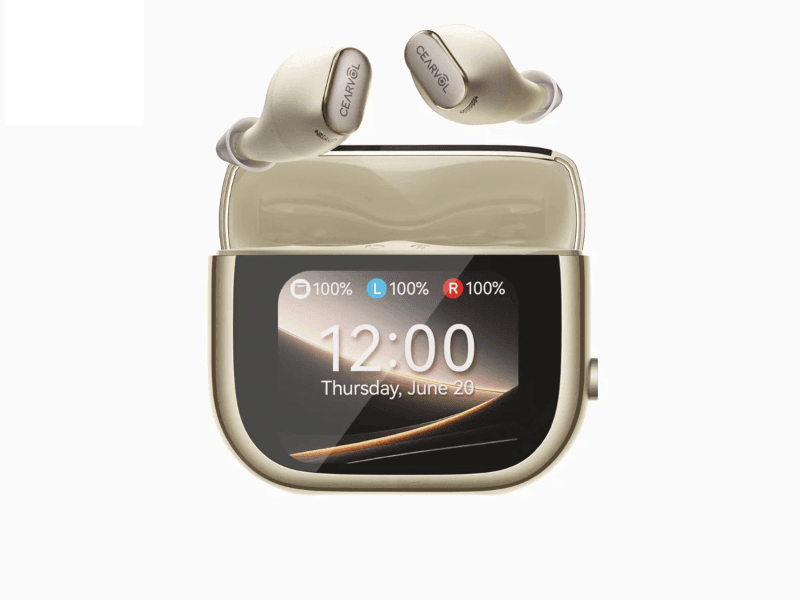
We chose the Cearvol Wave as our Best In-the-Ear Hearing Aid because it combines strong noise control with good distance hearing in a small, earbud-style design. Its remote mic, Bluetooth streaming, and several ways to control the settings make it a useful choice for people who want hearing support without a traditional behind-the-ear design.
- Cearvol Review
- AI-powered noise control
- Touchscreen charging case
- Bluetooth streaming
- Cost per pair: $497
- Type of hearing aid: ITE
- Rx or OTC: OTC
- Battery type: Rechargeable
- Bluetooth compatible: Yes
- Trial period: 45 days
Pros
- Earbud-style design limits ambient noise
- Strong distance hearing
- Good noise reduction in busy places
- Bluetooth audio streaming
Cons
- Not as discreet as some ITE models
- Fit could feel too large for some
- Nearby voices could sound too loud
- Your own voice may sound amplified or echoey
How do rechargeable hearing aids work?
Modern rechargeable hearing aids work a lot like wireless earbuds. They feature built-in lithium-ion batteries (the same type used in smartphones) that charge without needing to be removed from the device.
“Rechargeable batteries are a great option in hearing aids, and I always recommend them when possible,” said Sarah Lundstrom, AuD, FAAA, a board certified audiologist at HearCare Audiology & Tinnitus Center, which has several locations in Florida. “Placing the device in the charger is usually much easier than replacing the small batteries, especially if you have vision or dexterity problems.”
Are there prescription rechargeable hearing aids?
Many prescription hearing aids now come with built-in rechargeable batteries. Instead of changing disposable batteries, you place the hearing aids in a charging case or dock when you are not wearing them. Most rechargeable prescription hearing aids can last all day on a full charge, though battery life varies by model and how often you stream audio.
Rechargeable hearing aids are available in many styles and for different levels of hearing loss, including models for severe and profound hearing loss. A hearing care professional can help you choose a model based on your hearing test, lifestyle, and need for features such as Bluetooth streaming, noise reduction, and tinnitus support.
How do you charge a rechargeable battery?
Hearing aids with rechargeable batteries, like Ceretone hearing aids, can be charged overnight in their case. Some cases hold a certain number of charges, while others require plugging in.
“Most people charge them while they sleep and can wear the hearing aid all day,” said Lundstrom. “With rechargeable devices, you don't have to worry about the battery running out on you in the middle of your day as long as you are charging the hearing aid each night,” she said.
Disposable vs. rechargeable hearing aids
Disposable and rechargeable hearing aids mainly differ in how they are powered. Disposable hearing aids use replaceable batteries that typically last several days to a few weeks, depending on the model and how often you use it. You need to keep spare batteries on hand and replace them when they run out. Rechargeable hearing aids have a built-in battery that you recharge in a case or dock, usually overnight. Many provide enough power for a full day, but streaming music, calls, and other audio can use more battery power.
The two types can also differ in size, design, and how you manage them while traveling. Disposable batteries can be convenient when you are not near an electrical outlet. Rechargeable models mean carrying a charger instead of spare batteries, and may lose some capacity over time. Disposable batteries create more waste and have to be disposed of properly, not simply thrown in the garbage. When choosing between the two, consider your daily routine, how often you stream audio, and whether you prefer changing batteries or charging your hearing aids each night.
Different types of rechargeable cases
Charging your rechargeable hearing aids is simple: Pop them into the case and let them power up. But there are several options available, and it pays to know the differences:
- Standard: These cases require an outlet to charge, as they plug into the wall.
- Portable: Many brands offer cases that can hold a charge (or several) for on-the-go charging when an outlet isn’t available.
- Self-sanitizing: Some hearing aid cases, such as the Audien Atom Pro 2, now feature UV light to sanitize the devices while they charge.
Pros and cons of rechargeable hearing aids
Rechargeable hearing aids represent a big advancement in technology, but they may not be right for everyone who wears hearing aids. Here are some things to consider:
Rechargeable hearing aid pros
- Predictability: Rechargeable hearing aids are more predictable. You rarely have to worry about the battery running out in the middle of your day if you charge it at night.
- Cost-effective: Rechargeable hearing aids are usually more cost-effective. “Disposable batteries cost extra (about $1 per battery) and need to be properly recycled after use,” said Lundstrom.
- Convenience: Rechargeable hearing aids are convenient. “You can buy disposable batteries at a lot of places, but you have to stay organized about purchasing and replacing them,” said Lundstrom.
- Ease of use: Rechargeable hearing aids may be better for those with vision or dexterity concerns, as they can be charged in a case and don’t require you to change out tiny batteries.
- Eco-friendly: Rechargeable hearing aids are more environmentally friendly. “Rechargeable batteries are better for the environment, both in manufacturing and post-use waste,” said Lundstrom.
Rechargeable hearing aid cons
- Size: Rechargeable hearing aids tend to be larger than those with disposable batteries. “If someone wants a very small invisible-in-canal (IIC) hearing aid, they may need to use a disposable battery,” said Lundstrom.
- Charging time: Rechargeable hearing aids require charging. They are not plug-and-play like disposable batteries. Some can take several hours to charge, so if you forget, you’ll be without hearing aids for that long.
- Battery life: The average battery life of a disposable hearing aid is longer than that of a rechargeable one. So a traditional hearing aid’s batteries may last several days, compared to a maximum of 24 hours for a rechargeable hearing aid. Also, experts we spoke with said rechargeable batteries lose about 20% of their charge after about three years. You may need to replace rechargeable hearing aids more frequently in the long run.
- Maintenance: Rechargeable hearing aids are all-in-one devices, so if something goes wrong with the battery, the entire aid needs to be repaired or replaced.
- Cost: Rechargeable hearing aids have a higher upfront cost.
Who should consider rechargeable hearing aids?
Rechargeable hearing aids can be a good choice for many reasons. Here are a few people who may want to consider them:
- People with vision problems, dexterity issues, or chronic pain may prefer rechargeable hearing aids and not having to handle small parts like disposable batteries.
- Those who like a routine. Rechargeable hearing aids need to be charged every night, so it helps to have a daily routine that you can incorporate into your charging schedule. If you travel often or camp and won’t always have ready access to outlets, rechargeables may not be your best bet.
- People who use Bluetooth streaming a lot. Rechargeable batteries can better handle the higher power demands of audio streaming than disposable ones.
- Anyone who values convenience. Rechargeable hearing aids will cost you slightly more upfront, but you won’t have to worry about buying, storing, or disposing of disposable batteries.
Rechargeable hearing aid prices
Yes, rechargeable hearing aids tend to cost more upfront. But they offer many other advantages. And one of those is not having to buy (or dispose of) disposable batteries.
“The amount you spend on disposable batteries varies depending on their size, how you use and care for them, and other factors,” said Lundstrom. “In general, hearing aid batteries need to be changed at least once per week.” Battery prices can vary a lot, but if, for example, you bought a 16-pack at Walmart for $16, that would last you eight weeks. That means you’d be paying $104 every year for batteries alone.
Audicus is a hearing aid brand offering many of its hearing aids in both disposable and rechargeable models. Audicus charges an additional $100 for the rechargeable option. If you keep your rechargeable hearing aids for more than a year, they will be worth the extra upfront cost.
How to save money on rechargeable hearing aids
Rechargeable hearing aids do tend to cost several hundred dollars more than those with disposable batteries, but there are ways to save. Many brands offer sales or provide financing options, rebates, or other incentives. There are also resources for people who need financial assistance to purchase hearing aids, including:
- The nonprofit Hearing Aid Project of America publishes a searchable directory of state, national, and international resources.
- Some Lions Clubs have programs providing free or low-cost hearing aids. Contact your local chapter to learn more.
- If you’re a veteran whose hearing loss is service-related, you may qualify for free hearing aids through the U.S. Department of Veterans Affairs.
- The Indian Health Service may provide free or low-cost hearing aids for tribal members.
- You can also check with your state’s Department of Rehabilitation Services to see if they can help you cover the cost.
- Check NCOA’s BenefitsCheckUp® to find benefits in your area.
Tips for extending the battery life of your rechargeable hearing aids
Rechargeable hearing aids typically last three to six years. Over time, the batteries will hold noticeably less charge and need to be replaced. That means replacing the entire hearing aid. Some manufacturer warranties will cover battery replacement. If yours does, you can have the battery replaced before the end of your warranty period. These other tips may also help extend the life of your rechargeable hearing aid batteries.
- “Keep up on hearing aid maintenance,” said Lundstrom. Properly cleaning and drying them in between uses will help extend the life of your hearing aid and battery.
- Keep your charger clean and dry. Do not store it in your bathroom or in other wet or humid locations.
- Lithium-ion and lead-acid batteries should not be fully drained before recharging.
- Avoid extreme temperatures. Using or storing rechargeable lithium-ion batteries in extreme temperatures has been shown to shorten battery life.2
Frequently asked questions
What is the longest-lasting rechargeable hearing aid?
In our review, the rechargeable hearing aids with the longest battery life (24 hours on a single charge) are the Jabra Select and Audien Atom lines.
How much do rechargeable hearing aids cost?
The hearing aids in this guide cost between $98–$2,699 per pair. On average, rechargeable hearing aids may cost several hundred dollars more per pair upfront than hearing aids that use disposable batteries. But you won’t have to purchase batteries for them, which will save you money after about a year.
How long do rechargeable hearing aids last?
Rechargeable hearing aids can last up to 24 hours on a single charge, and many models can be recharged multiple times from their cases. Many rechargeable hearing aids use lithium-ion batteries, which will degrade over time. Their lifespan is three to six years.
Can rechargeable hearing aid batteries be replaced?
Rechargeable hearing aid batteries tend to be lithium-ion batteries that last three to six years. They are not designed to be replaced. If a battery goes bad or your device outlives it, a manufacturer or hearing specialist may be able to replace the rechargeable battery for you.
Where can I buy rechargeable hearing aids?
Many brands carry at least one style of rechargeable hearing aid. You can purchase them over-the-counter or through an audiologist or other hearing specialist.
How long do rechargeable hearing aid batteries last?
Most rechargeable hearing aids provide a full day of use (16–24 hours) on a single charge. This allows users to charge the devices overnight for use each day. You will need to replace rechargeable batteries every three to six years.
Questions? Email us at reviewsteam@ncoa.org