

Many of us notice more disruptions to our sleep as we get older, whether it’s having trouble drifting off, waking up earlier than we used to, or getting up several times during the night. While some sleep changes can happen naturally with aging, others may be linked to health conditions, medications, stress, or lifestyle habits.
Understanding how sleep changes with age can help you take steps to improve your nightly rest. In this guide, we’ll look at the basic mechanics of sleep, how sleep affects our health, and why getting high-quality slumber is vital to aging well.
What is a sleep cycle?
A sleep cycle is the pattern our body moves through while we sleep each night. Rather than staying in one steady state of sleep, our brains and bodies cycle through different stages many times overnight. Each cycle typically lasts about 80 to 100 minutes.
There are two main types of sleep:
- Non-REM sleep includes lighter and deeper stages of sleep:
- Stage 1: This is the light sleep stage where your body begins transitioning from being awake to asleep. Heart rate and breathing slow down, muscles loosen, and body temperature drops.
- Stage 2: During this stage, you’re fully asleep as your heart rate, breathing, and body temperature continue to slow down.
- Stage 3: Known as deep sleep or slow-wave sleep, this stage is when your body repairs tissues, strengthens the immune system, and releases important hormones. Most deep sleep happens during the first half of the night.
- REM sleep is the stage associated with dreaming. It usually begins about 90 minutes after we fall asleep. During this stage, brain activity increases, dreams become more vivid, and the brain processes emotional experiences and memories. REM sleep also plays an important role in learning and cognitive function.
Together, the different sleep stages allow our bodies to recharge while supporting important brain functions.
“Getting good sleep helps older adults with memory, mood, and overall health,” Raj Dasgupta, MD, told VerywellHealth. “It supports heart health, boosts the immune system, and keeps energy levels steady. Well-rested people are also less likely to have falls or accidents because their focus and coordination improve.”
But as the years go by, changes in our sleep patterns can make restful, rejuvenating sleep harder to come by.
How does aging affect sleep?
Sleep patterns naturally shift as we get older. For example, even if you were once a night owl, you may start feeling tired earlier in the evening and waking up earlier in the morning.
Other ways aging affects sleep include:
- Lighter sleep: Instead of long stretches of deep, uninterrupted sleep, you may find yourself waking up several times during the night. Even small disturbances—like a neighbor’s barking dog or room temperature changes—can interrupt your sleep more easily than they did in your younger years.
- Chronic health conditions: Older people are more likely to be living with chronic pain, arthritis, sleep apnea, mental health issues, and restless legs syndrome (RLS)—all of which can contribute to poor sleep or daytime fatigue. Some medications used to treat chronic conditions have side effects that can make sleep problems worse. These include antidepressant medications (e.g., SSRIs), beta blockers, and diuretics.
In some cases, sleep problems develop gradually and may not seem serious at first. But over time, insufficient, fragmented sleep can affect your mood, energy levels, memory, concentration, and overall quality of life.
What conditions affect sleep as you age?
Aging is not the sole culprit behind sleep problems in older adults. Often, an underlying medical condition or untreated sleep disorder is contributing to the issue. Identifying the root cause is an important first step toward improving your sleep and protecting your long-term health.
Below are some of the health problems that can trigger sleep disturbances.
Insomnia
Insomnia is one of the most common sleep problems among older adults. It involves difficulty falling asleep, staying asleep, or waking up too early and not being able to fall back asleep. Some people with insomnia also feel tired or unrested during the day, even after spending enough time in bed. Chronic insomnia can affect memory, mood, and concentration, and may increase daytime fatigue and our risk of falls.
According to the Journal of Clinical Sleep Medicine, among surveyed adults age 60 and older who reported sleeping difficulties, as many as 20% met the criteria for an insomnia diagnosis.1,2
Sleep apnea
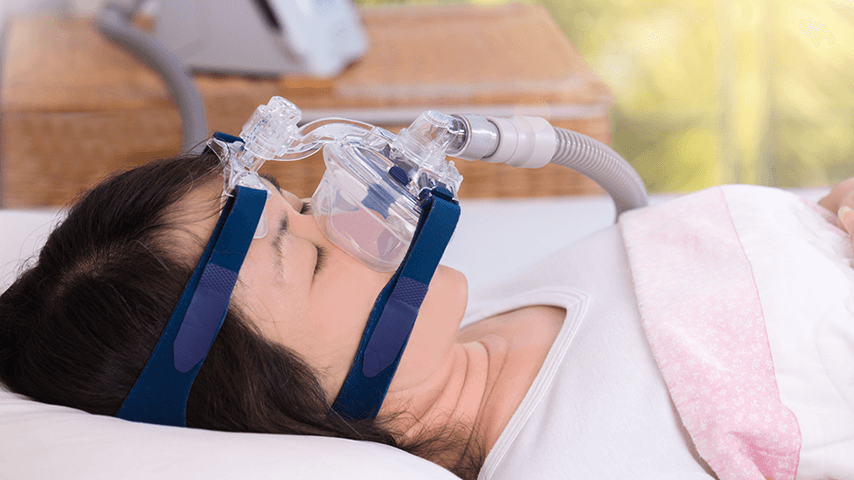
Sleep apnea is a condition in which breathing repeatedly stops and starts during sleep. The most common type, obstructive sleep apnea, occurs when the airway becomes partially or fully blocked during sleep.
People with sleep apnea may snore loudly and wake up gasping for air. They often feel groggy during the day, even after a full night in bed. This condition becomes more common with age and is associated with higher risks of heart disease, stroke, high blood pressure, and memory problems if left untreated. One study revealed that 56% of people age 65 and older face an elevated risk of developing obstructive sleep apnea.3
Pain
Chronic pain can make it hard to get comfortable enough to fall asleep and stay asleep. Conditions like arthritis, back pain, nerve pain, and joint problems occur frequently in older adults, and may become more noticeable at night when the body is still.
Pain and sleep problems often combine to create a vicious cycle. Pain disrupts sleep, and poor sleep can make pain feel worse the next day. Over the course of weeks and months, ongoing sleep disruption may also make you feel irritable and sluggish.
Nighttime urination
Nighttime urination, also called nocturia, is a frequent reason older adults wake up during the night. Age-related changes in the bladder and kidneys can lead to more nighttime bathroom trips. Certain medical conditions, including diabetes, high blood pressure, vascular disease, and bladder issues, may also increase nighttime urination. Waking up even once or twice per night can interrupt the sleep cycle and make it harder to feel rested the next morning.
Restless leg syndrome (or RLS)
RLS causes uncomfortable sensations in the legs along with a strong urge to move them, especially during periods of rest. These feelings are often described as crawling, tingling, pulling, or aching.
Symptoms of RLS tend to worsen in the evening and can make it tough to relax and fall asleep. This condition is seen more frequently in older adults and may be linked to nerve damage or low levels of iron in the brain.
What happens if you don’t get enough sleep?
Your body needs optimal sleep to properly regenerate and leave you feeling refreshed. While an occasional restless night happens to nearly everyone, ongoing sleep deprivation can have serious consequences over time.
Poor sleep affects your:
- Brain health: Sleep plays a vital role in memory, learning, and overall brain function. Persistent sleeplessness can negatively impact your concentration and thinking skills, and may increase your risk of cognitive decline and Alzheimer’s disease.
- Mental health: Constant lack of sleep can make it harder to regulate your emotions and cope with everyday stress. You may feel irritable and more easily overwhelmed. People who do not get enough sleep are also more likely to experience symptoms of anxiety and depression
- Heart health: Chronic sleep deprivation has been linked to an elevated risk of high blood pressure, high cholesterol, heart disease, and other circulatory problems.
- Metabolic health: Not getting enough rest may interfere with how your body processes blood sugar, increasing your risk for type 2 diabetes.
- Immune system: Sleep helps support your body’s natural defenses against illness and infection. Without enough of it, your immune system may not function as effectively.
- Pain sensitivity: Sleep deprivation can increase your sensitivity to pain, making discomfort feel stronger or harder to manage.
- Energy and motivation: Inadequate sleep can leave you feeling drained, sluggish, and less motivated to stay active or engaged in daily activities. In time, this can affect your social connections and quality of life.
Since sleep affects so many aspects of our health and well-being, persistent sleep problems should never be ignored.
Aging and poor sleep don’t have to go hand in hand
What if your sleep problems persist, despite your best efforts? It’s time to talk to your health care provider or a sleep specialist. Ongoing sleep problems may suggest an underlying medical condition or sleep disorder. With the right support and treatment, sweeter dreams may be right around the corner.
Explore our 6 sensible sleep tips for older adults.
Frequently asked questions (FAQ)
Is it normal to need less sleep as you get older?
Not exactly. Older adults generally still need about seven to nine hours of sleep per night—similar to the sleep needs of younger people. But aging often changes sleep patterns, causing lighter sleep, earlier wake times, and more nighttime awakenings. That means we need to be aware of the effects of aging on sleep and be more mindful of our sleep habits.
Why do I wake up so much earlier now that I’m older?
Aging can shift our body’s internal clock, causing many older adults to feel sleepy earlier in the evening and wake earlier in the morning. Changes in sunlight exposure, declining activity levels, and hormone production may also play a role in changing sleep patterns.
What are the most common medical reasons for poor sleep in older adults?
Common causes of sleeplessness include insomnia, sleep apnea, chronic pain, nighttime urination, restless legs syndrome, anxiety, depression, and side effects from medications.
When should I be worried that my sleep issues are a sign of something more serious?
You should speak with your doctor if sleep problems are affecting your daily life or causing extreme daytime fatigue. It’s also a good idea to seek help if you’re experiencing symptoms like loud snoring, pauses in breathing, confusion, depression, or memory problems.
How can I sleep better as I age?
Healthy sleep habits can help improve the duration and quality of your sleep, no matter your age. Try these tips for sounder sleep:
- Keep a regular sleep schedule. That means going to bed and waking up at roughly the same time each day.
- Limit caffeine late in the day. Coffee, alcohol, and some sleep aids can disrupt your sleep quality and make nighttime awakenings more likely. Keep in mind that caffeine can remain in the body for 10 to 12 hours. You should also avoid heavy meals before bedtime.
- Stay physically active. Exercising earlier in the day can boost your mood and give you more exposure to natural sunlight. This helps your brain recognize daytime and supports a healthier sleep-wake cycle.
- Be social. Make it a point to stay connected with family and friends. When in-person visits aren’t feasible, phone and video calls are the next best thing.
- Create a calming bedtime routine. This helps your body wind down for sleep. Consider relaxing activities like journaling, reading, or listening to soothing music. You should also limit use of your digital devices and avoid social media or stressful news late in the evening.
- Create a cool, quiet sleeping environment. Aim to keep your bedroom cool, comfortable, and free from digital distractions. Ideally, your brain should associate your bed and bedroom with sleep and relaxation—not work, eating, or scrolling on your phone.
Sources
1. Patel, D. et. al. Insomnia in the Elderly: A Review. Journal of Clinical Sleep Medicine. June 15, 2018. Found on the internet at https://jcsm.aasm.org/doi/10.5664/jcsm.7172
2. Barrera-Leon, R. Insomnia in older adults: a review. January 9, 2025. Found on the internet at https://www.ccjm.org/content/92/1/43#:~:text=Insomnia%20is%20a%20disturbance%20in,%2C%20irritability%2C%20and%20cognitive%20dysfunction
3. American Academy of Sleep Medicine. Study Finds High Rate of Undiagnosed Sleep Apnea in Older Adults. May 11, 2018. Found on the internet at https://foundation.aasm.org/aasm-foundation-study-published-jags/