
COVID vs. RSV Symptoms: How to Tell the Difference
8 min read


Related Topics
If you’ve had a cough that just won’t quit this fall, you’re not alone. Viruses like COVID, RSV, and the flu are making the rounds again—and many of them can feel surprisingly similar. You may wonder, Is this just a cold? Or could it be something more serious?
The truth is it’s not always easy to tell. COVID-19 and RSV (respiratory syncytial virus) share many symptoms and spread in similar ways. But they’re caused by different viruses and pose different risks, especially for older adults. Knowing how they differ, and how to protect yourself, can help you stay well through the winter months and beyond.
What is COVID-19?
COVID-19 is caused by the SARS-CoV-2 virus, which first appeared in late 2019 and has since circulated worldwide. It continues to evolve, with new variants emerging each year.
The virus that causes COVID spreads mainly through respiratory droplets—tiny particles released when someone coughs, sneezes, talks, or even breathes. You can also catch it by touching a contaminated surface (like a countertop) and then touching your mouth, nose, or eyes.
COVID symptoms vary widely. Some people have only mild, cold-like symptoms, while others develop severe respiratory problems.
Common symptoms include:
- Fever and/or chills
- Cough
- Sore throat
- Fatigue
- Body aches (including headache)
- Shortness of breath
- Loss of taste or smell
- Congestion or runny nose
- Nausea, vomiting, diarrhea
Mary K., a nurse, noted that COVID impacts everyone differently. Sharing her story with RWJBarnabas Health, she explained, "I never had a cough, but the tipping point for me came when I was terribly weak and debilitated with vomiting, diarrhea, and constant fever. When I finally went to Newark Beth Israel, my oxygen was very low and my lungs were inflamed. They admitted me, and I stayed in the hospital for six days; I was on oxygen the whole time."
Older adults and people with chronic health conditions (e.g., heart disease, diabetes, or lung disease) continue to be at higher risk for serious COVID complications. These can include acute respiratory failure; acute liver, kidney, or heart injury; pneumonia; blood clots; and chronic fatigue. Some people—roughly 6% of U.S. adults1—experience lingering symptoms that last for weeks, months, or even years. This is known as long COVID.
What is the respiratory syncytial virus (RSV)?
Respiratory syncytial virus (RSV) is another common virus that infects the lungs and airways. Most people are exposed in childhood, but you can get it later in life, too. As many as 180,000 older Americans are hospitalized for RSV each year2, and roughly 10,000 lose their lives due to RSV complications.3
In the Mayo Clinic Connect forum, one user shared their harrowing story: "RSV really did me in—almost as bad as when I got COVID three years ago. I was also shocked. As an ER RN, I've seen it in pediatrics but never in an adult until this year. It took four weeks to start to feel better, then another two to very slowly increase my activity to avoid those post-exertional crashes.”
RSV spreads the same way as COVID, through droplets and close contact.
Symptoms of RSV usually start out mild, resembling a cold:
- Runny or stuffy nose
- Cough
- Sore throat
- Mild fever
- Fatigue
- Loss of appetite
For most adults, RSV resolves within a week or two. But for older adults and people with chronic heart or lung disease, it can lead to more serious issues like pneumonia and bronchiolitis. RSV can also worsen existing conditions like chronic obstructive pulmonary disease (COPD) or congestive heart failure.
Every year, RSV sends tens of thousands of older Americans to the hospital. Yet because its symptoms mimic a cold or COVID, many people don’t realize what they have.
Key differences between COVID and RSV
Here’s a quick comparison of the two viruses and how they differ:
|
COVID |
RSV | |
|
Cause |
SARS-CoV-2 virus |
Respiratory syncytial virus |
|
Common symptoms |
Cough, body aches, fatigue, sore throat, loss of smell or taste |
Congestion, wheezing, shortness of breath, cough |
|
Complications in older adults |
Pneumonia, blood clots, long COVID |
Pneumonia, bronchiolitis, worsening of heart or lung conditions |
|
Testing |
Rapid or PCR test for COVID |
Nasal swab (RSV-specific or combo panel) |
|
Vaccine |
Yes – Personal decision made with health care provider |
Yes – Adults age 75+, high-risk adults age 50-75 |
The biggest difference between COVID and RSV is that COVID tends to affect the whole body, causing fatigue, muscle pain, and sometimes even neurological effects. In contrast, RSV primarily targets the lungs and airways.
COVID vs. RSV: Which one do you have?
Unfortunately, there’s no way to know for sure based on symptoms alone. Even health care providers can’t always tell the difference without testing.
Many clinics and pharmacies now offer combination tests that check for COVID, RSV, and flu at the same time using a single nasal swab. If you feel under the weather and you’re not sure what’s causing it, testing can eliminate guesswork and allow you to take the right steps to feel better.
Testing early matters. Some treatments, like antivirals for COVID, work best within the first five days of symptoms. Knowing your diagnosis quickly also helps you take steps to avoid spreading the virus to others.
How COVID and RSV are treated
Treatment for both COVID and RSV depends on how severe your symptoms are.
Treatment for COVID
- If you test positive, talk to your health care provider right away. Antiviral medications like Paxlovid or Lagevrio can help you avoid severe illness and hospitalization. But they must be started early to be effective.
- Rest up and drink plenty of fluids. If you find it necessary, take over-the-counter medications (e.g., ibuprofen, acetaminophen) to reduce your fever or relieve congestion.
- If symptoms worsen, get immediate medical help. For example, you have difficulty breathing, persistent chest pain, or confusion.
Treatment for RSV
- Most cases of RSV can be managed at home with rest, fluids, and OTC medications. A small humidifier can help ease coughing and congestion.
- Since RSV is a virus, antibiotics won’t help unless a bacterial infection (e.g., pneumonia) develops as a complication.
- Give your doctor a call if symptoms last more than a week or suddenly get worse. You may need a hospital visit to get IV fluids or supplemental oxygen. It’s particularly important to monitor your RSV symptoms if you have a chronic heart or lung condition.
While both COVID and RSV can pose a danger to older people, early care and monitoring can make a big difference in symptoms and recovery.
Prevention is your best protection against COVID and RSV
If there’s a bright side to all this talk about COVID and RSV, it’s that both viruses are preventable to some degree by taking the steps below.
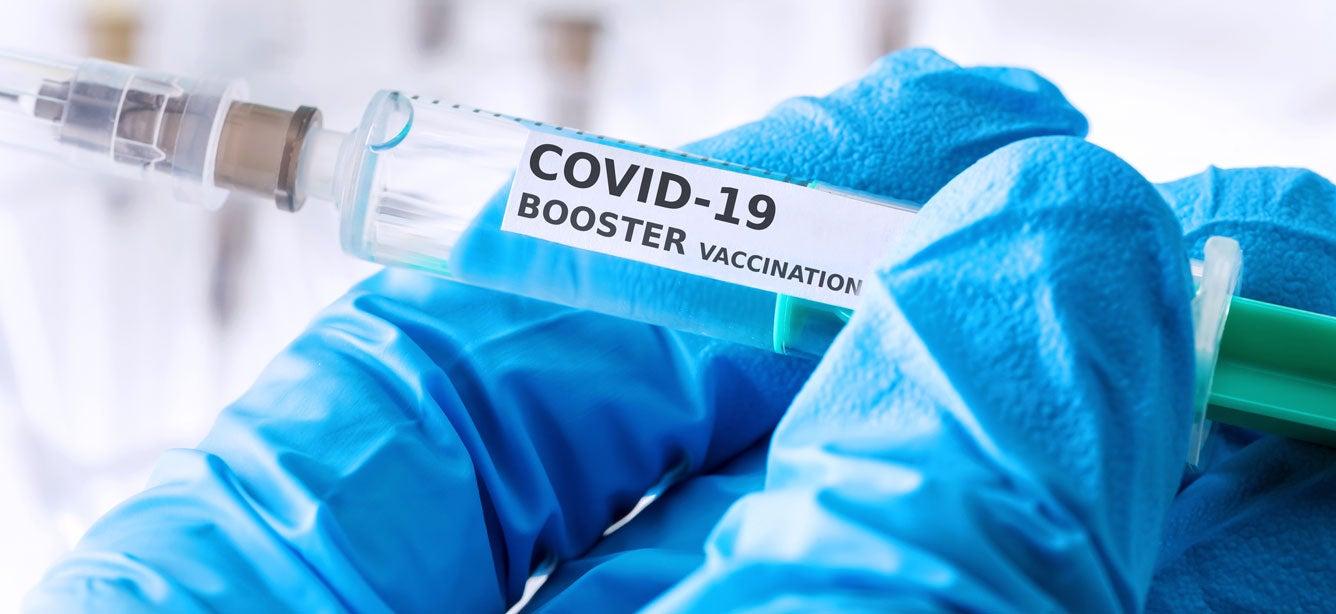
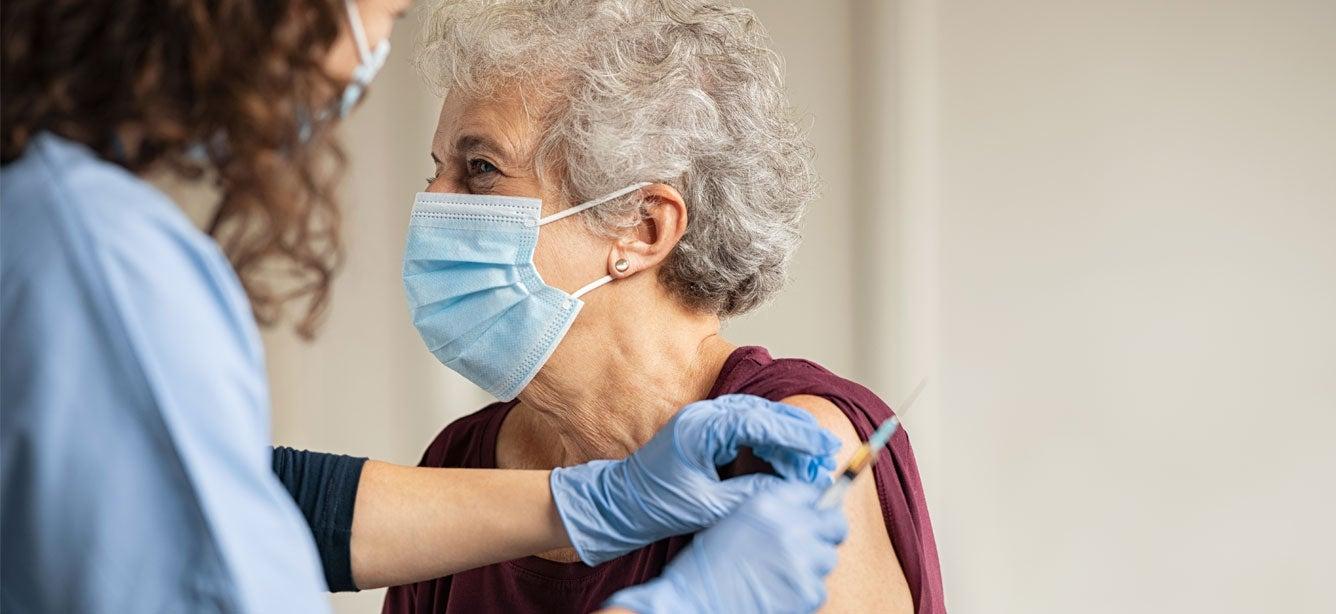
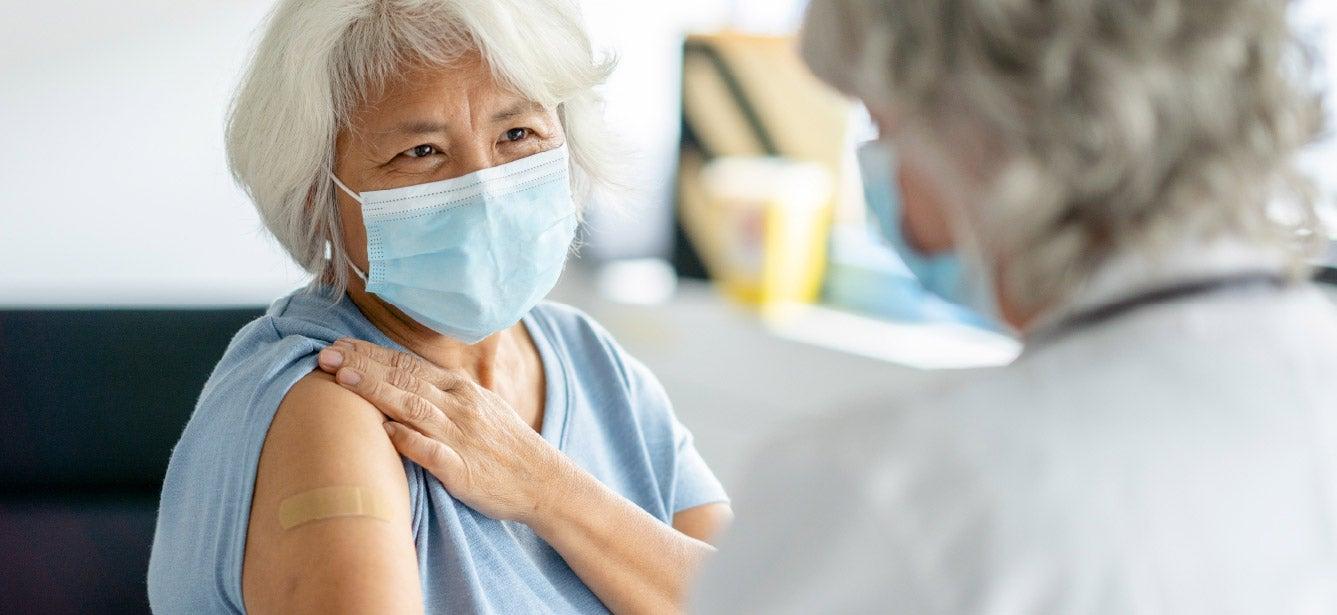
Vaccination against COVID and RSV is a simple but powerful way to reduce your risk of severe illness, hospitalization, and death from these dangerous respiratory viruses. This is especially true if you're over 60 or you have an underlying chronic health condition.
- COVID: An updated 2025-2026 COVID vaccine is available to protect against current variants. COVID vaccination for anyone age 6 months+ is considered a personal decision to be made with a health care provider. NCOA recommends the COVID shot for older adults as a safe, effective way to protect health and independence.
- RSV: The Centers for Disease Control and Prevention (CDC) recommends a single-dose RSV vaccine for all adults age 75+ and adults age 50-74 who have risk factors for severe RSV. The RSV shot is not an annual one; if you’ve already received yours, you don’t need to get another one for the time being.
- Flu: A flu shot each year adds another layer of protection, and you can often get all three vaccines (COVID, RSV, flu) at the same visit. For the 2025–2026 flu season, CDC recommends a single-dose flu vaccine for children, pregnant women, and adults.
All three vaccines are 100% covered by Medicare in 2025, meaning you should pay no out-of-pocket costs when you receive your shot.
Make these healthy habits part of your routine:
- Wash your hands often (with soap and water for at least 20 seconds), especially before eating or touching your face.
- Keep your distance from people who are sick as much as possible.
- Consider wearing a mask in crowded indoor settings during peak virus season (October through April).
- Keep your indoor air fresh and circulating freely by opening windows or using air purifiers.
I’m sick – now what?
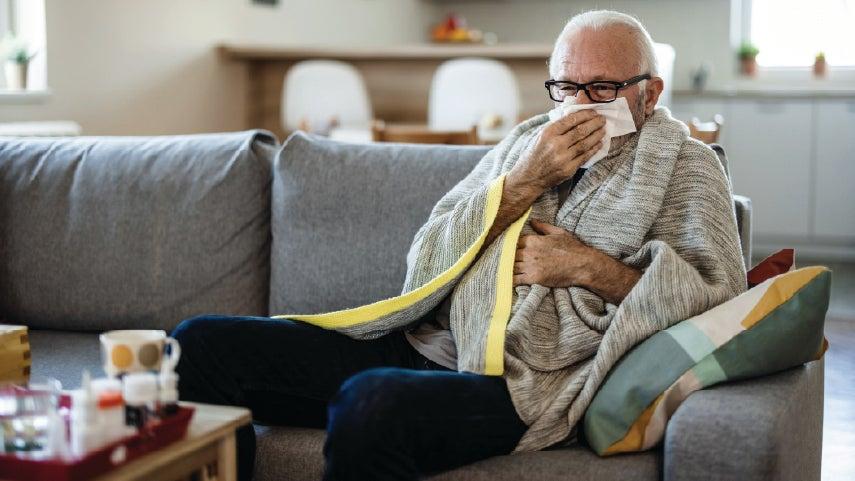
If you come down with a respiratory illness, take it seriously—especially if you’re in a higher-risk group.
- Stay home and rest: Don’t ignore the signs and try to push through it. Your body needs energy to recover.
- Call your health care provider: Let them know your symptoms and ask if they recommend testing or antiviral treatment.
- Monitor your breathing: If you start to experience shortness of breath, chest pain, confusion, or a high fever, seek emergency care immediately.
- Keep others safe: Cover your coughs and sneezes, wash your hands often, and avoid close contact until you’re feeling better. The people you care about will thank you for it.
Be proactive about your health
COVID and RSV overlap in many ways, but they’re not the same illness. COVID often causes whole-body symptoms and can lead to long-term effects (like long COVID). RSV mainly affects the lungs and airways, posing greater risks for older adults with heart or lung conditions.
That’s why prevention and early action are so important.
“You can take charge by staying current on your vaccines and practicing basic good hygiene, like wearing a mask in crowded spaces,” advised Dorothea Vafiadis, Senior Director of NCOA's Center for Healthy Aging. “And if you start feeling unwell, don’t wait—talk to your health care provider and get tested. A little knowledge and common sense can go a long way in keeping you and your household illness-free this season.”
Sources
1. CIDRAP. Study: 6% of US adults have long COVID, and many have reduced quality of life. December 20, 2024. Found on the internet at https://www.cidrap.umn.edu/covid-19/study-6-us-adults-have-long-covid-and-manyhave-reduced-quality-life
2. Centers for Disease Control and Prevention (CDC). RSV in Older Adults and Adults with Chronic Medical Conditions. Found on the internet at https://www.cdc.gov/rsv/older-adults/
3. American Lung Association. RSV in Adults. Found on the internet at https://www.lung.org/lung-health-diseases/lung-disease-lookup/rsv/rsv-in-adults
Funding for This Resource Made Possible By Our Partner
Tracking COVID-19
With the situation around the COVID-19 pandemic changing rapidly, NCOA is helping you stay informed and follow public health guidelines to protect yourself and those around you. Learn more about the latest tips and advice.