
What Are the Signs and Symptoms of RSV in Adults?
6 min read

Related Topics
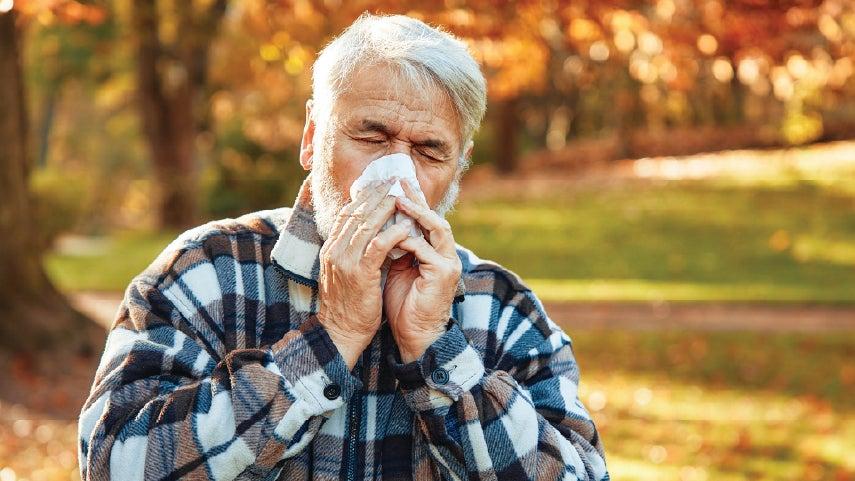
The most common signs and symptoms of respiratory syncytial virus (RSV) in adults include a cough, runny nose, sore throat, congestion, fatigue, fever, and wheezing. While this illness often causes mild, cold-like symptoms, it can pose a serious health threat to older adults and lead to hospitalization and complications like pneumonia.
In this guide, you'll learn how to recognize RSV symptoms in older adults, when to seek medical care, who is most at risk for severe illness, and how vaccination and other preventive steps can help protect you and the people you care about.
What is RSV and how does it spread?
RSV is a common respiratory virus that affects the lungs and airways. Most people have it as children, but anyone can get infected at any age. For healthy adults, RSV usually feels like a run-of-the-mill cold. But for others, it can lead to more serious problems like pneumonia or bronchiolitis—and even death. According to the American Lung Association, roughly 10,000 older adults die from RSV-related complications each year.1
Like the flu and COVID, RSV spreads easily from person to person through respiratory droplets produced from coughs, sneezes, and talking. You can also catch it by touching something with the virus on it, like a doorknob or shopping cart, and then touching your face. RSV is more likely to spread from October through March, when we’re spending more time indoors with others.
Since RSV is a common childhood illness that most kids get before the age of two, children tend to be “superspreaders.” When they bring the virus home from daycare or school, they can easily transmit it to their parents and grandparents.
What are the symptoms of RSV in adults?
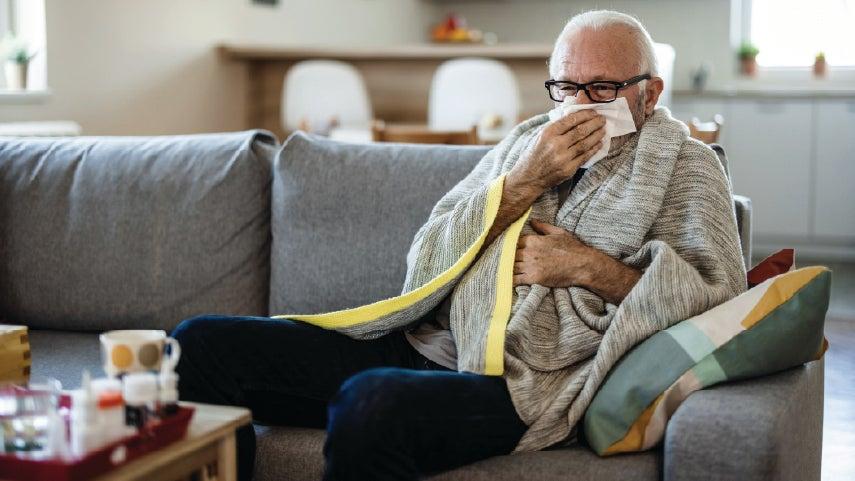
RSV symptoms in adults are usually similar to those of a common cold. They may include:
- Runny or stuffy nose
- Sore throat
- Cough
- Headache
- Fatigue or weakness
- Mild fever
- Loss of appetite
These symptoms usually appear four to six days after exposure to RSV and last about one to two weeks. Most adults recover fully with rest and fluids. But some may develop worsening symptoms that signal a more serious infection.
New York-based pediatrician Donald Schuessler, MD, was caught off guard with his RSV diagnosis. “This past summer, I got a viral respiratory infection. I started feeling worse and worse and finally I went and had a nasal swab. I had RSV,” he explains in a video shared by the Alliance for Aging Research. “I was very uncomfortable and miserable for about 10 to 12 days, but some people die from this.”
Susan led an active lifestyle, including keeping up with her young grandkids. But when a cough persisted for over a month, she became concerned. The cough grew worse, and she noticed she was wheezing. Still, Susan was shocked when an RSV test came back positive. "I thought RSV was something children got and never thought it could happen to me at my age,” she writes on the National Foundation for Infectious Diseases website. “I didn’t realize it could be severe even for adults."
While mostly recovered, Susan continued to experience coughing for a full 10 months after the onset of her illness. Today, she's a patient advocate helping other older adults understand the serious health risks posed by RSV.
Who is most at risk for severe RSV?
While anyone can catch RSV, certain adults are more likely to develop severe and even life-threatening illness. This includes people age 75 and older. That’s because as we age, our immune system works less efficiently, making it more difficult to fight off infections.
“One thing we want to shout from the rooftops is that RSV isn’t just a childhood illness,” said Dorothea Vafiadis, NCOA Senior Strategist for Healthy Aging. “It can make adults very sick as well, and that risk increases with age and any underlying health conditions. You can protect yourself and others by learning the symptoms, practicing good basic hygiene, and talking with your doctor about getting the RSV vaccine.”
| Signs of Severe RSV in Older Adults | |
| Shortness of breath |
Racing heartbeat |
| Bluish tint to lips or fingers | High fever |
| Severe wheezing / worsening cough |
Extreme exhaustion or weakness |
| Disorientation or confusion |
Dehydration (e.g., dry mouth) |
Other risk factors for severe RSV include:
- A weakened immune system (e.g., due to cancer treatment)
- Chronic lung disease like asthma or chronic obstructive pulmonary disorder (COPD)
- Other chronic conditions like heart, kidney, and liver disease; severe diabetes; severe obesity
- Living in a nursing home or other long-term care facility where viruses tend to spread rapidly
Knowing the signs of severe RSV can help you prevent serious complications that require medical care or hospitalization.
What are the symptoms of severe RSV in adults?
Signs of severe RSV include:
- Shortness of breath or difficulty breathing
- Bluish tint to lips or fingers (sign of low oxygen)
- Severe wheezing or worsening cough
- Disorientation or confusion
- Racing heartbeat
- High fever
- Extreme exhaustion or weakness
- Dehydration (dry mouth, dizziness, decreased urination)
RSV can lead to pneumonia, worsening of chronic conditions (like asthma or COPD), and even hospitalization in some cases. If breathing becomes difficult or your RSV symptoms get worse rather than better, don't try to tough it out. Call your doctor or seek medical care right away—early intervention can prevent serious health consequences.
How do doctors diagnose RSV?
Your health care provider can diagnose RSV by evaluating your symptoms and performing a simple physical exam. Since RSV can look a lot like the flu or COVID, they might order a nasal or throat swab to confirm an infection.
Testing helps rule out other illnesses and ensures you get the right care, especially if you’re in a high-risk group.
How is RSV treated in adults?
There’s no specific antiviral treatment for RSV in most adults. The best approach is supportive care—managing symptoms and giving your body time to recover. Most mild symptoms resolve in one to two weeks.
Below are simple ways you can manage RSV symptoms:
- Get plenty of rest and drink fluids to stay hydrated.
- Use over-the-counter medications (e.g., acetaminophen or ibuprofen) to manage fever and pain if needed.
- Use a humidifier or saline spray to ease nasal and chest congestion.
If your RSV symptoms are acute, you may need a visit to the hospital to get oxygen or IV fluids. People with weakened immune systems may receive antiviral medications, but this is uncommon.
It’s important to watch your RSV symptoms closely, especially if you have a heart or lung condition. This ensures you can get medical help early if things take a turn for the worse.
How can you tell RSV from a cold, flu, or COVID-19?
RSV, influenza, and COVID-19 can cause many of the same symptoms, so you usually can't tell which virus you have based on symptoms alone. Testing can help determine whether you have RSV, COVID-19, or another respiratory infection.
Who should get the RSV vaccine?
There are three RSV vaccines approved by the Food and Drug Administration (FDA) to help prevent severe RSV-related illness and hospitalization in adults. The Centers for Disease Control and Prevention (CDC) recommends a single-dose RSV vaccine for:
- Everyone age 75 and older
- Adults age 50 to 74 with risk factors for severe RSV disease
What should I know about the RSV vaccine?
- The vaccine helps your body build immunity against the virus, ideally before RSV season gets underway.
- It can be given at the same time as other vaccines, such as flu or COVID.
- The RSV vaccine is not an annual vaccine like the flu or COVID shot. Its protection lasts over a year. If you’ve already received the RSV shot, even if it was last year, you don’t need another one right now.
You can get the RSV vaccine anytime, but according to CDC, the best time to get is late summer and early fall before RSV season ramps up.
Many locations offer the RSV shot, including doctor's offices, local pharmacies, and community health clinics. To find a vaccination site near you, call 211 or contact your state health department.
How can older adults prevent RSV?
Proper hygiene and good daily habits go a long way in preventing RSV.
To lower your risk of getting RSV:
- Wash your hands often with soap and water for at least 20 seconds.
- Avoid close contact with anyone who’s ill. If you live with or care for someone who has RSV, keep your distance and wear a mask indoors.
- Cover coughs and sneezes with your elbow or a tissue, not your hands.
- Clean and disinfect doorknobs, phones, and light switches daily, since the virus can linger on these surfaces.
- Stay home when you’re sick to avoid spreading germs to others.
- Consider wearing a mask in crowded indoor spaces during RSV season.
- Get the RSV vaccine, if you haven’t already.
If you live with or care for young children, take extra precautions. They’re common carriers of RSV and can easily spread it to adults.
Source
1. American Lung Association. RSV in Adults. Found on the internet at https://www.lung.org/lung-health-diseases/lung-disease-lookup/rsv/rsv-in-adults
Funding for This Resource Made Possible By Our Partner
Protect Yourself from Shingles
If you’re 50 or older, you may be eligible to get the shingles vaccine at no cost through Medicare, Medicaid, or private insurance. Use the locator tool to find a vaccination site near you and schedule your appointment.