
COVID Basics: Risks, Vaccines, and Prevention Strategies for Older Adults
6 min read
Related Topics
While the pandemic is long behind us, COVID-19 continues to pose serious risks for older Americans—especially those with other chronic health conditions like heart disease, cancer, obesity, and diabetes.
Whether you’re at high risk yourself, or you’re a caregiver to someone who is, COVID recommendations have changed. Find out what that means for you, from COVID risk factors to everyday prevention tips.
COVID-19 Prevention at a Glance
| Prevention strategy | Why it matters |
| Stay up to date on COVID-19 vaccines |
Restores protection as immunity fades over time and lowers your risk of severe illness, hospitalization, and death |
| Know your preventive medication options |
If you're exposed to COVID, ask your provider if a prophylactic antiviral is appropriate |
| Wear a high-quality mask when risk is high |
An N95 or KN95 mask can help protect you in crowded indoor spaces and during COVID surges |
| Practice good hygiene |
Wash your hands often, cover coughs and sneezes, and avoid touching your face |
| Improve indoor air quality |
Open windows when possible, spend time outdoors, or use a HEPA air purifier |
Who is at higher risk of serious illness from COVID-19?
According to the Centers for Disease Control and Prevention (CDC), older adults are most at risk for serious illness, hospitalization, and death from a COVID infection. More than 81% of deaths have occurred in people over 65, whose risk of dying is 97 times higher than that of young adults age 18-29.1
Others at high risk for severe COVID disease include people who have chronic health conditions such as:
- Heart disease
- Cancer
- Lung disease
- Cerebrovascular disease
- Chronic kidney or liver disease (any stage)
- Diabetes
- Dementia
- Compromised immune system
Those who have never been vaccinated against COVID or are not up to date on their vaccines also face an elevated risk of serious illness.
Why are older adults at higher risk for COVID?
The reason COVID is so dangerous for older adults is the same reason they are at higher risk for seasonal flu complications. As we age, our immune system works less efficiently, and we lose some of our natural ability to fight off infection.
Older people also are more likely to have chronic diseases that make it harder to cope with and recover from illness. CDC states that 90% of adults age 65 and older have at least one chronic condition.2
How can older adults protect themselves against COVID?
A multi-layered strategy offers the strongest defense against COVID and can help you avoid getting sick. These precautions are especially critical if COVID is actively spreading in your community:
- Stay current on vaccination: At NCOA, we encourage you to talk with your health care provider about the vaccines that are right for you, including COVID-19, flu, and RSV. Immunization can help protect you from serious illness and hospitalization. A newer study found that adults who received an updated COVID vaccine were about 50% less likely to need emergency or urgent care and 55% less likely to be hospitalized with COVID than those who didn't get the vaccine.3 Staying up to date on your COVID vaccine is vital because protection from both vaccination and past infection fades over time. Vaccination helps restore robust protection and helps guard against the strains circulating right now in your community.
Vaccination can also help you avoid spreading the virus to others if you’re infected: Another study found that people who got a COVID vaccine within the past six months were 45% less likely to spread the virus to others in their home.4 - Taking antiviral medication after you've been exposed to COVID: Ensitrelvir (brand name XOCOVA) is the first FDA-approved oral (pill) antiviral that may help prevent severe illness after you've been exposed to someone with COVID. It must be started as soon as possible after exposure to an infected person, no more than 72 hours. Note: Pemivibart (brand name Pemgarda) is an FDA-authorized IV medication that may help prevent severe COVID illness before you're exposed if you have a weakened immune system.
- Wear a mask when appropriate: Masks help reduce the spread of respiratory viruses by blocking what you breathe in and out. They protect others if you’re sick with COVID and can also protect you—especially snug-fitting N95 or KN95 masks. It’s a good idea to wear the most protective mask you have in crowded spaces, when respiratory illness is spreading in your community, or if you or someone close to you has recently been exposed, is sick, or is recovering.
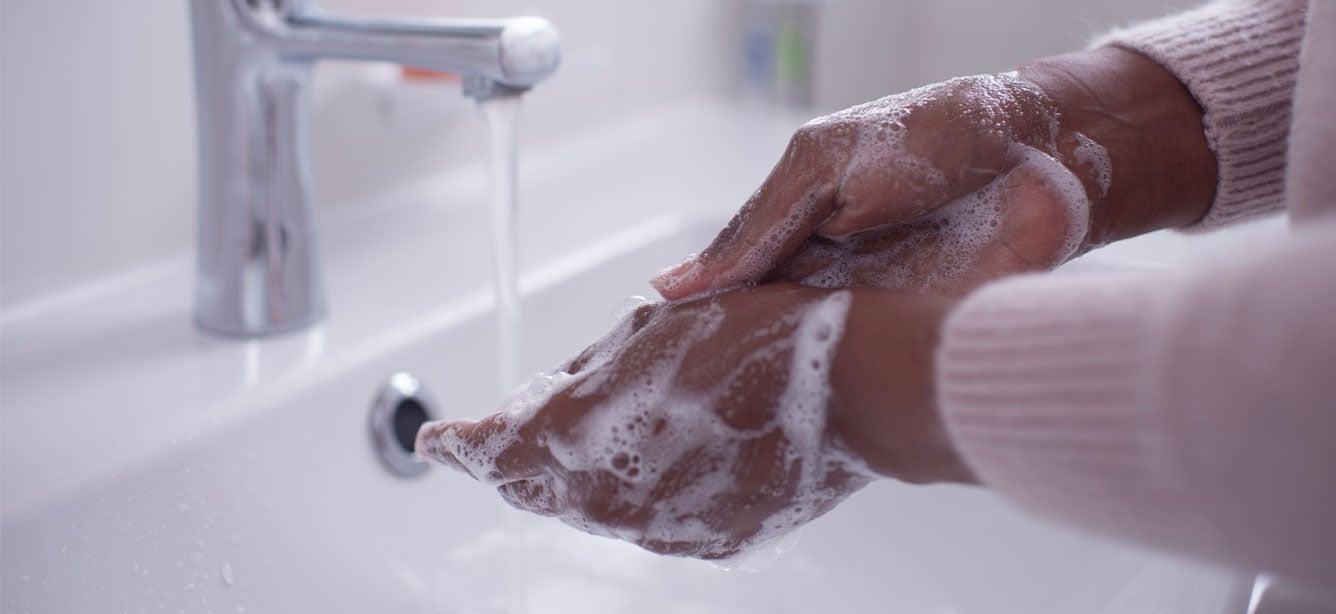
- Practice good hygiene: Good hygiene is one of the easiest ways to protect yourself and others from COVID. These small steps add an important layer of protection, especially if you or the people around you are at higher risk. This means:
- Washing your hands often with soap and water
- Covering your coughs and sneezes when you’re ill
- Avoiding touching your face help reduce the spread of germs
- Take steps to breathe cleaner air: COVID spreads through tiny droplets and particles released when an infected person breathes, talks, coughs, or sneezes—and the risk is higher indoors in crowded spaces with poor airflow. You can lower your risk by opening windows and spending more time outdoors where the air is fresher. CDC advises using a portable high-efficiency particulate air (HEPA) cleaner to help purify the air in spaces where you spend the most time.
Should I get a COVID vaccine?
Getting a COVID vaccine is a personal decision you should make with your health care provider. They can answer your questions, address any concerns, and help you understand how vaccination fits into your overall health plan. Together, you can weigh the benefits and any potential risks based on your personal health needs.
“At NCOA, we believe recommended vaccines are a key part of healthy aging. Staying up to date can help protect your health, support your independence, and lower your risk of serious illness,” says Dorothea Vafiadis, NCOA Senior Strategist for Healthy Aging. “We urge older adults to discuss their risk factors with their doctor and to get their COVID, flu, and RSV vaccines.”
While it’s possible to get side effects from the vaccine (e.g., redness at the injection site or tiredness), these tend to be mild and temporary. All COVID vaccines, including the mRNA vaccines, have gone through a rigorous approval process, with safety tested in tens of thousands of patients. Ongoing data continues to provide reassurance on their safety and efficacy.
How can caregivers support older adults in preventing COVID?
In addition to encouraging vaccination and other preventive strategies as outlined above, caregivers can take these steps:
- Help schedule and attend medical appointments: Routine checkups are important for staying healthy and catching issues early. Offer to help your care recipient schedule appointments and set reminders. If necessary, arrange transportation to avoid missed appointments.
- Make sure medications and supplies are up to date: Know what medications your care recipient takes and keep track of refills to prevent skipped doses. Having extra supplies on hand—like masks and home COVID tests—is a good idea, especially during cold and flu season.
- Stay connected with health care providers for guidance: If your care recipient develops COVID- or flu-like symptoms, knowing how to reach their provider can help you ensure they get the right support quickly. This is important since most COVID treatments must be started within days of symptoms appearing.
What should a caregiver do if they think an older adult has COVID?
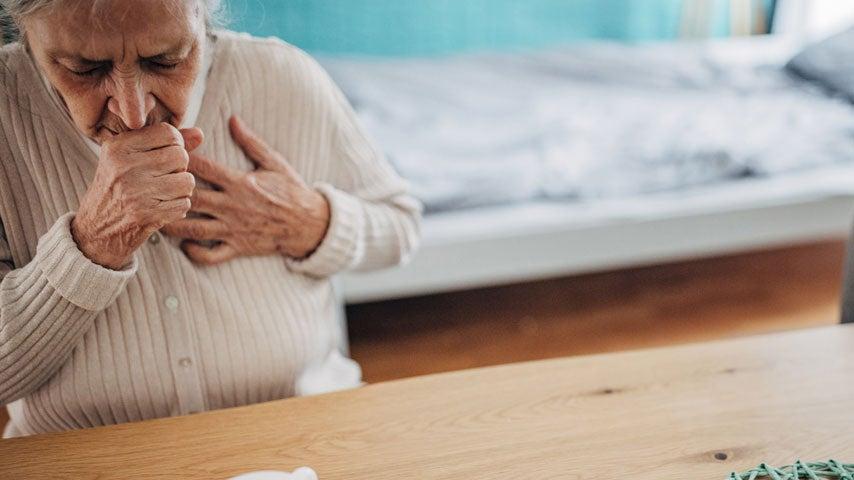
Potential COVID symptoms include fever and/or chills, cough, sore throat, and shortness of breath.
If you think the person you care for has COVID:
- Encourage them to get tested right away to confirm infection, either at a doctor’s office, urgent care center, or at home using a rapid test. Many states, like Vermont, now allow pharmacies to offer testing and treatment for COVID and other common illnesses. Check with your local pharmacy to see if they offer this service. Also, see our Guide to COVID-19 Testing for Older Adults.
- Call their health care provider promptly—as mentioned above, today’s antiviral medications must be started early to be most effective.
- Watch for emergency warning signs like trouble breathing, chest pain or pressure, (new) confusion, or an inability to stay awake. Call 911 if they appear.
- Reduce exposure to others by encouraging them to stay home if possible and mask when they need to leave the house.
For more information on protecting yourself and those around you, visit our COVID-19 Safety and Protection resource library.
Sources
1. CDC. People with Certain Medical Conditions and COVID-19 Risk Factors. Updated June 11, 2025. Found on the internet at https://www.cdc.gov/covid/risk-factors/index.html
2. CDC. About Chronic Diseases. May 14, 2026. Found on the internet at https://www.cdc.gov/chronic-disease/about/index.html
3. Ryan E. Wiegand, PhD, et. al., Interim Estimated Effectiveness of 2025-2026 COVID-19 Vaccines in Adults Using a Test-Negative Design. JAMA Network Open. June 23, 2026. Found on the internet at https://jamanetwork.com/journals/jamanetworkopen/fullarticle/2850668?guestAccessKey
4. National Center for Immunization and Respiratory Diseases. Updates to COVID-19 Vaccine Effectiveness. June 25, 2025. Found on the internet at https://www.cdc.gov/acip/downloads/slides-2025-06-25-26/03-MacNeil-COVID-508.pdf
Flu or COVID? Know What You’re Up Against
The symptoms can overlap, but flu and COVID-19 are different illnesses. Learn how they compare and what to consider if you start feeling sick.