
Related Topics
You took a COVID-19 test, and it’s positive. Or maybe you have a fever, dry cough, and scratchy throat and think it may be COVID. Either way, you’re probably wondering: What should you do next?
If you’re an older adult, it’s vital to take early action—even if your symptoms seem mild. Age is one of the biggest risk factors for severe COVID; in fact, people 65 and older face a much greater chance of becoming seriously ill. Your first steps should include staying home, resting, contacting your doctor, and asking about COVID treatment. Some treatments must be started within a few days to be effective.
What to Do If You Have (or Suspect) COVID-19
| 1. Stay home |
Avoid close contact with others while you're sick. |
|---|---|
| 2. Get tested | Take a COVID test. If it's negative but you have symptoms, test again in 48 hours. |
| 3. Ask about treatment | Contact your health care provider promptly. COVID antivirals must be started within 5-7 days after symptoms begin. |
| 4. Manage mild symptoms | Rest, drink fluids, and ask which over-the-counter medicines are safe for you. |
| 5. Protect others | Take extra precautions after you return to normal activities, like washing your hands and wearing a well-fitting mask. |
| 6. Know the warning signs | Call 911 if you have trouble breathing, chest pain or pressure, confusion, low alertness, or pale, gray, or blue skin, lips, or nails. |
| 7. Monitor your health | Watch for symptoms that worsen, return, or interfere with daily activities. Reach out to your doctor with concerns. |
Find out what to do after testing positive for COVID, including how to manage symptoms at home, protect others, and recognize warning signs that you may need medical care.
What should I do first if I have COVID?
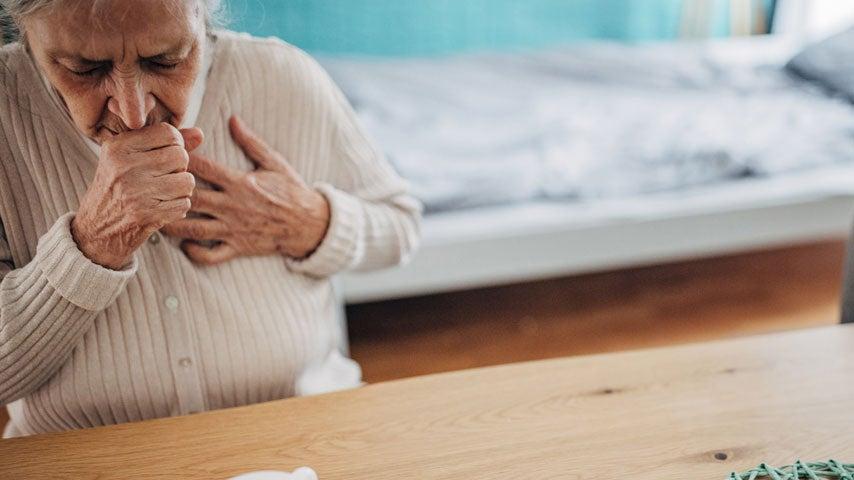
If you have COVID symptoms or test positive, stay home and away from other people as much as possible. No matter what you’ve got going on in your life, give yourself permission to slow down and rest.
It’s also wise to contact your doctor’s office or health clinic, especially if you’re 65 or older or have a chronic health condition like diabetes or heart disease. These factors put you at higher risk for severe COVID-related illness, complications like pneumonia, and even death.
“Don’t wait until you feel really sick to make that call,” advised Dorothea Vafiadis, NCOA Senior Strategist for Healthy Aging. “Think about when your COVID symptoms first started and write down the date if you can. Your doctor or nurse will need this information to determine if you’re within the window for antiviral treatment.”
Should I get tested for COVID?
Yes. If you have symptoms, testing can help you find out if COVID-19 is the likely cause. A definitive diagnosis will allow you to make informed decisions about treatment and protecting those you care about.
You can use an at-home rapid antigen test or request testing at your doctor’s office, health clinic, or local pharmacy (available at some locations). A positive result means the SARS-CoV-2 virus was detected and you have (or recently had) a COVID infection.
What if your test is negative, despite having symptoms? One negative result doesn’t necessarily rule out COVID. According to the U.S. Food and Drug Administration (FDA), you should “always do a repeat test 48 hours after a negative result on an antigen test.”
See NCOA’s guide to COVID testing for older adults.
Should I ask about COVID treatment?
Yes. If you’re an older adult, it’s worth asking your doctor or nurse if there’s a COVID treatment that could benefit you.
Antiviral medications are shown to lower the risk of hospitalization and death in people at elevated risk, like older people or those with chronic diseases. Antivirals do not shorten the duration of COVID symptoms.
When it comes to oral antiviral treatments for COVID, Paxlovid is usually the first line of defense. In clinical trials, Paxlovid was found to be 88% effective at lowering the risk of COVID-related hospitalization. Lagevrio (molnupiravir) is another oral antiviral treatment that's often used when Paxlovid is not available or deemed inappropriate for a patient.
Both Paxlovid and Lagevrio must be started within 5 days after symptoms begin. Veklury (remdesivir), a 3-day intravenous (IV) infusion treatment for COVID, must be started within 7 days of symptom onset. Your doctor can suggest the best option for you based on your age, symptoms, and overall health.
Timely treatment can make all the difference in your recovery. That’s why you should reach out to your doctor’s office or clinic as soon as you know or suspect you have COVID. See our guide to COVID antiviral treatment.
How can I manage COVID symptoms at home?
When recovering at home with a mild case of COVID, be sure to make rest a priority. Resting helps direct your body’s energy toward clearing the virus instead of everyday tasks. You’ll also want to consume plenty of liquids to help ease nasal irritation and replace fluids lost through sweating, coughing, and congestion.
Over-the-counter (OTC) medicines, like acetaminophen (Tylenol) or ibuprofen (Advil), can help relieve fever, headaches, and body aches when they’re safe for you to take. But before using any OTC medicine, check with your doctor or pharmacist to see if they might interact with your regular medications or affect an existing health condition.
If you’re taking a prescription medication, don’t abruptly stop or change the dose on your own. Always check with your doctor or pharmacist first.
How do I protect others if I have COVID?
Since COVID-19 spreads from person to person, you’ll need to take extra care around others while you’re sick. The Centers for Disease Control and Prevention (CDC) recommends that you:
- Stay home and away from other people until your symptoms are improving overall, and you’ve been fever-free for at least 24 hours (without taking fever-reducing medicine like Tylenol or Advil).
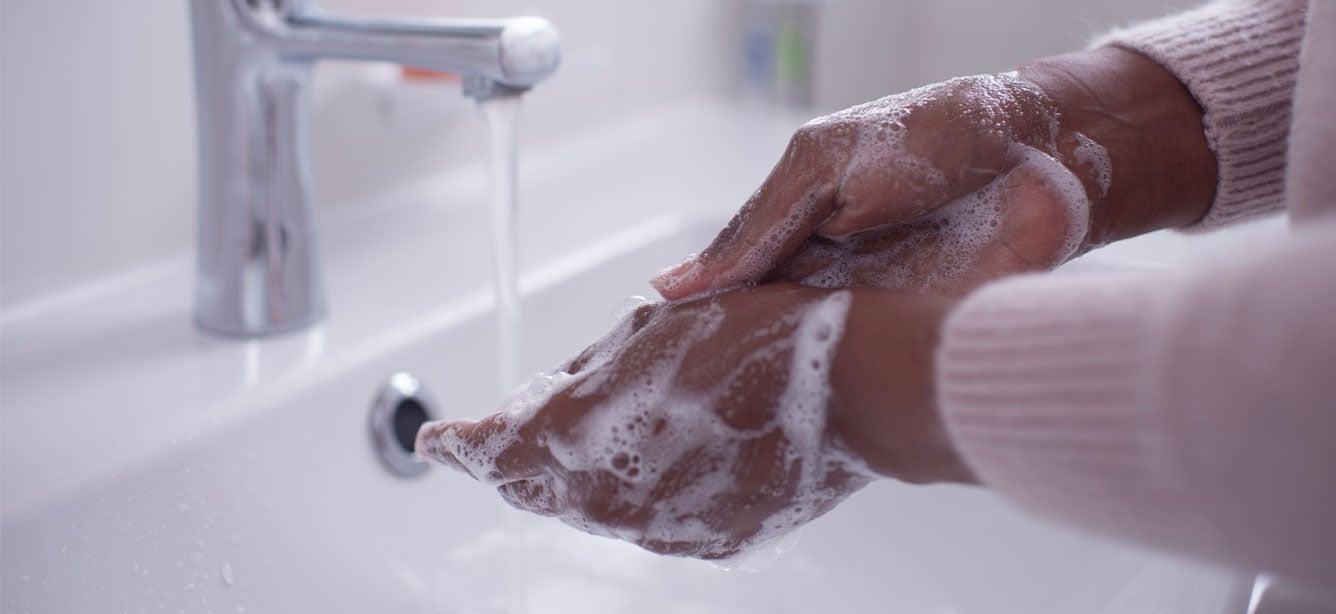
- Take extra precautions for the next 5 days after you return to your usual activities. These may include wearing a well-fitting mask, improving indoor ventilation, keeping some distance from others, and washing your hands often and thoroughly.
- Be especially careful around people who are at higher risk for severe illness—like older adults or those with chronic health issues.
When should I call my doctor about COVID?
Make note of how you feel from day to day. Contact your doctor or nurse if your symptoms are getting worse instead of better or if you’re worried about how you’re recovering.
For example, call if you’re having breathing problems, you’re becoming dehydrated, a fever lasts several days, or symptoms improve and then return or worsen. “You should also reach out if COVID seems to be making one of your existing health conditions worse,” Vafiadis said. “For instance, if you have asthma and you’re wheezing more than usual or you need your inhaler more often.”
When is COVID an emergency?
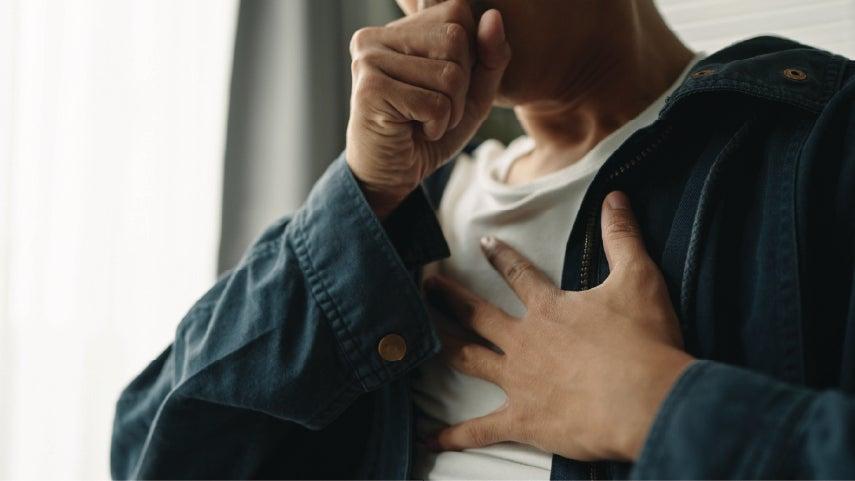
Some COVID symptoms require immediate medical attention. Call 911 or have someone bring you directly to the hospital if you have:
- Trouble breathing
- Chest pain or pressure that doesn’t go away
- Difficulty waking up or staying awake
- Sudden, unexplained confusion
- Pale, gray, or blue-colored skin, lips, or nail beds, depending on your skin tone
If you have symptoms not on the list above that feel severe or life-threatening, it’s best to seek emergency medical care.
What if my COVID symptoms go away and come back?
Sometimes COVID symptoms return after you’ve started feeling better. You may even get a positive test again after testing negative. This is known as COVID rebound.
Rebound typically occurs 3 to 7 days after the initial illness has resolved, and it can happen whether or not you took an antiviral medication. Fortunately, COVID rebound symptoms are usually mild and clear up within a few days—and they don’t mean you’re at greater risk for severe illness.
If you think you may have COVID rebound, check in with your doctor or nurse.
What should I do after I recover from COVID?
COVID recovery looks a little different for everyone. You may bounce back fairly quickly, or it may take some time before you feel back to 100%.
“Pay close attention to how you’re feeling as you recover, especially your energy level and breathing,” Vafiadis explained. “If symptoms linger, if they come back, or they make it hard to manage your usual activities, let your doctor know.”
Some people develop a condition called long COVID, which can cause a variety of life-disrupting symptoms that last for months or longer following an initial COVID infection.
Susan struggled with long COVID for more than two years, suffering from headaches, fatigue, memory loss, and fever. She has since regained her health, but makes it a point to warn others: “… It’s vital to remember that viral infections are debilitating or even deadly,” Susan said, sharing her story with the World Health Organization (WHO). “I hope people are now better at minimizing contact with others if they have viral symptoms and more readily take up protective vaccinations when offered.”
Want to learn more? Explore our COVID-19 Safety and Protection resource library.
Frequently asked questions (FAQ)
How soon should I call my doctor after testing positive?
If you’re an older person or have other risk factors for severe COVID, call your doctor’s office or health clinic as soon as possible. To be effective in reducing the risk of severe illness and hospitalization, COVID treatments need to be started within a few days after symptoms begin.
Do older adults need COVID treatment?
Not everyone needs treatment for COVID, but older age increases your risk for serious, even life-threatening illness. Your doctor or nurse can help determine if antiviral treatment is appropriate for you based on your age, symptoms, and health.
How long should I stay home if I have COVID?
You should stay home until your symptoms are improving overall and you’ve been without a fever for at least 24 hours without taking a fever-reducing medicine (e.g., Tylenol, Aleve, Motrin). Then, take added precautions for the next 5 days or so, such as wearing a well-fitting mask or testing when you know you’ll be around other people.
Can I take my regular medications with COVID treatment?
It depends. Some COVID treatments, like Paxlovid, can interact with other medicines. Make sure your doctor, nurse, or pharmacist knows about all the medications you take regularly. This includes prescriptions, over-the-counter medicines, vitamins, and supplements.
What are signs COVID is getting worse?
Watch for a steady or returning fever, signs of dehydration (e.g., dark-colored urine, urinating less often, dry mouth), increasing breathing problems, or symptoms that improve and then get worse. Call 911 or go to the emergency room for severe difficulty breathing, persistent chest pain or pressure, sudden confusion, or trouble waking up or staying alert.
Flu or COVID? Know What You’re Up Against
The symptoms can overlap, but flu and COVID-19 are different illnesses. Learn how they compare and what to consider if you start feeling sick.