
Best Waterproof Hearing Aids
Looking for the best waterproof hearing aids to withstand rain, sweat, and everyday life? We put popular prescription and over-the-counter brands to the test. These came out on top.

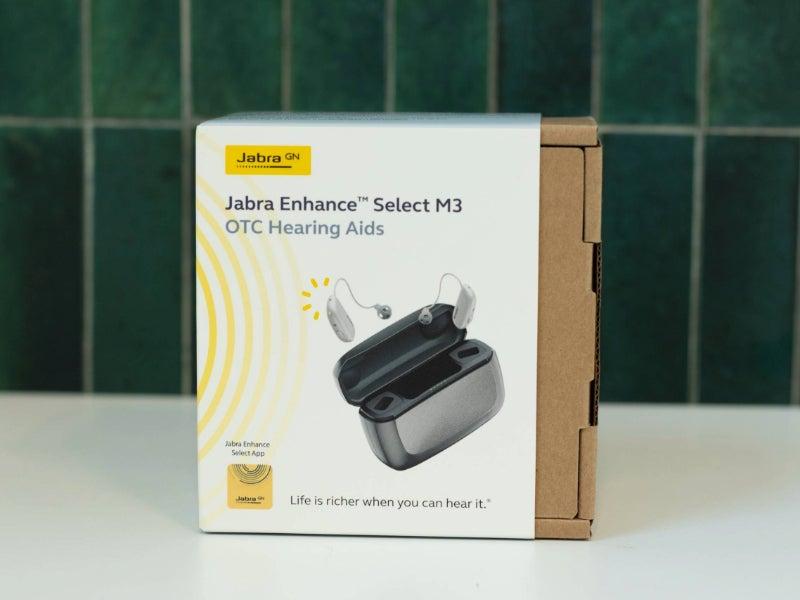
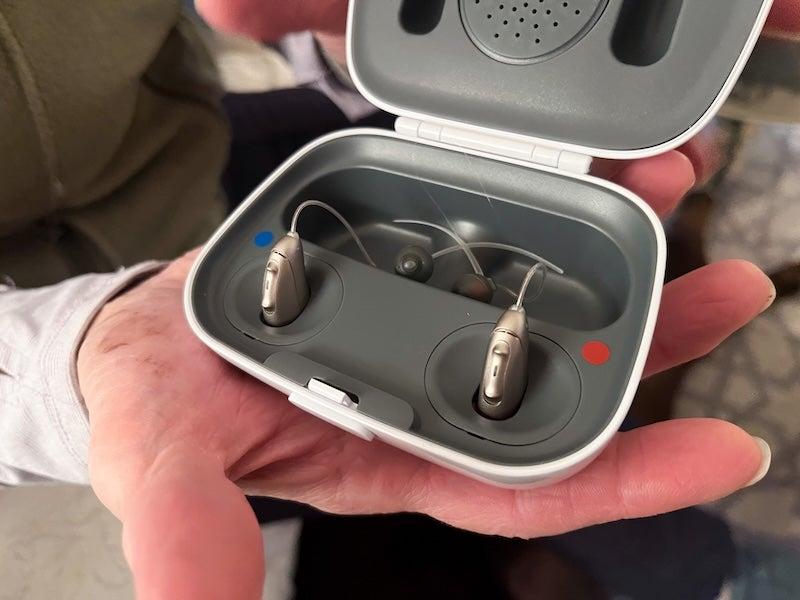
- We chose the Jabra Enhance Select M3 as the Best Waterproof Hearing Aids. It has strong sound quality and a high water-resistance rating. The Enhance Select is also a solid overall value.
- The over-the-counter (OTC) hearing aids in this review cost between $1,995–$2,699 per pair before any discounts or sales promotions. For pricing on prescription hearing aids, you will need to contact your local hearing care professional.
- An IP rating indicates how well a device protects against moisture and dust. The higher the number, the better the water and dust resistance. Most water-resistant hearing aids have an IP rating of 68 or higher.
- Most hearing aid warranties will cover water damage. But it’s important to check the specifics of your brand.
NCOA supports everyone’s right to age well. That’s why we test and recommend products we believe can help you live a healthier life. We’ve spent more than 5,000 hours researching hearing aids to give you the most accurate product reviews. To find the best OTC hearing aids, we:
- Consulted with audiologists, hearing instrument specialists, and aging care experts
- Put more than 50 hearing aids through a series of 21 different tests
- Mystery shopped more than 20 brands
- Surveyed hundreds of older adults who use hearing aids
- Interviewed experts on hearing loss
- Sent hearing aids to our friends and family with hearing loss to provide long-term testing notes
- Read thousands of verified customer reviews
We’re constantly testing new hearing aids to give you the most accurate and up-to-date recommendations. Read more about our hearing aid review methodology.
70+
Hearing aids tested
300+
Hearing aid users surveyed
77
Testing criteria


Many of today's best hearing aids are built to handle sweat, humidity, and light rain better than previous models. But there is no such thing as a truly waterproof hearing aid. And you might be surprised by how often hearing aids accidentally get wet. “It happens all the time,” said Hunter Gerhart, AuD, director of audiology at Livingston Hearing Aid Center. “People jump in the pool while wearing them, or more often, forget and get in the shower.”
“Because hearing aids are essentially small computers, it's important to keep them dry,” said Virginia Gural-Toth, AuD, a leading clinical expert in hearing loss and manager of the Audiology and Tinnitus Programs at Hackensack Meridian JFK Johnson Rehabilitation Institute in Edison, New Jersey.
Even if you’re not wearing them in the shower or getting caught in a rainstorm, excessive sweat or humidity can affect your hearing aids. In this roundup, we identify the best water-resistant hearing aids, who needs them, and how to make them last.
Best Overall
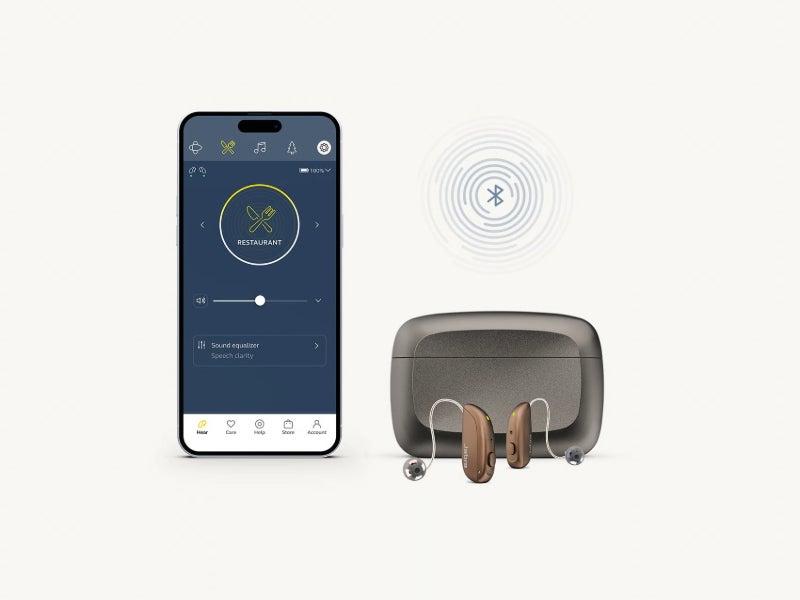
Jabra Enhance Select M3
IP68-rated design protects against dust, sweat, and rain while offering Bluetooth streaming with Auracast public broadcast compatibility
Best Rechargeable
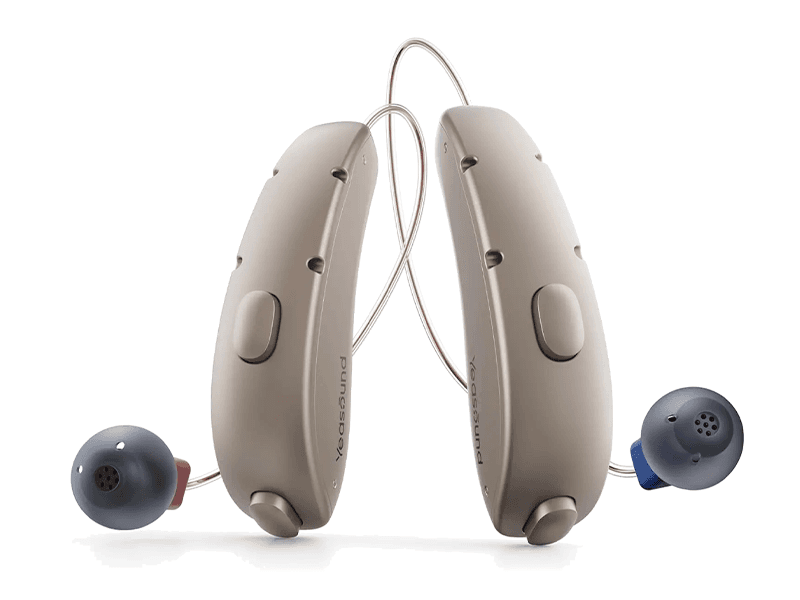
The Audicus Omni 2
IP68-rated design and rechargeable battery with up to 16 hours of use and portable charging case
Our picks for the best water-resistant hearing aids
- Jabra Enhance Select M3: Best Water-Resistant Hearing Aids Overall
- Audicus Omni 2: Best Rechargeable Water-Resistant Hearing Aids
- Phonak Sphere: Best Hearing Aids for Sweat and Active Lifestyles
- Starkey Omega AI: Best Water-Resistant Hearing Aids With AI Sound Processing
The best water-resistant hearing aids compared
| Comparison Features | ||||
|---|---|---|---|---|
| Our rating (out of 10) | 9.9 |
9.5 |
9.6 |
9.5 |
| Trial period | 100 days |
100 days |
Depends on retailer |
Depends on retailer |
| Battery type | Rechargeable |
Disposable and rechargeable |
Rechargeable |
Disposable and rechargeable |
| Bluetooth | Yes |
Yes |
Yes |
Yes |
| HA type* | RIC |
RIC |
RIC |
RIC, ITE, ITC, and CIC options available |
*RIC="receiver in canal"; ITE= “in the ear”; ITC= “in the canal” CIC="completely in canal"
How we tested water-resistant hearing aids
We tested the following factors to find the best water-resistant hearing aids:
Our top water-resistant hearing aids reviews
Jabra Enhance Select M3: Best Water-Resistant Hearing Aids Overall
The Jabra Enhance Select M3 offers some of the best water resistance among modern hearing aids. They're not only durable, but also the smallest profile of any Jabra RIC hearing aid. They have advanced features like Auto Focus and Advanced Adaptive Listening to help improve hearing in different environments.
- Jabra review
- IP68-rated design and comfortable, lightweight fit
- Auracast public broadcast compatibility
- Includes Bluetooth streaming
- Type of hearing aid: Micro RIC
- Rx or OTC: OTC
- Battery type: Rechargeable
- Bluetooth compatible: Yes
- Trial period: 100 days
Pros
- Strong sound quality in noisy environments
- Comfortable and lightweight for all-day wear
- Good protection against sweat and moisture
- Compatible with Auracast public broadcast
Cons
- Bluetooth may not connect immediately
- Higher price than some OTC models
- Distance hearing performance could be better in some settings
While all hearing aids can be damaged by excessive moisture, devices that sit completely in the ear or have the receiver positioned in the ear canal are at a higher risk. However, you can help minimize moisture-related damage by being diligent with daily care.”
Virginia Gural-Toth, AuD, manager of the audiology and tinnitus programs at Hackensack Meridian JFK Johnson Rehabilitation Institute
Audicus Omni 2: Best Rechargeable Water-Resistant Hearing Aids
Among rechargeable water-resistant hearing aids, the Audicus Omni 2 stood out. It offers high moisture resistance and a long battery life with on-the-go charging. Testers liked the convenience, smart features, and natural sound of these hearing aids.
- Audicus review
- IP68-rated and 16 hours of battery life
- Portable case holds up to seven extra charges
- Includes Bluetooth streaming and simple app controls
- Type of hearing aid: RIC
- Rx or OTC: OTC
- Battery type: Rechargeable and disposable options
- Bluetooth compatible: Yes
- Trial period: 100 days
Pros
- Natural sound quality for both voices and streaming
- Strong moisture resistance for active users
- Simple app and controls
Cons
- Some users noticed feedback from hair rubbing the microphones
- Distance hearing performance could be better
- Cost is higher than some other models
Non-rechargeable models have more openings and tend to be less water resistant.”
Hunter Gerhart, AuD, director of audiology at Livingston Hearing Aid Center
Phonak Audéo Infinio Sphere: Best Hearing Aids for Sweat and Active Lifestyles
The Phonak Audéo Infinio Sphere stands out for people who spend a lot of time outdoors, at the gym, or on the move. These hearing aids are not fully waterproof. But their water- and dust-resistant design makes them one of the best water-resistant hearing aids for active daily life.
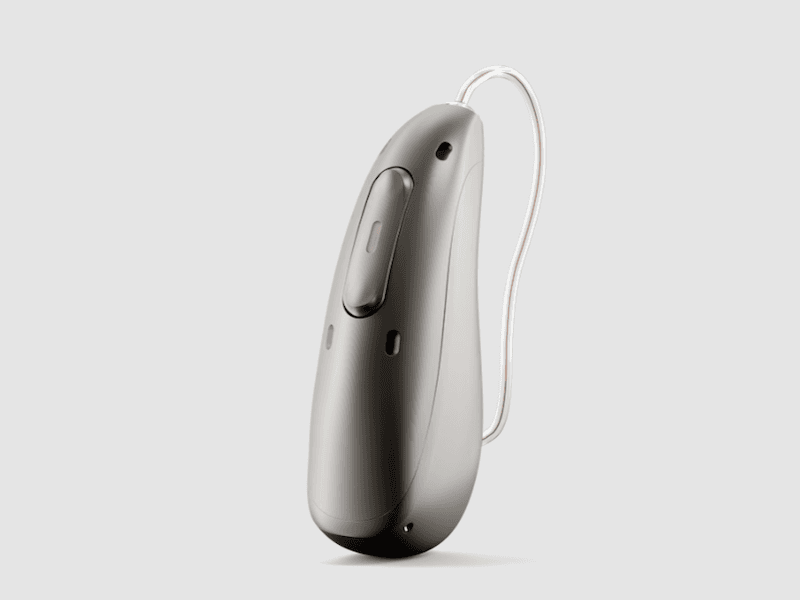
- Phonak review
- IP68-rated design and a top pick for active lifestyles
- Bluetooth connectivity and Auracast compatibility
- AI-powered sound features
- Type of hearing aid: RIC
- Rx or OTC: Rx
- Battery type: Rechargeable
- Bluetooth compatible: Yes
- Trial period: Depends on provider
Pros
- Strong IP68 rating helps protect against sweat, dust, and light rain
- Advanced AI helps make speech clearer in noisy places
- Auracast public broadcast compatible
Cons
- Battery life may vary with heavy streaming use
- Premium features may come with a higher price
- Some users may need time to learn the app and settings
Starkey Omega AI: Best Water-Resistant Hearing Aids With AI Sound Processing
The Starkey Omega AI combines prescription strength, advanced AI sound tools, and water resistance. They work well for those who want clearer speech, accessible streaming, and a comfortable fit.
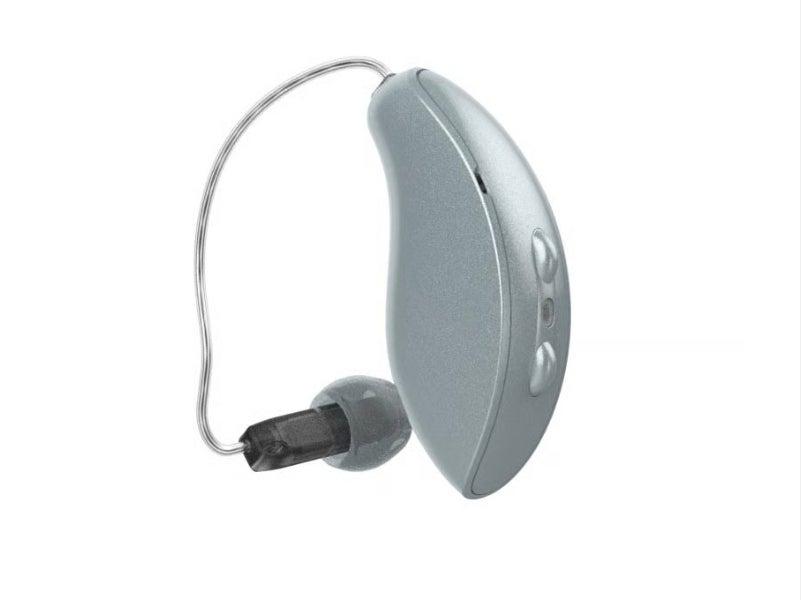
- Starkey review
- IP68-rated design and and voice-based adjustments
- AI tools, including Edge Mode+, to help clarify speech in noisy places
- Long battery life of up to 51 hours
- Type of hearing aid: RIC, ITE, ITC, and CIC options available
- Rx or OTC: Rx
- Battery type: Rechargeable and disposable
- Bluetooth compatible: No
- Trial period: Depends on retailer
Pros
- Strong AI sound processing helps speech stand out in noisy places
- IP68-rated design offers solid protection from sweat, dust, and moisture
- Long battery life and Bluetooth streaming through the My Starkey app
Cons
- Available by prescription only
- Some advanced features require the smartphone app
- Premium features may come with a higher price than basic models
How do waterproof hearing aids work?
Most hearing aids can handle average amounts of everyday moisture. “Unless you’re spending a considerable time outside, you may not get a ton of water buildup,” said Gerhart. But water-resistant hearing aids are designed to limit the amount of moisture that gets inside your devices. This is often done by applying a special waterproof coating beneath the exterior case.
Most waterproof and water-resistant hearing aids use an IP rating. IP stands for ingress protection. This rating shows how well a device can block dust, earwax, sweat, humidity, and water. The first number rates dust protection from 0 to 6, while the second rates water protection from 0 to 9. “The higher the rating, the better it is,” said Gerhart. Many top-rated water-resistant hearing aids today have an IP68 rating, which is common for devices designed to resist moisture.
Waterproofing helps protect the hearing aid from everyday wear and tear, but regular care is still important. Gerhart said most people should have their devices cleaned and serviced about every six months. This may include changing wax filters, suctioning out debris, and using a professional drying system called Redux. The technology was originally invented for smartphones. But the inventor wore hearing aids, Gerhart said, and eventually tried using the same tech for those devices. “It has been a game changer for patients,” he said. People who buy waterproof or water-resistant hearing aids can also use home drying systems to help remove moisture and keep devices working well.

A tip from our medical advisory board:
For people who work in very sweaty or dirty environments (e.g., outdoor work in the heat, work in a woodshop with lots of dust), there are neoprene sleeves you can purchase to fit over hearing aids. But they're only recommended for severe sweating issues, not for everyday use.
Who should wear waterproof hearing aids
No hearing aid is completely safe for extended underwater use. But many top-rated water-resistant hearing aids handle daily moisture better than standard models. If you plan to buy water-resistant hearing aids, it helps to consider your lifestyle and how often they may be exposed to water.
Gerhart recommends talking with a hearing health care professional about your needs, especially if any of the below applies to you. It is important to discuss hearing loss levels, technology preferences, and budget considerations. You'll also want to consider whether prescription or OTC alternatives may be a better fit.
You may want to consider water-resistant hearing aids if you:
- Spend a lot of time outdoors or near the water. Waterproof hearing aids may be a good choice for people who fish, boat, garden, or spend time at the beach or pool. Moisture from rain, splashes, or damp air can affect regular hearing aids over time.
- Live in a very humid environment. Humid weather can cause moisture buildup inside a hearing aid. Hearing aids with waterproof coatings and higher IP ratings may hold up better in these conditions.
- Are very active and sweat a lot throughout the day. Sweat can slowly damage electronics inside a hearing aid. Water-resistant hearing aids are often a better fit for runners, gym goers, and people with active jobs.
- Spend a lot of time doing water-based activities. People who kayak, hike in wet weather, or spend time around water may benefit from waterproof hearing aids. They offer added protection from splashes and moisture exposure.
- Sometimes forget to remove hearing aids before water exposure. People who accidentally wear hearing aids in the shower, pool, or rain may benefit from more water-resistant devices.
What to look for when buying water-resistant hearing aids
Buying a water-resistant hearing aid is about more than just water protection. You also want a device that fits your hearing needs, lifestyle, and budget. NCOA has a helpful hearing aid buyer’s guide that explains what to compare before making a purchase. If you are specifically looking for a waterproof hearing aid, here are some things you will want to consider:
IP rating
“I think IP rating is really important,” said Gerhart. “It can help inform about how well equipped a device is to protect against moisture.” The IP rating indicates how well a hearing aid resists dust and water. Many waterproof hearing aids have ratings like IP67 or IP68. In general, the higher the second number, the better the protection from water exposure.
Hearing aid style
Some styles handle moisture better than others. Devices that sit fully inside the ear or have a receiver in the ear may be more exposed to sweat and ear moisture. Models with more external parts may dry out more easily, like Concha Labs hearing aids which are BTE style (behind the ear).
A tip from our medical advisory board:
For people with chronic ear infections and prone to fluid in their ear canals, a BTE or slim-tube BTE style is recommended because all electronic components are housed inside the hearing aid behind the ear.
OTC vs. prescription hearing aids
Gerhart said that in his experience, many OTC hearing aids may not have the same protective coatings as prescription devices. But there are exceptions. Prescription hearing aids often include more support and maintenance from a hearing specialist. Keep in mind that this extra care may require more frequent, longer appointments.
Battery type
Rechargeable hearing aids are often easier to seal against moisture because they do not need a battery door. Many top-rated waterproof hearing aids now use rechargeable batteries for this reason. “Non-rechargeable models have more openings and tend to be less water resistant,” said Gerhart.
Sound clarity
In general, waterproofing does not hurt sound quality, according to Gerhart. Look for a hearing aid with clear speech processing and background noise reduction. You'll also want devices with settings that match your hearing needs and daily environments.
Warranty coverage
A strong warranty can help protect your investment. “Most warranties will cover the repair to the hearing aid as a result of exposure to water damage,” said Gural-Toth. Before you buy waterproof hearing aids, check what the warranty covers and how long coverage lasts. For example, in our Zepp Clarity hearing aid review, we found that Zepp provides a one year warranty.
Tips from our medical advisory board:
You can minimize moisture-related damage with daily care practices:
- Store your hearing aids overnight in a dry room (not a bathroom)
- Use a hearing aid dry box, or place a small desiccant (like a silica gel packet) in your charger
- In extremely humid environments, some providers have a machine called a Redux that efficiently wicks moisture out in minutes
How much do water-resistant hearing aids cost?
The cost of the over-the-counter hearing aids in this review ranges from $1,995–$2,699 per pair before any discounts or sales promotions. Prescription hearing aid manufacturers do not publish retail prices. If you're interested in a prescription device, you'll need to speak with a local hearing care professional. One study found people who bought OTC hearing aids paid approximately 10% as much as those who bought prescription devices.1 But the study also noted that prescription hearing aids often include service charges. These include appointment fees for fittings. You can expect to pay more for newer models and technology. Prices can range from $3,500–$10,000 per pair for prescription hearing aids.
| Hearing aid | Price per pair |
| Jabra Enhance Select M3 | $1,995 |
| Audicus Omni 2 | $2,000 |
| Phonak Sphere | Ask your local hearing care provider |
| Starkey Omega AI | Ask your local hearing care provider |
Frequently asked questions
Are hearing aids waterproof?
Most hearing aids are not fully waterproof and should not be submerged in water or worn in the shower. But many newer models are water-resistant hearing aids that can handle sweat, light rain, and small splashes.
How can you protect your hearing aids from water?
Keep your waterproof hearing aids dry by removing them before swimming or showering. Avoid contact with excess moisture or humidity. Wipe them down after workouts, and store them in a dry case at night. Even top-rated waterproof hearing aids can last longer with regular cleaning and care.
Are Phonak hearing aids waterproof?
Some models from the Phonak brand are made to resist water and sweat. But very few are fully waterproof. It is important to check the IP rating of each waterproof hearing aid before buying.
How to tell if hearing aids have been damaged by water?
Even waterproof hearing aid models can have problems if they are soaked for too long. If you suspect your hearing aids may have water damage, it is best to consult a qualified hearing professional. The damage is not always visible or obvious right away.
What is an IP rating?
An IP rating shows how well a device is protected from dust and water. Many waterproof hearing aids use ratings such as IP67 or IP68, with higher numbers indicating greater protection.
Questions? Email us at reviewsteam@ncoa.org