
Related Topics
We hear a lot about how obesity can raise our risk for high blood pressure, heart problems, type 2 diabetes, and even cancer. But this common chronic disease—one that touches the lives of more than 40% of American adults1—also has lesser-known dangers that can harm our health and well-being.
If you or someone you know struggles with excess weight, knowing the full spectrum of obesity health risks can empower you to take action.
How does obesity affect you physically?
One of the biggest concerns with obesity is how it affects our physical health. Extra weight puts strain on our body and increases the risk of several serious health conditions.
These include:
- Type 2 diabetes
- Cardiovascular disease
- High blood pressure
- Stroke
- Gallbladder disease
- Osteoarthritis
- Certain types of cancer
There are less recognized health risks of obesity, too. Some hidden dangers you might not be aware of include:
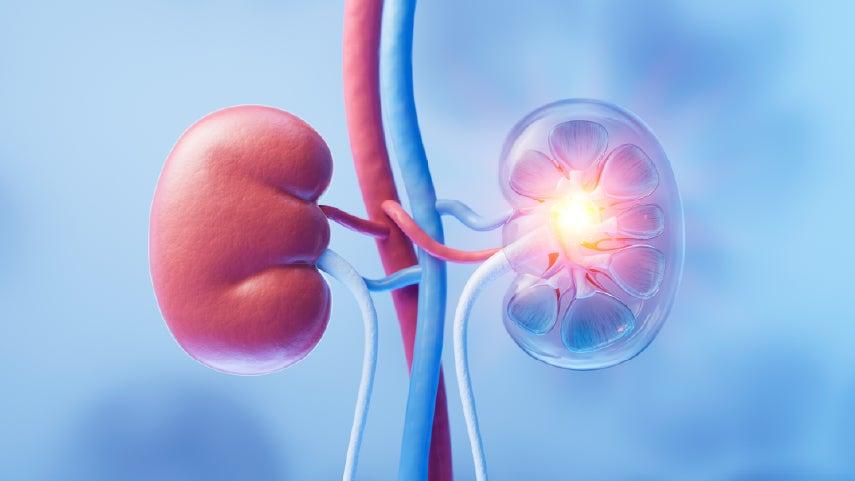
- Kidney disease: Since excess weight makes us predisposed to developing high blood pressure, type 2 diabetes, and heart disease—it also puts us at risk for chronic kidney disease (CKD). CKD makes the kidneys work harder than normal to filter waste out of the blood. This can lead to inflammation and scarring of the filters (glomeruli) inside the kidneys and cause them to break down. Obesity is also a risk factor for the formation of kidney stones.
- Liver damage: Kerry Sivia ended up in the ER with severe swelling in her ankles. Just 36 at the time, she was shocked to learn she had nonalcoholic fatty liver disease (NAFLD) and cirrhosis of the liver. Although Sivia rarely drank alcohol and had no family history of liver disease, she did have obesity—one of the main culprits behind NAFLD. With NAFLD, excess fat builds up in the liver, causing swelling and damage referred to as nonalcoholic steatohepatitis (NASH). NASH can lead to cirrhosis (liver scarring) and even cancer of the liver. Fatty liver disease is one of the more insidious health risks of obesity, since most people don’t know they have it until major damage has been done.
- Obstructive sleep apnea (OSA): OSA is a common, potentially life-threatening sleep disorder where breathing repeatedly stops and starts during sleep due to a blocked airway. Symptoms of OSA include loud snoring, gasping or choking during sleep, and daytime fatigue. If left untreated, this condition can lead to high blood pressure, heart disease, stroke, diabetes, and memory problems. The higher our BMI, the greater our risk for developing obstructive sleep apnea. Research has linked a 10% weight gain with a six-fold increase in the risk of developing moderate to severe OSA.2
These disorders don’t just affect our general health—they affect our quality of life.
Another way obesity can make life more difficult is by impairing our physical mobility. Let’s take a look at how.
How does obesity affect mobility?
As we get older, staying active is essential for maintaining our strength, balance, and independence. But for people with obesity, it can be more difficult to move around every day.
Obesity can lead to:
- Increased fall risk: Extra weight affects our balance and coordination, increasing the chance of falls and serious injuries. An older study uncovered a 25% to 31% higher risk of falls in older adults with obesity compared to those in a normal weight range. This group was also more likely to experience pain and inactivity.3
- Difficulty walking or standing: According to the Arthritis Foundation, just 10 extra pounds places an added 15 to 50 pounds of pressure on our knees. This increases the risk of developing osteoarthritis—or can worsen this condition for those who already have it. Many older adults with obesity suffer from joint pain, making everyday activities like walking, climbing stairs, or even getting out of a chair more challenging.
- Reduced muscle strength: Due to a lack of physical activity, people with obesity can experience gradual muscle atrophy. Sarcopenic obesity is a condition where a person has both low muscle mass (sarcopenia) and excess body fat at the same time. This combination can be especially harmful for older adults, since it increases the risk of weakness, falls, and mobility problems. One study found that older adults with obesity had lower bone mineral density and a higher risk of non-vertebral fracture compared to those with only obesity.4
Obesity’s effects go beyond the physical as well. This chronic condition can also take a toll on our mental and emotional well-being over time.
What are the mental effects of obesity?
One study found that adults with excess weight had a 55% higher risk of developing depression.5 Other research has linked being overweight to higher rates of major depression, bipolar disorder, and anxiety-related conditions like panic disorder and agoraphobia.6
There are a range of practical and societal factors that can lead to mental and emotional health issues for people with obesity. These include:
- Poor body image: Weight bias and body image often go hand in hand. Weight bias involves unfair stereotypes that label people with obesity as unattractive, lazy, or lacking discipline. Many people internalize society’s stigma, leading to shame and dissatisfaction with their appearance. They may worry about being judged for how they look. As a result of these harmful attitudes, people with obesity may also face discrimination that impacts their self-esteem, job opportunities, and even the quality of medical care they receive.
- Social withdrawal: When physical limitations prevent us from enjoying activities we love—like social events, travel, or time with friends and family—it can lead to isolation and loneliness. Because of lack of engagement and social support, adults with obesity may have a harder time coping with life’s challenges.
- Emotional eating and lack of activity: Chronic stress and anxiety stemming from obesity can lead to unhealthy eating habits, creating an endless cycle of weight gain and disappointment. What’s more, adults with obesity-related depression may not have the energy or will to exercise or participate in activities.
If you’re dealing with any of these challenges, recognizing them is the first step to feeling better. Seek support from family, friends, your community, or a therapist. Talking openly with others can help you develop healthier coping habits and reclaim your confidence and motivation.
There are many ways to treat obesity
Obesity is more than digits on the scale and larger clothing sizes. It’s a chronic disease that comes with devastating health risks, from heart and kidney conditions to lower mobility and mental health issues.
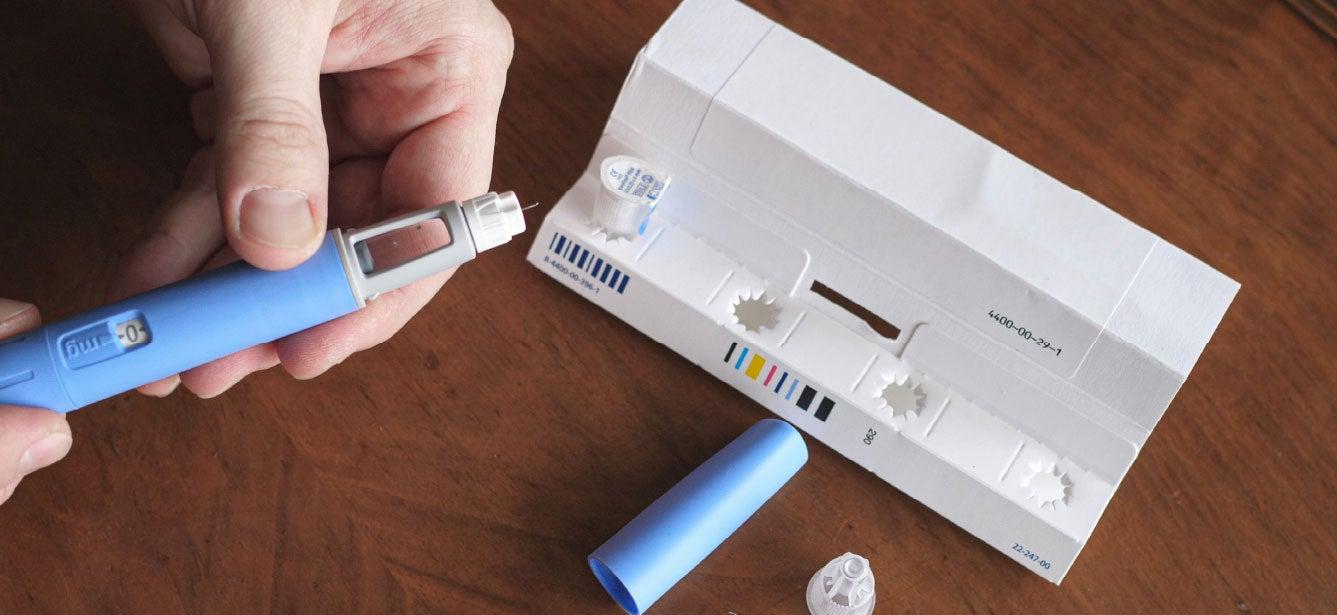
Fortunately, there are several options that can help you achieve and maintain a healthy weight. If eating well and exercising on your own aren’t enough, talk to your doctor about other paths you can try. Consider nutrition counseling or medical nutrition therapy (MNT) under the guidance of a registered dietitian. The Food and Drug Administration (FDA) has also approved several safe and effective anti-obesity medications to support healthy weight management.
The bottom line? Keep at it until you find something that works for you—because your health matters at every age.
“Older adults with obesity deserve quality obesity care, and people have a right to the full spectrum of treatment options because one size does not fit all,” said Michele Tedder, a Senior Program Manager at the Black Women’s Health Imperative (BWHI).
Want to learn more about reaching a healthier weight and reducing your risks? Explore our Obesity Care & Treatment resource library.
Sources
1. Centers for Disease Control and Prevention. Obesity and Severe Obesity Prevalence in Adults: United States, August 2021–August 2023. September 2024. Found on the internet at https://www.cdc.gov/nchs/products/databriefs/db508.htm
2. Emily Jane Meyer, et. al. Approach the Patient With Obstructive Sleep Apnea and Obesity. The Journal of Clinical Endocrinology & Metabolism. September 23, 2023. Found on the internet at https://academic.oup.com/jcem/article/109/3/e1267/7284057
3. Rebecca J. Mitchell, et al. Associations between obesity and overweight and fall risk, health status and quality of life in older people. Australian and New Zealand Journal of Public Health. February 2014. Found on the internet at https://www.sciencedirect.com/science/article/pii/S1326020023007914?via%3Dihub
4. David Scott, et al., Associations of Sarcopenic Obesity and Dynapenic Obesity with Bone Mineral Density and Incident Fractures Over 5–10 Years in Community-Dwelling Older Adults. Calcified Tissue International. March 4, 2016. Found on the internet at https://link.springer.com/article/10.1007/s00223-016-0123-9
5. Blasco B.V., et al. Obesity and Depression: Its Prevalence and influence as a Prognostic Factor: A Systematic Review. Psychiatry Investig. August 2020. Found on the internet at https://www.ncbi.nlm.nih.gov/pmc/articles/PMC7449839/
6. De Wit L, et al. Body Mass Index and Risk fo Onset of Mood and Anxiety Disorders in the General Population: Results from the Netherlands Mental Health Survey and Incidence Study-2 (NEMESIS-2). BMC Psychiatry. August 2022. Found on the internet at https://pubmed.ncbi.nlm.nih.gov/35918662/
Advocate for Treatment Without Discrimination
Obesity is a serious chronic condition that impacts 41.5% of adults ages 60+. Yet Medicare doesn’t cover all obesity treatments, making quality care unaffordable for older adults. Congress is considering the bipartisan Treat and Reduce Obesity Act to change this. Urge your lawmakers to pass the bill.