

Related Topics
Obesity is a complex chronic condition. There’s no single weight management approach that works for everyone, whether it’s a GLP-1 medication or lifestyle changes. But no matter what obesity treatment path you and your health care provider choose, eating nutrient-rich foods can support your goals and your overall health.
Let’s take a look at how obesity affects older Americans and tips to help you maintain a healthy weight as you age.
9 Tips for Maintaining a Healthy Weight
| Focus on | What to do |
|---|---|
| The right number of calories | Base you needs on your age, body size, activity level, and health goals. Try this calorie calculator. |
| Protein at every meal | Choose seafood, lean meats, dairy, eggs, beans, peas, or lentils to help maintain muscle. |
| Whole foods | Eat more lean, high-quality meats; fruits and vegetables; and whole grains that have been minimally processed. |
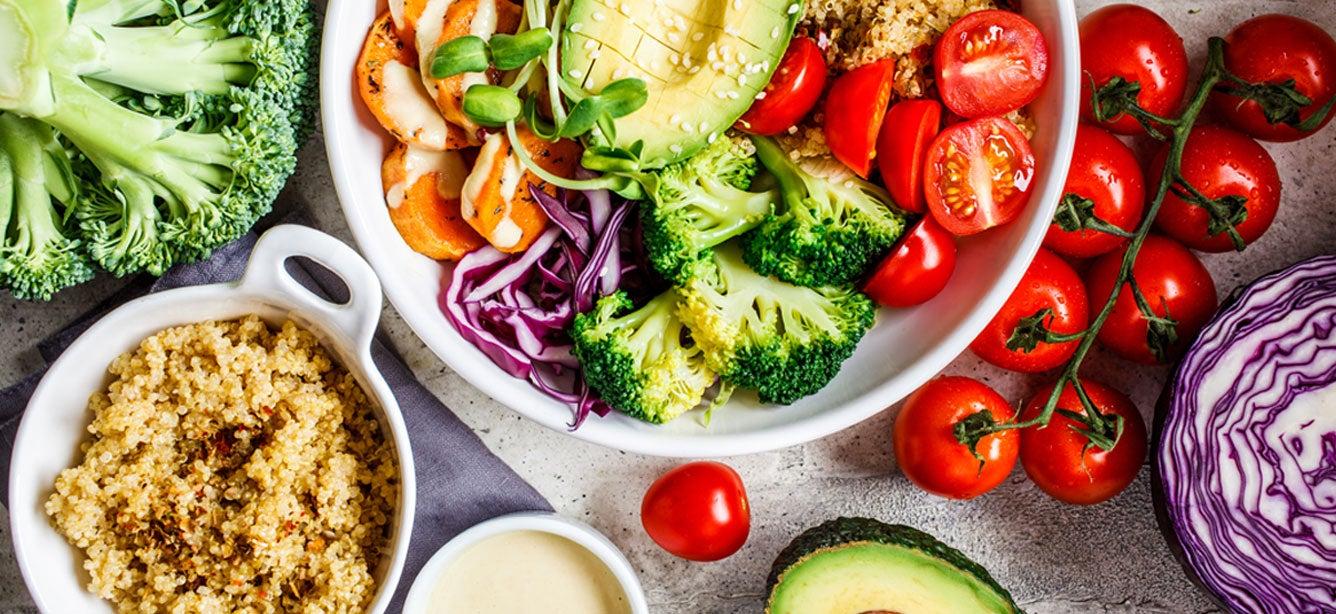
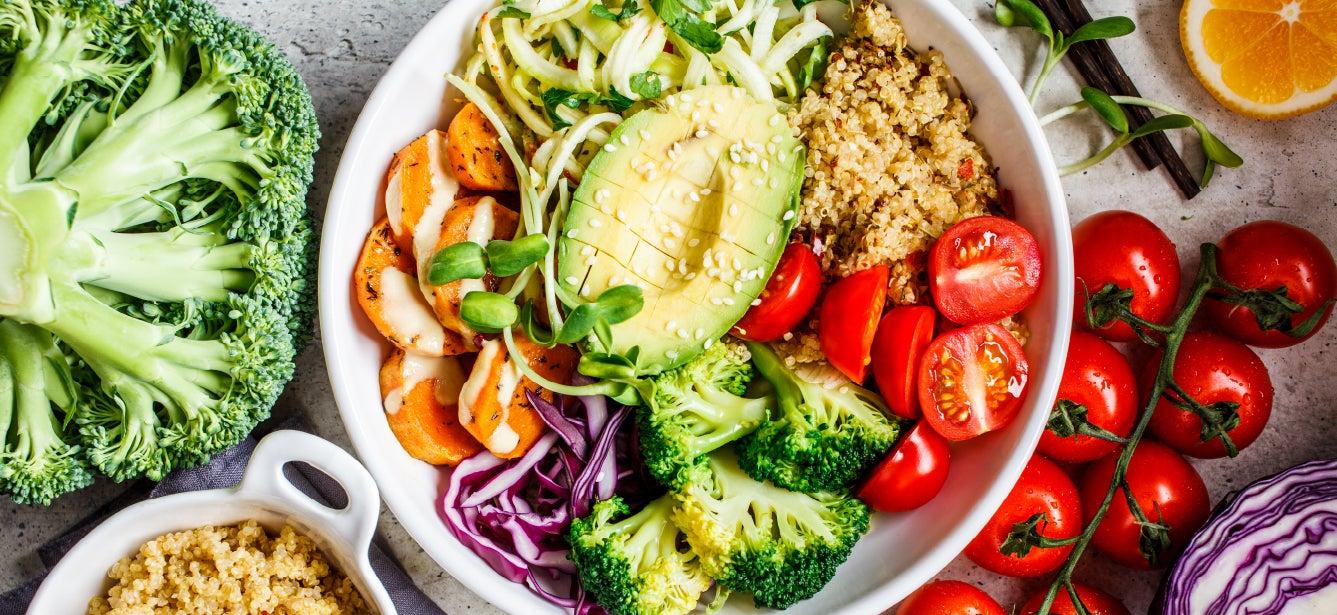
| Healthy fats | Choose foods such as fish, nuts, seeds, olives, and avocados. |
| Key nutrients | Prioritize fiber, potassium, calcium, vitamin D, and vitamin B12. |
| Less processed food | Limit pre-packaged foods made with added sugars, excess sodium, refined carbohydrates, or artificial additives. |
| Plenty of fluids | Drink water regularly. Milk, fortified soy beverages, soups, and water-rich produce also provide fluids. |
| Less alcohol | Alcohol may affect health and interact with medications. Ask your health care provider what's safe for you. |
ℹ️ Need help affording food? You may be able to get monthly benefits from the Supplemental Nutrition Assistance Program (SNAP). Visit NCOA’s Benefits CheckUp to get personalized recommendations on this and other programs that can help you stretch your budget further.
How many older adults have obesity?
Roughly 40.3% of American adults are living with obesity today, and the rate of severe obesity among adults in the U.S. is 9.4%.1 According to the Centers for Disease Control and Prevention (CDC), extra weight can increase one’s risk for heart disease, stroke, type 2 diabetes, and certain types of cancer. People with obesity are also at greater risk of complications and severe illness from COVID-19 and the flu.
But for older adults, managing weight is not just a matter of eating less. Any approach to achieving a healthy weight must also provide enough nutrients to protect muscle mass, bone strength, and overall health.
Why do older adults have special dietary needs?
With older age, our metabolism slows, our activity levels may decrease, and our bodies may need fewer calories, but the need for certain nutrients stays the same or increases. According to CDC, older adults have a greater risk of developing chronic diseases and are also vulnerable to severe illness related to infections like the flu and pneumonia. Complicating matters is that a growing number of older Americans are starting this stage of their life already carrying excess body weight.
Other age-related changes can also affect nutrition, including:
- Loss of muscle and bone mass
- Reduced appetite, taste, or thirst
- Difficulty or discomfort chewing or swallowing (dysphagia)
- Changes in digestion and nutrient absorption
- Medication side effects or food interactions
This is why older adults should make every bite count.
How do older adults need to eat to stay healthy?
The nine tips below are the foundation of smart eating habits that can help you shed pounds, prevent additional weight gain, and maintain good health.
- Pay attention to calories. Your personal energy needs will vary according to your age, sex, height, weight, and activity level. To determine your daily caloric needs, try this online calculator.
- Consume adequate protein to help prevent the loss of lean muscle mass. Make protein a priority at every meal. Adults in their 60s generally need about 5 to 5½ ounce-equivalents of protein foods each day, ideally divided among meals and snacks, according to the Academy of Nutrition and Dietetics.
Good protein sources include high-quality meats, seafood, low-fat and non-fat dairy products (including fortified soy alternatives), and beans, peas, and lentils. Eat red meat in moderation by choosing fresh, lean cuts over processed varieties, and balance it with other protein sources to keep your saturated fat intake low (no more than 10% of total daily calories). - Avoid or limit highly processed foods. The Dietary Guidelines for Americans, 2025–2030 emphasize avoiding processed, packaged, prepared, and ready-to-eat foods. Limit foods and drinks made with artificial flavors, synthetic dyes, preservatives, and low-calorie sweeteners. Focus on whole foods and home-prepared meals.
- Include more fruit, vegetables, whole grains, and dairy in your diet. These food groups are great sources of nutrients you need, such as dietary fiber, potassium, calcium, and vitamin D. Full-fat dairy can be part of a healthy diet and provides valuable nutrients. Just be mindful of portions and your overall saturated fat intake, especially if you have high cholesterol or heart disease.
- Focus on healthy fats. These fats can be found in fish, nuts, seeds, olives, avocados, eggs, poultry, and meat.
- Limit your consumption of added sugars, saturated fat, and sodium. Flavoring foods with herbs and spices can help you lower your intake of sugars, salt, and saturated fats.
- Boost your vitamin B12 levels by eating B12-fortified foods, such as breakfast cereals. Your doctor may advise you to take a supplement. Other foods with high levels of B12 include sardines and tuna.
- Drink plenty of water to prevent dehydration. Other good beverage choices include unsweetened fruit or low sodium vegetable juice, milk, or fortified soy beverages. Fluids can also be obtained from foods containing water, such as soup and fruits and vegetables.
- Limit your intake of alcoholic drinks to no more than two per day if you’re a man and no more than one per day if you’re a woman.
It’s important to eat foods that fit your personal taste preference, culture, family traditions, budget, and medical conditions. If you’re busy, you can explore meal delivery services or grocery delivery services to get nutritious meals and ingredients delivered right to your door. Sharing meals with friends and family can help you eat better and enjoy your food more.
“Keep in mind that you can always work with a registered dietitian nutritionist to help you create a healthy eating plan that’s tailored your lifestyle and health goals,” says Gretchen Tanbonliong, Associate Director of Health and Wellness and a registered dietitian nutritionist.
What are some additional tips for eating healthy?
The Academy of Nutrition and Dietetics provides some helpful tips for developing healthy eating habits that can be used along with Dietary Guidelines recommendations. These include:
- Avoid distractions while you’re eating (e.g. TV or cell phone).
- Slow down and take the time to enjoy your food.
- Learn how to read Nutrition Facts labels on food packaging.
- Plan healthy eating while traveling and dining out.
- Don’t be afraid to try new foods and flavors.
Reversing obesity in America won’t happen overnight, and there are a variety of treatment interventions that may be explored. But no matter what path you take, good nutrition should always be an integral part of your journey.
How can I get help paying for food?
Food assistance programs like SNAP, meal services, and local community resources can help you stretch your budget and eat well. Just visit NCOA’s BenefitsCheckUp and enter your ZIP code to find programs and services that match your needs. It’s free, easy, and 100% confidential.
Learn more about SNAP, including how it works and who is eligible.
Source
1. Centers for Disease Control and Prevention - National Center for Health Statistics. Obesity and Severe Obesity Prevalence in Adults: United States, August 2021–August 2023. Found on the internet at https://www.cdc.gov/obesity/data/adult.html
Your Right to Quality Obesity Care
Obesity is the most prevalent and costly chronic disease in the United States, remaining largely undiagnosed and untreated a decade after the American Medical Association classified it as a serious disease requiring comprehensive care.