
Related Topics
The connection between cardiovascular function and health has been known for a while (and it's a good reason to consider investing in one of these best blood pressure monitors). But a newer area of research is the gut microbiome. The gut microbiome is the community of bacteria and other microorganisms that live in your digestive tract. It plays an important role in digestion, immune function, and other aspects of health, and researchers are studying how changes in the gut microbiome may affect healthy aging.
Your digestive tract is home to trillions of microscopic organisms that can affect your digestion, immune system, and overall health, says Julia Loewenthal, MD, assistant professor at Harvard Medical School and primary care physician and geriatrician at Lutanen Health in Boston. In this guide, we explain what the gut microbiome does, how it may change with age, and what older adults should know about gut health. You’ll learn about simple ways to support a healthy gut microbiome, including diet advice and the role of prebiotics and probiotics. We’ll also explain how gut microbiome and aging may be linked to changes in digestion and other health concerns.
What is the gut microbiome?
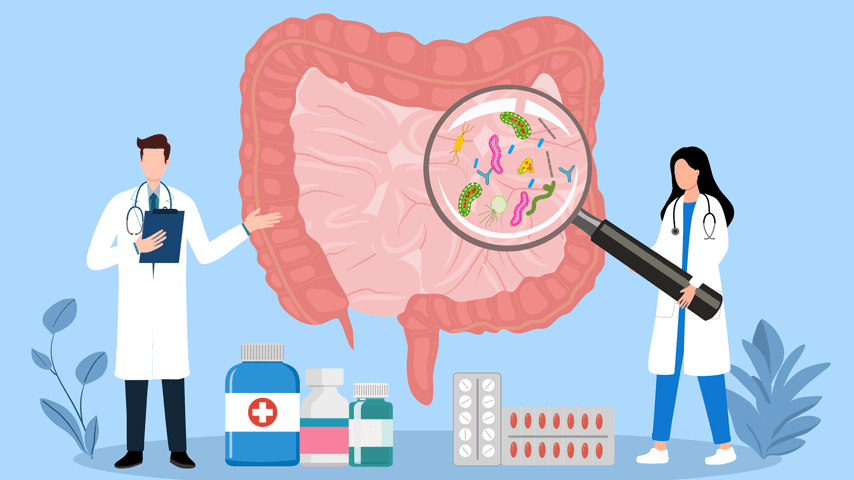
The gut microbiome is the collection of tiny organisms, including bacteria, that live in your digestive tract and are vital to maintaining your health. We didn’t fully understand just how big a role the microbiome played in general health until The National Institutes of Health began studying it as part of the Human Microbiome Project in 2007.1
What researchers found, and are still discovering, is that the unique combination of microbes in your gut can impact more than just digestion. Researchers have linked the gut microbiome to immunity, many chronic diseases, and more.
Gut microbiome vs. gut microbiota
Technically, your microbiome includes more than just microorganisms. The bacteria and other microscopic living things in your digestive tract are more correctly known as microbiota, and there are trillions of them, says Dr. Loewenthal. Microbiome is a broader term that includes microbiota and the environment where they live. “People often use these terms interchangeably, but there is a medical difference,” Dr. Loewenthal said.
What does the gut microbiome do?
The microorganisms in your gut play a key role in many aspects of health. “The gut is actually full of good or neutral bacteria and other microorganisms that help with digestion and metabolism,” said Dr. Loewenthal. “It even plays a role in the immune system and mental health as large parts of the immune system are in the gut.” Scientists are still discovering new ways the microbiome impacts us, too.
A healthy microbiome:
- Helps digest food. Gut microbes help break down some foods that your body cannot fully digest on its own, including certain types of fiber.2 As microbes break down these foods, they produce compounds that can be used by the cells in your gut and body.
- Produces certain nutrients and compounds. Gut microbes can make some vitamins and other useful compounds. They also produce short-chain fatty acids when they break down certain types of fiber.2 These compounds can help support the health of the gut and may affect other parts of the body.
- Supports immune function. Your gut microbiome works closely with your immune system. “The majority of the body’s immune tissue is actually located in the gut,” Dr. Loewenthal said.3 “The microbiome plays a direct role in training immune cells to distinguish harmful invaders from harmless substances.” Scientists are still learning how changes in the gut microbiome and aging may affect immune health.
- Communicates with the brain. There’s a good reason people refer to having a “gut feeling” or “getting butterflies in their stomach,” Dr. Loewenthal said. “Your gut and brain are in constant communication through what is called the gut-brain axis.” This connection involves the nervous system, immune signals, and chemicals made by the body, like the neurotransmitter serotonin, for instance. “The gut can influence the brain, and the brain can influence the gut,” Dr. Loewenthal continued. Research into this connection is still developing, so scientists are continuing to learn how the gut microbiome may affect mood, stress, and brain health.
How does the gut microbiome change with age?
The gut microbiome can change as we get older. The gut is home to trillions of bacteria and other tiny organisms that help with digestion, immunity, and other body functions. As part of gut microbiome and aging, the mix of these organisms may become less varied. This can affect how well the gut supports the rest of the body.
“Microbial diversity tends to decline with age, and that decline is associated with increased inflammation, as well as reduced immune resilience,” Dr. Loewenthal said.4 “But this change doesn’t occur at the same pace for everyone. What you eat, how often you exercise, stress levels, and medication use all influence how the gut microbiome changes with age. That’s why it’s so important to work with a healthcare provider who takes a holistic look at both gut health and aging.”
Why does gut health matter for older adults?
Gut health matters at every age, but it may become especially important as we get older. The gut microbiome helps break down food and plays a role in the immune system. Changes in the gut biome may also affect inflammation and digestion. This may be one reason some people notice more stomach issues and aging-related digestive changes over time.
The good news is that many things that support a healthy gut microbiome are part of an overall healthy lifestyle. Eating a variety of fiber-rich foods, staying active, getting enough sleep, and managing stress may help support gut health. If you have ongoing digestive problems, talk with your healthcare provider rather than trying to fix them on your own.
Ways to improve your gut microbiome
There are many simple ways to support a healthy gut microbiome, and you don’t need a special diet or supplement to get started. Eating a wide range of foods, staying active, managing stress, and getting regular health checkups can all help support your gut health.
“Eat diversely,” Dr. Loewenthal said. “So often, patients look for a superfood or a supplement that will ‘heal their gut.’ What actually improves the gut microbiome is a diverse diet full of fiber, healthy protein sources, probiotics, prebiotics, and more. Pair that healthy diet with regular physical activity — and things like walking or gardening count — stress management practices, and visiting a healthcare provider regularly, and you have a solid plan to improve the gut microbiome.”
Steps you can take for better gut health include:
- Eat a variety of foods. Try to include different fruits, vegetables, whole grains, beans, nuts, seeds, and healthy sources of protein.
- Eat more fiber. Fiber is a part of plants your body cannot digest. It helps you feel full and helps feed helpful bacteria in your gut. Add foods such as beans, berries, vegetables, oats, and whole grains to your meals.
- Include probiotic foods. Yogurt with live cultures, kefir (a fermented dairy drink), sauerkraut, kimchi, and other fermented foods can provide beneficial bacteria.
- Don’t forget prebiotics. Foods such as onions, garlic, bananas, asparagus, oats, and beans contain fibers that help feed beneficial gut bacteria.
- Stay active. Regular movement supports overall health and may also benefit your gut microbiome. Some research indicates that a combination of aerobic and resistance training significantly increases the different kinds of microbiota in your gut, which is linked to better health.5
- Manage stress. Because your gut and your brain communicate on a cellular level, long-term stress can affect digestion and the gut microbiome.6 Find activities that help you relax, such as walking, reading, or spending time with friends.
- Talk with your health care provider. Regular checkups can help you address stomach issues and aging-related changes and review whether any medicines may be affecting your gut.
What are prebiotics and probiotics?
Prebiotics and probiotics both support the gut microbiome, but they work in different ways. Prebiotics are types of fiber that feed helpful bacteria in the gut, while probiotics are live bacteria that can add beneficial strains to the gut.
“Prebiotics feed that beneficial bacteria in the gut. Probiotics contain strains of those beneficial gut bacteria,” Dr. Loewenthal said. “Both are essential and you can get either from supplements.” But, she added, “It’s better whenever you can to get these from real foods, especially for probiotics. Getting probiotics from your diet allows you to get more strains of probiotics, whereas supplements often have a high concentration of one type. When it comes to the gut microbiome, we always want to be thinking about diversity.”
Gut microbiome supplements
Most older adults do not need a gut microbiome supplement if they eat a varied diet and have no specific health concerns. Probiotic supplements may be helpful for some people, but the benefits can depend on the type and amount of bacteria they contain. If you’re considering a probiotic, look for a product that lists the specific strains and talk with your healthcare provider first, especially if you take other medications or are being treated for other health conditions.
Prebiotic supplements, such as fiber supplements, may be an option if you are not getting enough fiber from food. A healthcare provider or registered dietitian can help you decide whether a supplement makes sense for you.
When should you talk to a health care provider about gut health?
You don’t have to wait for a serious problem to talk about your gut health. Bring up changes in digestion during a regular checkup, especially if they keep happening or are affecting your daily life. This is especially important as part of the conversation about gut microbiome and aging.
“Since gut health impacts so many aspects of our health, I regularly check in with patients about their gut,” Dr. Loewenthal said. “Not all healthcare providers have the time and resources to do this, but it’s something a patient can bring up during regular check-in appointments. Specific signs to see a healthcare provider about gut health specifically include bloating, changes in bowel movements, chronic acid reflux, and ongoing abdominal pain.”
Frequently asked questions
What are signs of an unhealthy gut microbiome?
There isn't one specific set of symptoms that proves you have an unhealthy gut microbiome. Some causes may include ongoing bloating, gas, constipation, diarrhea, stomach pain, or changes in bowel movements. These symptoms can have many causes, so talk with a healthcare provider about them.
Where is your gut microbiome?
Your gut microbiome is made up of bacteria and other tiny organisms that live throughout your digestive tract, with the largest number found in your large intestine. It is one part of the gut biome that helps support digestion and other body functions.
Are there tests to test your gut microbiome?
At-home stool tests can measure some of the bacteria in your gut microbiome, but they are not usually needed to check overall gut health. Talk with your healthcare provider before paying for a microbiome test, since the results may not tell you what you need to know.
What is dysbiosis?
Dysbiosis is a change or imbalance in the types and amounts of microorganisms in the gut microbiome. It can happen for many reasons, including diet, illness, stress, or certain medicines.
Sources
1. The Human Microbiome, Diet, and Health: Workshop Summary. National Academies Press. 2013. Found on the Internet at: https://www.ncbi.nlm.nih.gov/books/NBK154091/
2. Jandhyala SM et al. Role of the normal gut microbiota. World Journal of Gastroenterol. Aug. 7, 2015. Found on the Internet at: https://pmc.ncbi.nlm.nih.gov/articles/PMC4528021/#sec6
3. Wiertsema SP, van Bergenhenegouwen J, Garssen J, Knippels LMJ. The Interplay between the Gut Microbiome and the Immune System in the Context of Infectious Diseases throughout Life and the Role of Nutrition in Optimizing Treatment Strategies. Nutrients. March 9, 2021. Found on the Internet at: https://pmc.ncbi.nlm.nih.gov/articles/PMC8001875/
4. Badal VD et al. The Gut Microbiome, Aging, and Longevity: A Systematic Review. Nutrients. Dec. 7, 2020. Found on the Internet at: https://pmc.ncbi.nlm.nih.gov/articles/PMC7762384/#sec5-nutrients-12-03759
5. Varghese S, Rao S, Khattak A, Zamir F, Chaari A. Physical Exercise and the Gut Microbiome: A Bidirectional Relationship Influencing Health and Performance. Nutrients. Oct 28, 2024. Found on the Internet at: https://pubmed.ncbi.nlm.nih.gov/39519496/
6. Foster JA, Rinaman L, Cryan JF. Stress & the gut-brain axis: Regulation by the microbiome. Neurobiology of Stress. March 19, 2017. Found on the Internet at: https://pmc.ncbi.nlm.nih.gov/articles/PMC5736941/