

Related Topics
When Tracy developed a severe headache, she thought it was related to her chronic obstructive pulmonary disease (COPD). But then the nagging cough started: "... That coughing was the kind that you coughed and your side hurt, and your stomach hurt, and you couldn't quit coughing, no matter what you did. And I got to the point where I couldn't stand up very long."
Tracy's husband whisked her to the ER, where she learned she had respiratory syncytial virus, also known as RSV.
While RSV is often mild in younger adults, it can cause more serious illness in people over 60. Understanding how long RSV lasts, what symptoms to watch for, and how to protect yourself can help you successfully weather cold and flu season this year.
What is RSV?
RSV is a common respiratory virus that causes mild symptoms in most people. While it’s often thought of as a childhood illness, it can affect us when we’re older as well—especially in the fall and winter.
RSV spreads easily through droplets produced when someone coughs or sneezes, or by touching contaminated surfaces and then touching your face. In healthy adults, it typically feels like a cold. But for those who are older or live with heart or lung disease, diabetes, or a weakened immune system, RSV can lead to more serious infections like bronchitis or pneumonia.
Since RSV symptoms often resemble those of other seasonal illnesses (like COVID and the flu), many people don’t realize they have RSV until they’ve been coughing and feeling run-down for days.
How long does RSV last?
RSV usually follows a predictable timeline:
- Incubation period: The virus typically incubates for about four to six days after exposure, before symptoms appear. People with RSV may be contagious for a day or two before they show signs of illness.
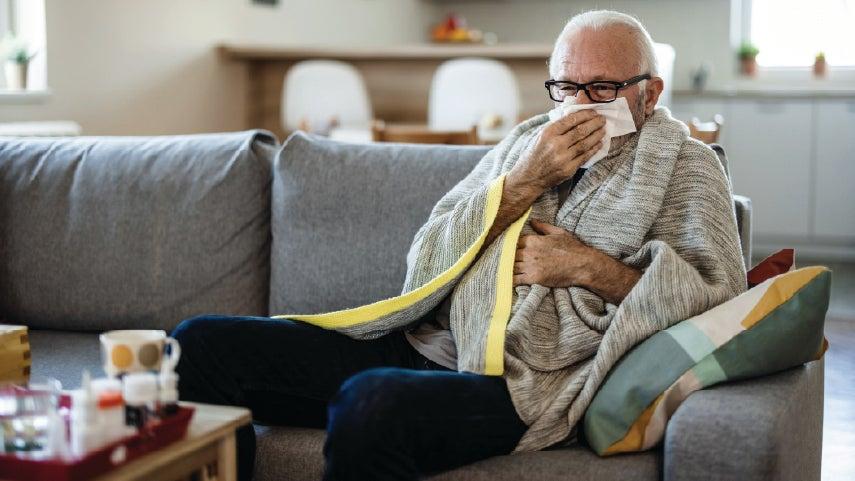
- Early symptoms: You may start with a runny or stuffy nose, sneezing, sore throat, and/or a mild, dry cough. You may also have a slight fever.
- Peak illness: Around days four and five, RSV symptoms tend to be at their worst. You may be congested, coughing, and feel tired and sluggish as your immune system works hard to fight the virus.
- Recovery: Most adults begin to feel better within one to two weeks, though some experience a lingering cough or tiredness for several more weeks.
For older adults, recovery can take longer because our immune system doesn’t fight viruses as efficiently as we age. A cough that lasts three or even four weeks isn’t unusual, though symptoms should gradually improve over time.
If you have an underlying chronic condition like asthma or congestive heart failure, you may notice the symptoms related to that condition (e.g., trouble breathing or swelling in your legs) get worse.
It’s easy to mistake RSV for a cold, COVID, or the flu. RSV tends to cause more chest congestion and fatigue than a typical cold, but it usually doesn’t hit as suddenly or as hard as the flu. If your symptoms drag on or worsen instead of improving, that could signal you have something more than a cold.
How to manage RSV at home
While COVID and the flu can be treated with antivirals, there’s no specific medication to cure RSV. And since RSV is caused by a virus, not bacteria, antibiotics are not effective in treating it.
But there’s plenty you can do to feel better and support your RSV recovery at home:
- Rest: Like with any infectious illness, give your body time to heal and recuperate. Even mild RSV can sap your energy.
- Stay hydrated: Drink plenty of fluids, like water or herbal tea, to help thin mucus and prevent dehydration. Choose beverages without added sugar or caffeine. Clear, broth-based soups work, too.
- Ease congestion: Use a humidifier, neti pot, or saline nasal spray to reduce congestion. If your throat is sore, try honey or lozenges designed for sore throat pain.
- Relieve fever and discomfort: Over-the-counter pain relievers such as acetaminophen or ibuprofen can reduce fever and ease body aches. Be sure to follow the dosage directions on the label (or your doctor’s guidance).
- Avoid irritants: Avoid secondhand smoke and strong cleaning fumes, since air pollutants can make your RSV symptoms worse.
“Most people recover from RSV with rest and basic self-care measures,” explained Dorothea Vafiadis, Senior Director of NCOA's Center for Healthy Aging. “But take it easy—pushing yourself to get back to your daily routine too soon can slow your recovery. If you live alone, consider checking in with a friend or family member until you’re feeling back to normal.”
When to call a doctor
While the majority of RSV infections clear up on their own, that’s not always the case. Call your health care provider if any of these warning signs emerge:
- Your symptoms last longer than 10 days or are getting more severe instead of better.
- You develop a severe or worsening cough, shortness of breath, wheezing, or chest tightness.
- You have a high (or returning) fever or one that won’t go down with medication.
- You notice bluish lips or fingers, which may indicate low oxygen levels.
- You experience new confusion, dizziness, or unusual fatigue.
Trust your instincts, and don’t wait to see if your symptoms improve. Although there’s no specific treatment for RSV, you may need medical intervention to prevent serious complications and hospitalization. Knowing how long RSV typically lasts and when to call your doctor can mean the difference between a short recovery and a lengthy hospital stay. Up to 180,000 older adults are hospitalized for RSV-related issues each year in the U.S.1
Your best protection: getting the RSV vaccine
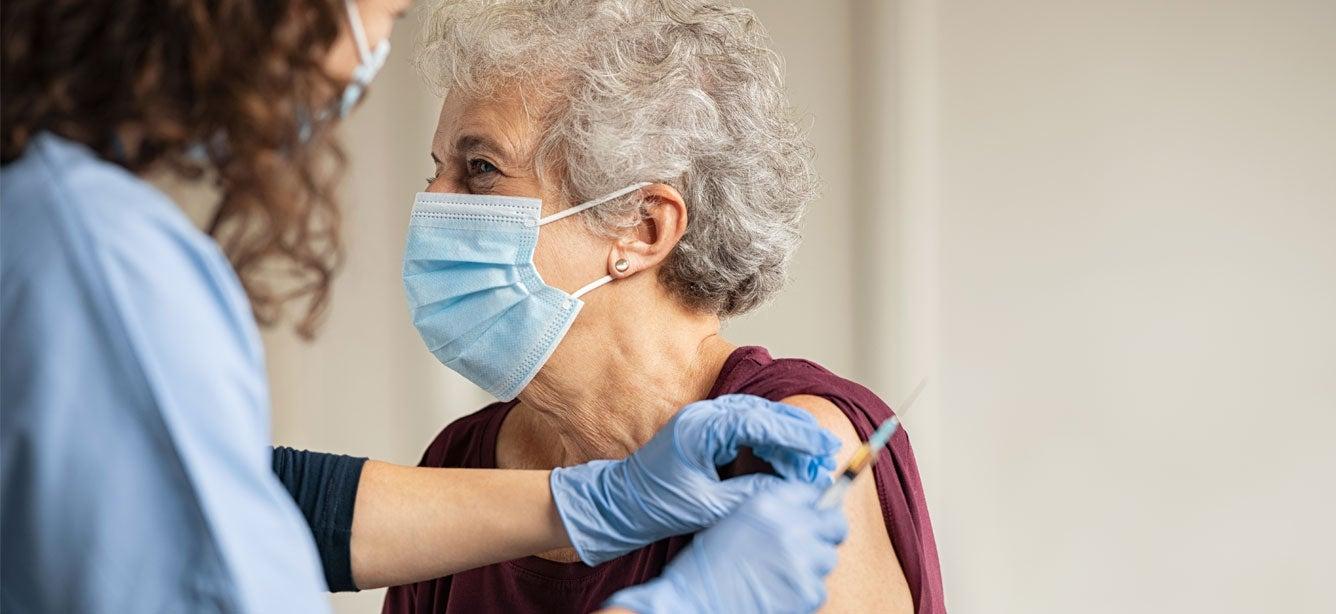
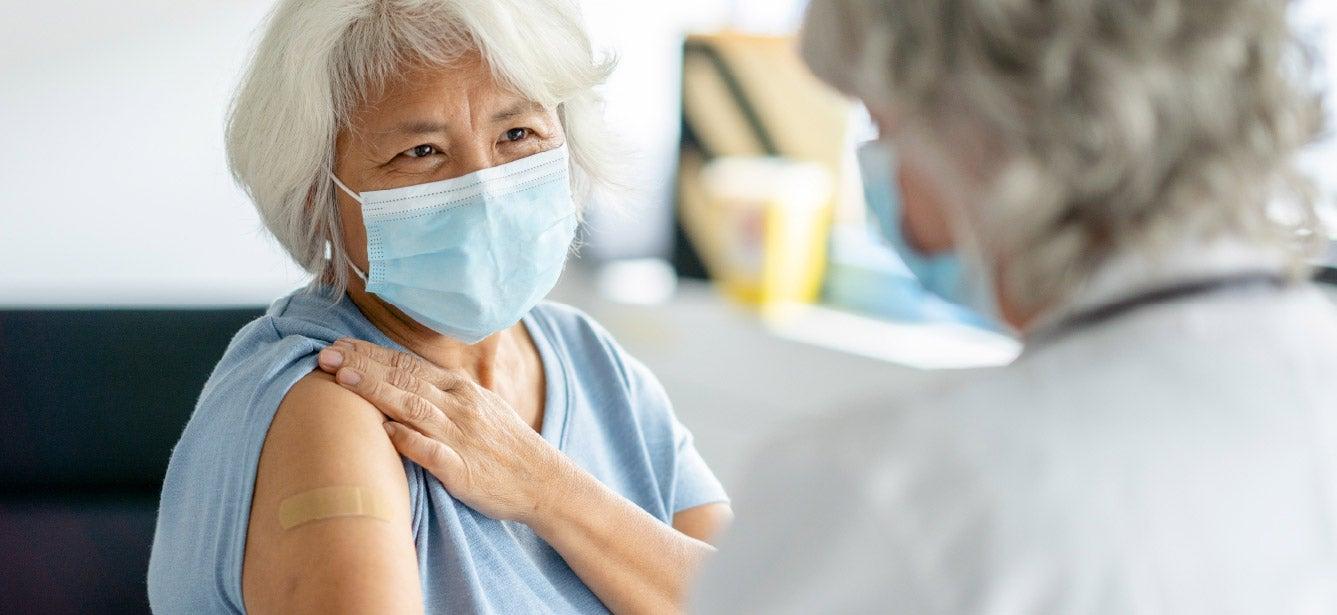
One of the best ways to stay healthy during RSV season is to get vaccinated. In 2023, the first RSV vaccines for adults age 60 and older were approved in the U.S.—a major breakthrough in protecting older people from severe illness. In clinical trials, people who got the single-dose RSV shot were about 83% less likely to get an RSV-related lung infection and about 94% less likely to get a severe RSV lung infection compared to those who got a placebo.2
The Centers for Disease Control and Prevention (CDC) recommends a single-dose RSV vaccine for all adults age 75+ and adults age 50-74 who have risk factors for severe RSV.
Talk with your health care provider about whether the RSV vaccine is right for you, based on your health and the level of transmission in your community. The best time to get the vaccine is in the late summer or early fall before RSV season starts. But you can still benefit from it later in the year.
Along with getting vaccinated, a few common-sense habits can help reduce your risk of illness:
- Wash your hands frequently, especially after being in public places. If you don’t have soap, use alcohol based sanitizer.
- Avoid close contact with anyone who’s coughing or sick.
- Stay current on your other vaccines, such as flu, COVID, and pneumococcal shots, to strengthen your overall protection.
Together, these steps create a powerful defense against winter viruses and help keep you healthy all season long.
Remember Tracy? She acted quickly and made a full recovery from RSV. “I am so grateful after RSV that I can still make plans to travel and do what I want,” she said. “Everybody thinks it's a cold, a bad cold. And it could be a lot worse than a bad cold. I am thankful for seeking help… That is the big key, is to go as soon as you notice some symptoms.”
A little knowledge—and a quick conversation with your doctor about the RSV vaccine—can help you get through the season in good health.
Sources
1. Centers for Disease Control and Prevention (CDC). RSV in Older Adults and Adults with Chronic Medical Conditions. Found on the internet at https://www.cdc.gov/rsv/older-adults/
2. CIDRAP. FDA approves nation's first RSV vaccine for people 60 and older. May 3, 2023. Found on the internet at https://www.cidrap.umn.edu/respiratory-syncytial-virus-rsv/fda-approves-nations-first-rsv-vaccine-people-60-and-older
Funding for This Resource Made Possible By Our Partner
Protect Yourself from Shingles
If you’re 50 or older, you may be eligible to get the shingles vaccine at no cost through Medicare, Medicaid, or private insurance. Use the locator tool to find a vaccination site near you and schedule your appointment.