

Related Topics
If you have diabetes yourself—or help care for someone who does—you’re likely well aware of common complications and how to prevent and manage them.
But what about your ears?
As it turns out, diabetes affects them, too.
“Many people I talk to are surprised to learn that diabetes can cause hearing loss,” said Gretchen Dueñas-Tanbonliong, MS, MPH, RDN, Associate Director of Health and Wellness at NCOA. “It’s typically not something that’s discussed all that much; right or wrong, hearing loss is less of a ‘priority issue’ than things like diabetes-related kidney failure, cardiovascular disease, and the risk for amputation, for instance.”
In reality, people with diabetes are twice as likely to experience hearing loss than those without the condition.1 Even knowing this, the connection can still be hard to recognize. That’s because, as Tanbonliong explained, diabetes and hearing loss both become more likely as we age.2,3
“So the question is: which came first?” she said.
There may be no foolproof way to know for sure. As many as 1 in 4 adults with diabetes don’t even realize they have it.4
“That’s why it’s so important to be educated and proactive about your health,” Tanbonliong said. “When you’re aware of the relationship between diabetes and hearing loss, you can take steps to protect your ears. And these steps can help you whether or not you ever develop diabetes.”
Ready to learn more? In this guide, we’ll explain what scientists currently know about diabetes and hearing loss. We’ll also:
- Identify hearing loss signs and symptoms to be aware of
- Outline strategies you can use to prevent or reduce it
- Discuss ways you can treat diabetes-related hearing loss
Can diabetes cause hearing loss?
Yes. Researchers are still working to understand the complex relationships between the two. But they generally agree on a few likely explanations. Before diving into those, it’s helpful to review some diabetes basics.
Diabetes affects the pancreas—the organ that produces insulin. Insulin, in turn, is a hormone that regulates blood glucose (“sugar levels”). When you have diabetes, your pancreas doesn’t work the way it’s supposed to. Either it produces too little insulin, or it can’t effectively use the insulin it does produce.
Sometimes, it’s both. In each case, the result is the same: high blood sugar, known medically as hyperglycemia. If you’re hyperglycemic, you may be very thirsty, need to pee a lot, or feel constantly tired despite getting enough rest.
On the other hand, people with diabetes also can experience the opposite: low blood sugar, or hypoglycemia. If you’re hypoglycemic, you may feel very hungry, get dizzy or lightheaded, or suddenly be very sweaty.
That’s why it’s crucial to stabilize and control blood sugar levels. This prevents the many negative, and sometimes life-threatening, side effects of diabetes. Diabetes can affect your eyes, your kidneys, and your heart. Left uncontrolled, it can cause blindness, neuropathy (nerve damage and pain), and stroke. Doctors prescribe medications (including replacement insulin), dietary changes, and lifestyle modifications to help patients avoid such complications.
So, what does any of this have to do with hearing?
Scientists believe diabetes can affect your hearing for one of two reasons. Either it negatively affects oxygen supply to structures in the inner ear, or it deprives these structures of fuel.
Here’s why and how:1, 5, 6, 7, 8
- High blood sugar: Over the long term, uncontrolled hyperglycemia likely causes the small blood vessels in your inner ear to become inflamed or to narrow. This can damage the auditory (hearing) nerve itself or its little sensory hairs.
- Low blood sugar: Episodes of hypoglycemia starve auditory nerve cells of the energy they need to function. This interferes with nerve pathways, meaning that sounds don’t travel between the inner ear and the brain the way they should.
In short, abnormal blood glucose levels affect how the inner ear captures and processes sound. If you have diabetes-related hearing loss, you may notice hearing changes in one or both ears.
The inner ear damage caused by diabetes results in a type of hearing loss called “sensorineural.” Generally, sensorineural hearing loss is permanent and you can’t reverse it. You can prevent it, however—and there are several effective ways to treat it. More on this below.
What type of diabetes causes hearing loss?
Both Type 1 and Type 2 diabetes can affect our hearing.7,9 Notably, between 90% and 95% of people with diabetes in the U.S. have Type 2.10 This means the relationship between Type 2 diabetes and hearing loss is much more common and better understood.
Diabetes and tinnitus
Tinnitus is a fancy name for a common phenomenon: a noise in your ears that only you can hear.
Most often, it’s a high-pitched whine, like a cicada singing in July. It also can sound like the sea rushing into your head—or a swarm of bees taking up residence there. Some people describe a loud buzzing or ringing. Tinnitus can be fleeting or persistent, faint or loud. You might notice it in one ear or both.
Tinnitus happens to 1 in 5 older adults.11 It’s not a disease in itself; rather, it happens because of other underlying issues. In 90% of cases, hearing loss is to blame.
In the context of diabetes specifically, tinnitus can be triggered by:12,13
- Sensorineural damage due to fluctuating blood sugar13
- High blood pressure13, 14, 15
- Ototoxic drugs (medications that can damage the ear) like diuretics (water pills)15,16
Can high blood pressure cause ringing in the ears?
Yes, tinnitus and hypertension (high blood pressure) are closely linked.15
Hypertension affects blood vessels throughout your body. Over time, high blood pressure can cause these vessels to become inflamed, narrow, or stiffen.17 This further increases the force of blood traveling through them.
When this happens in the inner ear, you can perceive the force as sound. This is called “pulsatile tinnitus.”18 Also, just as abnormal blood sugar can damage the structures of the inner ear, so can high blood pressure.15
Understanding early signs of auditory damage
Diabetes-related hearing loss can be subtle at first, and hard to notice. According to the Hearing Health Foundation, it can take up to eight years before someone with diabetes recognizes there’s a problem.19 By then, the damage may be permanent.
“It’s important to really be tuned into your hearing—pun sort of intended,” Tanbonliong said. “Catching potential changes early helps preserve the hearing you have and prevent further damage.”
If you find yourself doing any of the following, it’s probably a good idea to get your hearing checked:
- Frequently saying, “What?”—especially in crowded spaces
- Often turning up the volume on your TV—even when others can hear it fine
- Regularly skipping social gatherings—despite truly wanting to attend
- Sometimes feeling bothered by background noise—as if it muffles out everything else
- Commonly not hearing everyday sounds—like your doorbell, alarm clock, or phone
Protecting your ears: how to prevent hearing loss and further damage
If you have diabetes, the most important thing you can do to protect your hearing health is to schedule a baseline hearing test and annual follow-ups. This helps you and your audiologist (a licensed hearing specialist) better identify any changes year-to-year and address them quickly.
You can do other things, too. These include:
- Closely monitoring and managing your blood glucose levels
- Regularly checking your blood pressure and discussing with your doctor if it’s consistently high
- Asking whether your medication is ototoxic and if there’s an effective alternative that won’t damage your ears
- Always wearing proper ear protection around loud noises, such as lawn equipment, concerts, and sporting events
- Limiting the amount of time you use earbuds and turning down the volume to the lowest level you can hear
In fact, whether you have diabetes or not, many of these steps will benefit your hearing health.
Finally, if you suspect you have hearing loss that could be related to undiagnosed diabetes, talk to your primary health care provider. They can help identify or rule out any underlying medical causes that a basic hearing test won’t. And, if your doctor orders diagnostic hearing and balance exams for this reason, Medicare will cover the cost.
Diabetes hearing loss treatment and management
In most cases, you can’t reverse hearing loss caused by diabetes. But you can treat it.
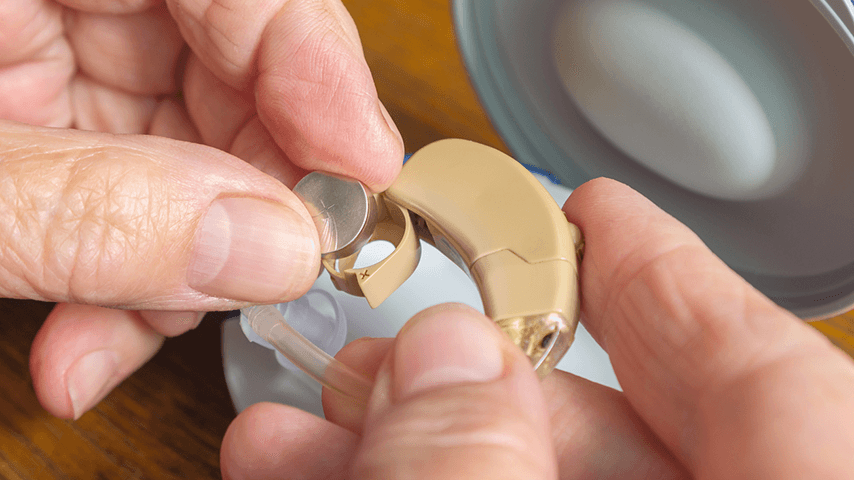
Can hearing aids help with diabetes hearing loss? Absolutely. And there are many options available these days.
So, what are the best hearing aids for diabetes-related hearing loss?
A lot depends on your lifestyle, the shape of your ears, your personal preferences and—of course—your budget. Medicare does not cover hearing aids, and some of them can be quite expensive. Our comprehensive hearing aid buyers guide can help you get started. Learn about the differences between prescription and over-the-counter devices, how much they cost, and where and how you can get them.
FAQ
Can diabetes hearing loss be fixed?
Yes and no. Over time, unhealthy blood glucose levels can damage the nerves that carry sound from your inner ears to your brain. This is called sensorineural hearing loss, and you can’t reverse it. But you can treat it. Some of the best affordable hearing aids are highly effective for mild to moderate hearing loss. You might also consider cochlear implants for hearing loss if your impairment is severe or if hearing aids no longer work well.
Is hearing loss a symptom of undiagnosed diabetes?
Possibly. About 25% of people with diabetes don’t know they have it. And those with diabetes are nearly twice as likely to develop sensorineural hearing loss. Still, this type of hearing loss is also quite common as we age; by the time we reach our mid-70s, nearly half of us will experience it. The only sure-fire way to know whether diabetes has caused any hearing loss is to ask your primary health care provider to screen you for the condition.
How does diabetes cause hearing loss?
There are three ways that diabetes can affect your hearing: 1) Uncontrolled hyperglycemia (high blood sugar) can both narrow the blood vessels in your inner ear and injure your auditory nerve; 2) Chronic hypoglycemia (low blood sugar) can negatively affect how sounds travel from your inner ear to your brain; 3) Some medications that treat diabetes, including diuretics (water pills) and synthetic insulin, are ototoxic (can damage your hearing).
Does Medicare cover hearing tests for people with diabetes?
Yes. Medicare will pay for a hearing test if your doctor believes it’s medically necessary to effectively diagnose and treat an underlying condition like tinnitus or diabetes. Your doctor will need to order the test to satisfy Medicare’s requirements. And you still will be responsible for your 20% deductible and any applicable co-payments20 (Medicare does not cover routine hearing tests or the costs for getting hearing aids).
Sources
1. CDC. Diabetes. Hearing Loss. May 15, 2024. Found on the internet at https://www.cdc.gov/diabetes/diabetes-complications/diabetes-and-hearing-loss.html
2. Jodi Helmer. How Age Relates to Type 2 Diabetes. WebMD. June 15, 2024. Found on the internet at https://www.webmd.com/diabetes/diabetes-link-age
3. National Institute on Deafness and Other Communication Disorders. Age-Related Hearing Loss (Presbycusis). Found on the internet at https://www.nidcd.nih.gov/health/age-related-hearing-loss
4. CDC. Diabetes. A U.S. Report Card. March 16, 2026. Found on the internet at https://www.cdc.gov/diabetes/communication-resources/diabetes-statistics.html
5. American Diabetes Association. Diabetes and Hearing Loss. Found on the internet at https://diabetes.org/about-diabetes/complications/hearing-loss/diabetes-and-hearing-loss
6. Family Ear, Nose & Throat, LLC. The Overlooked Impact Diabetes Can Have on Hearing Health. Found on the internet at https://www.familyentllc.com/the-overlooked-impact-diabetes-can-have-on-hearing-health/
7. Beth Sissons. What to know about diabetes and hearing loss. Medical News Today. March 31, 2022. Found on the internet at https://www.medicalnewstoday.com/articles/diabetes-hearing-loss
8. Valley Hearing Center. How Diabetes Could Be Silently Affecting Your Hearing. Found on the internet at https://valleyhearingcenter.com/how-diabetes-could-be-silently-affecting-your-hearing/
9. Yun Yeong Li et al. Type 1 Diabetes Induces Hearing Loss: Functional and Histological Findings in An Akita Mouse Model. Biomedicines. Sept. 11, 2020. Found on the internet at https://www.mdpi.com/2227-9059/8/9/343
10. CDC. Diabetes. Type 2 Diabetes. May 15, 2024. Found on the internet at https://www.cdc.gov/diabetes/about/about-type-2-diabetes.html
11. Berthe C. Oosterloo, et al. Prevalence of Tinnitus in an Aging Population and Its Relation to Age and Hearing Loss. Otolaryngology–Head and Neck Surgery. Sept. 29, 2020. Found on the internet at https://pubmed.ncbi.nlm.nih.gov/32988263/
12. Hearing Health Foundation. Hearing Loss & Tinnitus Statistics. Found on the internet at https://hearinghealthfoundation.org/hearing-loss-tinnitus-statistics
13. American Tinnitus Association. Causes. Found on the internet at https://www.ata.org/about-tinnitus/why-are-my-ears-ringing/causes/
14. Johns Hopkins Medicine. Diabetes and High Blood Pressure. Found on the internet at https://www.hopkinsmedicine.org/health/conditions-and-diseases/diabetes/diabetes-and-high-blood-pressure
15. American Hearing+Audiology. Hypertension and Tinnitus: What’s the Connection? Oct. 22, 2025. Found on the internet at https://americanhearing.us/hypertension-and-tinnitus-whats-the-connection/
16. Dr. Kent Collins. Ototoxicity: A Guide to Medicine-Induced Hearing Loss. Audibel. March 7, 2024. Found on the internet at https://www.audibel.com/preventative-care/ototoxicity-overview/
18. Kim Hack-Lyoung. Arterial stiffness and hypertension. Clinical Hypertension. Dec. 1, 2023. Found on the internet at https://clinicalhypertension.org/DOIx.php?id=10.1186/s40885-023-00258-1
19. Cleveland Clinic. Pulsatile Tinnitus. Sept. 9, 2025. Found on the internet at https://my.clevelandclinic.org/health/diseases/23422-pulsatile-tinnitus
20. Robert M. DiSogra, AudD. Hearing Loss From Diabetes: The ‘Silent’ Side Effect. Hearing Health Foundation. Sept. 2, 2025. Found on the internet at https://hearinghealthfoundation.org/blogs/hearing-loss-from-diabetes-the-silent-side-effect
21. Medicare.gov. Hearing & balance exams. Found on the internet at https://www.medicare.gov/coverage/hearing-balance-exams#coverage-content-details
Explore Our Best Hearing Aids Review
Hearing loss can impact well-being. The right hearing aid can make a huge difference. Learn more about our top recommendations based on affordability, comfort, and more.