
Crafting an Effective Falls Prevention Strategy: A Step-By-Step Guide
5 min read
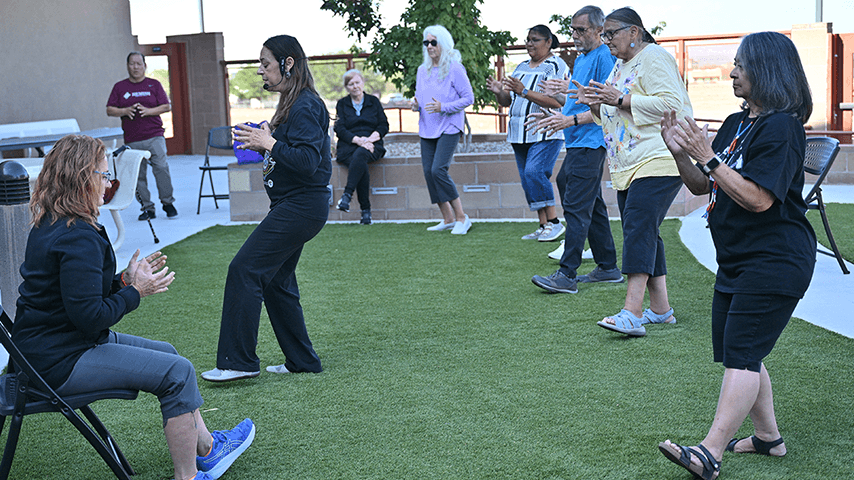
Evidence-based programs are a proven way to educate older adults about essential health information, including strategies for preventing falls and promoting overall well-being. The implemntation of evidence-based falls prevention programs is also important for communities looking to address the issue of falls among older aadults.
NCOA recognizes that program implementation requires a strong commitment from organizations to execute the program with integrity to its original design. Also, at every phase of implementing an evidence-based program, from recruitment and leader trainings, program delivery, and evaluation, fidelity should be considered and monitored by all personnel. This helps ensure quality assurance for falls prevention programs that have been approved by the U.S. Administration for Community Living (ACL) as meeting strict evidence-based criteria for health promotion and disease prevention programs.
This article provides a comprehensive guide to help you craft and implement an effective falls prevention evidence-based programs, focusing on the planning, partnering, training, and launch phases. We will also explore key concepts from various communities and their delivery of falls prevention EBPs, including ROI, data-driven approaches, and client feedback surveys.
Planning your falls prevention program
The planning phase is the foundation of a successful falls prevention program. Program planning involves two major decisions—commitment to the implementation of the program and identifying and addressing the step-by-step process for conducting the critical aspects of the implementation.1
Also, organizations funded by the ACL falls prevention programs are required to complete semi-annual, final, and financial reports. It is crucial to thoroughly review the grant reporting requirements and expectations during the planning phase ahead of setting your timelines and milestones. Understanding these guidelines will help you create a clear roadmap for your project and ensure you meet all necessary criteria.
You should also begin by conducting a thorough needs assessment to understand the specific challenges and opportunities within your community. This involves gathering local data on falls incidents and analyzing trends to meet your goals.
- Use this NCOA tool to search for approved falls prevention evidence-based programs.
- Set Timelines and Milestones: Creating a detailed timeline with clear milestones is essential for tracking progress. Take a look at this guide and additional resources to help you plan and deliver your program.
- Grant management is also an important element of program implementation and sustainability strategy. Learn from five panelists who shared various strategies for sustaining program funds during a panel discussion.
- Explore these tips for finding non-traditional funding options, which can be a huge boost to the successful implementation of evidence-based programs.
Partnering for success
Building strong partnerships is vital for the success of a falls prevention program. Collaborate with local healthcare providers, community centers, and government agencies. These partnerships can provide added resources, enhance program credibility, and increase outreach.
- Find an NCOA Partner: Use this map to locate our partners and programs that are nearest to you.
- This strategic partnerships article highlights webinars, resources, and success stories relevant to former and current grantees, focusing on building strategic partnerships.
- Consider using the Partnership Assessment Tool to assess partnership alignment, network construction, and define responsibilities.
- Learn how to seek out new partnerships in your falls prevention work, how to best keep in touch with partners, and how existing relationships can help.
Engaging stakeholders
Engage community stakeholders by organizing informational meetings and workshops. When you highlight the benefits of the fall prevention program, including improved quality of life for participants and potential cost savings for healthcare providers, this has proven to be attractive to successful organizations who are deliberate and strategic about their choice of partners.
- Check out this success story from Fall Prevention 2023 grantee Rush University Medical Center and their mission to respond to community needs as they arise through resource connection, health promotion and education, and advocacy with a CHW workforce that represents the communities they serve.
- Learn How to Engage Caregivers in Evidence-Based Programs.
Training and development
Comprehensive training ensures that staff, program leaders, and volunteers are well-equipped to deliver the program effectively. Training should cover falls prevention strategies, communication skills, and data collection methods. Leaders, coaches, or facilitators serve as the driving forces for promoting EBPs in our communities.
Here are a few resources for you to take advantage of while recruiting, training, and retaining program leaders:
- Strategies for supporting new leaders include scheduling a workshop before leader training and clearly communicating expectations. Use this guide to help new leaders overcome barriers.
- Tips for Recruiting and Supporting Volunteers as Evidence-Based Program Leaders
- Tips for Managing Staff Transitions and Maintaining Evidence-Based Program Delivery Capacity
Launch and evaluation
A successful launch of a falls prevention program requires strategic planning, marketing, and execution. Well-executed programs not only foster a safer environment but also raise awareness in the community about the importance of fall prevention. Take a look at our 2020 falls prevention grantees grant impact summaries showcasing the key accomplishments, valuable lessons learned, and next steps to sustain their programs. Discover additional insights to help you launch, evaluate and sustain your programs for the long term below!
Make the most of your media moment
Publicize the program through local media and social networks to attract participants; host an engaging launch event to generate excitement and awareness. Your community also plays an important role in falls prevention delivery. Remember to engage them for support. Check out these resources and toolkits to help you market your program:
- See various marketing and recruitment strategies used for different groups.
- Learn How to Plan a Falls Prevention Event.
- Tips for Planning a Falls Prevention Day of Action
- Incentives can be an effective strategy to encourage participation and retention in community-based programs. Check out this how-to guide on using incentives.
Use data to manage program involvement
Incorporate data-driven approaches by setting up systems for collecting and analyzing participant data. NCOA’s Healthy Aging Programs Integrated Database (HAPID®) provides a one-stop shop for all grantees and database users to enter workshop data and track performance for both CDSME and Falls Prevention evidence-based programs. You can also receive help with developing and implementing client feedback surveys to gather participant experiences and suggestions. Utilize these resources to refine program components, prove effectiveness, implement continuous improvements, and ensure the program effectively meets community needs:
- Data Collection Tools for Falls Prevention Programs
- Know the difference between program participants and completers. Check out this article on Falls Prevention Program Participants vs. Completers: How Are They Tracked? for more information.
- Tip Sheet: Maximizing Complete and Accurate Data
- Learn from the Oregon Health Authority and their partners how they successfully implemented the CDC STEADI electronic health record (EHR) into their clinical practice.
How to measure return on investment
Evaluating the return on investment (ROI) is essential for highlighting the program's value to funders and stakeholders. This involves calculating ROI by contrasting the program’s costs with the savings generated from fewer falls-related injuries and reduced healthcare expenses.
- Read Community Care Hubs: The Essentials of Data-Sharing to learn how a secure data-sharing infrastructure and workflows can go through multiple iterations to make it more efficient, more exact, and cost-effective.
- Falls Prevention Programs: Saving Lives, Saving Money Infographic
Program sustainability
Crafting business and sustainability plans are the blueprint to sustain and expand access to programs beyond the scope of grant funding.2 Develop and Implement client feedback surveys to gather participant experiences and suggestions. You can use these resources and feedback to make continuous improvements and ensure the program effectively meets community needs:
- One tool you can use to assess the ability to sustain a falls prevention evidence-based program is the Program Sustainability Assessment Tool (PSAT).
- For more information about sustainability, visit Key Components of Evidence-Based Programming: Sustainability.
Developing and implementing a falls prevention program is a multifaceted process that requires careful planning, collaboration, and evaluation. By following these guidelines, using resources from other grantees, adopting data-driven methods, and engaging stakeholders, you can also successfully implement an effective, evidence-based program to reduce falls and improve the well-being of older adults in your community.
Sources
1. NCOA. Program planning. Center for Healthy Aging. Found on the internet at https://www.ncoa.org/article/program-planning/
2. NCOA. Planning and Sustainability to Expand Access to Evidence-Based Programs. Found on the internet at https://www.ncoa.org/article/business-planning-sustainability/
Photo copyright for NCOA use only
This project was supported by the Administration for Community Living (ACL), U.S. Department of Health and Human Services (HHS) as part of a financial assistance award totaling $5,000,000 with 100 percent funding by ACL/HHS. The contents are those of the author(s) and do not necessarily represent the official views of, nor an endorsement, by ACL/HHS, or the U.S. Government.