
Using Session Zero to Boost Falls Prevention Program Completion, Data Quality, and Participant Experience
5 min read
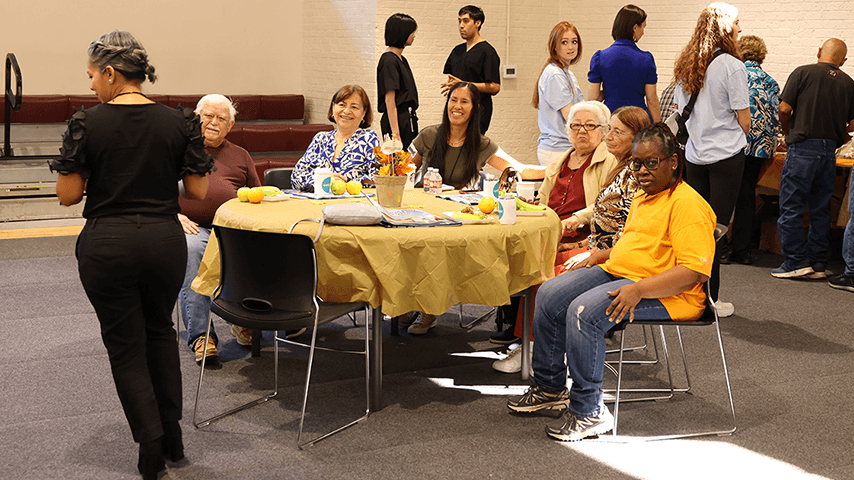
What started as a practical strategy to streamline falls prevention program recruitment and orient participants has beome a powerful tool for improving program outcomes.
Today, more falls prevention program providers are integrating a "Session Zero" into their standard delivery model because it:
- Improves retention, completion, data quality, and participant satisfactions
- Reduceds burden for staff and facilitators
What is a Session Zero?
Session Zero is an optional preparatory meeting held before the official first session of an evidence-based program. It may take place at the delivery site or remotely and can be led by a program facilitator, coordinator or another trained staff member.
Typical Session Zero goals and activities include:
- Introductions and rapport-building—Helping participants feel welcome and connected and giving facilitators a chance to meet participants and assess group dynamics.
- Program orientation—Reviewing program content, attendance expectations, and materials so facilitators can start the first session smoothly.
- Paperwork and assessments—Completing baseline surveys, risk assessments or enrollment forms, which allows staff to collect accurate data upfront and avoid delays later.
- Personal goal setting—encouraging participants to reflect on their objectives while providing coaches an opportunity to identify individual support needs early.
- Staff check-ins—brief discussions with facilitators and coaches to clarify expectations, address potential challenges and review logistics, helping classes run more efficiently.
- Interactive engagement activities—such as brief brainstorms, pair-and-share discussions, trivia or simple games related to workshop content or self-management concepts.
What are the key benefits of holding a Session Zero?
Key Benefits | |||
| With Session Zero | Without Session Zero | ||
| Higher participant completion and retention | Drop-off after first session | ||
| Accurate and timely assessments | Delays in paperwork; missing data | ||
| Participants arrive prepared and engaged | Confusion or hesitation at first session | ||
| Improved participant confidence and comfort | Anxiety entering first session without context | ||
| Easier class administration for facilitators | More administrative burden, less time for engagement | ||
Improved completion rates
Participants who understand the program’s value upfront are more likely to stay engaged. FP program providers report fewer missed sessions after adopting Session Zero.
Stronger data and smoother start
Completing falls prevention forms during Session Zero not only streamlines the first official class session but also helps programs gather more accurate baseline information. Participants can ask questions about any survey items to ensure they fully understand what is being requested.
Although surveys are optional, facilitators can explain how completing them supports program quality and demonstrates community impact, which helps maintain and strengthen future offerings.
Higher participant and facilitator satisfaction
Participants report feeling more confident and connected after a low-pressure introductory session. FP program providers have described it as a “warm-up round that reduces anxiety.” Facilitators and coaches also report that Session Zero results in fewer administrative tasks during the first official class session, clearer expectations and more time for relationship building and engagement.
Tips for running a successful Session Zero
- Make it welcoming. Start with informal introductions and create a “low-stakes” atmosphere.
- Set expectations clearly. Explain time commitment, attendance and what participants can expect each week throughout the workshop.
- Walk through paperwork. Provide guidance in real time to reduce errors and follow-up calls.
- Frame participation as a commitment to themselves. Encourage personal goal reflection to increase motivation.
- Leave space for questions. Participants often ask more during Session Zero than during actual program sessions. This also gives facilitators and coaches a dedicated time to address recurring questions once, rather than multiple times across early sessions, reducing confusion and increasing time available for skill-building and interaction.
- Include a brief walkthrough for how sessions will run. Demonstrating sign-in, materials, technology (if online) and discussion norms helps participants feel prepared while giving facilitators and coaches a smoother, more predictable start to each session.
During the session, try using a simple question like: What motivated you to sign up? This prompt helps participants connect personally to the program from Day One.
For facilitators and coaches, Session Zero reduces administrative tasks during the first official class session, provides a dedicated time to answer participant questions, and clarifies expectations upfront. Facilitators and coaches can focus more on engagement, skill-building and group interaction, creating a smoother, more predictable start to the program.
Session Zero in action
Sanford USD Medical Center, an ACL Falls Prevention grantee (2022–2025), introduced Session Zero into its CAPABLE program to address enrollment barriers caused by strict eligibility criteria. Early phone screenings excluded many older adults who could still benefit, as participants often underreported challenges or were hard to reach.
Sanford began offering Session Zero home visits for individuals who didn’t initially qualify. These informal, in-person meetings allowed staff to observe participants’ needs firsthand, apply motivational interviewing and reassess eligibility. The approach led to increased enrollment, more accurate baseline data and stronger engagement.
Since adopting Session Zero and related outreach strategies, Sanford has exceeded its participation goals, reaching almost 600 older adults (147% of target) and strengthening partnerships with five EMS and Fire Departments. Statewide, fall-related deaths declined from 126.6 to 103.6 per 100,000 between 2021 and 2025.
“We have found that eligible individuals often develop workarounds to accommodate their mobility limitations," said Karla Cazer, Clinical Nurse Specialist, Sanford Medical Center/Faith Community Nursing. "They do not perceive that they have any ADL limitations and their phone screening disqualifies them from CAPABLE participation. The in-home evaluation conducted with Session Zero allows better insight into the individual’s situation and allows us to provide help to more people.”
Session Zero is a low-cost, flexible strategy that FP program providers can adapt to their staffing model. Whether conducted remotely or in person, it creates a smoother experience for participants and sets the stage for stronger program outcomes.
Consider piloting a Session Zero with your next workshop cycle. One short 30-minute introductory session can have a measurable impact on completion, engagement and data quality.
Resources
- How to Utilize Session Zero in Evidence-Based Falls Prevention Programs (webinar recording hosted by Megan Stadnisky, Evidence-Based Program Supervisor from the Atlanta Regional Commission)
- Session Zero Protocol for Balance Days (Dartmouth Centers for Health and Aging)
- Delivering Falls Prevention Programs Remotely: Best Practices and Lessons Learned
- Tips for Communicating Effectively with Workshop Participants
- How to Talk About Falls Prevention: What the Research Says
- Partnering with Fire and Emergency Medical Services to Prevent Falls
Photo copyright for NCOA use only
This project was supported by the Administration for Community Living (ACL), U.S. Department of Health and Human Services (HHS) as part of a financial assistance award totaling $5,000,000 with 100 percent funding by ACL/HHS. The contents are those of the author(s) and do not necessarily represent the official views of, nor an endorsement, by ACL/HHS, or the U.S. Government.