
Strengthening Referrals from Physical and Occupational Therapists to Evidence-Based Falls Prevention Programs
3 min read
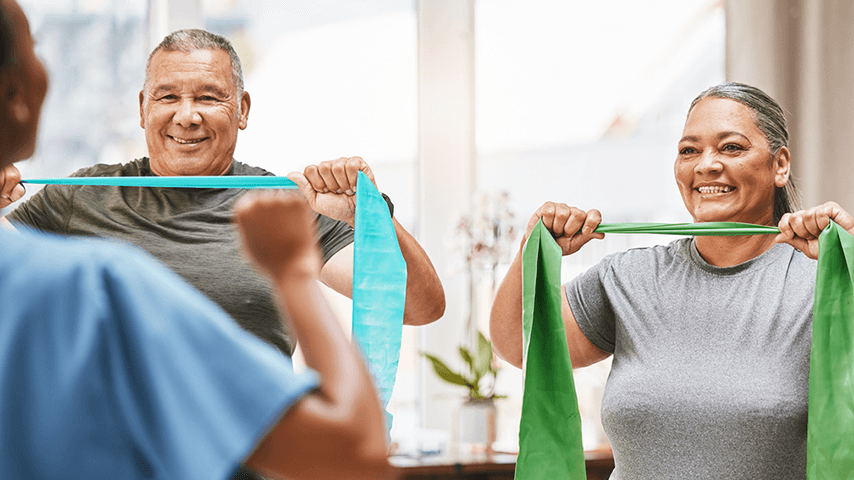
Physical and occupational therapists are skilled, trusted partners in falls prevention. Strengthening their knowledge about evidence-based falls prevention and supporting integrated tools, reimbursement models, community partnerships, and professional development can be a win-win for older adults in the community.
The role of PTs and OTs in falls prevention
Among their many roles, therapists lead structured exercise targeting balance, gait, and mobility, which remains the most effective strategy to reduce fall risk. Physical therapists (PTs) assess movement, strength, and balance deficits, while occupational therapists (OTs) support safe engagement in daily activities. Both disciplines are ideally positioned to:
- Assess fall risk
- Introduce tailored exercise
- Refer patients to community programs
- Provide continuity of care
Evidence‑based programs that work
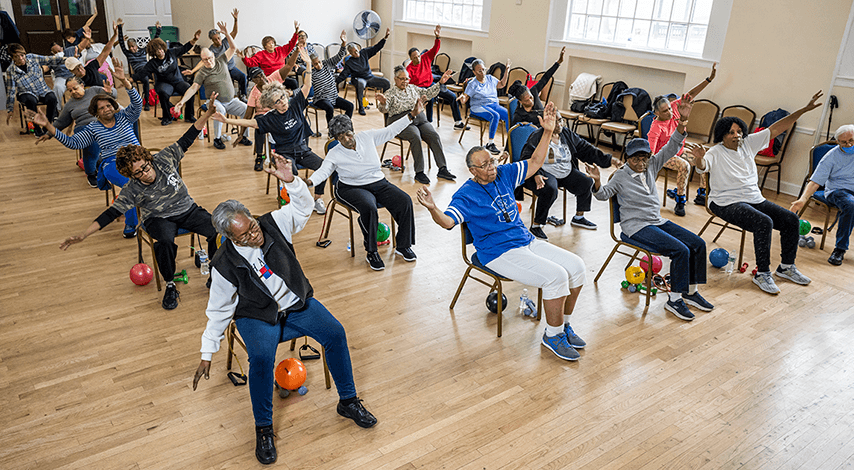
Several proven community-based programs are effective for fall prevention:
|
Program |
Description |
Outcomes |
|
Gentle balance and coordination exercises |
~70% reduction in recurring falls (Tai Chi for Health Institute)1 | |
|
Low-cost group fitness: cardio, strength, stretching, balance | ||
|
8 sessions to reduce fear of falling and increase confidence | ||
|
7-week program: exercises, home safety, vision/medication review |
31% fewer falls |
How to strengthen PT and OT falls prevention referrals
To ensure PTs and OTs effectively connect patients to these programs, a multi-pronged approach is essential:
- Education and training—Equip therapists with clear, current information on community programs and referral procedures.
- Integrated care systems—Embed routine fall-risk screening and referral prompts into electronic health records (EHRs). Foster communication between providers and program coordinators.
- Leveraging technology—Use EHR tools and telehealth platforms to streamline referrals and follow-up.
- Policy and financial support—Advocate for insurance reimbursement for prevention programs. Reduce patient cost barriers.
- Community referral networks—Build partnerships—like the HOP‑UP‑PT model—that link senior centers with PTs, allowing home-based assessments and interventions. Such integration not only identifies at-risk individuals, but also addresses broader social determinants of health (e.g., transportation, food security).
- Multidisciplinary collaboration—Involve nurses, physicians, social workers, and mental health professionals in team-based care. Regular care-planning meetings enhance coordination and follow-through.
Empowering therapists through leadership training
Grounding therapists in leadership roles elevates fall prevention efforts. Some examples:
- Balance & Fall Prevention Credential (APTA Geriatrics)—A year‑long program combining workshops, portfolio development, and exams—training PTs to deliver and lead community interventions.
- Fall Prevention Training for OTs (Florida Occupational Therapy Association)—Focuses on practical exercise routines, strategies to reduce fear of falling, and support safe daily functioning.
- Collaborative Certificate Programs (e.g., ASCP)—Online modules and expert panels encourage cross-professional collaboration in fall prevention.
- Northern Virginia Falls Prevention RTO—A regional office providing mentorship, annual workshops, and support for leaders of MOB and SAIL programs—ensuring program consistency and quality.
By bridging clinical assessments with community resources—and investing in therapist leadership—the health care system can significantly lower fall risk, preserve independence, and improve quality of life for older adults.
Sources
1. Dr. Paul Lam Tai Chi for Health Institute. Tai Chi for Arthritis and Fall Prevention. Found on the internet at https://taichiforhealthinstitute.org/programs/tai-chi-for-fall-prevention/
2. Mikael Ann Greenwood-Hickman et al. Participation in Older Adult Physical Activity Programs and Risk for Falls Requiring Medical Care, Washington State, 2005-2011. Preventing Chronic Disease. June 2015. Found on the internet at https://pubmed.ncbi.nlm.nih.gov/26068411/
3. Tuo-Yu Chen, et al. The Effects of the A Matter of Balance Program on Falls and Physical Risk of Falls, Tampa, Florida, 2013. Preventing Chronic Disease. September 2015. Found on the internet at https://pubmed.ncbi.nlm.nih.gov/26402047/
This project was supported by the Administration for Community Living (ACL), U.S. Department of Health and Human Services (HHS) as part of a financial assistance award totaling $5,000,000 with 100 percent funding by ACL/HHS. The contents are those of the author(s) and do not necessarily represent the official views of, nor an endorsement, by ACL/HHS, or the U.S. Government.
How NCOA Helps Older Adults Thrive
NCOA's Center for Healthy Aging (CHA) provides training and technical assistance to help professionals support community-based health education opportunities for older adults and adults with disabilities.