
A New Mission: Engaging & Retaining Veterans in Evidence-Based Falls Prevention Programs
10 min read
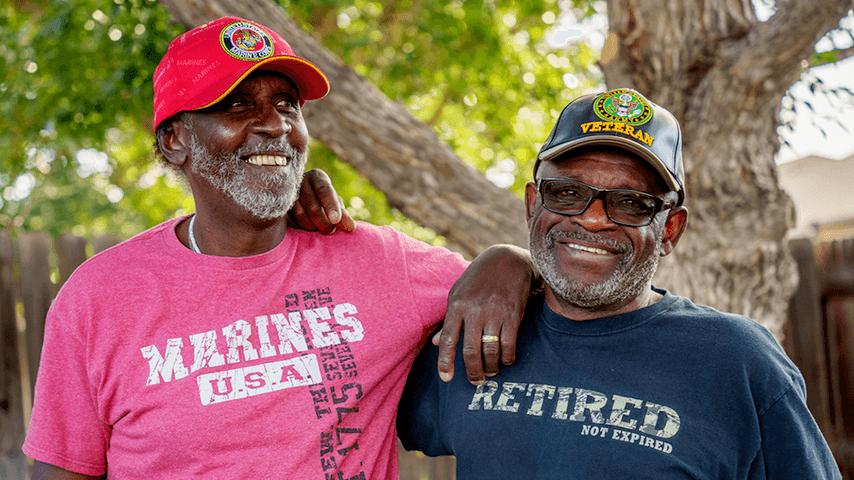
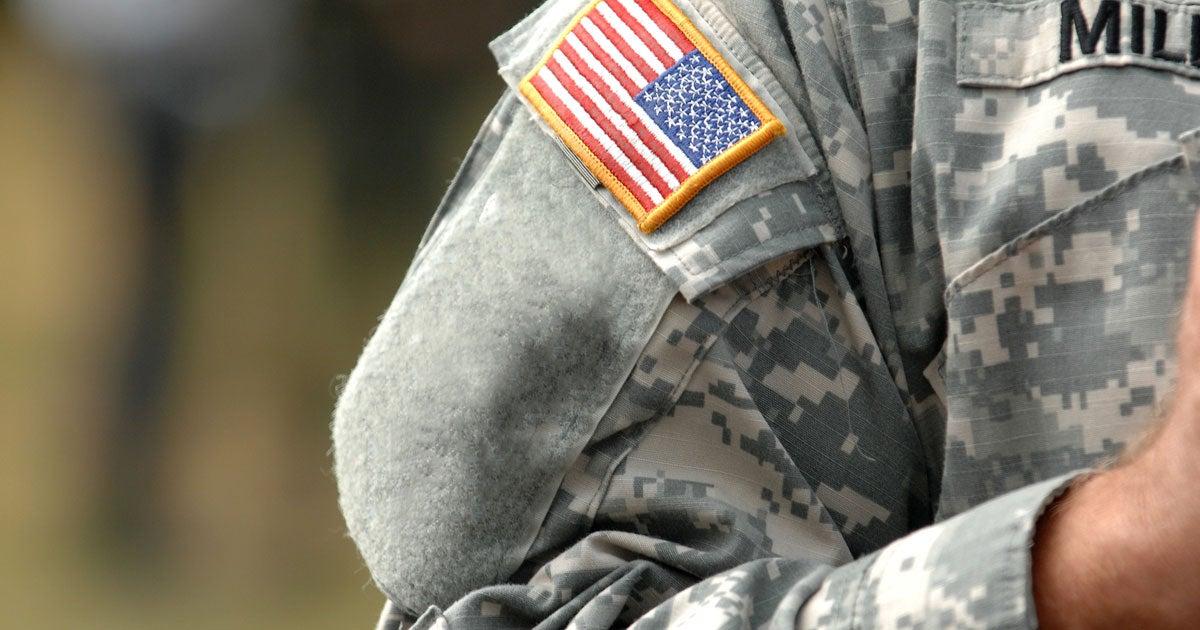
Among veterans, the term “transition” often refers to a service member’s adjustment to civilian life after military service. But today, rather than focusing on adjusting to civilian life, many U.S. military veterans are transitioning to older adulthood.
Of the nation’s 16.5 million living veterans, nearly half are age 65 or older.1 As they age, veterans navigate changes in health care eligibility and access, age-related conditions, and access to resources and supports that enable them to age in their homes and communities.1 While many of these changes are alike for veterans and civilians, veterans have the added challenge and benefit of their service connectedness.
The NCOA Center for Healthy Aging’s “A New Mission” series provides community-based organizations with the knowledge and resources needed to support veterans on their new mission to stay healthy and independent as they age. This installment of the “A New Mission” offers insights for understanding and engaging older veterans in evidence-based falls prevention programs.
Understanding the veteran experience
Today’s civilian population is less knowledgeable about military culture than in years past.2 Given the uniqueness of the veteran population and the cultural gap between civilians and service members, it is essential that providers and community organizations develop military cultural competence to ensure their capacity and skill in supporting veteran patients and clients.2 Military cultural competence involves understanding the experiences, values, and language associated with military service and possessing skills in supporting service members.2
Understanding the heterogeneity of our veteran population is foundational to developing military cultural competence. A veteran’s experience in the military and their identity as a veteran varies depending on several factors, including:
- Era of Service: The period a veteran served in can have a substantial impact on their military experience and identification as a veteran. Among veterans 65+, the majority (68%) served during the Vietnam War era. The second largest cohort of older veterans served only during peacetime (19%).1
- Involvement in Multiple Conflicts: While some veterans serve only in a single conflict, others serve in multiple campaigns. Serving in multiple conflicts can cause the physical and psychological effects of service to compound.
- Roles and Responsibilities: Service members support the military in a variety of roles, functioning as pilots, engineers, health care providers, administrators, special forces team members, and a number of other positions. Thus, even among veterans who served during the same conflict, their responsibilities and experience can be vastly different.
- Personal Factors: Age at time of service, personality, beliefs, and other individual characteristics can profoundly impact a veteran’s experience in the military and their transition to civilian life.
- Transition to Civilian Life: Transitioning out of the military is a significant event. For some veterans, the military-civilian transition is marked by considerable challenges in navigating housing, employment, physical and mental health concerns, and the culture of civilian life.3 Even among service members who did not serve in combat, the focus on preparing for or supporting combat and protecting our nation creates a “warrior” identity among service members. This identity persists even after their military service ends and separates them from their civilian peers.3
In the same way that each veteran’s military experience and transition to civilian life differs, there is likewise a great deal of variation for veterans on their mission to navigate older adulthood.
Factors that impact falls risk among veterans
Like civilians, veterans encounter a range of health and lifestyle changes as they age. Among veterans, service-related conditions such as traumatic brain injury and/or chronic pain along with systemic barriers like limited access to care, unsafe housing, and transportation challenges can make them more susceptible to falling.
Rising fall rates and age-related risks
Evidence suggests that older veterans fall at higher rates than their civilian peers. A national study found that 26.6% of veterans age 65 and older reported at least one fall without injury, slightly higher than the 24% reported by non-veterans.1
How quickly fall risk increases with age in the veteran population is also concerning. With every five-year age increase, the odds of falling rise by 5% which is significantly higher than civilians. While falls among veterans may be less likely to cause injury than those among civilians, repeated minor falls can gradually undermine independence, mobility, and confidence. The fact that many falls among veterans are non-injurious may reflect early signs of declining mobility or balance and highlights a critical opportunity for intervention. These early falls can still signal risk and point to the importance of engaging veterans in evidence-based programs that promote regular physical activity to maintain strength, balance, and independence. Interestingly, the same analysis revealed that among individuals who engage in regular physical activity, the odds of falling were lower for veterans than for non-veterans.
Veterans also report higher rates of disability with about 42% experiencing mobility, sensory, or cognitive impairments compared to 33% of civilians adding to their vulnerability.1
The impact of physical and mental health
Veterans often manage chronic health issues related to their military service. Conditions such as traumatic brain injury, musculoskeletal damage, diabetes, high blood pressure, and obesity can affect physical stability and increase the risk of falling. Mental health challenges are also more prevalent among veterans. PTSD, depression, and anxiety contribute significantly to fall risk. For example, among older adults broadly, depression increased fall risk by approximately 60%, a trend that applies to veterans as well.1
Environmental and cultural obstacles to prevention
One in four veterans live in a rural area where access to healthcare is often limited by geography, transportation, and a shortage of providers. Over half of older rural veterans live with disabilities that increase their fall risk.1 Staffing shortages within the VA and through community providers make it difficult for veterans to receive timely physical therapy, fall screenings, or mental health care. In 2023, telehealth was found to be serving around 770,000 rural veterans, which helps bridge the gap. But not everyone has the technology or internet access to benefit.1
Additionally, military culture can discourage veterans from seeking help. Many delay reporting symptoms or participating in fall prevention programs. Social isolation, which affects 34% of veterans compared to 27% of civilians, can lead to inactivity, worsening mental health, and increased vulnerability.3
3 Ways Evidence-Based Fall Prevention Programs help veterans stay safe and strong
- Improve strength, balance, and confidence
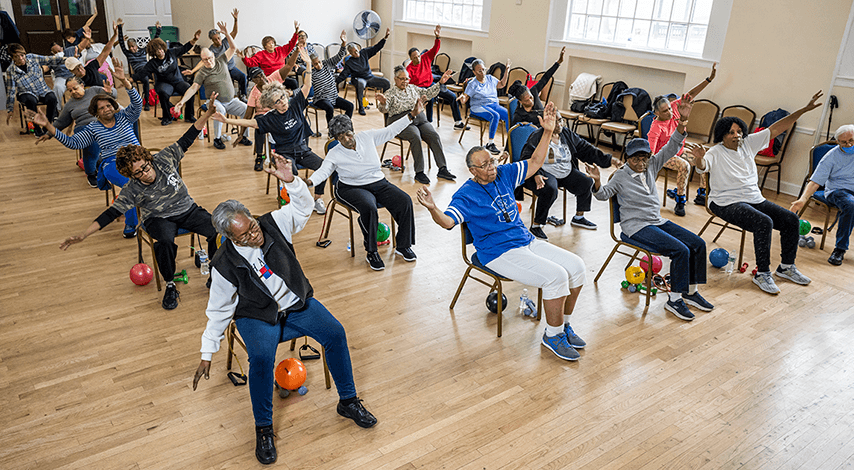
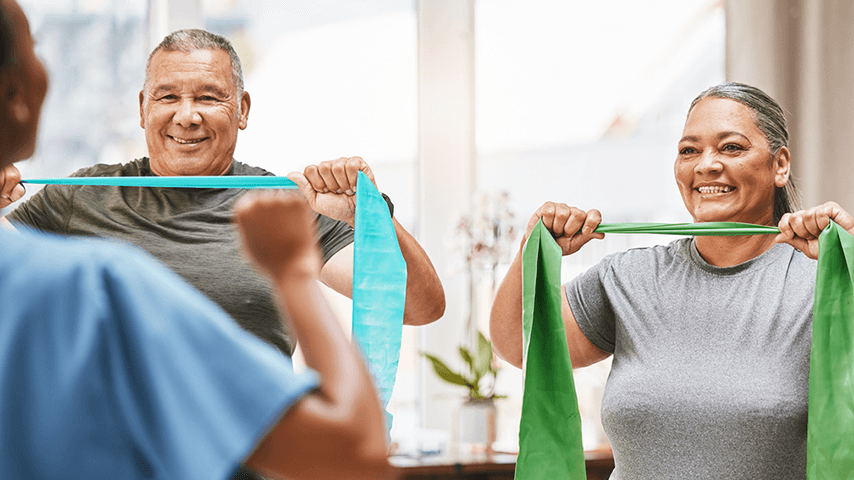
Programs such as Tai Chi: Moving for Better Balance, Otago Exercise Program, A Matter of Balance, and Stepping On are recommended by the U.S. Preventive Services Task Force. These evidence-based programs are designed to improve mobility, gait, and physical confidence. A 2020 VA-supported study showed that even one weekly session of moderate-to-vigorous exercise reduced fall risk in older veterans by about 10%.1 - Support the whole person
Fall prevention programs do more than address falls risk. They also reduce fear of falling, promote social interaction, and impart a sense of purpose. This is especially important for veterans dealing with depression or struggling with the loss of identity after leaving military service. Programs like the VA’s Whole Health initiative provide resources that help veterans evaluate their personal health, take veteran-led courses, and create a personal health plan to learn about best practices to support overall health and well-being.1 - Expand access through community and technology
Falls prevention programs are increasingly available outside of VA facilities in venues where veterans regularly interact. Locations such as community centers, churches, and rural health clinics offer accessible options. Virtual falls prevention classes are critical for expanding the reach of these programs to meet the needs of rural Veterans.
Strategies to engage and retain veterans in evidence-based falls prevention
To effectively engage veterans in evidence-based programs, it is important to use messaging that speaks to veteran values by highlighting purpose, service, and camaraderie. Falls prevention can be framed as a key part of a veteran’s overall health strategy—one that helps them stay active, independent, and able to continue doing the things they enjoy. When veterans see how reducing their risk of falling supports their ability to stay present for their loved ones, maintain mental wellness, and participate in their favorite activities, they’re more likely to stay engaged.
Also, military culture competency is key when engaging with veterans; veterans are more likely to participate in programs when they are understood and respected.2 Collaborating with nonprofits and community-based organizations that serve veterans further strengthens outreach and ensures programs are tailored to veterans’ unique needs. These organizations understand the unique challenges veterans face and can incorporate this understanding into program design and implementation, enabling the development of culturally sensitive approaches that honor military experiences while effectively addressing barriers to participation.
Also see NCOA’s tipsheet: Engaging Veterans in Evidence-Based Programs and this Pocket Guide for organizations serving veterans/areas with a high population of veterans.
Resources
- Veteran Community Partnerships (VCPs) are organized partnerships through which local VA facilities can connect with state and local community services and agencies.
- Veteran Service Officers (VSOs) can help with VA claims, and they can help veterans identify benefits available from their local state government. Those state benefits can be reduced property taxes, educational benefits, and more. Tip! Identify and connect with your county’s VSO to make them aware of upcoming falls programming.
- VetResources Community Network (VRCN) provides tools, connections, and advice to external community partners and outreach collaborators to increase access to the VA, build trust, reach underserved and unaffiliated veterans, etc. Tip! Join the VRCN to learn about efforts in your community for reaching veterans.
- Over nine million older adults in the U.S. are military veterans, many of whom qualify for a broad range of benefits through both the VA and other sources. The National Council on Aging (NCOA) offers a dedicated webpage to help veterans navigate and access these benefits.
- PatriotLink connects veterans with local resources that support employment and job training, financial assistance, transportation, health and wellness services, peer support networks, housing and homelessness assistance, and more.
- The Veteran Cultural Competence Training is a 3-hour online course designed to immerse participants in the unique experiences of veterans. It seeks to bridge the cultural divide between veterans and civilians by promoting open dialogue, enhancing understanding, and fostering meaningful connections. Tip! Take the Veteran Cultural Competence Training to improve your capacity to support veterans.
- PsychArmor offers trusted, expert-led training for anyone who wants to better understand and support active-duty service members, veterans, and their families.
Sources
1. Mulcahy, A. C., et al. Application of a comprehensive disability measure: Disability prevalence among U.S. Veterans and non-Veterans from the National Health Interview Survey data, 2015–2018. Preventive Medicine. August 2024. Found on the internet at https://doi.org/10.1016/j.ypmed.2024.108051
2. American Institute for Research. Engaging Veterans and families to enhance service delivery. Found on the internet at https://www.air.org/sites/default/files/2021-06/Engaging_veterans_and_families_toolkit_homelessness_0.pdf
3. Atuel, H. R., & Castro, C. A. (2018). Military cultural competence. Clinical Social Work Journal. January 2018. Found on the internet at https://doi.org/10.1007/s10615-018-0651-z
This project was supported by the Administration for Community Living (ACL), U.S. Department of Health and Human Services (HHS) as part of a financial assistance award totaling $5,000,000 with 100 percent funding by ACL/HHS. The contents are those of the author(s) and do not necessarily represent the official views of, nor an endorsement, by ACL/HHS, or the U.S. Government.
18 Benefits for Veterans: Helping Our Nation’s Heroes
Veterans' benefits come in many forms, and you don't always require serving in times of conflict to qualify. Learn more about the public and private benefits that can help older veterans remain independent, healthy, and secure.