
Tips for Engaging Area Agencies on Aging in Falls Prevention
12 min read

Related Topics
State Falls Prevention Coalitions play a critical role in coordinating cross-sector efforts to reduce falls among older adults. They unite partners across the state to align strategies, share resources, and advance community-wide solutions. Area agencies on aging (AAAs) serve as local aging network leaders, making them essential coalition members.
This resource is designed to help state falls prevention coalitions more effectively engage AAAs by:
- Highlighting the vital role AAAs already play in falls prevention
- Outlining the mutual benefits of partnership
- Offering practical strategies to build and sustain meaningful collaboration
By strengthening connections with AAAs, coalitions can expand their reach and more effectively support older adults in preventing falls and aging well in their communities.
The robust role of AAAs in addressing and preventing falls
Area agencies on aging (AAAs) are the local leaders on aging that help ensure older adults age with optimal health, well-being, and independence in their homes and communities and that family caregivers have the support they need. Each AAA has a state-designated service area for which they plan, coordinate, fund, and deliver a wide range of home and community-based services and other programs tailored to meet the needs of older adults and caregivers in the community.
Although AAAs vary in structure, all provide these five core services: information and referral, nutrition, supportive services, caregiver services, health and wellness, and elder rights.
About half of AAAs (43%) are independent, nonprofit agencies, and the remainder are part of city/county government (30%), part of a council of government or regional planning and development agency (26%), and other (3%).1
Often, AAAs have multiple federal or state designations or certifications. The most common additional roles are State Health Insurance Assistance Program (SHIP) (63%), Aging and Disability Resource Center (ADRC, also called Access Points) (63%), and Long-Term Care Ombudsman Program (49%).1
AAAs play a foundational, multi-faceted role in preventing falls in their communities. This includes offering a range of supportive services that directly or indirectly relate to falls prevention. The table below highlights some of these connections. Tip! Use this table to shape discussions with AAAs about how the coalition can help strengthen their existing services and impact on preventing falls.
|
Falls Prevention Category |
Frequency of AAAs Offering Select Types of Supportive Servicesi that Can Contribute to Fall Prevention |
|
Evidence-based health and wellness programs (EBP) |
94% of AAAs offer 1 or more types of EBPs, including:
|
|
Nutrition |
All AAAs provide nutrition services—including both congregate and home-delivered meals—which help reduce malnutrition and dehydration, two key risk factors for falls. |
|
In-home services |
93% of AAAs provide in-home services, such as personal care, homemaker, and chore services. Homemakers can mitigate falls risk by cleaning slippery floors and removing items left on stairs. Similarly, chore service providers can shovel snow and replace light bulbs—enhancing home safety. |
|
Home Safety |
|
|
Caregiver services and supports |
76% of AAAs offer assistance to caregivers, including information and referrals, caregiver counseling, support groups, training, respite care, and supplemental services. Tip! Share NCOA’s Falls Prevention Conversation Guide for Caregivers as a resource for AAAs to educate caregivers on facilitating conversations about fall risks with their loved ones. |
|
Case management/ care coordination |
84% of AAAs offer case management (sometimes called care coordination). For example, a case manager can assess fall risk and assist an individual with accessing relevant services such as medication management, in-home care, and new eyeglasses. |
|
Transportation |
91% of AAAs provide transportation services. For example, assisted transportation may offer door-to-door assistance that helps prevent falls or enables older adults to attend in-person evidence-based falls prevention programs. |
Source: USAging. AAAs Respond to Complex Community Needs: Trends and New Directions From the National Survey of Area Agencies on Aging
Benefits of having AAAs as falls prevention coalition members
The extensive program offerings of AAAs and the intersections these services have with falls prevention strategies demonstrate why their involvement in a state falls prevention coalition is essential. AAAs serve as the keystone of an effective web of community supports, helping older adults reduce their fall risk and age well in the community.
As coalition members, AAAs have the potential to extend falls prevention coalitions’ reach and impact because of their vibrant connections throughout the aging network. Some of these connections include AAAs’ local contractors for Older Americans Act supportive services. AAAs also actively partner with other community systems (such as parks and recreation agencies, housing organizations, and libraries) to meet older adults’ needs and reduce barriers to aging well at home. Tip! In addition to recruiting AAAs as coalition members, also promote the coalition to other aging network organizations.
How to start engaging with AAAs on falls prevention
Developing an effective engagement strategy for AAAs begins with some homework. Through the agencies' websites and area plans, coalitions can learn about goals, priorities, and current supportive services. Other key sources of information to review include USAging’s state data reports from the National Survey of Area Agencies on Aging and information from the state unit on aging. Introductory conversations with AAAs can provide additional context and insights. Tip! During your initial conversation, find out about the agency's current or previous falls prevention work and any falls prevention-related goals they may have.
The next step is to use this information to develop a strong value proposition that clearly articulates how joining a state falls prevention coalition benefits the AAA and its fall prevention efforts. Many AAAs operate at maximum capacity with limited resources relative to older adults’ needs. Coalition messaging should meet them where they are by explaining how the coalition makes their falls prevention work easier. Examples of appealing benefits could include:
- Turnkey toolkit for Falls Prevention Awareness Week activities
- Access to ready-to-go resources (like Falls Free Wisconsin’s suite of promotional resources and sample social media posts)
- Connections with local evidence-based falls prevention program volunteer leaders
- A forum to build relationships with health plans and health care providers
AAAs with more capacity may also be interested in opportunities to work with other stakeholders to educate consumers and develop cross-sector or community-wide solutions to prevent falls (such as improvements to pedestrian crosswalks).
AAAs will want to know what they can expect from the coalition and what the coalition expects from members. Because AAAs have varying levels of resources, it can be helpful for coalitions to offer a spectrum of participation that ranges from easy activities (such as attending quarterly virtual meetings or trainings) to larger commitments of time and effort (such as chairing a workgroup or presenting on a webinar). Tip! Be ready to discuss different levels of engagement and related benefits and then follow up periodically.
Creating strategic ongoing falls prevention participation
As AAAs join the coalition, the focus broadens to sustaining their engagement. To keep AAAs and other aging network members invested, coalitions can strive for:
- Consistent Communication: Establish routine, high-value communication channels. Information shared should be concise and include items that are applicable to AAA operations. To reinforce a sense of partnership, consistently check in with AAAs and respond to AAA-initiated inquiries.
- Mutually Beneficial Goals: Integrate objectives into the coalition’s action plan that offer direct value to AAAs (such as joint public service announcements that promote evidence-based programs). For example, the Iowa Falls Prevention Coalition prioritizes AAA-led programs by identifying specific ways to increase their local visibility and provide administrative or promotional support.
Initial accomplishments achieved with a small group of AAAs can help the coalition demonstrate value and recruit other AAAs. The Alaska Senior Fall Prevention Coalition has used this word-of-mouth approach to expand their aging network engagement by asking current members from local aging services organizations to encourage their peers to become active in the coalition.
Another helpful tactic is seeking periodic feedback on the coalition through a survey or informal conversation. Tip! Plan to initiate this conversation at an event the AAAs will be attending. Also, using coalition data to monitor members’ participation is an important way to identify successes and opportunities to improve.
Spotlight on falls prevention coalition successes
Many state falls prevention coalitions are already employing strategies to boost AAA engagement in falls prevention work. Learning from these approaches can benefit all coalitions.
Georgia Falls Prevention Coalition
To expand falls prevention efforts throughout the state, the Georgia Fall Prevention Coalition (GFPC) serves as both a central resource on falls prevention interventions and a bridge-builder that connects stakeholders. The latter role cultivates collaborations within and beyond the coalition, including with stakeholders working on upstream risk and protective factors such as social isolation and safe sidewalks.
Illinois Falls Prevention Coalition (Falls Free Illinois)
Led by AgeOptions (the AAA for suburban Cook County), the Illinois Falls Prevention Coalition has grown AAA engagement through a combination of regional recruitment, flexible participation tiers, and tangible member benefits.
Falls Free Missouri
Falls Free Missouri centers its AAA engagement strategy on mutual promotion and strategic leadership alignment. By positioning the coalition as a tool to help AAAs meet their own performance goals, the coalition creates a “win-win” environment that encourages long-term participation.
Tips from the field: Promising practices for engaging AAAs in state falls prevention coalitions
- Target Outreach to Relevant Staff: Identify and reach out to AAA team members who are responsible for evidence-based programs, involved in falls prevention (such as with health care contracts or home safety assessments), or interested in becoming involved in a bigger initiative. These team members are more likely to see the value of the coalition and engage in its work. Tip! Sometimes the first step is to make a cold call. Ultimately, coalition members are individuals—be sure to reference the individual-level benefits of coalition membership.
- Establish Peer-to-Peer Communication: Communicate with AAAs through their preferred channels. One of GFPC’s AAA members volunteered to send updates and information to aging network peers. These messages enable the coalition to reach AAA staff who may not be official coalition members and keep them informed of coalition resources and opportunities. Collecting feedback from AAAs and other stakeholders has enabled GFPC to enhance member buy-in and refine coalition purpose.
- Facilitate Local and Regional Connections: Leverage the coalition’s growing web of organizational relationships to connect AAAs with regional engagement opportunities, such as a local hospital’s new pilot program or an upcoming training at the community college. It may be more feasible for AAAs with a small staff or resource base to have local involvement in falls prevention interventions, versus active participation in the statewide coalition. These types of regional engagements provide a coalition-related benefit to the AAA and open the door for future membership.
- Focus Messaging and Benefits to Engage AAAs: Craft outreach messages about how the state falls prevention coalition helps AAAs share their programs, services, and expertise and offers opportunities to learn from others. Promoting AAAs’ programs and services helps them reach performance goals such as total number of older adult participants in an evidence-based program. For example, coalitions can develop a consumer tipsheet with information about the link between nutrition and falls along with the AAA’s telephone number to learn about congregate and home-delivered meal options.
- Promote and Support AAA’s Falls Prevention Work: Align the coalition’s goals and activities to support AAAs’ missions, goals, areas plans, and objectives. Falls prevention coalitions can help AAAs find program instructors or engage other network members to address a community need in their area plan.
- Integrate State Leadership: Nominate a representative from the state association of AAAs or the State Unit on Aging (SUA) to serve as a coalition co-chair. This structural link ensures a constant flow of information between the coalition and the state’s AAAs, making the coalition a visible and relevant partner to the aging network.
- Act as a Problem-Solving Network: Position the coalition as a resource to help AAAs overcome local hurdles. This includes helping AAAs find instructors for evidence-based classes or identifying new community partners to help them reach out to older adults in a rural area.
- Co-Create High-Visibility Resources: Invite AAAs to contribute to a statewide directory (like Falls Free Connecticut’s Falls Prevention Program Guide!), present in a training, or help update Falls Prevention Awareness Week resources. These opportunities give AAAs a way to highlight their regional expertise, increase public awareness of their falls prevention programs, and/or augment their own falls prevention offerings.
- Adopt a Regional Recruitment Approach: Organize efforts to gradually grow the number of members—AAAs, local partners, universities, and more—based on AAAs’ planning and service areas. In addition to direct coalition communications, involve local partners, other AAAs, and state leaders in messaging about coalition benefits. The regions can also support local coalition activities. Monitoring participation levels lets coalition leaders identify gaps in regional representation and adjust outreach efforts.
- Develop Participation Tiers: Articulate three to five levels of participation so members can engage at a level that corresponds with their capacity. The IL Falls Prevention Coalition created a chart (see figure) illustrating how those with limited bandwidth can be active members without overcommitting.

IL Falls Prevention Coalition chart of falls prevention coalition participation tiers - Offer Some Direct Benefits to AAAs: Recruit and sustain AAA engagement by offering tangible benefits. For example, IL Falls Prevention Coalition offered mini-grants to AAAs for Falls Prevention Awareness Week events and educational sessions. Another coalition workgroup is creating placemats with falls prevention information designed for easy implementation at congregate nutrition sites. Emergency Medical Services cards that will provide first responders with a simple way to connect older adults to local falls prevention resources are currently in development.
Common challenges and workarounds
Persistence and creativity are key to effective AAA engagement. Over time, challenges may arise. Although working through challenges can be difficult and time-consuming, it can also be an opportunity for improving overall collaboration.
Challenge: Two AAAs occasionally attend coalition meetings and respond to personalized emails. They tell the coalition they would like to do more falls prevention work, but joining a coalition workgroup is not feasible given their time and resource constraints.
- Workaround: Provide a spectrum of involvement that includes easy activities that support AAAs’ falls prevention goals (see Falls Free Illinois). Also, consider periodically offering short-term opportunities to get involved (such as professional training or Falls Prevention Awareness Week). By meeting AAAs where they are, coalitions can cultivate a sense of belonging and interest in becoming more involved.
Challenge: The AAAs located in more urban regions of our state are involved in our coalition, but the AAAs in rural areas have been more difficult to reach and are hard to get in touch with.
- Workaround: Find a way for the coalition to help AAAs in rural areas at least once a year with a common challenge. For example, the coalition could develop a turnkey community presentation that AAAs and other members can use to educate their community about smart home devices that reduce risk for falls and services offered by the state Assistive Technology program.
Whether a state falls prevention coalition is just beginning to connect with AAAs or already has strong partnerships in place, take time to assess their current engagement and identify one actionable way to deepen or expand collaboration. By starting small and meeting AAAs where they are, state coalitions can strengthen impact and collaboratively advance falls-prevention efforts.
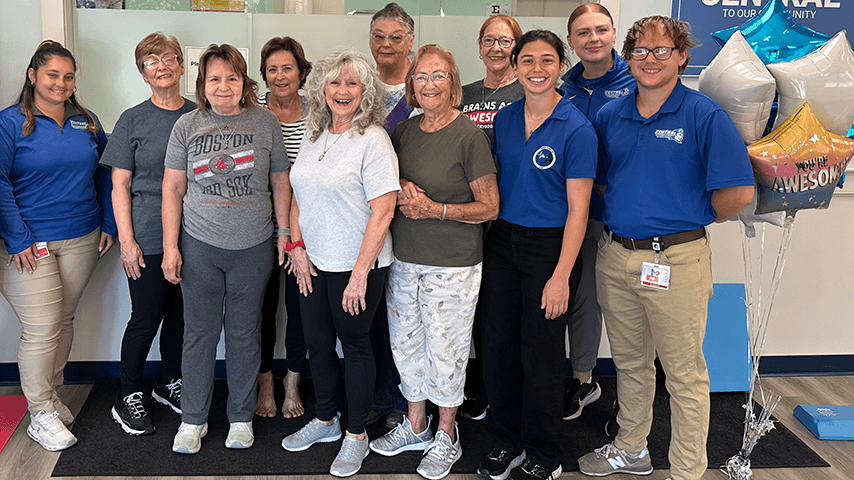
Photo of Central Community Health Education Clinic from Falls Prevention Awareness Week 2025 copyright for NCOA use only
Sources
1. USAging. AAAs Respond to Complex Community Needs: Trends and New Directions from the National Survey of Area Agencies on Aging. 2025. Found on the internet at https://www.usaging.org/Files/02127-USAging-2025-Chartbook-Report-508.pdf
This project is supported by the Administration for Community Living (ACL), U.S. Department of Health and Human Services (HHS) as part of a financial assistance award totaling $2,500,000 with 100 percent funding by ACL/HHS. The contents are those of the author(s) and do not necessarily represent the official views of, nor an endorsement, by ACL/HHS, or the U.S. Government.