
Tip Sheet: Engaging Veterans in A New Mission: Healthy & Independent Aging
8 min read
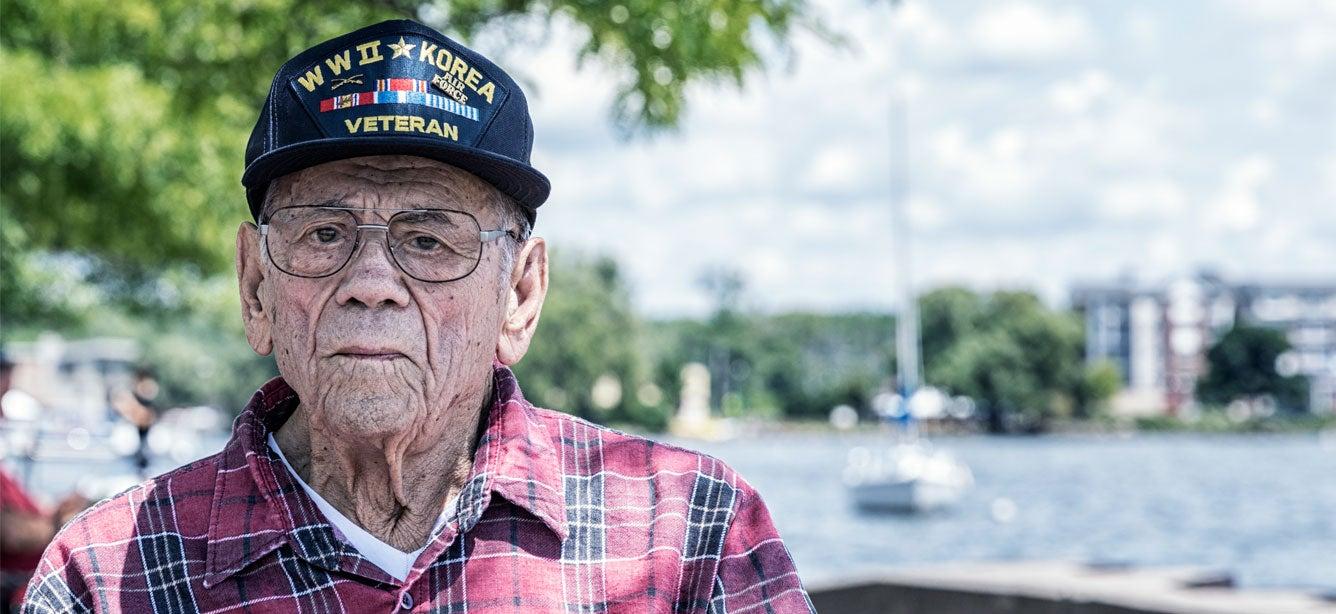
Among veterans, the term “transition” typically refers to the shift from military to civilian life. Today, however, rather than focusing on adjusting to civilian life, many U.S. veterans are transitioning to older adulthood. The Center for Healthy Aging’s “A New Mission” series equips community-based organizations with knowledge and resources to help older veterans on their new mission to stay healthy and independent as they age.
As they grow older, veterans navigate changes in healthcare eligibility and access, age-related conditions, and access to resources that allow them to remain in their homes and communities as they age.1 Nearly half of the nation’s 16.5 million veterans are age 65 or older, and many are aging with multiple chronic physical and mental health conditions that affect mobility, balance, and daily functioning.1 Evidence‑based programs that address both falls prevention and chronic disease self‑management are essential to helping veterans stay healthy, active, and independent as they age. Supporting healthy, independent aging for veterans starts with understanding how to reach older veterans and establishing partnerships that promote meaningful engagement.
Partnering with the VA to Engage Veterans
The U.S. Department of Veterans Affairs (VA) provides health, disability, and long-term care supports as well as a range of vocational, educational, and burial benefits to veterans of the U.S. military service including their dependents and survivors.2 The VA includes three distinct branches:
- Veterans Health Administration (VHA): VHA is the largest integrated health care system in the United States, providing care to 9.1 million Veterans each year at 1,380 facilities. Facilities include VA Medical Centers (VAMCs), Community-Based Outpatient Clinics (CBOCs), Vet Centers, and VA Community Living Centers.
- Veterans Benefits Administration (VBA): VBA administers benefits and services to millions of veterans, service members, and their families each year, including disability compensation, pensions, education and training benefits, home loan guarantees, life insurance, vocational rehabilitation, and survivors’ benefits. Learn more about benefits available to older veterans.
- National Cemetery Administration (NCA): NCA honors veterans and eligible family members by providing burial and memorial benefits at 155 national cemeteries, as well as through headstones, markers, medallions, and Presidential Memorial Certificates for veterans nationwide.
Strategies for collaborating with the VA
- Understand your Local Veteran Population: Use Census data to find out more about the size and characteristics of the veteran population in your geographic area and consider how you can tailor outreach accordingly. Additionally, explore whether your state has a master data sharing agreement with the local VA health care system. This can help you gather de-identified data that can assist in targeting specific concentrations of veterans.
- Locate the Nearest VA: Enter your zip code to locate the VA facilities in your service area. Conduct research to better understand the specific services this location offers and consider their programmatic gaps or areas for alignment with your program offerings.
- Find the Right Contacts: Most communities are served by multiple VA entities, including outpatient clinics, Medical Centers, and benefit offices, take a comprehensive, multitouch approach by reaching out across facilities. The following programs and service lines may be especially useful:
- Veteran Community Partnerships: VCPs are organized partnerships through which local VA facilities connect with state and local community services and agencies to improve access to care, promote seamless referrals, and foster bi-directional education. Email the VCP Leadership team at VCP@va.gov to connect with your nearest VCP.
- Social Work: Social workers practice in every medical and Veteran center operated by the VA and play an essential role in assessing needs and assisting veterans to access the care and services they need. Use the VA’s Directory of Social Work Leaders to identify and contact a lead VA social worker in your service area.
- Veteran-Directed Home and Community Based Services Program. This program provides a flexible budget for services, managed by the veterans or their family caregiver, for home and community-based care services that are necessary to help veterans continue to live at home or in their community. Initial contact with this program can enable you to connect with the full range of home and community-based programs offered through VHA. This information can then be shared with providers, patients, and caregivers.
- Patient Aligned Care Teams (PACT): Check with the VHA health facility near you to speak with their PACT team. PACTs have been rolled out in every VA facility and are VHA’s form of primary care, providing personalized, patient-driven team-based care to enhance wellness and disease prevention. Suggest that EBPs be included through PACT and offer access to training resources so veterans may be trained as lay leaders.
- Promote your Programs: In your outreach email or phone call, concisely describe your programs, who they serve, and how they align with VA priorities. Request a meeting or presentation and explicitly articulate the “what’s in it for them”- how your programs can benefit VA staff and the veterans they support. VA staff are often busy and patience and persistence matters - follow up if you do not receive an initial response.
- Make it Official: Once you have connected, consider developing a memorandum of understanding (sample) to define your goals and processes and describe how your organization and the VHA facility can support each other’s efforts.
- Stay in Communication: Stay in touch with your key contacts at the VA by sending regular monthly or bi-monthly updates that highlight upcoming evidence-based program workshops, participant success stories, and opportunities to strengthen collaboration.
- Track and Share Impact: Ask your evidence-based program participants about their military service to document veteran reach—use “Did you serve in the military?” rather than “Are you a veteran?”—and routinely report this data back to your VA partners to demonstrate how your programs fill gaps and provide benefits to older veterans.
For general guidance on forming and strengthening partnerships across sectors, see NCOA’s Developing Your Value Proposition: How‑To Guide and Worksheet, which offers practical tools for articulating program value and aligning with partner priorities.
Strategies for reaching veterans outside of the VA
There is no wrong door to reaching veterans. Many veteran‑focused community organizations operate outside the VA system yet provide essential services and represent influential partners for expanding your ability to help veterans stay healthy and independent as they age. Such entities include:
- Veterans of Foreign Wars (VFW): The VFW is a nationwide nonprofit organization with local posts that provide advocacy, peer support, and community for veterans who served in overseas conflicts. Since many VFW members are older veterans who regularly gather in trusted, familiar settings, VFW posts can be effective partners for helping connect veterans to evidence‑based health promotion programs.
- American Legion: American Legion is a nationwide veterans service organization with local posts that provide services for veterans of all eras. With a large and aging membership and regular gatherings built around trust and service, American Legion posts can be strong partners for promoting veteran participation in evidence‑based health promotion programs.
- County Veteran Service Officers (CVSOs): CVSOs are accredited local officials who provide free assistance to veterans and their families by helping them navigate and file federal, state, and local benefits, including disability compensation, pensions, burial benefits, education, and health care. Locate a representative through the National Association of County Veterans Service Officers (NACVSO) and reach out to let them know about the programming your organization hosts.
- Veteran Service Organizations: In addition to national groups, many community‑based and statewide veteran service organizations provide valuable support and services to veterans. Tools like Patriot Link can help you identify free, verified providers in your region and connect with trusted partners already serving the veteran community.
- Other Community-Based Organizations: Look beyond veteran-specific organizations to identify services veterans are already engaged in and partner with other community-based agencies in your area that are already serving veterans. Ask the United Way, Area Agencies on Aging, senior centers, or other local organizations if they routinely ask for Veteran status on their hotlines. If they do, explore a partnership to refer identified Veterans to your evidence-based program.
- “Outside the Box” Approaches: As you develop an outreach plan, think “outside of the box” to reach veterans. Consider other groups that veterans may already be engaged in, such as faith-based organizations, volunteer groups, fishing clubs and hunting associations, and digital community spaces, such as online forums or neighborhood listservs.
- Word of Mouth: Have an existing or previous veteran participant? Ask them if they would be willing to spread the word about the program with their peers. They may be more effective at communicating the value of the program to other veterans.
Examples of Successful partnerships from the field
NCOA’s Center for Healthy Aging compiled the following list of successful initiatives to reach veterans across the U.S. Some of the examples represent the efforts of the Administration for Community Living’s CDSME or falls prevention grantees.
- A Matter of Balance has been offered to veterans undergoing vision rehabilitation in California, Washington, and Connecticut. These partnerships helped integrate fall prevention education into established rehabilitation services, meeting veterans where they were already receiving care.
- In Michigan, an Area Agency on Aging partnered with VFW posts and other veteran-serving locations to host CDSME workshops. Holding programs in familiar, veteran-friendly settings helped increase participation and trust among veterans.
- Oklahoma’s Vet Self-Care Program for Veterans works with state and local veteran organizations, including the State Department of Veteran Affairs and local VFWs. The program uses trained veteran volunteers to deliver peer-led self-management education that supports veterans, their families, and caregivers.
- The Utah Department of Health partnered with the Veterans Administration to build a sustainable CDSME system by first investing time in relationship-building. Veterans were trained as program leaders, and evidence-based programs are now offered at VA facilities and select community sites.
“A New Mission” Resources
Continue learning about best practices for helping older veterans on their mission to stay healthy and independent as they age:
- Engaging & Retaining Veterans in Evidence-Based Falls Prevention Programs: This resource offers practical, data‑driven guidance for community organizations seeking to better reach and support older veterans as they age.
- Pocket Guide for Providers Serving Veterans: This fully customizable pocket guide is designed to be shared with service providers and includes recommendations for connecting Veterans with evidence-based falls prevention programs and information on available resources and support that can help Veterans remain falls-free.
Sources
1. Mulcahy, A. C., Govier, D. J., Than, C. T., Chawla, N., Danan, E., Hooker, E. R., McCready, H., Hoggatt, K. J., Yano, E. M., & Hynes, D. M. (2024). Application of a comprehensive disability measure: Disability prevalence among U.S. Veterans and non-Veterans from the National Health Interview Survey data, 2015–2018. Preventive Medicine, 185, 108051. https://doi.org/10.1016/j.ypmed.2024.108051
2. U.S. Department of Veterans Affairs. National Center for Veterans Analysis and Statistics. Accessed August 31, 2017. Found on the internet at https://www.va.gov/vetdata/veteran_population.asp