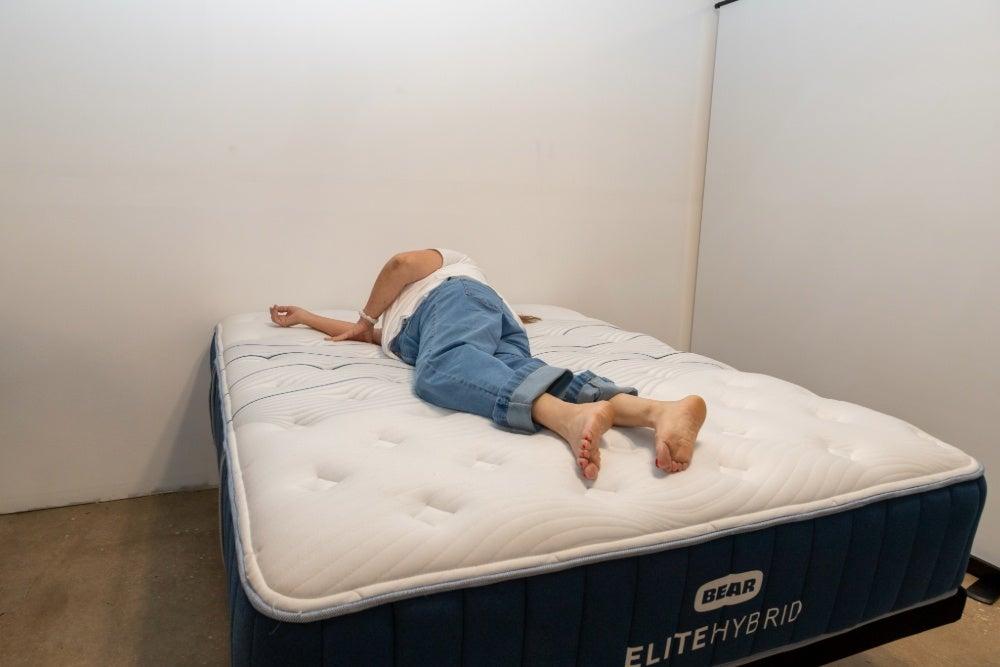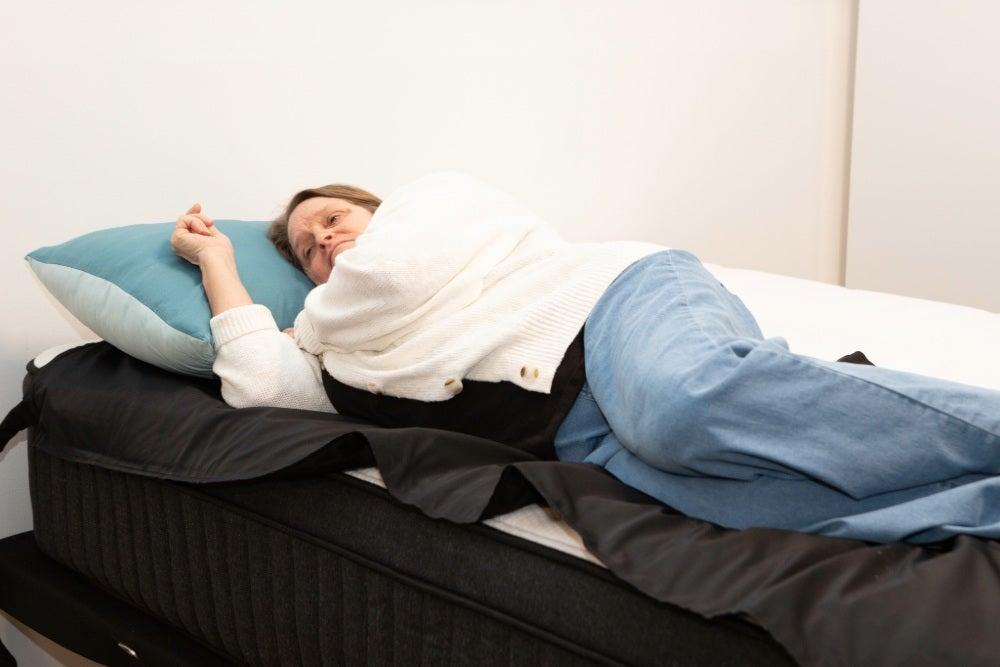

Best Mattress for Arthritis in 2026
Discover how the best mattresses for arthritis may help support better sleep and can ease joint pain, stiffness, and pressure points.

- The best mattress for arthritis overall is the Helix Midnight Luxe, which earned high scores in both our pain relief and accessibility tests. It is firm enough to support the spine, even in a side sleeping position, but still soft enough to be gentle on joints.
- The best mattresses for arthritis range between $1,599–$2,856 for a queen size. Many brands offer discounts or other ways to save on a new mattress.
- A medium-firm mattress (around 6-7 on the firmness scale) may work well for those with arthritis, as it can offer enough support to keep the spine aligned and enough cushioning to relieve joint pressure.
- Delivery and setup options are important when considering a mattress for arthritis, especially if symptoms limit your mobility.
- When you are shopping for the best mattress for arthritis, you’ll want to consider each bed’s stability, firmness, and support at joints, including the neck, shoulders, and hips.
NCOA supports everyone’s right to age well. We take the time to research, test, and recommend products that can help you live a healthier life. We’ve spent more than 2,500 hours researching and testing mattresses to give you the most accurate product reviews. To find the best mattresses, we:
- Consulted with sleep specialists like doctors, occupational therapists, and physical therapists for guidance on choosing the best mattress
- Put more than 130 models through a series of 19 different tests at our in-house lab
- Mystery-shopped more than 40 brands
- Surveyed more than 2,000 older adults on their sleep quality
- Interviewed experts on the importance of good sleep for older adults
- Worked with older adult testers to evaluate mattresses and get their opinion
- Read thousands of verified customer reviews
We’re constantly testing new mattresses and sleep products to give you the most accurate and up-to-date recommendations. Read more about our mattress review methodology.
Getting a good night’s sleep shouldn’t feel like a luxury. But for many of us, arthritis can turn restful nights into restless ones. This common joint condition often brings along swelling, stiffness, and persistent discomfort that can make it harder to fall asleep or stay asleep through the night.
“Arthritis can lead to difficulty falling asleep or staying asleep due to the discomfort felt at bedtime,” said Stella Bard, MD, a rheumatologist in McKinney, Texas. “The pain and stiffness can worsen sleep quality and can cause frequent awakenings during the night.”
Fortunately, small changes—starting with the right mattress—can make a big difference. The best mattress for arthritis is one that cushions tender joints, supports spinal alignment, and minimizes pressure on key areas like the shoulders, hips, and knees. Keep reading to see which mattresses made our list after months of testing.
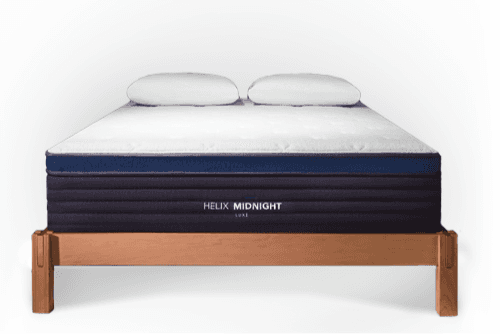
Best Overall
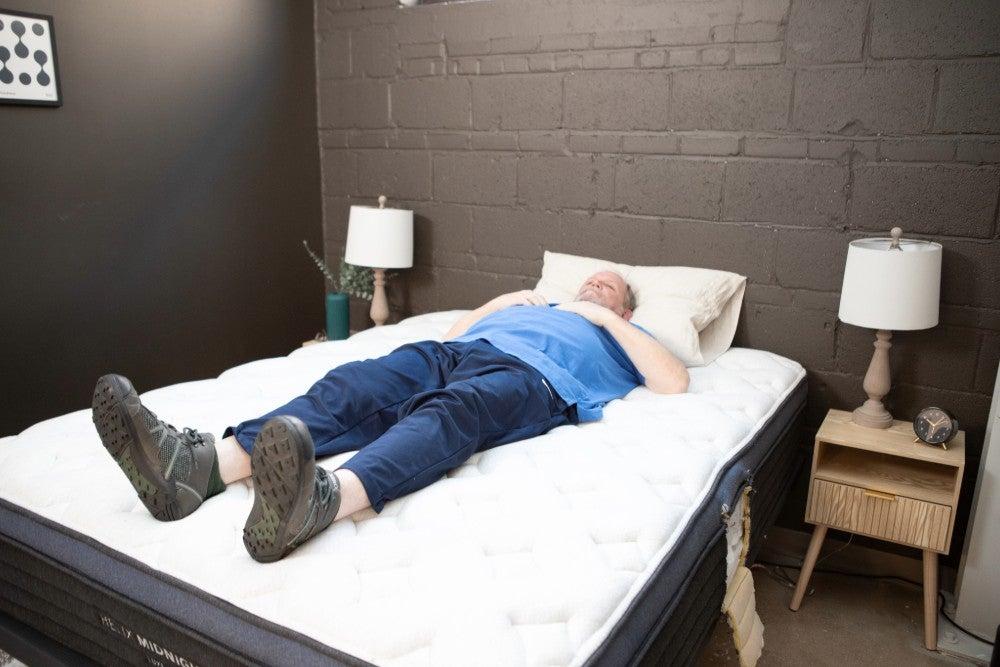
Helix Midnight Luxe
High pain relief scores in all positions and exceptional spinal alignment scores
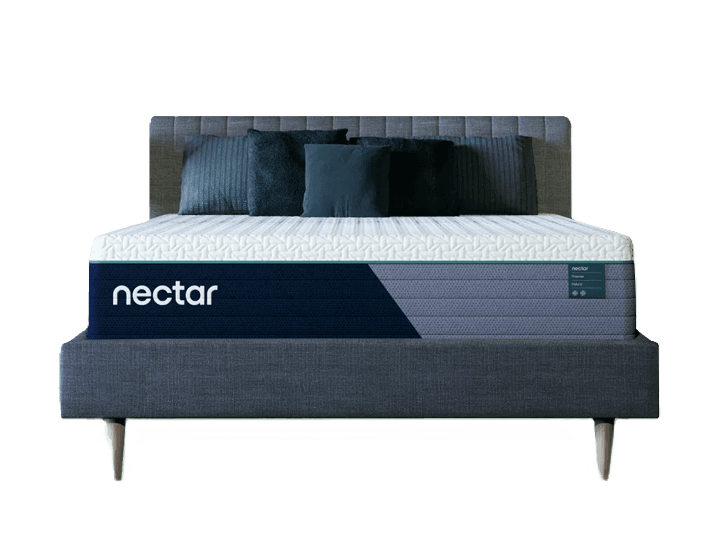
Best for Side Sleepers
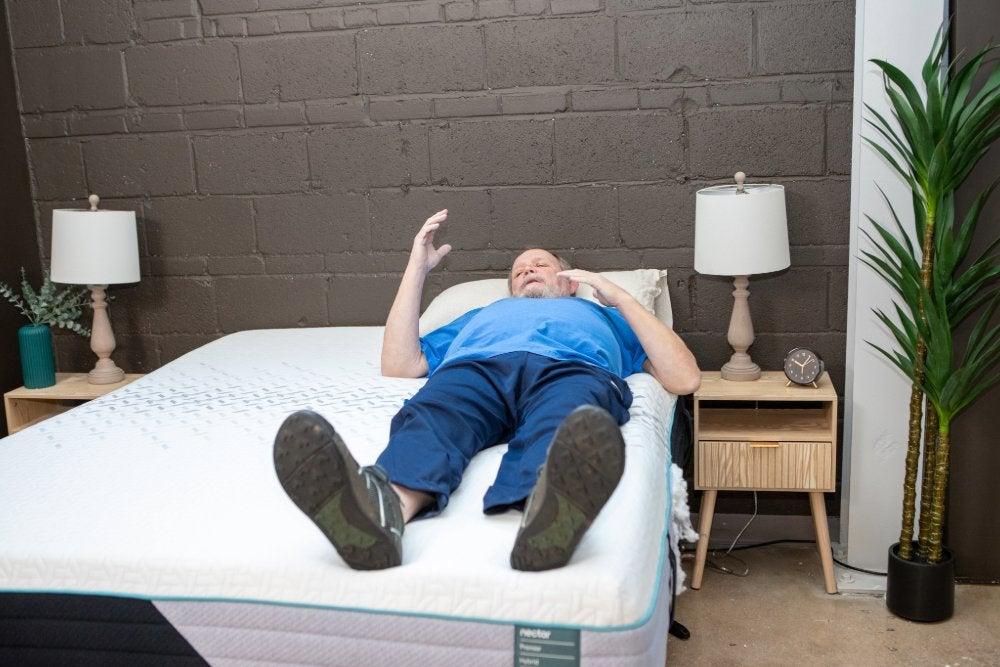
Nectar Premier
Relieves pressure while supporting joints and allows for easier movement
Best Affordable
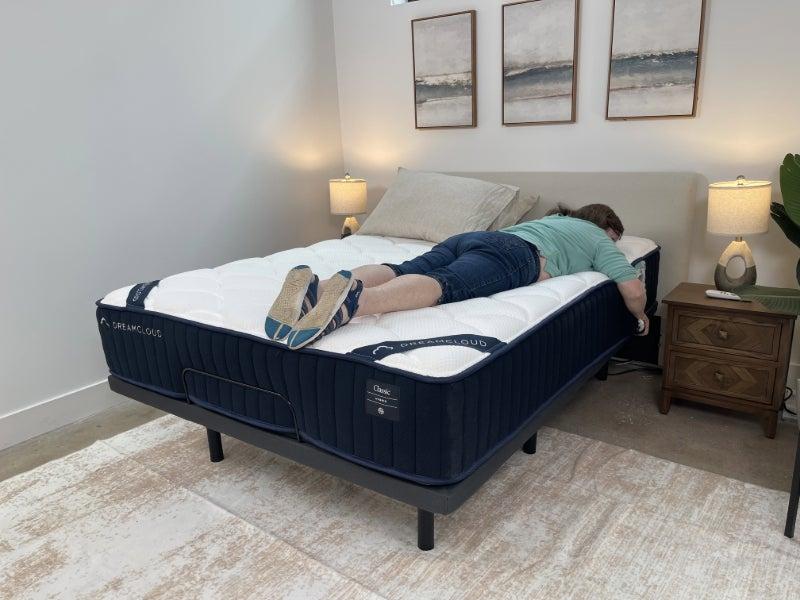
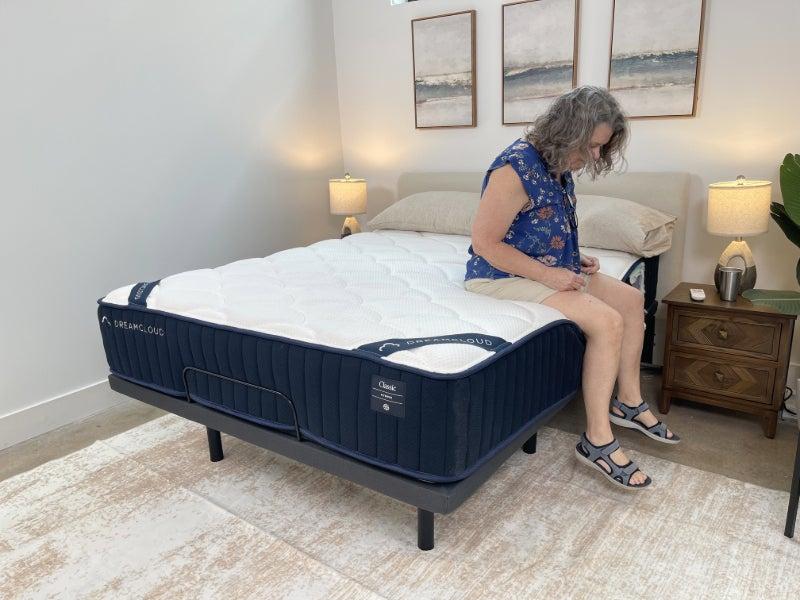
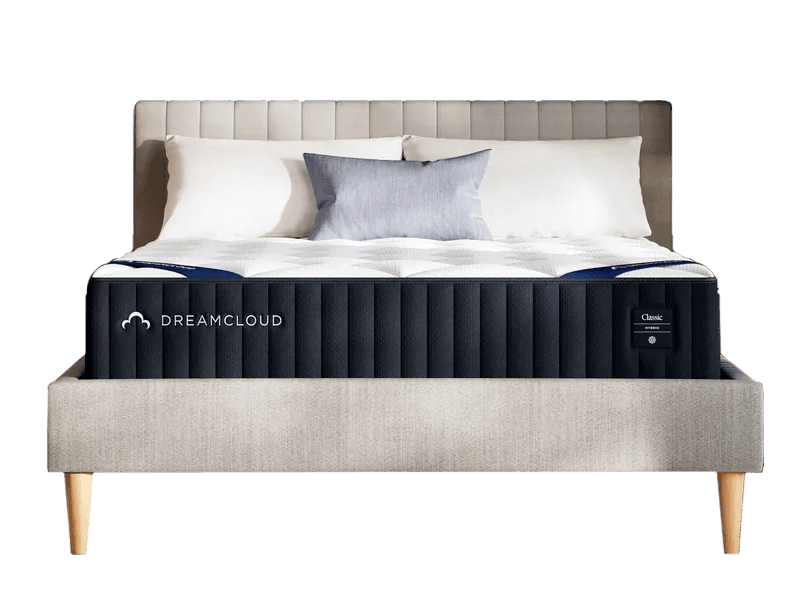
DreamCloud Classic Hybrid
Budget-friendly bed with joint-relieving cushion in all sleep positions
Best mattresses for arthritis in 2026
- Helix Midnight Luxe: Best Overall
- Nectar Premier: Best for Side Sleepers with Arthritis
- DreamCloud Classic Hybrid: Best Affordable Mattress for Arthritis
- WinkBed Plus: Best for Back Pain and Arthritis
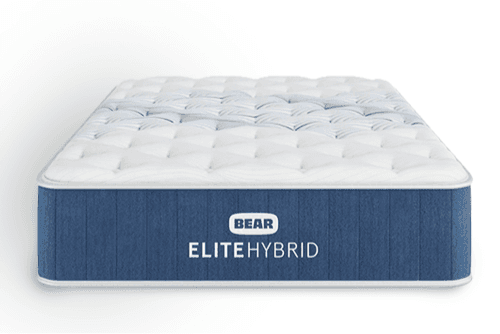
- Bear Elite Hybrid: Best Cooling Mattress for Arthritis
- Titan Plus Luxe: Best for Higher Weight People with Arthritis
Need help picking out the right mattress?
Answer 3 simple questions to find a mattress that meets your needs.
Comparing the best mattresses for arthritis
| Comparison Features | ||||||
|---|---|---|---|---|---|---|
| Score (out of 10) | 9 |
9.2 |
9 |
8.4 |
7.9 |
8 |
| Best for | Best Overall |
Side Sleepers |
Affordable |
Back Pain |
Cooling |
Higher-Weight People |
| Type | Hybrid |
Memory foam and hybrid |
Hybrid |
Hybrid |
Hybrid |
Hybrid |
| Firmness (out of 10) | 6 |
6.5 |
8.5 |
8.5 |
6 |
6 |
| Trial period (nights) | 120 |
365 |
365 |
120 |
120 |
120 |
*Ratings reflect a brand's overall offering; the best overall pick doesn't necessarily have the highest score

Understanding our scoring
Our mattress recommendations are based on our thorough research and testing. We created two scores:
- Accessibility score: A combined score reflecting factors that make it easier for older adults to move around and get in and out of bed.
- Pain relief score: A combined score reflecting factors that help relieve pain while in bed.
Video: Best Mattresses for Arthritis
Finding the right mattress can make a real difference when you’re managing arthritis pain. The video below walks through our top-tested picks that offer impressive pressure relief, support, and comfort for different sleep needs—whether you deal with back pain, sleep on your side, or need extra durability. Watch to see how each mattress performs.
How we test to find the best mattresses for arthritis
Our team has spent thousands of hours researching and testing mattresses so you can feel confident in our reviews. We work with experts in sleep, rheumatology, physical therapy, and occupational therapy, so we know what features are most important when searching for a mattress to ease arthritis and joint pain.
For this review, our team personally tested 30 mattresses identified through our research to offer arthritis pain relief. Each mattress was put through a rigorous testing process by older adults with pain to ensure we have real-world data about how they perform.
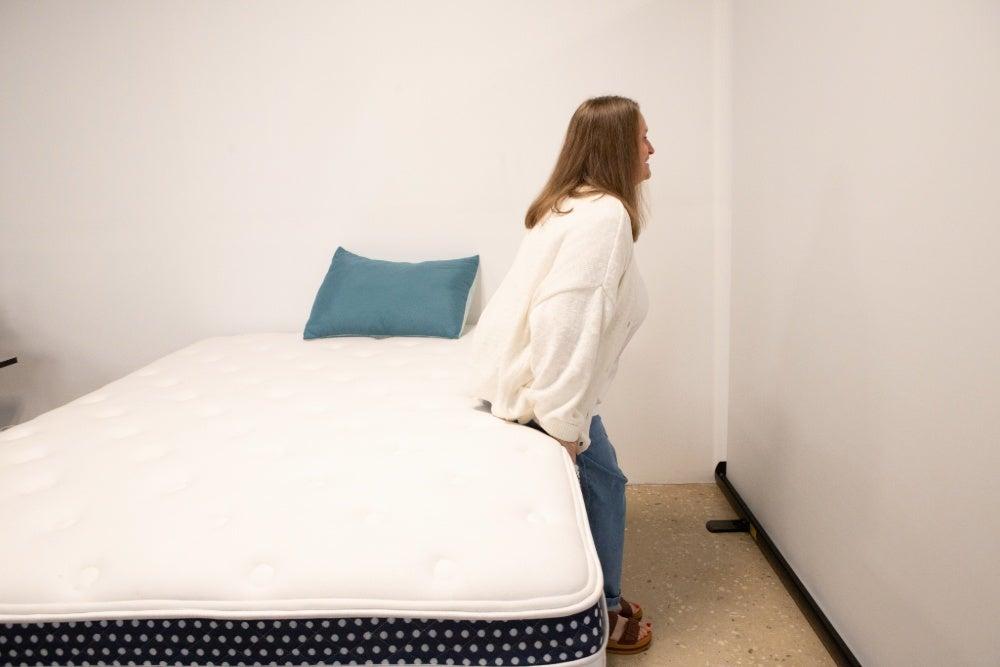
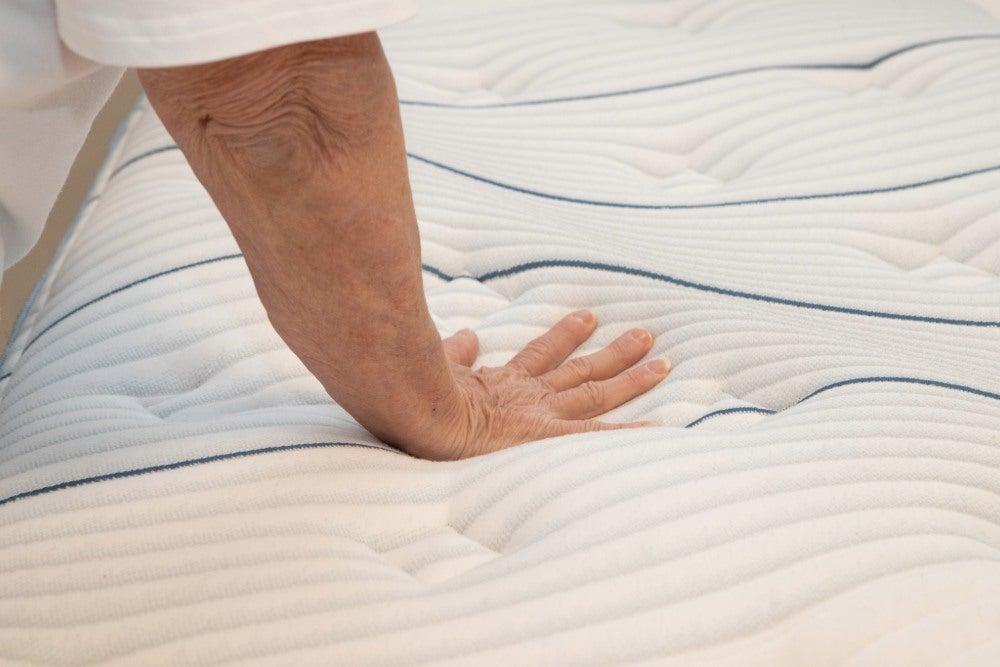
To find the best mattresses for arthritis, we tested them using pressure-sensing devices and other equipment such as heat measurement guns. We also recruited older adults to test the mattresses and report on their experiences, ranking firmness, edge support, pressure relief, and other factors.
We tested the following features when choosing the best mattresses for arthritis in older adults:
Many people with arthritis experience uncomfortable tossing and turning all night or light sleep that leads to fatigue or drowsiness the following day.”
—Norman B. Gaylis, MD, a rheumatologist and internist in Miami, Florida
Helix Midnight Luxe: Best Overall for Arthritis
We selected the Helix Midnight Luxe as our Best Overall for Arthritis because it relieved joint pressure better than almost every mattress we tested. Testers found this hybrid mattress both supportive and comfortable, earning it the top spot on our list of the best mattresses.
- Helix Review
- Targeted pressure relief to reduce joint pain
- Scored high for pain relief
- Contouring layers keep the spine neutral
- Our pain relief score: 4.21/5
- Accessibility score: 4.06/5
- Mattress type: Hybrid
- Brand’s firmness rating: 6/10
Pros
- High scores for pressure relief across all positions
- Mix of comfort and support helps ease pain
- Contours to keep spine straight
- Less challenging to change positions
Cons
- Edges could be stronger
- Couples may be disturbed by a partner’s movements
- White-glove delivery costs extra
Nectar Premier: Best for Side Sleepers with Arthritis
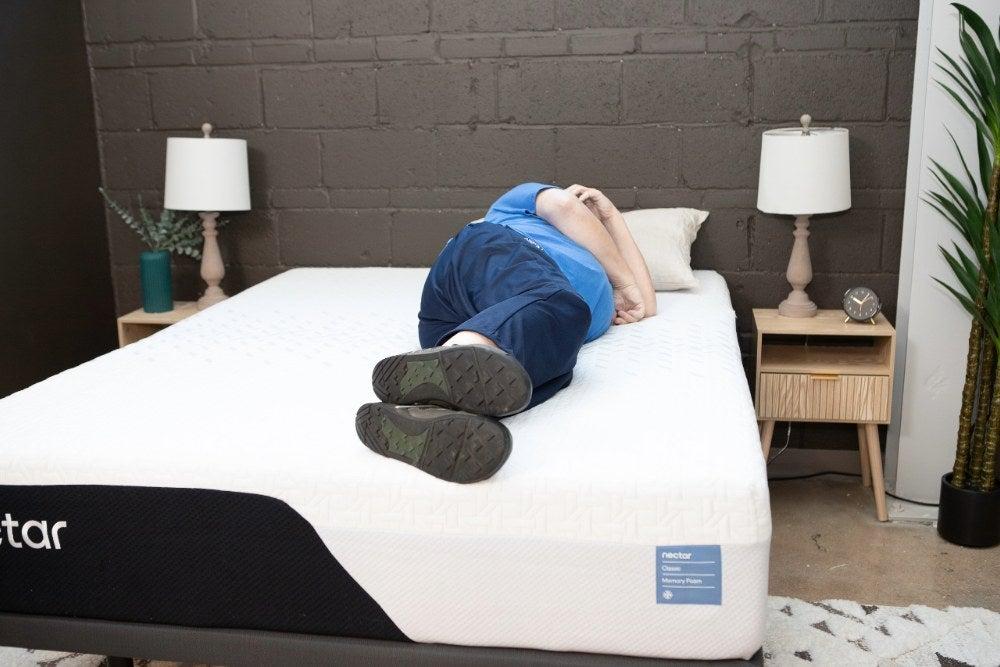
We chose the Nectar Premier as the Best Mattress for Side Sleepers with Arthritis because of its great pressure-relief performance for the shoulders and hips (common pressure points for side sleepers). We found the Nectar Premier hybrid and memory foam tested equally well, with the memory foam doing slightly better for overall support and pain relief, and the hybrid winning out for cooling.
- Nectar Review
- Relieves pressure on shoulder and hip joints
- Great firmness level for side sleepers
- Good bounce helps with difficulty moving
- Our pain relief score: 4.2/5 (memory foam), 3.91/5 (hybrid)
- Accessibility score: 4.06/5 (memory foam), 3.8/5 (hybrid)
- Mattress type: Memory foam/Hybrid
- Brand’s firmness rating: 6.5/10 (both)
Pros
- Supportive mattresses for side sleepers
- Great at relieving pain and pressure on joints
- Memory foam model provides great support and pain relief
- Hybrid model provides great support and stays cooler
- Long 365-night trial period
- Lifetime warranty
Cons
- Could be too soft for some
- Dense memory foam could make it harder to change positions
- White-glove delivery (in-room set up) costs extra
DreamCloud Classic Hybrid: Best Affordable Mattress for Arthritis
The DreamCloud Classic Hybrid earned our Best Affordable pick because it is among the highest rated beds in our review but has one of the lowest costs. Testers didn’t report pressure buildup in any position, a plus for those with sensitive joints.
- DreamCloud Review
- Low price and often heavily discounted
- Offloads pressure from joints in every position
- Prevents motion transfer for restorative sleep
- Our pain relief score: 3.88/5
- Accessibility score: 4.55/5
- Mattress type: Hybrid
- Brand’s firmness rating: 8.5/10
Pros
- Budget-friendly
- Minimal pressure buildup at joints
- Responsive material allows easy position changes
- Hybrid design and breathable quilt offer airflow
- Blocks motion disturbances well
Cons
- Softer than advertised
- Edges don’t feel stable
- Side sleepers could use more support
The WinkBed Plus: Best for Back Pain and Arthritis
We selected the WinkBed Plus as Best for Back Pain and Arthritis for its excellent support and stability, and for its ability to cradle joints while reducing pressure buildup. The combination of strong support for hip, shoulder, and neck joints and cushioning can benefit people with arthritis, back, or other joint pain.

- WinkBed Review
- Relieves pressure in the back and joints
- One of our top scoring mattresses for pain relief
- Firm support with a soft feel
- Our pain relief score: 4.2/5
- Accessibility score: 3.99/5
- Mattress type: Hybrid
- Brand’s firmness rating: 6.5/10
Pros
- Spreads weight evenly to keep stress off joints
- Contours to support joints in side and back sleepers
- Great stability makes motion easier for stiff joints
- Breathable gel-infused memory foam stays cool
Cons
- No white glove delivery option
- Not great for partnered sleeping due to poor motion isolation
- May be too firm for some
Bear Elite Hybrid: Best for Cooling and Arthritis
We chose the Bear Elite Hybrid as our Best Cooling Mattress for Arthritis because it prevented heat buildup better than any other mattress we tested. Our testers also scored the Bear Elite Hybrid highly for pain and pressure relief.
NCOA exclusive discount
40% off sitewide with code: NCOA40
- Bear Review
- Exceptional at keeping cool
- Stable and supportive for easier movement
- Relieves pressure on neck, shoulder, and hip joints
- Our pain relief score: 3.53/5
- Accessibility score: 3.54/5
- Mattress type: Hybrid
- Brand’s firmness rating: 6/10
Pros
- Limits heat buildup and stays cool
- Helps relieve joint pressure in any position
- Good contouring promotes spinal alignment
Cons
- Movement may wake light sleepers
- Slightly weaker edges
Titan Plus Luxe: Best Mattress for Higher Weight People with Arthritis
We chose Titan Plus Luxe as the Best Mattress for Higher-Weight People with Arthritis for its exceptional support and high weight capacity. This mattress distributes pressure evenly so higher-weight sleepers are well-supported, particularly at key pressure points.

- Titan Review
- Designed for higher-weight people
- Among the most supportive mattresses we tested
- Good firmness level for people with arthritis
- High weight limit (1,000 pounds)
- Our pain relief score: 4.62/5
- Accessibility score: 4.3/5
- Mattress type: Hybrid
- Brand’s firmness rating: 6/10
Pros
- Lots of back support
- Great pressure relief
- Durable construction
- High weight limit
Cons
- May feel too firm
- May trap heat
- Motion may wake up partner
- No white glove delivery
What to consider when buying a mattress to ease arthritis and joint pain
Even the best mattress for arthritis is no substitute for medical treatment. “There are more than 100 different kinds of arthritis,” said Norman B. Gaylis, MD, a rheumatologist and internist who practices in Miami. Treatment depends on the type of arthritis you have and other factors. If you find symptoms like pain, stiffness, or swelling of the joints disrupting your sleep, changing your mattress may be one of many lifestyle changes that could help.
Dr. Gaylis said to look for a mattress that is relatively stable, doesn't collapse in the middle, and is decently firm but not too hard. Some other things to consider based on our firsthand testing and research:
Pressure relief
“Good pressure relief can ease pain by decreasing stress on the hips, shoulders, and knees,” said Dr. Bard. She recommends memory foam and latex mattresses because they contour to the body and distribute weight evenly to decrease pressure on individual joints.
Spinal support
Keeping the spine in proper alignment also helps reduce stress on joints. A mattress can help by offering targeted support in places like the shoulders and hips. Often, mattresses with zoned support or different levels of firmness for different areas, do this well, said Dr. Bard.
Cortisol levels drop so you can fall asleep, and cortisol blocks people from feeling pain. When cortisol levels drop at bedtime, they feel the pain the most.”
—Stella Bard, MD, rheumatologist in McKinney, Texas
Materials
The materials used in a mattress’s construction are important for choosing the right bed for arthritis pain because they can play a key role in how well the bed cushions joints or maintains spinal alignment. High-quality foams or latex can contour the body to reduce pressure buildup and extend the mattress’s lifespan.
Mattress firmness
“A medium-firm mattress provides a balance of support and comfort,” said Dr. Bard. While research specifically on people with arthritis is lacking, research suggests that a medium-firm mattress may help with spinal alignment, which takes stress off joints.5
Temperature control
Overheating at night can disrupt sleep, and may aggravate arthritis or joint pain. Mattresses made with cooling or breathable materials, such as gel-infused memory foam or latex, may help you stay cooler and more comfortable.
Sleeping positions to ease arthritis and joint pain
The position you sleep in can have a big impact on your back and joints because you’re in it for hours at a time. While it is difficult to change your natural sleeping position, there are steps you can take to make yourself more comfortable and potentially ease some of the pain and other symptoms from arthritis.
Side sleepers
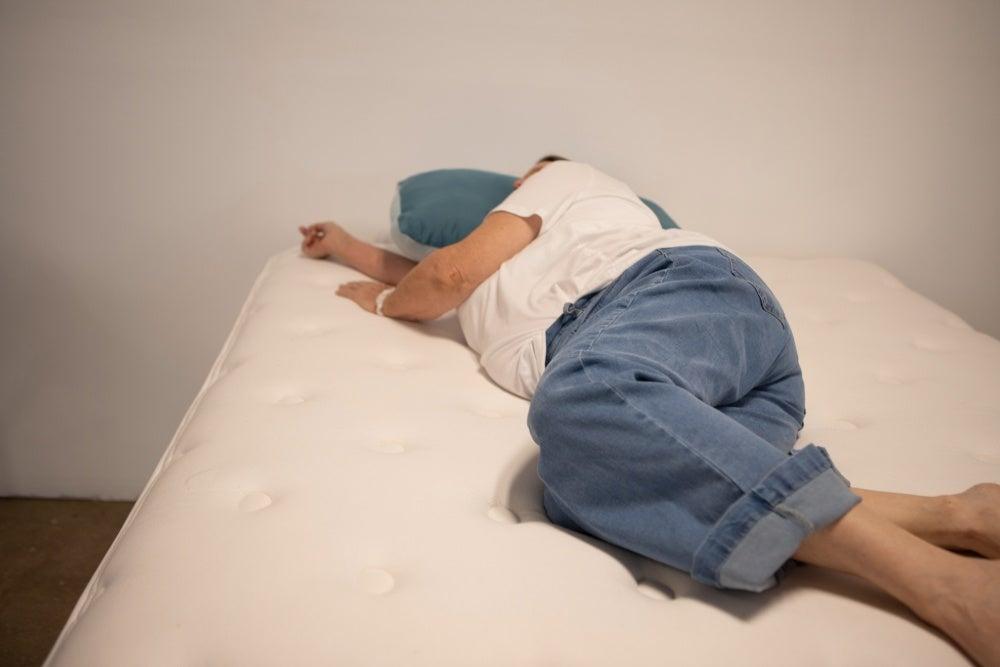
Side sleeping is the most common position, and whether you lie on your left or right, it concentrates pressure on your shoulder, hip, and neck joints. That extra pressure can be a problem for anyone with sore or inflamed joints. You can help reduce some of this pressure by placing a pillow or rolled-up blanket between your knees, said Dr. Bard. That will take pressure off the hip joint and may also help keep your spine in the correct position and take tension off the lower back. You can see our guides to the best mattresses for side sleepers and the best knee pillows for more information.
Back sleepers
This is actually the best position for someone with arthritis or back pain because it allows the spine to remain in the most neutral position, according to Dr. Bard. If you want to relieve the tension in your back even more, placing a pillow under your knees can help elevate the lower body, reinforcing the spine’s natural curve.

Stomach sleepers
This position is not recommended because it can strain the neck and spine, potentially worsening arthritis pain. If you have to sleep on your stomach, placing a pillow under your pelvis may help relieve pressure on the lower back, according to the Arthritis Foundation.6
The best mattress types for arthritis
Choosing a mattress can be complicated, especially when you are trying to find the best mattress for arthritis aches and pains. The type of arthritis you have matters. You may want to focus specifically on the best mattress for rheumatoid arthritis, for instance. There are also key differences between the best mattress for arthritis in the shoulders and the best mattress for hip and back arthritis. It can help to know a little about the materials used in mattresses and how they can help ease painful joints.
Innerspring mattress
These traditional mattresses use metal coils or springs to provide support. While they can be good for airflow and bounce, spring mattresses usually don’t limit motion as well as foam, which may irritate painful joints. You can find individually wrapped coils, sometimes called pocketed coils, that help keep motion transfer to a minimum.
Memory foam mattress
Memory foam mattresses are known for the way they contour to the body’s curves and support joints while cushioning them. That’s one reason memory foam mattresses are often considered the best mattresses for joint and back pain. Foam is also used in hybrid mattresses to dampen the motion of the coils, so your sleep won’t be disturbed by a partner changing positions. It does tend to trap heat because it is so dense, so it won’t stay as cool as a hybrid or spring mattress.
Hybrid mattress
These mattresses combine the support and responsiveness of springs with layers of memory foam for cushion and comfort. A mattress with some bounce can make moving on the mattress easier, which can be helpful for someone with a painful condition like arthritis. There are many different configurations of hybrid mattresses. Those with zoned support, or extra foam in specific areas, are recommended for anyone with back or joint pain to take pressure off those critical areas.
Latex mattress
Latex is a dense, rubbery material that can be natural, synthetic, or a combination of both. It is often used as a foam in mattresses and is known for its durability and responsiveness. The best latex mattresses contour similar to memory foam, and their breathability and bounce can make them a good choice for anyone with arthritis who may want a mattress that’s easier to move on. Latex mattresses do tend to be heavier and more expensive than other kinds.
Adjustable mattress and base
Adjustable beds have a frame that allows you to change the angle of the mattress by elevating or lowering the head, foot, or both. These can be some of the best types of mattresses for arthritis because they can help take some of the pressure off neck, shoulder, knee, and hip joints. Not every mattress fits in an adjustable base, so you want to make sure whatever you choose is compatible.
Mattress types and arthritis relief
| Comparison Features | Memory foam 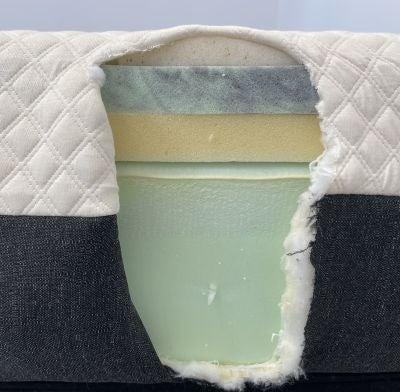 |
Hybrid  |
Latex (natural or synthetic)  |
Innerspring 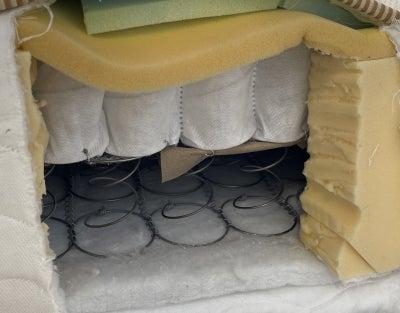 |
|---|---|---|---|---|
| Pressure relief | Very good |
Good |
Fair |
Poor |
| Ease of movement | Poor |
Good |
Very good |
Good |
| Joint support | Good |
Very good |
Good |
Fair |
| How it helps (or hurts) arthritis | Excellent at reducing pressure on sensitive joints (hips, shoulders, knees); may make movement harder for some |
Combines pressure relief with responsive support. Easier to move on than memory foam; zoned models help support affected areas |
Bouncy, breathable, and supportive without deep sinkage; great for reducing joint stiffness, may feel too firm for very sensitive joints |
Good for mobility and airflow, but pressure relief is poor unless paired with plush top; can aggravate joint pain if too firm |
| Best for | Side sleepers, people with rheumatoid arthritis or widespread joint pain |
Combo sleepers, seniors with arthritis in spine/hips |
Back or combo sleepers, people with arthritis and mobility issues |
People who prefer a firmer feel or stomach sleepers with mild arthritis |
How to sleep comfortably with arthritis and joint pain
Up to 80% of people with arthritis have trouble sleeping, according to the Arthritis Foundation.7 The risk of developing arthritis increases with age, which means a lot of older adults may have trouble falling or staying asleep due to arthritis, joint pain, or discomfort. And it can work both ways: Lack of quality sleep can make your arthritis pain and other symptoms worse. Here are five ways to sleep more comfortably if you have arthritis or a similar condition:
- See a medical professional to rule out any other conditions. This should be your first step, because arthritis is not the only reason you may have trouble sleeping.
- Follow your doctor’s advice for controlling your arthritis pain. If you should take medication, prescription or over the counter, ensure you are doing so.
- Watch your diet. Avoid caffeine, which is a stimulant that can keep you awake. It is found not only in beverages but some foods, including chocolate. Dr. Bard also said foods with anti-inflammatory properties (like fish oil, turmeric and black pepper, and ginger) may help control certain symptoms like joint pain as well.
- Practice good sleep hygiene. Having a regular bedtime and avoiding stimulation and screen time beginning at least an hour before you plan to sleep can help relax your brain and body. Make sure your sleep environment is comfortable, dark, and cool to promote better sleep. Also, older adults often have to get up to go to the bathroom at night, so have a clear path to make it easier to get in and out of bed.
- Have a supportive mattress and pillows. Selecting the best mattress for arthritis can help sore joints feel better supported and cushioned, so the pain doesn’t wake you during the night.

28% of older adults surveyed said they needed relief from pain while trying to sleep. 58% felt less pain after buying a new mattress.
Source: NCOA sleep pain and position survey.8
Managing arthritis pain before bedtime
“Arthritis can prevent you from having restful sleep, and especially the ‘dreamlike’ deep REM sleep that is needed to recharge our batteries,” said Dr. Gaylis. This can be due to joint or soft tissue pain. Here are some ways experts say you can help ease those pains and rest better.
- Stretch before bed. Some simple stretches can help relax muscles, said Dr. Bard.
- Try some heat. A warm bath or heating pad may help relax muscles, joints and the spine.
- Establish a relaxing bedtime routine. Drink sleep-inducing beverages such as milk or chamomile tea.
- Use white noise. Some people report that sound devices with "white noise" or relaxing music helps them fall asleep.
- Prioritize comfort. Make sure the bedroom includes a comfortable mattress, supportive pillows, and a cool, dark, and quiet environment.
Dr. Gaylis added that anyone having difficulty sleeping should avoid caffeine or drinking alcohol at least two hours before bedtime. And he recommends keeping television out of the bedroom.
How much do the best mattresses for arthritis cost?
The best mattresses for arthritis cost between $949–$3,049 for a queen-size mattress (Medicare may cover some of the cost if you have a doctor's prescription). Along with size, other things that contribute to the cost of a mattress include the materials used in its construction, certifications, and added features such as a cooling layer or pillow top, as well as extras offered by the brand.
Comparing costs of the best mattresses for arthritis
| Helix Midnight Luxe | Nectar Premier | WinkBed Plus | Saatva Rx | Bear Elite Hybrid | Titan Plus Luxe | |
| Cost for a queen* | $2,399 | $2,382 (Memory Foam) $2,413 (Hybrid) | $2,856 | $3,399 | $2,427 | $1,599 |
| Shipping costs | Free shipping | Free shipping | Free shipping | Free shipping | Free shipping | Free shipping |
| White glove delivery available? | Yes, $129 (mattress only) | No | No | Yes, free | Yes, $175 | No |
| Warranty length | Limited lifetime | Limited lifetime | Limited lifetime | Limited lifetime | Limited lifetime | Limited lifetime |
| Return fees | None | None | None | $99 | none | $99 |
*Most mattress brands run frequent or ongoing promotions. Sale prices are typically lower and may change often.
How to save money on mattresses
Buying a mattress can have a large upfront cost. If you’re looking for ways to save, consider the following:
- Look for sales, especially around holidays like Labor Day, Memorial Day, and the Fourth of July.
- Many manufacturers offer coupons, sale codes, and discounts on their websites.
- Lots of mattress manufacturers offer discounts for current or former members of the military, students, teachers, older adults, and other groups.
- If you have a medical need for a mattress and your health care provider writes a note of medical necessity, you may be able to use FSA or HSA funds to make your purchase.
- Retail stores often have floor models or returns at a big discount.
- Most mattress manufacturers offer some kind of financing plan, which can be a better bargain than paying for a mattress with a credit card.
It’s a good idea to research mattresses before you buy, so you can find the best mattress for the best price. Knowing what features you need and which you can live without can save you some money, too.
Frequently asked questions
What is the best mattress for arthritis?
Based on our testing, we think the WinkBed Plus is the best mattress for arthritis. It's firm but not too hard, supports the neck, shoulders, knees, and hips, and keeps the spine aligned.
What type of mattress is best for older adults with arthritis?
The best mattress for older adults with arthritis provides joint support and helps ease pain and pressure by keeping the spine straight. Many experts recommend memory foam or latex because of their ability to contour to the body and offer support and comfort. But the best choice for you will depend on many factors and personal preferences.
Is a firm or soft mattress better for arthritis?
A medium-firm mattress is a good place to start. A mattress rated around 6–7 out of 10 in firmness may work well for arthritis because it may provide enough support to keep the spine aligned while still cushioning sore joints.
What should you look for in a mattress if arthritis makes movement harder?
A mattress with good support, pressure relief, and some responsiveness may make it easier to change positions in bed. Delivery and setup options are worth considering, too, especially if arthritis symptoms limit your mobility.
How should I sleep with spinal arthritis?
If you have spinal arthritis, the sleeping position that best supports the spine and keeps pressure off it and your joints is on your back. Sleeping on your back allows the spine to relax in its most natural position, while sleeping on your side or stomach allows pressure to build under your hips, shoulders, knees, and neck.
Questions? Email us at reviewsteam@ncoa.org.