
The Best Medical Alert Watches of 2026: Expert Reviewed
The Medical Guardian MGMove is our pick for best overall medical alert watch.
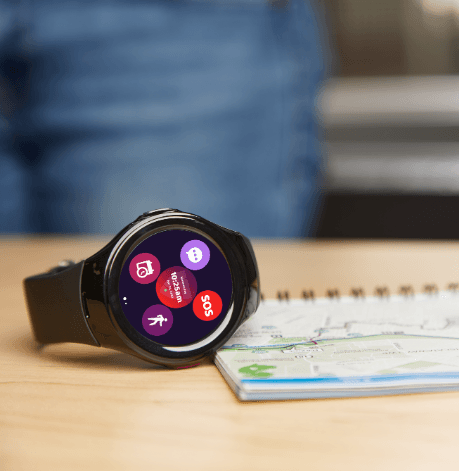
- Medical Guardian MGMove is our pick for Best Medical Alert Watch Overall.
- Subscription prices for watches in this article range from $38.95–$84.95. But unlike many traditional medical alert systems, equipment fees are common when purchasing a smartwatch.
- Watches rely on cellular connectivity, so checking a coverage map before choosing which one to buy is important.
- Smartwatch fall detection may miss softer fall patterns, which may not work well for those at higher risk of falls.
- Medical alert watches can increase a person’s sense of freedom and security.
At NCOA, we take the time to research, test, and recommend products that aim to help you live a healthier life. We’ve spent more than 3,000 hours researching medical alert systems to give you the most accurate product reviews. To find the best medical alert systems, we:
- Consulted with doctors and licensed adult caregivers who specialize in working with older adults
- Put more than 35 devices through a series of 16 different tests at our in-house lab
- Mystery shopped more than 15 brands
- Surveyed more than 1,000 medical alert system users and caregivers
- Interviewed experts on older adults falls risk
- Worked with older adults to test medical alert systems and get their opinion
- Read thousands of verified customer reviews
We’re constantly testing new medical alert systems to give you the most accurate and up-to-date recommendations. Read more about our medical alert system review methodology.
Medical alert watches can be a great alternative to traditional medical alert devices because they look like regular smartwatches. You might feel more comfortable wearing a medical watch since other people won’t be able to tell it’s actually for emergencies. And because the best medical alert device is the one you wear consistently, choosing a medical alert watch can help increase your sense of safety as you live your life.
But many people are reluctant to wear a medical alert device because of their design. They worry the devices make them look older or more frail.1
We’ve tested and reviewed several popular life alert watches on the market. In this article, we’ll explain why we chose the Medical Guardian MGMove as our top pick, how it compares to other brands, and what you should consider before choosing the right medical alert watch for you.
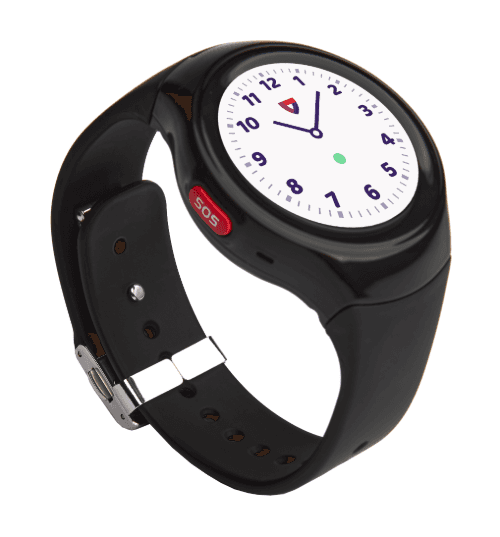
Best Overall
Medical Guardian MGMove
Offers a long battery life, discreet design, and fast response time
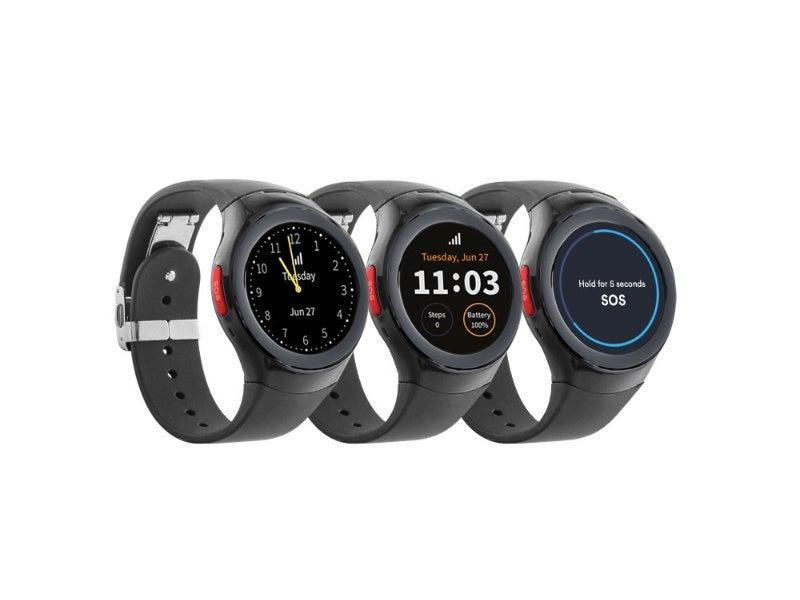
Easiest to Use
Bay Alarm Medical SOS Smartwatch
Straightforward setup and caregiver tracking included
Our pick for the best medical alert watch
- Medical Guardian MGMove: Best Overall
- Bay Alarm Medical SOS Smartwatch: Easiest to Use
The best medical alert watches of 2026 compared
| Our rating | Avg. response time (seconds)* | Battery life (hours) | Charging time (hours) | Warranty (days) | |
| Medical Guardian MG Move | 9.9 | 29 | 24 | 1–2 | 90 |
| Bay Alarm Medical SOS Smartwatch | 9.8 | 22.3 | 6-18 | 2-2 | N/A |
*Response times can vary based on connectivity type, location, and more. We consider an average response time of less than 60 seconds as passing the test.
How we tested to find the best medical alert watches
To review medical alert systems, we begin by researching how older adults use them in everyday life. We survey people with firsthand experience using these devices to find out which features matter most, what they find helpful, and what they would like to see improved. We also read verified customer reviews and consult with health care professionals to understand how concerns such as falls, chronic illness, and mobility concerns influence device needs. Using those insights, we created a testing methodology built around more than 60 data points.
Next, we conduct hands-on testing of top medical alert systems and score them in key categories, including:
Our reviews of the top medical alert watches
Medical Guardian MGMove: Best Overall
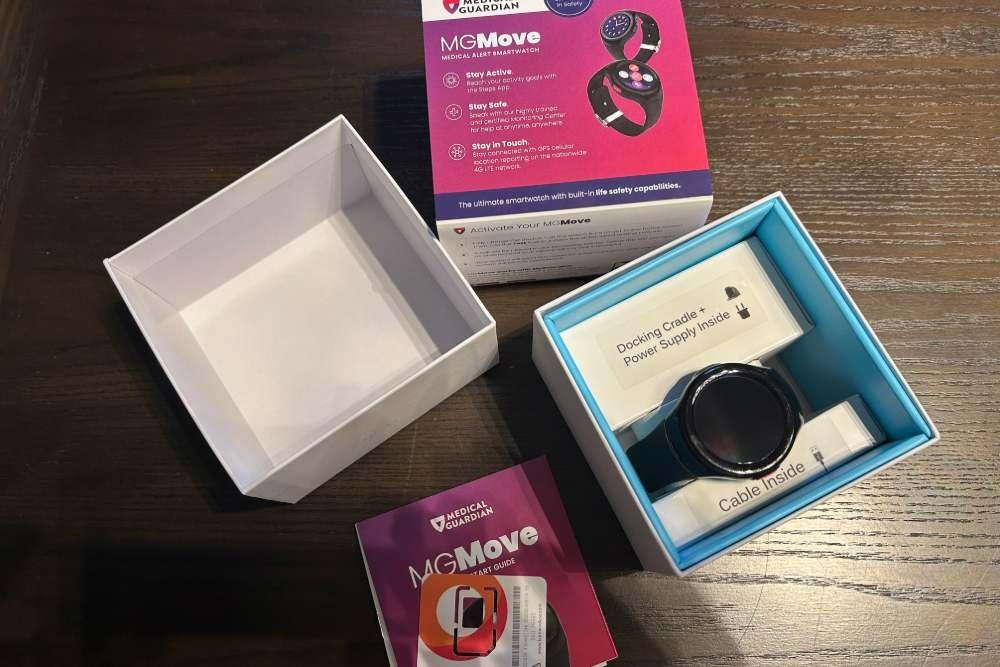
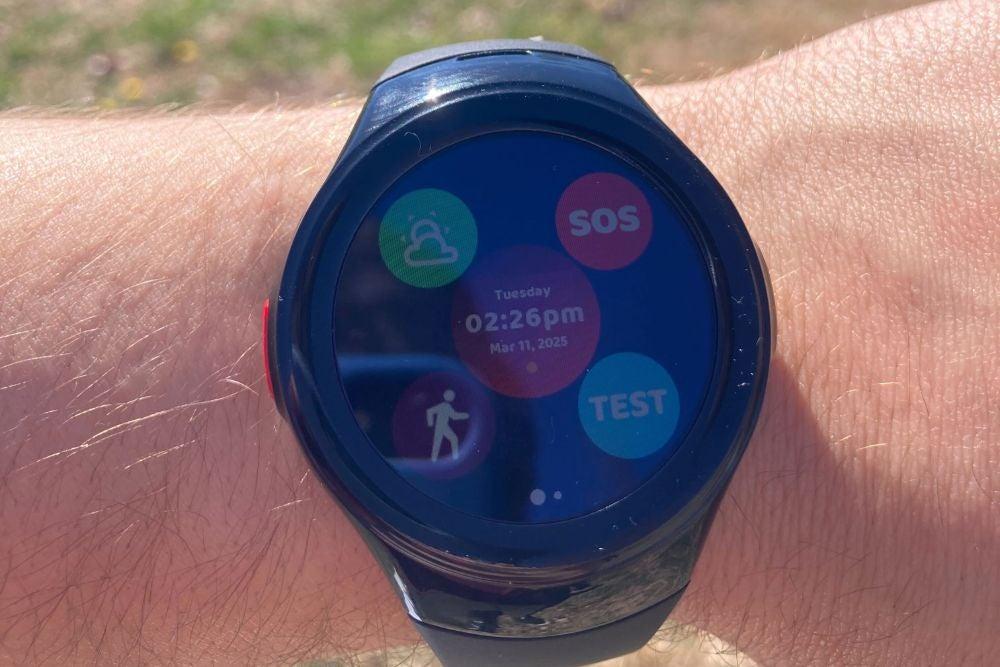
We chose Medical Guardian MGMove as our Best Overall medical alert watch because it is user-friendly and has a long battery life. In our testing, we found it had a rapid response time (just 29 seconds on average) and accurate GPS location services.
Medical Guardian MGMove
Best OverallNCOA Exclusive Discount
Free equipment with the code: NCOAFREE
NCOA Exclusive Discount
Free equipment with the code: NCOAFREE
- Medical Guardian Review
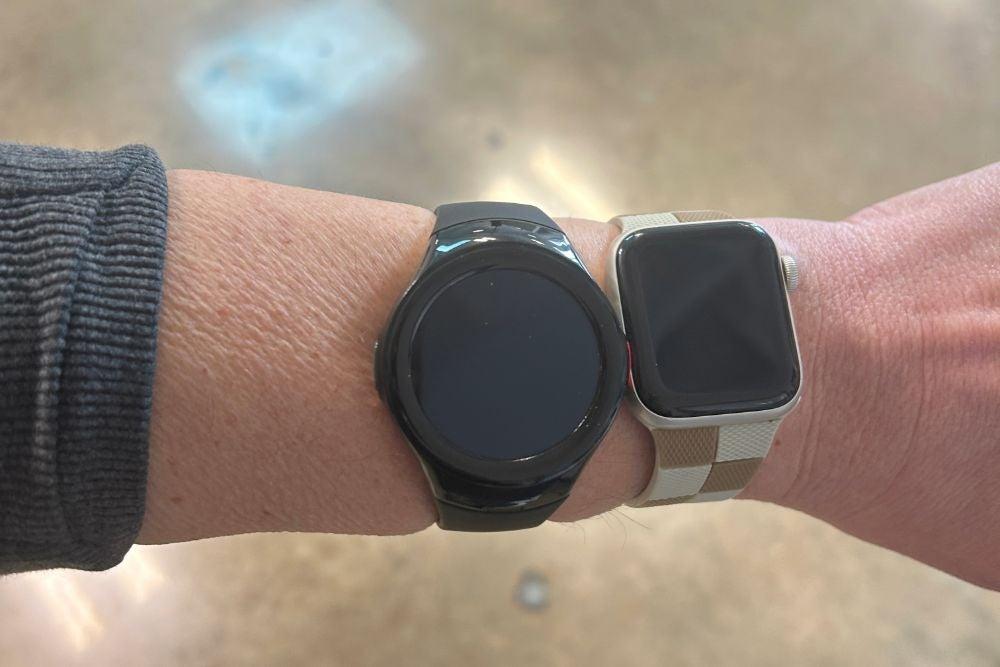
- Comfortable and discreet
- Fast response time
- Reliable GPS tracking
- Avg. response time: 29 seconds
- Battery life: 24 hours
- Charging time: 1–2 hours
- Fall detection: Yes, $10 extra/month
- GPS tracking: Yes
Pros
- Comfortable to wear
- User-friendly design
- Easy-to-follow prompts and communication
- Clean, discreet look
- Reliable GPS tracking
- Long battery life
- Fast charging time
Cons
- Upfront equipment costs are expensive
- Test calls cannot be cancelled
- Band cannot be changed
Bay Alarm Medical SOS Smartwatch: Easiest to Use
Bay Alarm Medical’s SOS Smartwatch earned its place as our Easiest to Use for its clear, simple design. Our testers were consistently impressed with the SOS Smartwatch’s user-friendliness, noting its well-labeled packaging, clear instructions, and straightforward layout.
- Bay Alarm Medical Review
- Quick call cancellation
- Caregiver tracking included
- Sleek profile and discreet appearance
- Average response time: 22 seconds
- Battery life: 6-18 hours
- Charging time: 2-3 hours
- Fall detection: Yes, $10 extra/month
GPS tracking: Yes
Pros
- 15-day trial period
- Free caregiver app with all mobile devices
- Includes Vial of Life (a medical info container for first responders)
- Excellent customer service
- Fast response time
Cons
- No separate testing button
- Shorter battery life
- Watch band can be difficult to put on
Other brands to consider
While the Medical Guardian MGMove is our top pick, there are other medical alert watch brands on the market you might want to consider. These brands include:
Unaliwear Kanega Watch
The Unaliwear Kanega Watch is a high-quality device with fall detection, but its limited features and extremely high price make it impractical for some users.
What we like:
- The Kanega looks sleek and has three bands to choose from
- Fall detection doesn’t cost extra
- It comes with extra rechargeable batteries so you don’t have to take the watch off to charge it
What could be better:
- At $299 for the equipment and an $84.95 monthly subscription, this watch is much more expensive than others on the market
- It doesn’t have an app
- No location tracking for designated contacts
- Users have to call a phone number to set up the watch, which creates a barrier for access
- The rechargeable batteries sometimes fell off the watch when we were wearing it to test
Apple Watch medical alert
An Apple Watch is a popular device that connects to your smartphone, providing much more functionality than a medical alert watch alone. But because it’s a smartwatch first and a medical alert device second, it falls short on fall detection.
What we like:
- Sleek and attractive design means more adults might be willing to wear one consistently
- They’re very customizable, with bands you can buy from Apple or compatible versions you can get from sites like Amazon
- Range of accessibility features such as VoiceOver and Zoom functions
- You can pair the watch to a smartphone, which makes it more useful than a watch that’s only for medical alerts
- Because it is a smartwatch, you don’t have to pay a monthly subscription fee, but it will use your smartphone’s data plan
What could be better:
- Apple Watch ($249–$1,000+), is expensive compared to the MG Move ($199 equipment fee)
- You need a smartphone and cellular plan for the watch to work
- Apple Watch’s fall detection only detects hard falls, like if you were to fall off a mountain bike. Most older adults also experience soft falls, such as slumping off a couch to the floor, or falls where they take protective steps to catch themselves partially on the way down.2 The Apple Watch’s inability to register soft falls makes it less effective for adults with fall risk.
- It connects directly to 911, not a monitoring center
How do medical alert watches work?
Medical alert watches work by connecting you to an emergency monitoring center when you either push a button or experience a fall. The staff at the center speaks to you about your emergency and contacts medical professionals and designated family members or friends if you need help.
Medical alert watches typically have GPS tracking, so the monitoring center staff can give your exact location to the first responders. Fall detection is especially helpful because when the device senses a fall, it connects to the monitoring center automatically. This means help is on the way even if you don’t have the ability to push the button.
“I strongly recommend medical alert devices to my patients not as a last resort, but as a proactive wellness tool,” said Keli Spencer, DC, in Grand Falls, New Brunswick, Canada. “In practice, I pair these devices with balance work, strength training, and joint mobility strategies to reduce fall risk. But here’s the truth: Even the strongest clients can trip over a rug or lose balance unexpectedly and that’s when having a device could mean the difference between a quick recovery and a long road back.”
Who should use a medical alert watch?
Medical alert watches are designed to connect you to an emergency monitoring center if you’ve fallen or need sudden medical help. If you are wondering whether or not you’d benefit from a medical alert watch, consider these factors:
- People who live alone or far away from a support network would benefit from the immediate assistance a medical alert watch provides
- Anyone with medical histories or diagnoses that put them at risk of sudden medical crisis would benefit from the 24/7/365 monitoring
- Those recovering from surgery or experiencing mobility limitations would benefit from the ability to contact help as soon as they need it
It’s also important to consider the difference between medical alert watches and traditional medical alert systems. Medical alert systems, usually a button on a necklace or wristband, offer similar medical alert system features to a medical alert watch, but they look like an actual medical device. Some people find them too noticeable.
If you have a high fall risk, consider choosing a wearable medical alert system over a watch.
But the most effective medical alert device is one you wear all the time. If you don’t like how the device feels when you have it on, you’ll be more likely to leave it in a drawer or choose not to take it with you when you leave the house.
If you know someone you think would benefit from a medical alert watch (also known as a “life alert watch”), read our article about how to talk about medical alert systems.
Medical alert watch costs
Medical alert watches often have multiple, and sometimes hidden, costs. Look out for these extra costs:
- Equipment and activation fees: All watches in this article come with equipment or activation fees. This is because you are buying the watch outright, rather than leasing it as you can with a medical alert device.
- Fall detection: Fall detection typically costs $10 per month, but prices vary by company.
- Protection plan: Medical Guardian offers a $6.99-per-month plan that covers loss, theft, accidental damage, and wear and tear. Other brands may offer other options.
- Caregiver apps: These apps allow users to communicate with designated contacts in an emergency. Medical Guardian offers OnGuard Alerts for $2.99 per month, but other companies may vary.
Medical alert watch costs for 2026 compared
| Medical Guardian MGMove | Bay Alarm Medical SOS Smartwatch | |
| Starting monthly cost | $49.95 | $39.95 |
| Fall detection (monthly cost) | $10 | $10 |
| One-time equipment fees | $199.95 | $199.00 |
How to save money on medical alert watches
The simplest way to save money on a medical alert watch is to pay annually, if that’s an option. For example, you can pay $44.95 per month ($539.40 per year) instead of $49.95 per month ($599.40 per year) if you choose an annual subscription with Medical Guardian. That’ll save you $60 per year.
You also get a free lockbox, which is a code-protected box with a key to your home for emergency responders to use, and free shipping.
Some companies offer financing, which could help reduce upfront costs and allow you to pay for the watch in several installments. And while Medicare or Medicaid typically doesn’t pay for life alert watches, you might be able to use your flexible spending account or health savings account. Some private medical insurance or Medicare Part C plans could also provide some coverage. Make sure to double-check your insurance policies before committing to a device.
Medical alert watches vs. smartwatches: What’s the difference?
On the surface, medical alert watches and smartwatches are very similar. Both look, feel, and function like a watch. Some medical alert watches offer similar features to a regular smartwatch like weather updates, messaging, and daily reminders. And some smartwatches offer similar features to medical alert watches, such as fall detection and emergency calling.
But smartwatches with fall detection usually connect directly to 911 in the case of a fall. On the other hand, medical alert watches allow you to talk to the monitoring center staff first. The staff can then help decide what kind of help you need, rather than automatically calling emergency services when you might not need them.
If you have a fall risk, we highly recommend choosing a dedicated medical alert device worn around the neck or waist for its accuracy instead of either a smartwatch or medical alert watch.3 Studies have also shown that watches with this technology can set off more false alarms because of how frequently we swing our arms in daily life.
Check out our story on the best medical alert systems with fall detection if falls are your main reason for researching a device like this.
What to look for when buying a medical alert watch
Choosing the right medical alert watch for you means thinking through the different features to find which one best matches your lifestyle. Some features to consider include:
- Connection type: unlike landline medical alert devices, watches need a strong cellular network connection to work properly. They typically use either AT&T or Verizon for coverage. Double-check the AT&T coverage map or Verizon coverage map to make sure you have coverage before purchasing a watch. Note: you don’t need a smartphone or a cellular plan for a medical alert watch.
- Cost: Double-check the total costs for the device, like equipment fees, activation fees, and monthly subscription fees.
- Fall detection and other features: In our February 2025 survey of people who have purchased a medical alert system, 75% of surveyed users stated they chose to purchase a medical alert device after they or someone they knew experienced a fall.4 Make sure the medical watch you’re considering has accurate fall detection. To help assess your falls risk, use our Falls Free CheckUp®.
- Water-resistance: Many people wear their devices in the shower or bath, because the slippery surfaces are high-risk. It’s good to choose a watch that’s water-resistant or waterproof.
- Battery life: Look for a watch with at least a 24-hour battery life so you don’t have to worry about it dying on you while you’re going about your day.
- Warranty: A good warranty helps to provide peace of mind if your device breaks. If you have the opportunity to opt-in to additional protection, it could go a long way toward saving you more money in the future.
Frequently asked questions
Will Medicare pay for a medical alert watch?
Original Medicare typically doesn’t cover medical alert watches or other medical alert systems. Some Medicare Advantage, Medicaid, long-term care insurance, or private insurance plans may offer coverage or discounts, but benefits vary by plan. Check your plan documents or call your insurer before buying a device.
Can an Apple Watch be used as a medical alert?
Yes, an Apple Watch can be used for some emergency features, including Emergency SOS and fall detection on compatible models. But it isn’t the same as a dedicated medical alert watch. Apple Watch fall detection is designed to detect hard falls, may not detect every fall, and usually calls emergency services directly rather than connecting you to a 24/7 monitoring center. A dedicated medical alert watch may be a better fit for someone who wants professional monitoring, caregiver tools, or a simpler emergency-only device.
Do Fitbits have fall detection?
No, Fitbits do not provide fall detection.
What watch calls 911 when you fall?
Medical alert watches and the Apple Watch call 911 when you fall, though the Apple Watch only calls after hard falls. Medical alert watches call after hard and soft falls.
Do medical alert watches require a subscription?
Most medical alert watches require a monthly subscription for 24/7 monitoring and cellular service. Some also charge one-time fees for equipment, activation, shipping, fall detection, protection plan, or caregiver app. Before choosing a watch, compare the full monthly and upfront cost—not just the advertised starting price.
Can I use a medical alert watch without a smartphone?
Yes, most medical alert watches connect to a cellular network without the need for a phone.
Questions? Email us at reviewsteam@ncoa.org.