
Reverse Mortgages: A Guide to Use Your Home to Stay at Home
1 min read
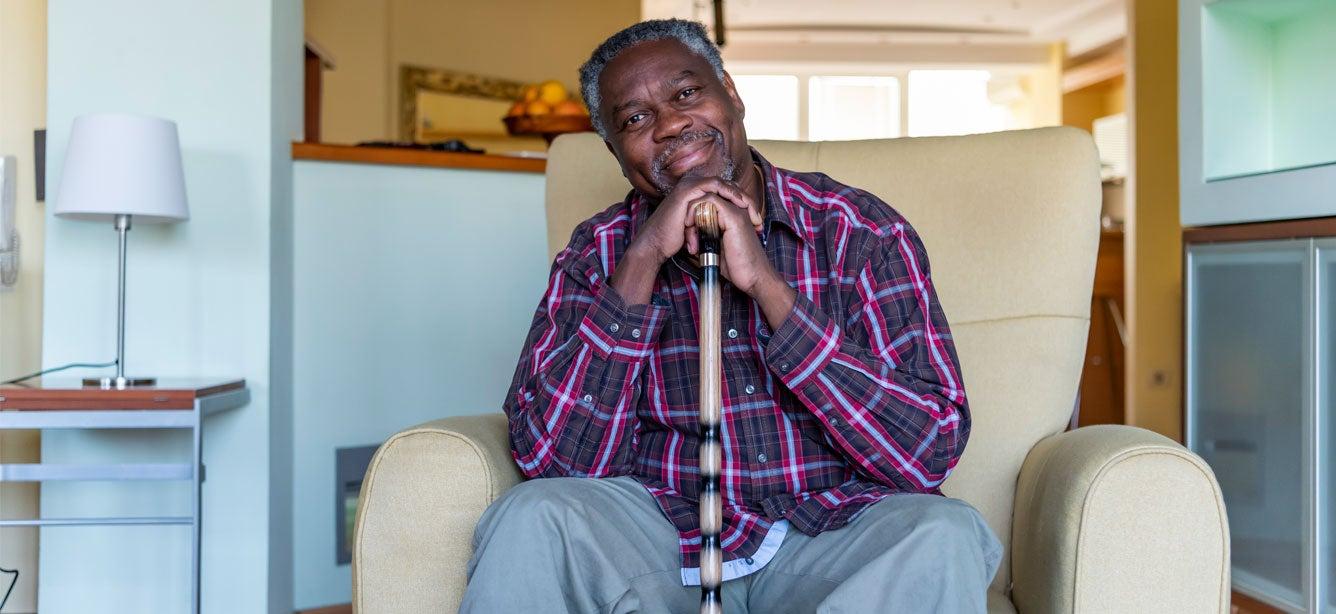
If you prefer to stay in your home as you age, you’re not alone—roughly 60% of older Americans feel the same way.1 But aging in place may require extra funds to pay for groceries, medical bills, in-home care, and other expenses. One option to cover these costs is a reverse mortgage, which lets eligible homeowners convert part of their home equity into cash.
If you're considering a reverse mortgage, it’s important to understand how it works, who qualifies, and the benefits and risks. NCOA has created a free guide that explains reverse mortgages in plain language and helps you decide whether one might be right for you.
What is a reverse mortgage?
A reverse mortgage is a loan for homeowners age 62 and older that lets you convert part of your home equity into cash while continuing to live in your home.
Unlike a traditional mortgage, you don't make monthly loan payments on a reverse mortgage. Instead, the loan is usually repaid when you sell your home, move out permanently, or pass away. To keep the loan, you must continue to pay your property taxes and homeowners insurance and keep your home in good condition.
Reverse mortgage quick facts:
- Available to homeowners age 62 and older
- Lets you convert home equity into cash
- No monthly mortgage payments required
- You must continue paying property taxes, insurance, and maintenance
- Loan is repaid when the home is sold, you move out permanently, or you pass away
- HUD-approved counseling is required for most federally insured reverse mortgages
“Your home may be one of your most valuable financial assets, and a reverse mortgage is one way to tap that equity without selling your home,” said Jessica Johnston, NCOA Senior Strategist for Economic Well-Being. “Like any financial product, it has advantages and drawbacks. That’s why it’s important to understand all your options, take advantage of required reverse mortgage counseling, and consider how this type of loan fits into your overall retirement plan.”
Why do some older adults consider a reverse mortgage?
Many older adults explore a reverse mortgage as a way to access extra funds while continuing to live in their own house.
One reason is the potential cost of long-term care. If you're turning 65 today, there's nearly a 70% chance you'll need some type of long-term care services and supports at some point during the rest of your life.2 You can use the money from a reverse mortgage to pay for in-home care services, which can be expensive.
Proceeds from a reverse mortgage can also be used for:
- Supplementing a fixed income
- Covering out-of-pocket medical expenses
- Paying for home repairs or accessibility upgrades
- Creating an emergency fund for unexpected costs
- Consolidating debt
A reverse mortgage may be worth considering if you plan to stay in your home for several years and need extra cash to help you do so.
Who qualifies for a reverse mortgage?
To qualify for most reverse mortgages, including federally insured Home Equity Conversion Mortgages (HECMs), you generally must:
- Be 62 or older.
- Own your home or have a low remaining mortgage balance that can be paid off with the reverse mortgage proceeds.
- Live in the home as your primary residence.
- Be able to continue paying property taxes, homeowners insurance, and maintenance costs.
- Complete independent counseling with a HUD-approved reverse mortgage counselor before closing on the loan.
Meeting these requirements doesn't necessarily mean a reverse mortgage is the right financial choice. It's important to consider your long-term goals, other sources of income, and alternatives before deciding.
Is a reverse mortgage right for me?
Since every homeowner's situation is different, a reverse mortgage may not be the right choice for you. This tool is generally most effective when it's part of your long-term financial plan, not a quick solution for an immediate financial challenge. It’s a decision you should think through carefully after getting all the facts and mandatory reverse mortgage counseling from a government-approved agency.
Where can I find more information on reverse mortgages?
The National Council on Aging (NCOA) has created a comprehensive guide to help you fully understand and evaluate your options for tapping into your home’s value. Use Your Home to Stay at Home© is the official federally approved consumer booklet for older homeowners who are considering using a reverse mortgage to stay in their home.
This guide explores the challenges of aging in place, what types of assistance you might require later in life, and the average costs of supportive services like in-home care.
You’ll also learn:
- Questions to help you decide whether your home still meets your needs
- How reverse mortgages work, including who may qualify, costs and responsibilities, and potential pros and cons
- The different types of reverse mortgages and how they compare
- Other ways to tap into your home equity, like a HELOC, and how they differ from a reverse mortgage
- Alternative housing options to consider, such as continuing care retirement communities and senior apartments
- Government benefits programs that can help you stay independent and age in place
You can download a digital copy of NCOA’s Use Your Home to Stay at Home© guide instantly:
To order multiple printed copies, please visit our ordering site.
Sources
1. Pew Research Center. Most older adults who live at home want to age in place, but they aren’t entirely confident they’ll get to. February 26, 2026. Found on the internet at https://www.pewresearch.org/short-reads/2026/02/26/most-older-adults-who-live-at-home-want-to-age-in-place-but-they-arent-entirely-confident-theyll-get-to/
2. LongTermCare.gov. How Much Care Will You Need? Found on the internet at https://acl.gov/ltc/basic-needs/how-much-care-will-you-need
How to Hire an Aging in Place Contractor
Thinking about making your home safer? This guide explains how to find a qualified contractor, compare bids, and avoid common home improvement scams.