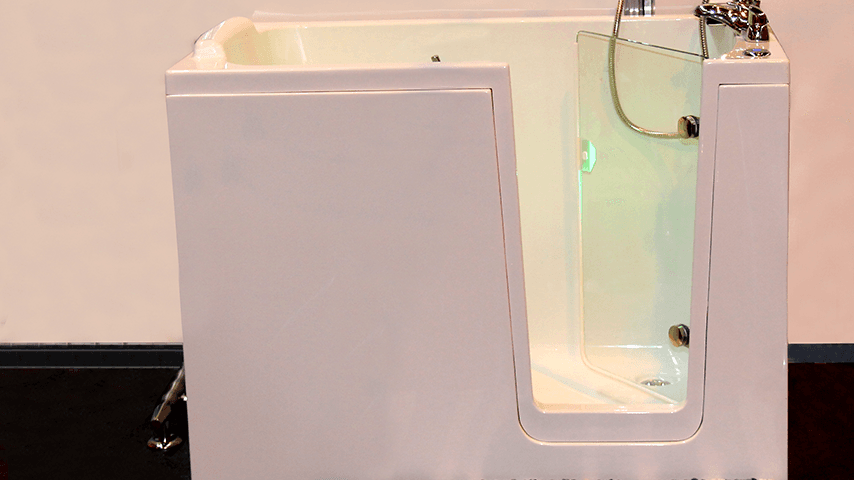


Making your home safer and more accessible is one of the best ways to support aging in place. Whether you're installing grab bars, replacing a bathtub with a walk-in tub, widening doorways, adding a home stair lift, or improving lighting, choosing who should do the job is just as important as choosing the right home modification.
If you’re handy and have the mobility and right tools, you might enjoy tackling some home improvement projects yourself. Otherwise, said NCOA's Emily Nabors, you’ll want to enlist the help of an experienced and reliable contractor. The right professional can help ensure your project improves safety, preserves independence, and is completed correctly the first time.
"Hiring a remodeler or contractor certainly costs money," Nabors said. "But when you compare those costs against what you likely will save down the road, it can be well worth your investment."
This guide explains how to choose a qualified contractor, compare estimates, avoid common home improvement scams, and successfully manage an aging in place remodeling project from planning through completion.
Why should you hire a qualified contractor for aging in place home modifications?
As Associate Director of Innovation at NCOA’s Center for Healthy Aging, Nabors is an expert on helping people age in place. This includes spreading the word on how to adapt our living spaces to support safety, accessibility, and independence for as long as possible.
Being proactive about making home modifications with the right professionals can pay dividends down the line. It pays to get the job done right the first time and helps to avoid the high personal, financial, and quality-of-life costs that result from fall-related injuries, many of which happen at home.
"That's why home modifications can make a lot of sense," Nabors said. Only about 10% of American homes are 'aging-ready,' according to a 2020 report from the U.S. Census Bureau. "Things like installing bannisters, widening doorways, creating an entry without steps—they improve the accessibility of our living space and can support our desire and ability to stay and thrive well into the future."
How to plan your aging in place remodeling project
It can be tempting, once you’ve set your mind on a renovation, to jump right in and hire someone to do it. But a little advance preparation goes a long way: giving you the best chance for a job that meets your needs and is done right, done on time, and done on budget.
1. Define your project and objective(s)
While it may sound obvious, it’s important to understand exactly what you want and need to do. Follow these steps to get a handle on your project.
2. Name the work that needs to be done
It’s one thing to say, “I really dislike my bedroom carpet.” It’s another to say, “I need someone to rip out the rug and put down this laminate flooring I picked out instead.”
Being specific is key, Nabors advised. First, it helps your contractor best understand the parameters of the job and provide the most accurate cost estimate. Second, it helps prevent “project creep”—a situation that easily happens with loosely defined goals.
“When you’re not clear about things up front, you can find yourself spending money you don’t have on ‘enhancements’ you don’t need,” she explained. “Suddenly, the carpet you didn’t like turns into high-end flooring with fresh wall paint, window décor, and furnishings to match.”
Once you define the job, write it down. Having it on paper gives you a clear starting point to work from.
3. Identify the type of professional(s) you need to do it.
General contractor or master plumber? Structural engineer or sheet-rocker? How do you know who to hire?
"Once you've named the work, list out all the steps required to complete it as best you can," Nabors advised.
Some jobs are straightforward and only need a single contractor to complete. Others need specialized skills, such as those of a master electrician. A few many even require more than one type of professional.
Here's a list of professionals that could be involved in a job that supports aging in place and their role in the project.2
- Contractors: These licensed and insured professionals might specialize in one area—such as plumbing, electricity, flooring, or insulation, for example. Or, they could oversee the details of your entire project. Known as “general contractors,” or GCs, this latter group will make sure all aspects of the job are running smoothly. They will hire and schedule subcontractors, manage budget(s), and be your on-site eyes and ears.
- Remodelers: These professionals typically are contractors of some sort with specialized expertise in changing the layout and functionality of an existing space: like bathrooms and kitchens. For example, they might re-orient and widen a doorway or demolish a tub and replace it with a walk-in shower. Remodelers combine their ability to visualize (see) these changes with their construction skills to make them happen.
- Renovators: These skilled workers help you improve existing spaces without having to change their “bones.” For example, renovators might replace a low toilet with an ADA-compliant, higher one; replace slippery flooring; or replace doorknobs with lever handles; and more.
- Architects: These college-educated, board-certified, and state-licensed professionals conduct site visits to determine whether recommended modifications make sense and can work. They also produce scaled, stamped drawings to help contractors secure any necessary building permits.
- Handy persons: These trained, experienced workers are affiliated with a home repair/home modification organization or aging service provider. They conduct simple home improvements such as installing grab bars.
- Specialized equipment installer: These specially trained technicians are required by some manufacturers to install equipment (like stair glides, ceiling track lifts, and elevators, for example).
- Rehabilitation specialists: These specially trained professionals make sure that any chronic or progressive conditions are taken into account. They can work with your project team to ensure that your needs are met now and will be in the future. This might include (but not be limited to) making recommendations for grab bar placement; ensuring shower controls are in an easy-to-reach location; and putting things in place so future adaptations to the home can be made easily.
- Occupational therapists: These licensed health care professionals evaluate your ability to do the things you want and need to do. They also provide personalized recommendations to support your health, safety, and independence now and in the future. OTs conduct follow-up assessments to teach you how to use any adaptive equipment safely and correctly; inspect the work to ensure it meets requirements; and help you complete a work order for any necessary adjustments.
- Physical therapists: These licensed health care professionals help you move more safely, with greater ease and less pain, to support your independence. PTs with specialized training and/or experience can also evaluate your home environment to minimize fall hazards and maximize independence. They conduct follow-up to ensure that modifications support your goals for aging and independence in your home and actually are helping you do both.
"If a project seems overwhelming, don't feel that you have to manage every step and every professional yourself," Nabors added. "Consider hiring a general contractor—someone with the expertise to lead the entire process for you. This includes finding and directing tradespeople, purchasing materials, coordinating vendors and schedules, and more."
How much do aging in place home modifications cost?
How much money do you want to spend on the project? How much can you realistically afford?
In thinking about your answer, first consider your personal financial situation. Many renovations span a range, from “budget-friendly” to “premium.” For example, the best home stair lifts can cost as much as $15,000 even before installation—which sometimes requires pricey structural and electrical upgrades or changes. Choosing a less expensive model may meet your needs just as well and free up funds for necessary related expenses.
Speaking of: your project budget should cover all associated costs including labor, materials, and things like disposal fees, permits, and inspections. Sites like Angi can help you ballpark a figure based on your ZIP code. However, be aware that estimates like these usually only reflect general contractor fees and the average costs of material in your area. You’ll need to pad your budget accordingly for additional work, like plumbing and electric.
“Don’t worry too much about nailing the number at this stage of the process,” Nabors said. “This is really a ‘gut-check’ meant to help you decide whether you can afford the work before you start.” If the number you have in your head is significantly lower than your initial research shows, you may need to re-evaluate the project or narrow it down.
How to find a qualified aging in place contractor
There are close to 130,000 residential remodeling businesses in the United States, according to the National Association of Home Builders (NAHB). And this number likely doesn’t include self-employed or independent contractors with no other paid employees. With so many choices available, how do you narrow yours down?
- Get recommendations: Ask trusted friends, family, or neighbors about their experiences. People you know are more likely to offer unvarnished opinions—good and bad—than random reviewers on the internet. They also can provide reliable advice and referrals to contractors they’ve worked with and like.
- Meet your candidates: You might also consider meeting with several potential contractors in person to see whether or not your personalities and style fit well. Depending on the complexity of the job, you may be spending a lot of time around them. It’s important that you feel comfortable and can easily communicate, too. You can also ask them to share photos of their work and their credentials, and request testimonials from former customers.
- Research reliability: It’s always a good idea to independently verify referrals. The Better Business Bureau (BBB) ranks and accredits millions of companies based on customer satisfaction, complaints, performance, ethical standards, and more. You can also check online review sites like Yelp or Trustpilot—keeping in mind that these reviews represent opinions, not independently measured quality standards.
For added peace of mind, Nabors advised, you can look for contractors who have completed the Executive Certification in Home Modification program offered through the USC Leonard Davis School of Gerontology. You can find one near you by searching the Program Alumni directory by state (You may also search any potential contractor by name to see whether they graduated from the program).
Finally, the National Association of the Remodeling Industry (NARI) provides a database of professionals who are “committed to excellence, ethical standards, and professional development.” - Solicit quotes: Nabors advises getting at least three cost estimates from three different professionals or companies. Be sure to provide the exact same job specifications to each; this ensures that you are comparing apples to apples.
Ideally, these quotes will closely resemble each other. In that case, who you ultimately choose boils down to your own personal calculations: Which contractor or company do you most trust? Who do you like best? Which project schedule is most desirable? Is it worth it to you to spend a few hundred or few thousand dollars more for the same work?
And one word of caution: be wary of any quote that’s significantly less than the others. “This is a huge red flag,” Nabors explained. “Either it means the contractor is willing to cut corners to win your business, or it could indicate a home improvement scam.” Steer clear and choose between your other options instead.
Before you hire a contractor: Contracts, insurance, and permits
Once you’ve decided who to hire, it’s important to document everything up front. This protects both you and the people doing the work; good contractors and companies know and appreciate this and always are happy to oblige.
- Double-check licensing and insurance: Protect your investment, yourself, and your finances against liability by insisting that the professionals you hire are qualified to do the work and are covered in the event of injury or property damage while on the job.
Visit the National Association of State Contractors Licensing Agencies directory page to find contact information for your state. Get in touch with the appropriate offices to verify credentials for the contractor(s) you intend to hire. You likely will need to ask for proof of insurance directly from them. Make sure to take and keep a copy. - Review and sign the contract: Ask for a clear statement of work. Be sure it includes your bottom-line budget, a detailed project schedule, payment terms, and what happens in the event of unexpected obstacles or costs (known as change orders).
Most professionals ask for an initial payment when you sign—typically 10% of the total, though it could be higher if you’re ordering pricey materials or equipment. That said, never agree to 100% payment up front. This leaves you with little recourse if the contractor quickly blows through your money before finishing the job—or abandons the job altogether. While it can feel uncomfortable to refuse, it helps to remember that you’re in charge. It’s completely acceptable to say “no.”
Fortunately, such scenarios are rare. If you’ve verified your contractor’s reputation, reviews, and licenses, it’s unlikely they will ask for full payment. That said, if you find yourself in this situation, strongly consider finding a new professional for the job, Nabors advised. - Verify permits: Many towns and cities require you to secure specific permits for home repairs and improvements such as window replacements, electrical upgrades, plumbing work, and changes to floor plans or structures, among other things.
Ask your contractor whether they will do this for you—and if they have—before any work starts. Noncompliance can lead to costly fines, retroactive fees, and other penalties.
For guidance, check with your municipal government’s Planning and Zoning, Public Works, or Clerk’s office. You can also type the name of your town plus the phrase “zoning and permits” into your internet search engine to find appropriate contact information.
During the project: What to know when the work starts
You’ve signed the contract and agreed to a start date. Most renovation professionals are well versed in managing their time and progress against your agreed-upon schedule and budget. Still, it’s nice to know what’s happening. Here are some strategies to use once your project kicks off.
- Communicate: This is the best way to develop a good working relationship and avoid misunderstandings about the work being done. Ask your contractor how they prefer to connect with you—in person, over the phone, via email, or text messaging—and how often they typically respond. It’s perfectly okay to ask for updates within reason.
- Track: For larger jobs, it makes sense to visually inspect the work—often called a “walk-through.” You can do this on your own or ask your contractor(s) to do it with you. This helps you see what’s been done, whether things remain on schedule, and identify any issues before they get too big. It also offers the chance to ask questions or write them down for later.
- Document: You might also want to photograph the work—whether for a later trip down memory lane, a way to measure current progress, or both. Empower yourself (or someone overseeing the work on your behalf) to take a few digital snapshots during each walk-through. These photos also provide proof of work done (or not done), which can help resolve any disputes.
- Amend: When it comes to home renovations, expect the unexpected: a hidden pipe, a rotten floorboard, a backordered product, or other obstacle that impacts the timeline or budget. If this happens, ask your contractor to write up an official change order. This modifies your original contract. Review and sign it before authorizing any additional work or spending.
What should you do after your home modification project is complete?
The drilling is done, the dust has settled, and it’s time to enjoy the results - almost. Take these steps to ensure a satisfactory conclusion.
- Do a final walkthrough: Inspect the completed work to be sure it meets your goals, quality expectations, and agreed-upon results. If applicable, ask your contractor how to use and maintain new equipment. And be sure to check that your contractor has closed all permits and inspections and—if not—request details on when these tasks are scheduled and who will be present for them.
- Get copies of important documents: Request receipts (printed or electronic) for any purchases your contractor made. In addition to your tax records, you’ll need these to register any products and for any future warranty repairs. Speaking of warranties, be sure to ask for these too; as well as for any instruction manuals, service contracts, and maintenance schedules.
- Make final payment: Congratulations! Once you’re satisfied with the work and have all the documents you need, it’s time to write your last check—and enjoy the many benefits of a safer, more accessible, and more livable home.
FAQ
What is an aging in place remodeling contractor?
These professionals identify opportunities to improve home safety, recommend appropriate upgrades or changes, and make quality functional modifications. They have proven experience working with older adults and specialized education in the field. Look for graduates of the USC Leonard Davis School of Gerontology’s Executive Certification in Home Modification program and/or providers with an Age Safe® Badge.
What are some red flags for home renovation scams?
Knowledge is power. If a potential contractor pressures you to sign on; lowballs your cost estimate; is unable to provide references; or refuses to show proof of insurance or licensure—take a step back. (Learn 8 warning signs for avoiding home improvement scams). Ethical and trustworthy professionals will not do any of these things. Always remember: you decide whom to hire or not.
Are there programs to assist older adults with paying for home repairs?
Yes, in certain situations. If you (or a caregiver) plan to modify your living space to make it safer and more accessible, you may be eligible for financial help. Your Area Agency on Aging can advise you on current available grants, technical assistance, and reputable service providers. (Find yours here). You can also consult the Home Modification Information Network for a searchable, state-by-state guide to programs and funding eligibility.
Sources
1. Jonathan Vespa et al. Old Housing, New Needs: Are U.S. Homes Ready for an Aging Population? U.S. Census Bureau. May 2020. Found on the internet at https://www.census.gov/content/dam/Census/library/publications/2020/demo/p23-217.pdf
2. Kathleen Cameron, et al. The Home Modification Service-Delivery Model: A Transdisciplinary Team Approach. National Council on Aging. Found on the internet at https://assets.ncoa.org/ffacfe7d-10b6-0083-2632-604077fd4eca/40043082-06b9-40e4-bbf3-137c8a2ca0b3/The_Home_Modification_Service_Delivery_Model.pdf
3. Rose Quint. Residential Remodelers Outnumber Single-family Builders in the U.S. National Association of Home Builders Eye on Housing. July 15, 2025. Found on the internet at https://eyeonhousing.org/2025/07/residential-remodelers-outnumber-single-family-builders-in-the-u-s/