
Related Topics
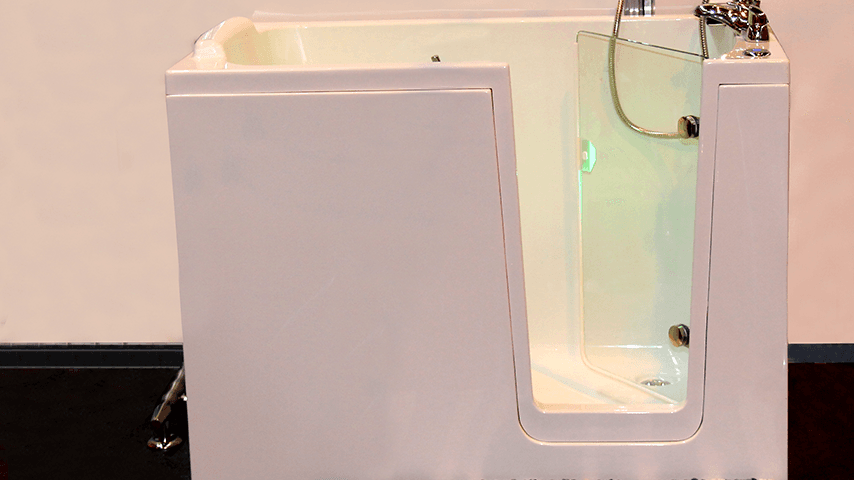
Most of us want to stay in the homes we know and love as we get older.1 And today, aging in place home modifications go far beyond the best stair lifts or best walk-in tub-shower combos. But often, you don't think about these things until after you need them. And that's not always due to a major event like a fall.
"Falls receive a lot of attention, but they're certainly not the only concern," said Lakelyn Hogan-Eichenberger, PhD, a gerontologist with Home Instead in Omaha, Nebraska. "As we age, natural changes in balance, vision, hearing, strength, and reaction time can make everyday activities like climbing stairs or reaching a high cabinet more challenging."
9 Top Home Modifications for an Age-Friendly Home
| 1. Replace doorknobs with lever-style handles |
| 2. Move often-used items to lower shelves |
| 3. Install pull-out cabinets |
| 4. Remove raised thresholds betweens rooms |
| 5. Add a ramp or zero-step entrance |
| 6. Raise chair and toilet seat heights |
| 7. Improve hallway and stairway lighting |
| 8. Keep appliances in good condition |
| 9. Reduce clutter |
This is where planning ahead with aging in place home modifications, a home safety checklist, and other simple changes can make a big difference.
Many people don't even realize the resources they have available, said Deka Dike, CEO and founder of Omatochi, a virtual care company that serves older adults throughout California. "And often, no one has ever walked them through what aging in place safely actually looks like."
This guide does exactly that. We highlight some common household risks and share practical home safety tips that can help you stay safe at home for years to come.
Why home safety matters for older adults
Only around 1 in 10 American homes are “aging ready,” with a first-floor bedroom and bathroom, step-free entryway, and at least one bathroom accessibility feature, according to a 2020 U.S. Census Bureau report.2. And home safety becomes especially important as small, everyday changes in balance, vision, hearing, strength, and reaction time build up over time.
"It can sneak up on you," said Dike. "Balance shifts. Vision changes. Reaction time slows. The home that felt completely safe when you were 55 years old can be full of hazards when you're 75." Making aging in place home modifications before an accident happens helps create a safer home. It also supports aging in place safely, said Dike.
Most importantly, being prepared can also help you stay independent as you age, and gives your family greater peace of mind. "Planning ahead gives older adults more choices," said Hogan-Eichenberger. "Aging in place isn't just about staying in the same house, it's about continuing to live in the place you call home safely, comfortably, and with as much independence as possible. Taking time to think through those needs before a crisis occurs allows families to make thoughtful decisions rather than rushed ones."
Home modifications that support aging in place
Making a home safer does not always mean a major remodel. In many cases, small changes can make everyday life easier and help older adults stay independent longer. Experts recommend walking through the home room by room to look for possible hazards. A home safety checklist can help. There are also experts, like occupational therapists, who are trained to conduct a formal senior home safety assessment and identify risks you might miss. "Don't overlook community resources," said Dike. "Many local community-based organizations offer home modification assistance at low or no cost for older adults who qualify."
Along with improving the home itself, it is important to keep up with vision and hearing exams, review medications with a primary care provider, stay active, and ask for extra help if daily tasks become difficult. This is especially important if you live on your own. Social disconnection is an often overlooked health and safety risk, said Dike. "When [someone] lives alone with limited social contact, there's no one to notice when something is off." Investing in a medical alert system can be a good idea in those cases.
Improving accessibility in key living areas
Many of the best aging in place home modifications are simple and affordable. Here are some of the recommended updates:
- Replace round doorknobs with lever-style handles, which may be easier to use for people with arthritis or limited hand strength.
- Move frequently used items to lower shelves and add pull-out cabinet shelves to reduce bending and reaching.
- Raise the height of chairs and toilets to make sitting and standing easier.
- Remove raised thresholds between rooms and add a ramp or zero-step entrance. This can improve accessibility.
- Improve lighting in hallways and stairways, especially at night.
- Keep appliances in good working order and reduce clutter to improve safety throughout the home.
“These changes are often low-cost and high-impact, and they make home work with the person rather than against them,” Dike said.
How to make your home easier to navigate
A safer home is also easier to move through every day. Brighter lighting throughout the house, especially near stairs, hallways, and entryways, can help. Remove clutter from walkways, secure loose cords, and keep stairs clear. Adding bright, contrasting tape to the edge of each step can make stairs easier to see and reduce the chance of a fall. These simple updates are easy to include on an aging in place checklist and can improve home safety right away.
Often, the conversation doesn't happen until there's a fall, a hospitalization, or a family member flying in from across the country in a panic.”
— Deka Dike
For those managing chronic pain or limited mobility, upgrading other daily-use furniture matters too. Many older adults find they sleep better on an adjustable bed.
Smart home technology and aging in place home modifications
Technology has become another useful way to support aging in place safely.
"If someone falls, becomes ill, or needs assistance when caregivers or family members cannot get to them right away, having immediate access to emergency support can be critical. That's where medical alert systems and devices come in," said Jennifer Winarski, senior manager of care operations and quality at Homewatch CareGivers. "It's especially helpful for those who live alone or have a history of falls or have any medical conditions that would require quick assistance."
Smart medication reminders and automated pill dispensers can help prevent missed doses or accidental double doses. Telehealth visits make it easier for older adults to stay connected with health care providers from home. Voice assistants can control lights, locks, and thermostats. They can also set reminders without requiring someone to move around the house. GPS-enabled devices can also help families locate loved ones who have memory loss and may wander.
When choosing a medical alert device, experts recommend looking for:
- Easy-to-use emergency buttons
- Automatic fall detection
- GPS tracking
- Clear two-way communication
- A long battery life.
Some systems also work with both cellular and Wi-Fi networks. This provides another layer of reliability during emergencies. Remote monitoring tools can help families stay informed without feeling intrusive. Combined with thoughtful aging in place home modifications and a regular home safety checklist, these tools can help older adults live more safely, confidently, and independently.
How to prepare for emergencies at home
No one expects an emergency, but having a plan can make a big difference. Preparing ahead of time helps older adults stay calm and get help faster if something goes wrong.
Simple steps to help older adults and their families feel more prepared for emergencies:
- Create an emergency contact list that includes family, neighbors, friends, caregivers, and health care providers.
- Keep a current list of medications, allergies, medical conditions, and insurance information in an easy-to-find place.
- Store advance care planning documents and other important papers where trusted family members can quickly access them.
- Make a plan for power outages, severe weather, fires, or other emergencies, including where to go if an evacuation is needed.
- Pack an emergency kit with water, nonperishable food, flashlights, batteries, several days of medications, phone chargers, and any supplies needed for medical equipment.
- If medical devices rely on electricity, keep backup batteries charged. Ask the equipment provider about emergency power options, and learn where generator power may be available during an outage.
- Review the emergency plan regularly and update it whenever medications, health needs, caregivers, or emergency contacts change.
Building a personal emergency response plan
A personal emergency response plan is a written guide that explains what to do before an emergency happens. It should not rely on someone remembering the details during a stressful situation. Dike recommends writing the plan down, keeping it in a visible place, and sharing it with the people who may need it.
A good emergency response plan includes:
- Emergency contacts
- A list of medications and medical conditions
- Health care provider information
- Insurance details
- The location of important documents
It should also explain who has keys to the home, who can step in if a caregiver is unavailable, and what to do during a fire, severe weather, or another emergency.
It is also important to think about emergencies that can interrupt daily care. If someone depends on a CPAP machine, oxygen, refrigerated medicine, or other medical equipment, families should know what to do if the power goes out.
Planning before storm season gives everyone more time to prepare and fewer decisions to make during an emergency. Like an aging in place checklist or home safety assessment, a personal emergency plan should be reviewed often so it stays up to date as health needs change.
How to improve home security
Good security habits can help older adults feel more confident and continue aging in place safely. Simple updates around the home and regular conversations with family can go a long way toward protecting both physical safety and financial well-being.
6 simple ways to improve home safety:
● Secure doors, windows, and other entry points with sturdy locks.
● Install motion-sensor lights around entrances, hallways, bedrooms, and bathrooms to improve visibility at night.
● Consider a video doorbell or smart security camera so you can see who is at the door before opening it.
● Use smart lighting that turns on automatically when it gets dark or when someone enters the home.
● Stay connected with family, friends, neighbors, or caregivers through regular calls or visits.
● Protect yourself from scams and fraud by being careful with personal and financial information.
Dike calls financial scams "a growing concern for older adults." "Scammers specifically target [older adults] because they know they're often home, often isolated, and sometimes less familiar with the tactics being used," she said.
A few things that make a meaningful difference: Identify a trusted person (family member, neighbor, care manager) who can help review unusual financial activity. Never give personal information to someone who called you, regardless of what they claim. And if something feels urgent or too good to be true, it is.
All these steps can help us maintain independence as we age.
"Independence is the whole point," said Dike. "Most older adults aren't asking for more care. They're asking to stay in their own home, their own community, on their own terms. That's a reasonable and deeply human desire." Any of the aging in place home modifications in this guide can help with that, and bring peace of mind to the family members who care about you.
"Ultimately, investing in home safety today can improve quality of life tomorrow," said Hogan-Eichenberger.
Frequently asked questions
What should be included in a home emergency plan?
A home emergency plan should include emergency contacts, a list of medications and medical conditions, health care provider information, insurance details, and important documents. It should also cover power outages, severe weather, evacuation plans, and who can help in an emergency.
What smart home devices can help older adults live independently?
Smart home devices that support aging in place include medical alert systems, fall detection watches, voice assistants, smart lighting, and medication reminders. This and other technology may help older adults stay safe in their homes.
How often should smoke detectors and carbon monoxide detectors be tested?
Smoke and carbon monoxide detectors should be tested at least once a month to make sure they are working properly. Adding this task to your home safety checklist can help protect everyone in the home.
What are the warning signs that a home may no longer be safe for an older adult?
Some signs to watch out for are frequent bruises from bumps or falls, unexplained weight loss, neglected housekeeping or personal hygiene, missed medications, or difficulty with daily tasks. A home safety assessment can help identify risks and recommend ways to improve home safety for older adults.
Photo copyright Kevin Rose Schultz for NCOA use only
Sources
1. Parker, K., et al. Most older adults who live at home want to age in place, but they aren’t entirely confident they’ll get to. Pew Research Center. Feb. 26, 2026. Found on the internet at https://www.pewresearch.org/short-reads/2026/02/26/most-older-adults-who-live-at-home-want-to-age-in-place-but-they-arent-entirely-confident-theyll-get-to/
2. Vespa, J., et al. Old housing, new needs: Are US homes ready for an aging population? Current Population Reports. U.S. Census Bureau. May 2020. Found on the internet at https://www.census.gov/content/dam/Census/library/publications/2020/demo/p23-217.pdf