
Related Topics
Choosing the right senior housing option is an important decision that can affect your health, finances, independence, and overall quality of life. While many older adults hope to age in place, staying in the same home isn't always the best or most affordable choice as needs change over time.
Fortunately, there are many senior housing options to consider, from independent living and assisted living to affordable senior apartments and continuing care retirement communities. Many communities offer amenities, supportive services, and access to health care that can make daily life easier.
If you're trying to decide which senior housing option is right for you, start by thinking about what matters most to you today—and what your needs might look like in the future. Below, we explore some of the most common senior housing options available today.
Housing Options at a Glance
| Housing Option | Best For | Includes Health Care? | Typical Cost |
| HUD Section 202 | Older adults with limited income | No | Income-based rent |
| Independent living | Active older adults | No | Monthly rent or fees |
| Village | People who want to stay home | No | Membership fee |
| Cohousing | Adults seeking shared community | No | Varies |
| CCRC | Planning for future care needs | Yes (as needs change) | Entry fee + monthly fee |
| Assisted living | Help with daily activities | Personal care | Monthly fee |
| Nursing home | Ongoing medical care | Yes | Highest cost |
| Aging in place | Remaining at home | Optional through home care | Varies |
Are there low-cost housing options for older adults?
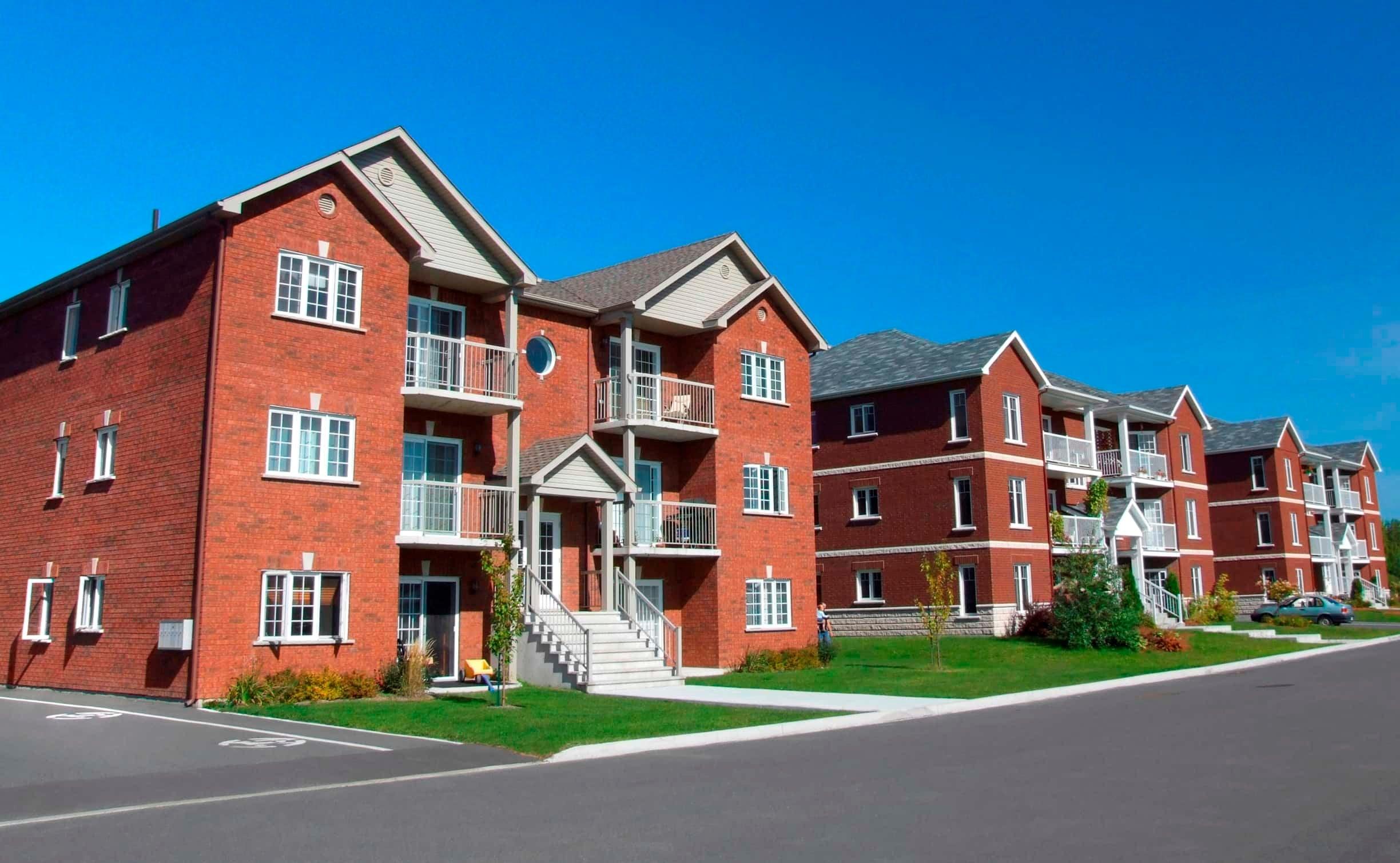
Yes. If you are age 62 or older and your income is limited, you may qualify for an apartment in an affordable senior housing community. These housing communities are funded through the HUD Section 202 program, also known as the Section 202 Supportive Housing for the Elderly Program. Specifically designed as housing for seniors based on income, these communities help ensure your housing costs are manageable in relation to your household income.
Under this program, the amount of rent you pay is based on your adjusted gross income (your income minus approved medical expenses). You then pay 30% of your adjusted gross income for rent.
Aside from affordable rent, this low-income housing option for seniors also offers support services that promote residents’ independence, health, and social well-being. Use NCOA’s BenefitsCheckUp® to explore affordable housing, and other programs that can help pay for your household and everyday living costs in retirement.
What does a continuing care retirement community (CCRC) offer?
A CCRC offers all levels of care—independent living, assisted living, and skilled nursing—at one location. Residents can continue to live as independently as possible and move from one level of care to another as their need for help grows:
- Active residents live in an apartment or single-family home.
- Those who need help with daily activities might move to the assisted living unit.
- Residents with serious medical conditions can get skilled nursing care or rehabilitation on the CCRC campus.
This wide range of care is typically coupled with resort-style amenities, making CCRCs a more expensive option than other forms of senior living communities. While residents pay monthly fees, a big portion of the cost is paid up front in the form of an entry fee. This initial fee can range from tens of thousands of dollars to hundreds of thousands of dollars.
Once the sticker shock has worn off, though, the cost over time can sometimes prove to be less than continuing homeownership due to home maintenance, increasing property taxes, and the cost of in-home care.
Learn more and search for a CCRC near you if you feel this could be a good fit for your future.
What is a Village, and how can it help me age independently?
Villages are membership-driven, grassroots organizations that coordinate and deliver programs and services that make it easier for their members to stay at home as they grow older. These neighborhood organizations can be an alternative to a retirement community or assisted living facility.
With neighbors helping neighbors, Villages are able to connect members to a variety of support services, such as household help and transportation, as well as enrichment activities, such as recreational and educational programs. These programs reduce social isolation and improve overall population health in these communities
To find a Village or learn how your community can organize one in your neighborhood, visit the Village to Village Network.
What are the benefits of cohousing for older adults?
Cohousing is a type of collaborative housing where residents participate in designing the community to meet their needs. Private residences are clustered together and face each other across a pedestrian street or courtyard. These communities usually have shared amenities such as a playground, pool, clubhouse, garden, kitchen, and dining facility.
Residents manage the community and maintain the property. They often share common meals, meet to solve problems, and help each other with daily tasks such as shopping, which can help older residents remain living independently.
Learn more about this housing option and find a community on the Cohousing Association of the United States website.
What if I need more medical care or in-home help?
While independent living communities provide room, board, and social amenities, they do not offer health care services. If you need more regular medical care or in-home help, an assisted living community or nursing home may be a better fit. In assisted living, you can get additional personal care services, like help with bathing and dressing. In a nursing home, you can get ongoing skilled nursing care.
The more care you need, the more you can expect to pay. In 2025, the average cost of assisted living was about $6,200 per month nationwide, while median nursing home prices were approximately $9,581 a month for a shared room and about $10,798 for a private room. Of course, prices can vary widely based on location, facility, and the amenities offered.1
What are my options if I want to stay in my own home?
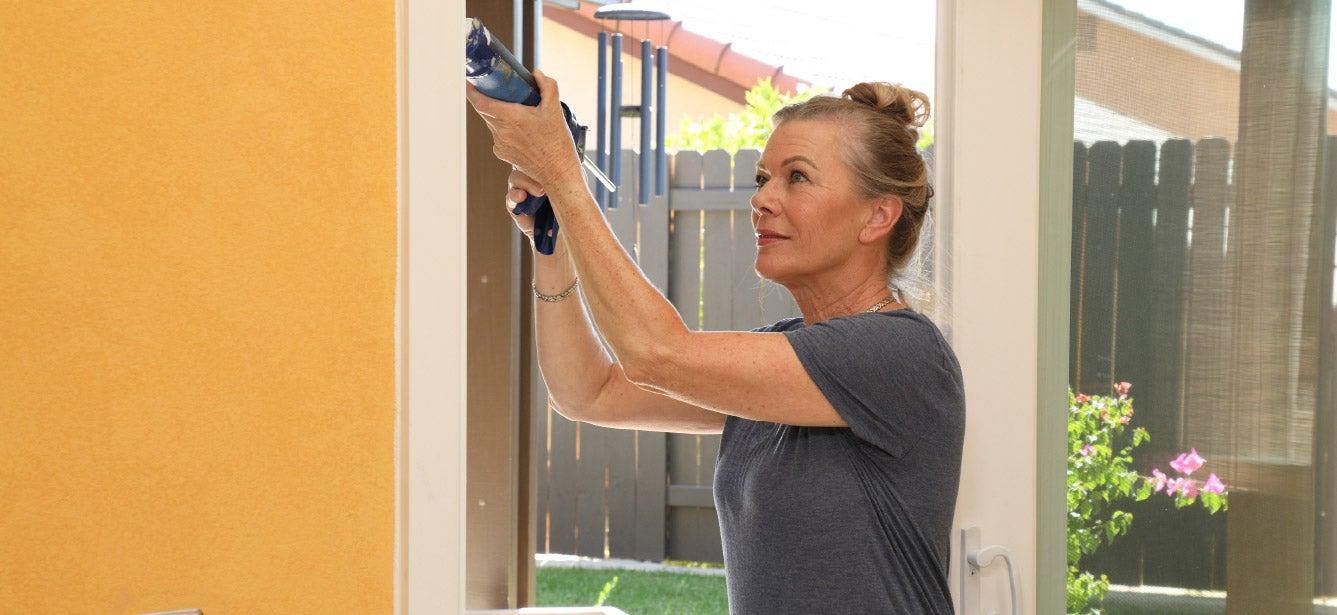
Aging in place in your current home is possible for many with proper planning and resources. Ensuring you have the means to meet your needs for many years ahead is important.
On top of regular homeownership-related costs, common expenses that can occur while aging in place include home modification costs and in-home care costs. Types of in-home care include companion care or homemaker services, personal care services, and home health care services.
NCOA's booklet Use Your Home to Stay at Home© can help you to explore options like reverse mortgages and home equity loans and lines of credit that could help you remain living in the home you have now.
Which housing option may be right for you?
- Want to stay in your current home? → Learn about aging in place.
- Need affordable housing? → Explore HUD Section 202 communities.
- Want maintenance-free living? → Consider independent living (Medicare & Medicaid costs explained).
- Need help with bathing, dressing, or meals? → Assisted living may be a better fit (Medicare & Medicaid costs explained).
- Want a community that offers future health care? → Consider a CCRC.
- Need daily medical care? → A nursing home may be appropriate (Medicare & Medicaid costs explained).
"The right housing option looks a little different for everyone," said Jessica Johnston, Senior Strategist for Economic Well-Being at NCOA. "You want to choose a living situation that supports not only your current needs, but also your health, finances, independence, and quality of life in the years to come."
Sources
1. CareScout. Cost of long-term care calculator. Found on the internet at https://www.carescout.com/cost-of-care