Related Topics
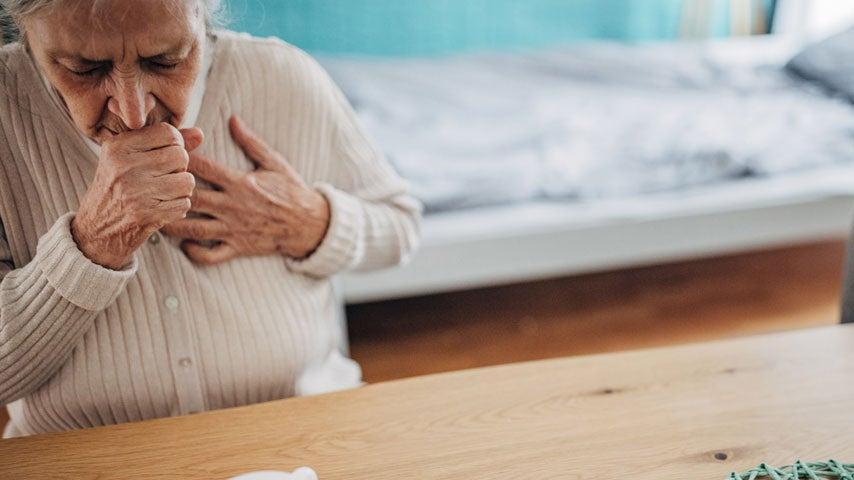
As the 2026-2027 respiratory season gears up and viral activity gains steam, emergency rooms and health providers are seeing more patients with acute respiratory illnesses. That includes pneumonia, an infection that makes the air sacs in one or both lungs fill with fluid or pus. Pneumonia can cause a range of symptoms, from coughing and high fever to chest pain and trouble breathing.
Anyone can get pneumonia. But adults 65 and older are more likely to become seriously ill, especially those with certain chronic health conditions. In 2024, 41,600+ Americans died from pneumonia, according to the Centers for Disease Control and Prevention (CDC).1
You can take steps to protect yourself this winter. Read on to learn what causes pneumonia and how to recognize the symptoms in yourself or someone you care about. We’ll also cover when to it’s time to seek emergency care.
Pneumonia: Quick Facts
|
What is pneumonia? |
A lung infection that causes fluid or pus to build up in tiny air sacs in one or both lungs, making breathing more difficult. |
|
What causes pneumonia? |
Bacteria, viruses, or fungi. Common causes include pneumococcal bacteria and respiratory infections like the flu, COVID, and RSV. Bacterial pneumonia can also develop after a viral illness. |
|
What are the symptoms? |
Common symptoms include cough, fever, chills, chest pain, shortness of breath, and fatigue. Older adults may also have sudden confusion, unusual weakness, or a lower-than-normal body temperature. |
|
How is pneumonia treated? |
Treatment depends on the cause and how sick you are. Bacterial pneumonia is usually treated with antibiotics. Viral pneumonia may require antiviral medicines or supportive care. Severe cases may require hospitalization. |
|
How can I prevent pneumonia? |
Stay current on recommended vaccines. Practice good daily hygiene, use caution around people who are sick, and don’t smoke. |
What causes pneumonia?
Pneumonia develops when germs enter your lungs and cause an infection. You can get pneumonia from being around other people in your community or being in a hospital or long-term care facility. You can also contract it after being on a ventilator (a device that helps people breathe).
There are three main types of pneumonia:
- Bacterial pneumonia: You can get bacterial pneumonia by breathing in bacteria that spread through the air when an infected person coughs or sneezes. Bacteria that exist naturally in your nose or throat can also enter your lungs and cause an infection. Sometimes, bacterial pneumonia develops after a viral illness, like the flu, when your body's defenses are down. One of the most common bacterial causes is Streptococcus pneumoniae, (pneumococcus).
- Viral pneumonia: Viruses, including influenza (flu), COVID-19, and respiratory syncytial virus (RSV), are the second most common cause of pneumonia.
- Fungal pneumonia: This type of pneumonia is less common and caused by certain fungi in the environment; you get it by breathing in tiny particles called fungal spores. It’s more likely to affect people with weakened immune systems (e.g., someone who’s had an organ transplant).
You may also have heard of walking pneumonia. This is a typically milder form of pneumonia, often caused by bacteria called Mycoplasma pneumoniae. It’s called “walking” pneumonia because unlike the regular flu, most people with this form often feel well enough to go about their daily routine without realizing they have a lung infection. Symptoms may include a persistent cough, tiredness, headache, and low-grade fever. According to CDC, walking pneumonia cases have already been identified in U.S. communities this season. But as of November 2026, case counts are still relatively low.
Is pneumonia contagious?
Yes, some types of pneumonia are contagious. The bacteria and viruses that cause pneumonia can spread from person to person through coughing, sneezing, or close contact. But not everyone exposed to these germs will develop pneumonia.
You can lower your risk of developing pneumonia with good hygiene habits and by avoiding people who are sick. Staying up to date on preventive vaccines adds another powerful layer of protection. Explore which vaccines older adults need to age well.
What is the connection between pneumonia and the flu, COVID-19, and RSV?
Respiratory infections don't always stay in your nose and throat. Sometimes, they travel to your lungs and cause pneumonia. This is more likely to happen to adults 65 and older, young children, and people with certain chronic health conditions (e.g., heart or liver disease).
"A person might develop a pneumococcal infection alongside a respiratory disease such as COVID or the flu,” Annette Cameron, MD, told Yale Medicine. “That’s because your immune system is already weakened from the respiratory illness, so you are more vulnerable to a bacterial infection on top of the illness you already have.”
- Can the flu turn into pneumonia? Yes. The flu virus itself can cause pneumonia. It can also weaken your body's immune response, allowing bacteria to cause a secondary infection.
- Can COVID cause pneumonia? Yes. COVID-19 can cause inflammation and infection deep in the lungs, sometimes leading to severe breathing problems.
- Can RSV cause pneumonia? Yes. While most adult cases resolve within a week or two, RSV can lead to pneumonia and other serious complications in older people.
Learn more about flu, COVID, and RSV and how to protect yourself from these respiratory illnesses.
What are the symptoms of pneumonia?
Pneumonia symptoms can range from mild to severe and debilitating.
Common signs include:
- Cough, with yellow, green, or bloody mucus
- Higher fever (up to 105 degrees Fahrenheit), sweating, or chills
- Shortness of breath or rapid breathing
- Rapid heart rate
- Chest pain and/or abdominal pain, especially when breathing deeply or coughing
- Unusual tiredness or weakness
- Loss of appetite
- Confusion
These symptoms can look a lot like the flu, COVID, or other respiratory illnesses like RSV. That's why it can be hard to tell what's causing your sickness without a medical evaluation.
What’s more, if you’re an older adult, pneumonia can look different.
You may or may not have a high fever. Instead, you might have a lower-than-normal body temperature, unusual sleepiness, or weakness. Some older people experience sudden confusion and disorientation. Don't ignore these kinds of symptoms, even if you don't have a fever or other typical pneumonia signs.
Linda G., age 70, is glad her loved ones didn’t ignore her strange symptoms. Just before Christmas, she came down with a head cold and had a severe headache and fever for a couple of days. She tested negative for flu and COVID. By the end of the third day, Linda was slurring her words. After her family insisted she go to the ER, she was told she had bilateral pneumonia and sepsis. "I am 70 years old and am grateful every day that my family saved my life," she wrote on the Sepsis Alliance website.
Who is most at risk for pneumonia?
Although anyone can develop pneumonia, some people are more likely to become seriously ill. This includes:
- Adults age 65 and older (risk continues to increase with age)
- People with chronic lung disease, heart disease, or diabetes
- People with weakened immune systems
- People who smoke
- People with certain conditions that make swallowing difficult
While respiratory infections that can cause pneumonia typically increase during fall and winter, pneumonia can affect people year-round.
How is pneumonia diagnosed and treated?
If your health care provider suspects pneumonia, they'll ask about your symptoms, listen to your lungs, and check your breathing. They may use pulse oximetry to measure your oxygen level or order a chest X-ray to look for signs of infection. Your provider may also do bloodwork and collect a sample of mucus to try to identify the source of the infection. Additional tests like a CT scan or an arterial blood gas test may be performed if you're at high risk or hospitalized.
Treatment for pneumonia depends on what's causing it and how sick you are.
- Bacterial pneumonia: Usually treated with antibiotics.
- Viral pneumonia: Treatment may include rest, fluids, and medicines to relieve symptoms. Antiviral medications may help with certain types of infections, like flu and COVID.
- Fungal pneumonia: Usually treated with antifungal medication, though symptom management may be all that’s needed.
Some people can recover from pneumonia at home, while others need additional treatment or even hospitalization.
If you're prescribed medication during a bout of pneumonia, take it exactly as directed. Ask your doctor when you should expect to start feeling better and what to do if your symptoms don't seem to be improving.
How can you prevent pneumonia?
One of the most important steps you can take to lower your risk of pneumonia is to stay up to date on recommended vaccines.
Vaccines that help protect against pneumonia or infections that can lead to it include:
- Pneumococcal vaccine: Helps protect against certain types of bacterial pneumonia and other serious pneumococcal infections
- Flu vaccine: Recommended every flu season to help prevent influenza and its complication
- COVID-19 vaccine: Helps protect against serious illness caused by COVID
- RSV vaccine: Recommended for certain older adults based on age and risk factors
Ask your health care provider which vaccines are right for you. Medicare covers certain recommended vaccines, often at no cost to you. Learn more about Medicare coverage for the pneumonia vaccine.
Jane A., 74, is a strong proponent of the pneumococcal vaccine after her own battle with pneumonia. After returning to the U.S. after a trip abroad, she felt lousy and chalked it up to a regular cold. But Jane’s symptoms only got worse, and she started coughing up blood. During an ER visit, she discovered she had a life-threatening case of pneumonia in both lungs and landed in the ICU for a week.
”The doctors were very clear with me that, had I not had that vaccine, the pneumonia would have finished me off,” Jane told People magazine.
Other ways to protect yourself include washing your hands regularly, avoiding close contact with people who are sick, quitting smoking, getting enough sleep, and eating nutritious foods.
When should you seek medical care for pneumonia?
If you develop a cough, fever, unusual weakness, or other symptoms that could be pneumonia, reach out to your health care provider as soon as possible—especially if you're 65 or older.
You should also call if your pneumonia symptoms worsen, your fever persists or returns, or you're not improving as expected.
🚨 Call 911 or seek emergency care right away if you have severe difficulty breathing, persistent chest pain or pressure, new confusion, trouble staying awake, or blue or gray lips or skin.
Dorothea Vafiadis, NCOA Senior Strategist for Healthy Aging, says basic good habits can go a long way in helping everyone stay healthy and active, even when respiratory illnesses are circulating widely.
“Staying current with vaccines is a great place to start,” Vafiadis explained . “Use proper handwashing techniques and avoid crowded indoor spaces when viral activity is high in your area. You can also focus on natural ways to boost your immunity, like eating right. We can’t prevent every case of pneumonia, but there’s a lot we can do to lower our odds.”
Ready for respiratory season? Make a plan with NCOA’s guide.
Source
1. CDC National Center for Health Statistics. Pneumonia. Found on the internet at https://www.cdc.gov/nchs/fastats/pneumonia.htm
Flu or COVID? Know What You’re Up Against
The symptoms can overlap, but flu and COVID-19 are different illnesses. Learn how they compare and what to consider if you start feeling sick.