
Make a Plan for Respiratory Season

Your Respiratory Game Plan:
Stay informed. Ask your doctor. Make a plan.
Respiratory viruses like the flu and COVID-19 can be more serious for older adults. While you can’t prevent every viral illness, you can lower your risk for severe disease and plan for what to do if you get sick. Whether you’re wondering about COVID vaccines or where to get your flu shot, NCOA is here to help you get the facts and take the right steps.
1. Stay Informed: Know How to Prevent Illness | |
|
Protect yourself before you get sick. Vaccines can lower your risk of serious illness, hospitalization, and death from flu and COVID. You have choices, and it’s reasonable to ask questions before deciding what’s best for your health. | |
|
When should I get my flu shot? | September and October are ideal times for most adults to get vaccinated. If you haven’t received your flu shot by then, it can still help to get one later when the influenza virus is still spreading. |
|
What flu vaccine is right for me? | There are several flu vaccine options for the 2026–2027 flu season. For adults age 65+, the Centers for Disease Control and Prevention (CDC) recommends Fluzone High-Dose, Flublok, or Fluad. mFLUSIVA, the first mRNA flu vaccine approved in the U.S., is available for adults age 50 and older. mFLUSIVA is listed among enhanced vaccine options for adults age 65+ in guidance from the American Academy of Family Physicians (AAFP). |
|
What should I know about COVID vaccines? | Older adults, especially those age 65+ or people with certain chronic health conditions, remain at higher risk for severe COVID. Updated 2026-2027 COVID vaccines can reduce the risk of severe illness, hospitalization, and death. CDC guidelines advise that all adults 18 and older receive a 2026-2027 COVID-19 vaccine. Talk with your doctor about ways to reduce your COVID risk, including getting vaccinated. |
|
Can I get my flu and COVID vaccines at the same time? | Yes. CDC states people can safely receive both vaccines at the same time. You can get your flu and COVID shots in the same arm or different arms, depending on your preference. |
|
What other vaccines should I consider? | You should consider getting the RSV, shingles, and pneumococcal vaccines, depending on your age, health, and vaccination history. See how these and other Medicare-covered preventive vaccines help older adults stay healthy and active. |
|
📣 New this flu season: For 2026-2027, adults age 50+ have another flu vaccine option available called mFLUSIVA. Learn how it works and how it compares with other flu vaccines. | |
2. Ask Your Doctor: Know What to Do If You Get Sick | |
|
Know what to do when symptoms start. Despite your best efforts at prevention, you may still get sick. Knowing what to do can help you recover faster and avoid complications. Many flu and COVID antiviral treatments work best when started early. | |
| I have the flu. Now what? | Explore NCOA’s flu guide to learn what older adults should do after testing positive or developing symptoms, including when to ask about antivirals, how to manage symptoms at home, and when to seek medical care. |
| I have COVID. Now what? | Explore NCOA’s COVID guide to see what you should do after a positive COVID test. Find out when treatment may help, how to ease your symptoms, and warning signs that require immediate medical attention. |
|
When should I call my doctor? |
Call your health care provider if you develop flu or COVID symptoms, even if they seem mild at first. Early intervention matters because antiviral treatments for the flu and COVID have a limited window. Seek emergency care if you have trouble breathing, a persistent fever, chest pain or pressure that doesn’t go away, or sudden confusion. |
3. Make a Plan: Prepare for Respiratory Season | |
|
Know your options before you need them. A little planning now can make an illness less stressful, whether it’s you who’s sick or someone you care for. | |
| Where can I get vaccinated? | You can get flu, COVID, and RSV vaccines at many doctors’ offices and pharmacies. If you're looking for a vaccine, CVEEP’s Vaccine Locator can help you find nearby pharmacies, health centers, and local health departments. Enter your ZIP code or city to explore vaccination locations where you can learn more and schedule an appointment. |
| What symptoms should I look for? | Flu and COVID can both cause a cough, sore throat, fever, and fatigue, but there are key differences. Symptoms alone may not tell you which illness you have, so ask about testing. |
|
How do treatments work? | Antiviral medications for flu and COVID can lower your risk of serious illness, but they must be started soon after symptoms begin. Knowing your treatment timelines can help you get care when it’s most likely to be effective. |
| When should I seek medical care? | Trouble breathing, persistent chest pain or pressure, or sudden confusion can be red flags when you have a respiratory illness. Seek emergency care right away if these occur. |
| How can I protect others? | If you’re sick, stay home. Once your symptoms are improving and you’ve had no fever for at least 24 hours without fever-reducing medicine (e.g., Tylenol), take extra precautions around other people for the next five days. |
Know What to Do During Flu Season
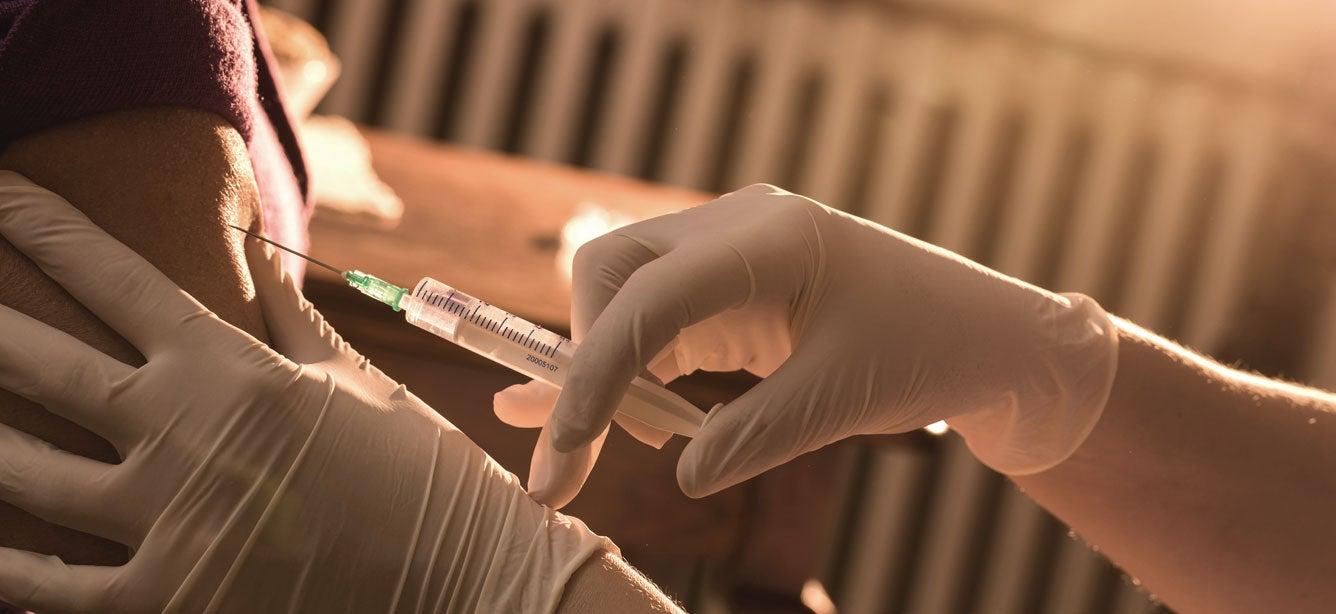
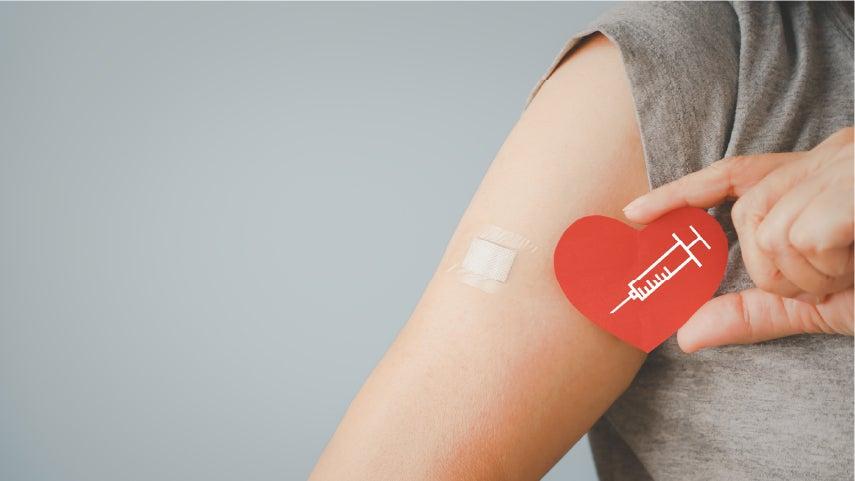
How Effective Is the Flu Shot?


Flu or COVID? Know What You’re Up Against
The symptoms can overlap, but flu and COVID-19 are different illnesses. Learn how they compare and what to consider if you start feeling sick.

Know What to Do If You Get COVID
I Have COVID. Now What? A Guide for Older Adults




Find a Vaccine Near You
Looking for a vaccine? CVEEP’s Vaccine Locator can help you find nearby pharmacies, health centers, and local health departments. Enter your ZIP code or city to explore vaccination locations where you can learn more and schedule an appointment.
Know What Your Vaccines Will Cost
Many vaccines are covered at no cost by Medicare and Medicaid. Learn which vaccines are covered, where to get them, and what you need to know to avoid unexpected costs.
Give Your Immune System a Boost
Small, healthy habits can help you support your immune system throughout the season. Get practical tips for eating well, sleeping better, managing stress, staying active, and protecting yourself from illness.