Related Topics
No one wants to hear they’ve developed pneumonia, and it’s only natural to feel a bit anxious after this diagnosis. But knowing how to care for yourself, and when to call your doctor, can make the days ahead feel a little more manageable. Start by following your treatment plan, making time to rest, and finding out when you can expect you to feel better.
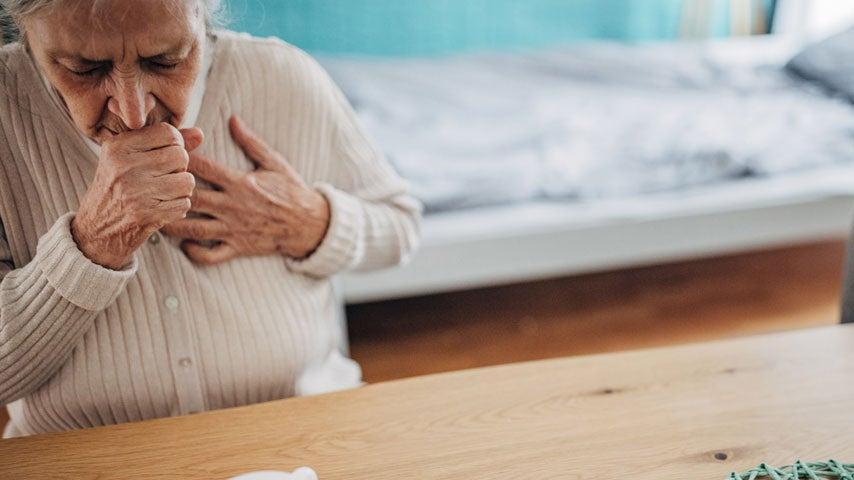
Pneumonia is a lung infection that can fill the tiny air sacs in one or both lungs with fluid or pus, making it harder to breathe. It can be more serious after age 65, especially if you have heart or lung disease. How you’re treated and how long your pneumonia recovery takes depend on what caused the infection and how sick you are.
What type of pneumonia do you have?
Pneumonia is typically categorized by what causes it and where you got it. For example:
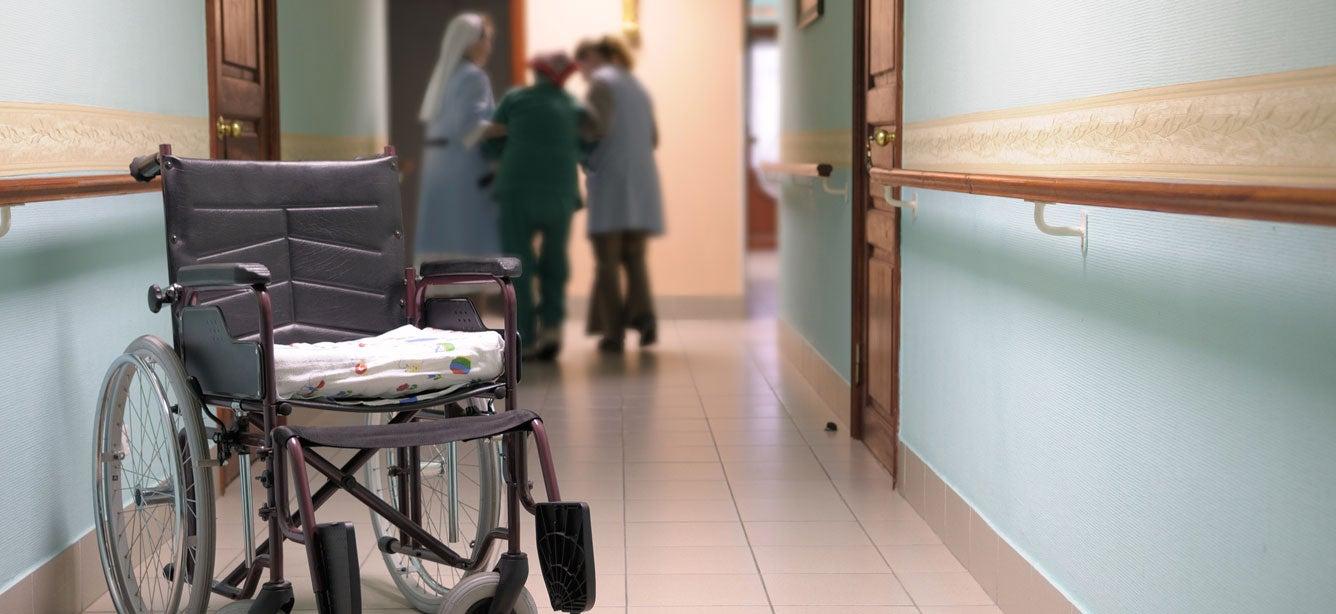
- Bacterial pneumonia is caused by bacteria, most commonly Streptococcus pneumoniae. “Walking pneumonia” is a common name for a milder case that’s usually caused by a bacterium called Mycoplasma pneumoniae. Aspiration pneumonia can develop when food, liquid, saliva, or vomit goes into your lungs and causes an infection. Certain people are more prone to developing aspiration pneumonia, including those 65 and older, people living in an assisted living facility or nursing home, and people who have trouble swallowing (dysphagia).
- Viral pneumonia is caused by a virus. In adults, the flu and the common cold are the most common causes of viral pneumonia, but it can also be a complication of COVID-19 and RSV. As you might suspect, viral pneumonia is most common during fall, winter, and early spring, when respiratory viruses spread more easily. You can also develop bacterial pneumonia during or after a viral infection.
A person can get pneumonia from someone else in their household or community (community-acquired pneumonia), during a hospital stay (hospital-acquired pneumonia), and when they're on a ventilator (ventilator-associated pneumonia).
Once your health care provider determines what type of pneumonia you have, they’ll come up with a treatment plan.
|
What you need to know |
What to do |
|
How is pneumonia treated? |
Take any prescribed antibiotics exactly as directed. They treat bacterial pneumonia. If you have viral pneumonia from flu or COVID, your provider may recommend an antiviral. Severe pneumonia may require hospital care. |
|
How do I manage symptoms at home? |
Rest and sip fluids unless your provider has told you to limit them. Check before taking cough, fever, or pain medicines. Avoid smoking and secondhand smoke. |
|
How long does recovery take? |
Some people return to their usual routines in 1 to 2 weeks. It can take a month or longer to regain your energy, especially after severe pneumonia. Ease back into activities and keep your follow-up appointment. |
|
When should I call my doctor? |
Call promptly if breathing gets harder, you have new chest pain when you breathe or cough, your fever won’t go away, or symptoms return after you start to feel better. Also call if you aren’t improving as expected. |
|
When to call 911 |
Call 911 right away if you’re struggling to breathe, your lips look blue or gray, you become newly confused or hard to wake, or you have severe or persistent chest pain or pressure. |
|
How to lower your risk of getting sick again |
Ask your provider or pharmacist which pneumococcal, flu, COVID-19, and RSV vaccines are recommended for you. Wash your hands often and avoid close contact with people who are sick when possible. |
Follow your pneumonia treatment plan
Pneumonia treatment for older adults depends on the type of pneumonia:
- If you have bacterial pneumonia, your provider may prescribe antibiotics to fight the infection. Make sure you take them exactly as prescribed, even if you start feeling better before the medicine is gone. Many people start to feel some improvement within one to three days of starting antibiotics. Ask your provider when to check in with them if your symptoms aren’t improving as they should.
- If you have viral pneumonia, you won’t be prescribed antibiotics since those only treat bacterial pneumonia. Instead, the focus is usually on providing supportive care and easing symptoms while your body fights the infection. Your doctor may recommend an antiviral medication for certain illnesses like flu (e.g., Tamiflu) or COVID (e.g., Paxlovid). Antibiotics only treat bacterial infections.
If your pneumonia symptoms are severe enough, you may need hospital care. According to the American Lung Association, pneumococcal pneumonia leads to roughly 225,000 adult hospitalizations every year.1 In the hospital, you might be given supplemental oxygen to help increase the oxygen levels in your blood. Pneumonia treatment for older adults may also include IV fluids to treat and prevent dehydration and electrolyte imbalances.
Manage your symptoms at home
Home care for pneumonia should focus on taking any prescribed medications and easing your symptoms. This will help you stay as comfortable as possible while you recover.
Below is a general plan for managing your pneumonia at home:
- Make plenty of time for rest. Put off household chores and errands as much as you possibly can. Accept any help that’s offered by family members, friends, and neighbors. For instance, if someone offers to bring a meal or pick up a prescription, take them up on it!
- Sip fluids throughout the day unless your provider has told you to limit how much you drink. Fluids help thin out mucus and prevent dehydration. Plain water (add a slice or two of lemon for flavor), broth, or electrolyte drinks are all good choices.
- Check before taking over-the-counter medicines. Ask your doctor which products are safe to take for fever or body aches, and how to best manage your cough and congestion. Coughing helps clear mucus from your lungs, so ask before taking a medicine that quiets your cough.
- Do not smoke and avoid secondhand smoke. This can worsen your symptoms and hinder your pneumonia recovery.
“Slow and steady wins the race,” said Dorothea Vafiadis, NCOA Senior Strategist for Healthy Aging. “When it comes to recovery from pneumonia, you might be breathing easier and still feel wiped out after something as simple as taking a shower. Do a little at a time and rest when you need to. If you start feeling worse after you’ve been getting better, get in touch with your health care provider.”
Give yourself enough time to recover
Some people are back to their usual routines in a week or two after a bout with pneumonia. Others need a month or longer, especially after a particularly severe infection.
Your age and overall health can affect how quickly you regain strength. A lingering cough, tiredness, or some breathlessness with activity can be part of pneumonia recovery. It’s easy to get frustrated when you’re not bouncing back as fast as you’d like, but give yourself some grace. What you want to see is gradual improvement. Be sure to keep your follow-up appointment with your health care provider, even if you’re feeling better.
Watch for signs your pneumonia is getting worse
During your pneumonia recovery at home, call your provider as soon as possible if:
- You’re far surpassing the recovery timeline they gave you.
- Breathing is getting harder.
- You have new chest pain whenever you breathe or cough.
- Your fever won’t go away.
You should also notify your doctor if you feel unusually sleepy or weak, or if symptoms improve and then come back. If you’re 65 or older or have a chronic condition, reach out as soon as you notice a change.
🚨 Call 911 right away if you’re struggling to breathe, your lips look blue or gray, or you become newly confused or hard to wake. Severe or persistent chest pain or pressure also needs emergency care.
How to lower your risk of getting pneumonia again
One important step you can take to avoid a recurrence of pneumonia is getting vaccinated.
- Pneumococcal vaccines protect against certain bacteria that cause pneumonia. See NCOA’s guide to Medicare coverage for the pneumonia vaccine.
- Flu, COVID, and RSV vaccines help protect against respiratory illnesses that can lead to pneumonia in older people.
Ask your provider or pharmacist which preventive vaccines are advised for you. Learn more about which vaccines older adults need.
California resident Max M., 80, recalled how weak he became during his first bout of pneumonia that landed him in the hospital for six weeks. "It really zaps your energy," he told BenitoLink. Max’s experience made him realize the importance of prevention, including getting the flu and pneumococcal vaccines. "I highly recommend vaccination. If you have not had pneumonia, I can tell you—it is nasty."
Beyond getting vaccinated, tried-and-true habits for preventing respiratory illness still hold. That means washing your hands often and avoiding or minimizing close contact with others who are sick. See NCOA’s guide to making a “stay healthy” plan for respiratory season.
Frequently asked questions
How long does pneumonia last?
It If you have bacterial pneumonia, you may start to feel better within one to three days of starting antibiotics. A cough can linger for several weeks, even as other symptoms ease. Call your health care provider if you’re getting worse or aren’t improving as expected.
How long does it take to recover from pneumonia?
Some people get back to their usual routines in one to two weeks. It can take a month or longer to get your energy back, especially if you had severe pneumonia. How quickly you recover also depends on your overall health.
Is pneumonia contagious?
Some of the viruses and bacteria that cause pneumonia can spread from person to person. How long you can spread those germs depends on what made you sick. Ask your provider when it’s safe to be around others again.
Can you get pneumonia after having the flu?
Yes. The flu virus can cause pneumonia, and a bacterial lung infection can develop during or after the flu. Call your provider if your fever or cough gets better and then comes back or gets worse.
Can pneumonia come back?
Yes. The original infection can return, and you can also get pneumonia again from a new infection. Let your provider know if your symptoms return after you’ve started to feel better.
Can you have pneumonia without a fever?
Yes. Older adults with pneumonia may have little or no fever. They may feel weak or develop sudden confusion. If you or someone you’re caring for becomes newly confused, call 911.
When can I go back to my normal activities?
Ask your doctor when it’s safe to get back to your usual routine. When you’re ready, try something non-strenuous, like a short walk around your home. Take breaks as you need to, and gradually do a little more as your strength returns.
Do I need a pneumonia vaccine after having pneumonia?
You may still need a pneumococcal vaccine, even if you’ve had pneumonia. The vaccine protects you against certain bacteria that can cause pneumonia. Ask your provider or pharmacist whether you’re due for a dose of the pneumococcal vaccine based on your age, health, and which shots you’ve already had.
What does pneumonia treatment look like for older adults?
Treatment depends on what caused the initial infection, how sick you are, and what other health conditions you have. Your provider may prescribe antibiotics for bacterial pneumonia or an antiviral for certain viral infections, such as the flu or COVID. Many people do well recovering at home with just symptom management and rest. If you’re very sick, you may need hospital care for extra oxygen or IV fluids.
Want to stay healthy during respiratory season? Visit our resource library for tips on how to plan ahead.
Source
1. American Lung Association. Pneumococcal Pneumonia Hospitalizes An Estimated 225,000 Adults Annually; Lung Association Urges Vaccination for Eligible Individuals. March 18, 2026. Found on the internet at https://www.lung.org/media/press-releases/fy26-pneumococcal-pneumonia-release
Flu or COVID? Know What You’re Up Against
The symptoms can overlap, but flu and COVID-19 are different illnesses. Learn how they compare and what to consider if you start feeling sick.