
Is It a Common Cold or RSV? A Simple Guide for Older Adults
7 min read

Related Topics
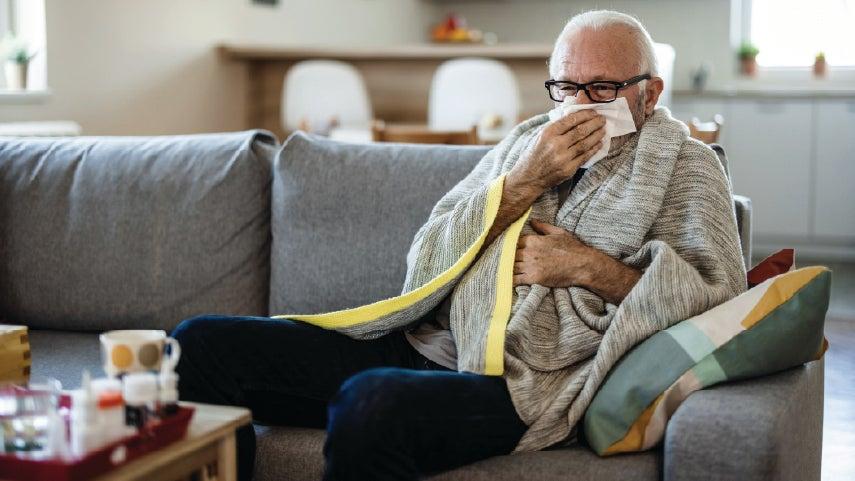
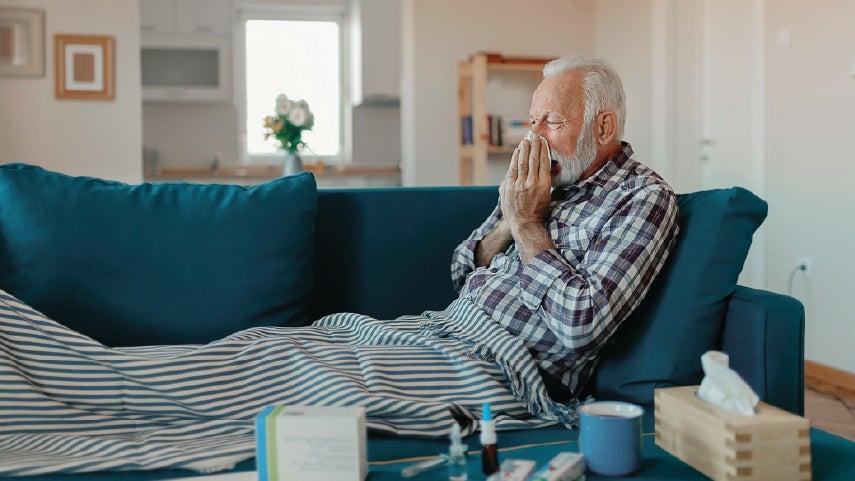
When you come down with a runny nose and your throat feels like sandpaper, your first thought is probably: It’s just a cold. And most of the time, you're right. But if you're over 60 or you have heart or lung disease, that assumption could be dangerous. What feels like a typical cold might actually be RSV.
The tricky part? RSV and the common cold share many of the same symptoms, especially in the early stages. Knowing the differences can help you spot red flags and get the care you need.
Below, we break down what sets these two types of respiratory infections apart—and what you need to watch for.
What is the common cold?
The garden-variety cold is caused by an array of viruses—over 200 different kinds, in fact—with rhinoviruses being the most common culprit. Adults catch two to three colds each year on average. While they’re certainly a nuisance, colds are usually mild and clear up on their own within a week or two. Your immune system knows how to handle them (even if it doesn't feel that way when you're run-down, miserable, and on your third box of tissues).
What is RSV?
RSV, or respiratory syncytial virus, is a common respiratory virus that most people associate with babies and young children. But here's something you may not realize: you can get RSV later in life, too.
For most cases of mild RSV in otherwise healthy adults, home remedies like rest, fluids, and over-the-counter medications are usually enough. Much like a cold, symptoms tend to resolve within two weeks.
But for older adults, RSV can become more serious, sometimes leading to complications like pneumonia or bronchiolitis. Up to 180,000 older adults are hospitalized for RSV-related issues each year in the U.S.1
Why is RSV risky for older people?
Our immune system starts to function less efficiently as we age, which makes it harder to fight off infections like RSV. Older adults are also more likely to have chronic conditions like asthma, heart failure, diabetes, and chronic obstructive pulmonary disease (COPD). These conditions can be exacerbated by RSV, leading to a longer recovery or serious illness requiring hospitalization.
Similarities between a cold and RSV
Both the common cold and RSV are respiratory viruses that spread the same way:
- Through droplets (aerosols) produced when an infected person coughs or sneezes
- By touching contaminated surfaces and then touching your face
- Through close contact with infected people
Both viruses can cause overlapping symptoms such as:
- Runny or stuffy nose
- Cough
- Sore throat
- Fatigue
In healthy adults, both infections typically start gradually and may feel identical in the first day or two. That's why it's so easy to initially mistake RSV for a run-of-the-mill cold.
Is it RSV or a cold? Key differences at a glance
|
Common Cold |
RSV | |
|
Cause |
Usually rhinoviruses |
Respiratory syncytial virus |
|
Common symptoms |
Runny nose, congestion, sore throat, sneezing, mild cough |
Runny nose, congestion, sore throat, cough, shortness of breath, wheezing |
|
Fever |
Rare, mild if present |
More common, may be moderate |
|
Severity in older adults |
Usually mild, |
Can be serious, |
|
Complications in older adults |
Sinus/ear infections, bronchitis |
Pneumonia, bronchiolitis, worsening of COPD or heart disease |
|
Prevention |
Good hygiene, healthy lifestyle behaviors |
Good hygiene, healthy lifestyle behaviors + RSV vaccine for adults age 75+, high-risk adults age 50-75 |
Warning signs it might be RSV
What does the beginning of RSV feel like? An early-stage or mild RSV infection may include cough, runny nose, nasal congestion, fatigue, fever, mild headache, sore throat, and body aches.
But in more serious or advanced cases of RSV, there are respiratory red flags that signal you’re dealing with more than a cold:
- Wheezing (whistling noise when you breathe)
- Rapid or labored breathing
- Shortness of breath during normal activities
- Chest tightness or pain
Susan became worried after a cough dragged on for weeks. Her doctor advised her to take over the counter medications for relief and prescribed her an inhaler. But the cough only got worse. Then the wheezing started. "I headed back to the doctor where they tested me for COVID-19, flu, and RSV,” she shares on the National Foundation for Infectious Diseases website. “When the test came back positive for RSV, I was shocked. I thought RSV was something children got and never thought it could happen to me at my age. I didn’t realize it could be severe even for adults.”
Because RSV symptoms can look a lot like other viruses, testing is the only way to be certain. Many pharmacies and clinics now offer combination nasal swab tests that test for RSV, COVID, and the flu at the same time.
When to seek medical care
If you’re feeling under the weather, it’s important to monitor your symptoms carefully—especially if you have risk factors for severe illness.
Contact your health care provider if:
- Your symptoms aren't improving after a few days.
- You develop a persistent cough with wheezing.
- You're having any trouble breathing.
- You have a high fever that won't come down.
- You're feeling unusually weak or dizzy.
Seek emergency care immediately if:
- You have severe difficulty breathing.
- Your lips or fingernails turn bluish in color.
- You feel pain or pressure in your chest.
- You feel disoriented or confused.
- Your symptoms worsen suddenly.
Don't wait to see if things improve on their own. Early medical attention can prevent RSV from progressing to pneumonia or other serious complications.
How do I protect myself against RSV? 3 tips
There’s power in being proactive about your health. You can take steps to reduce your risk of both colds and RSV:
✅ Get vaccinated
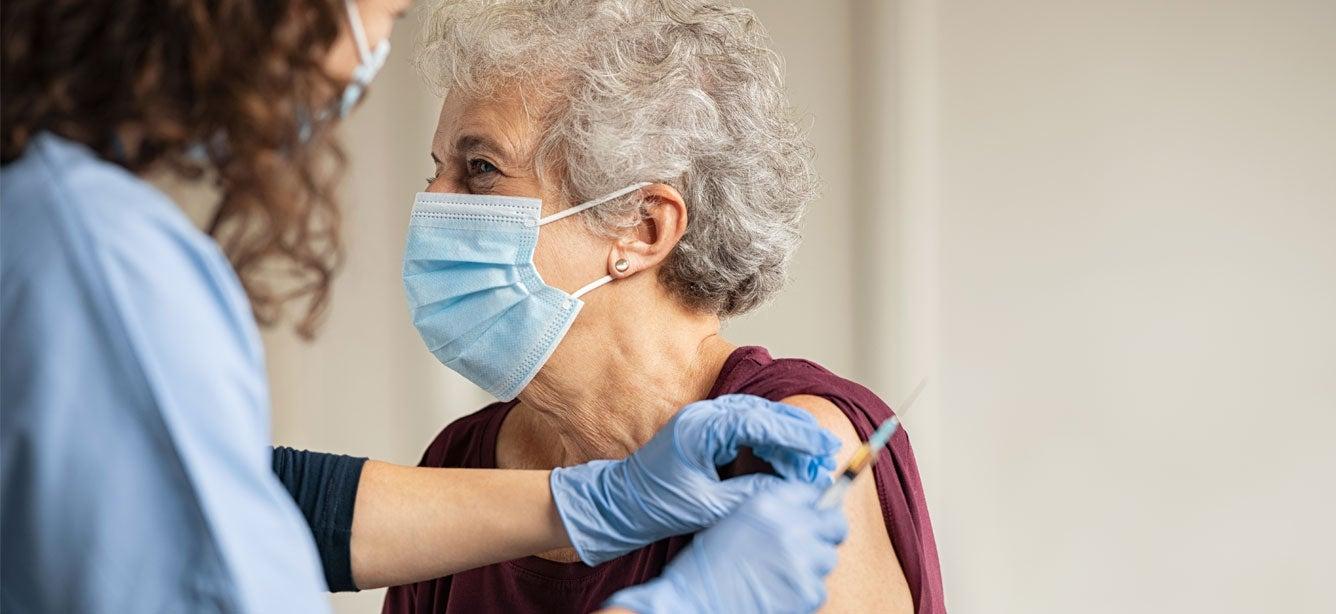
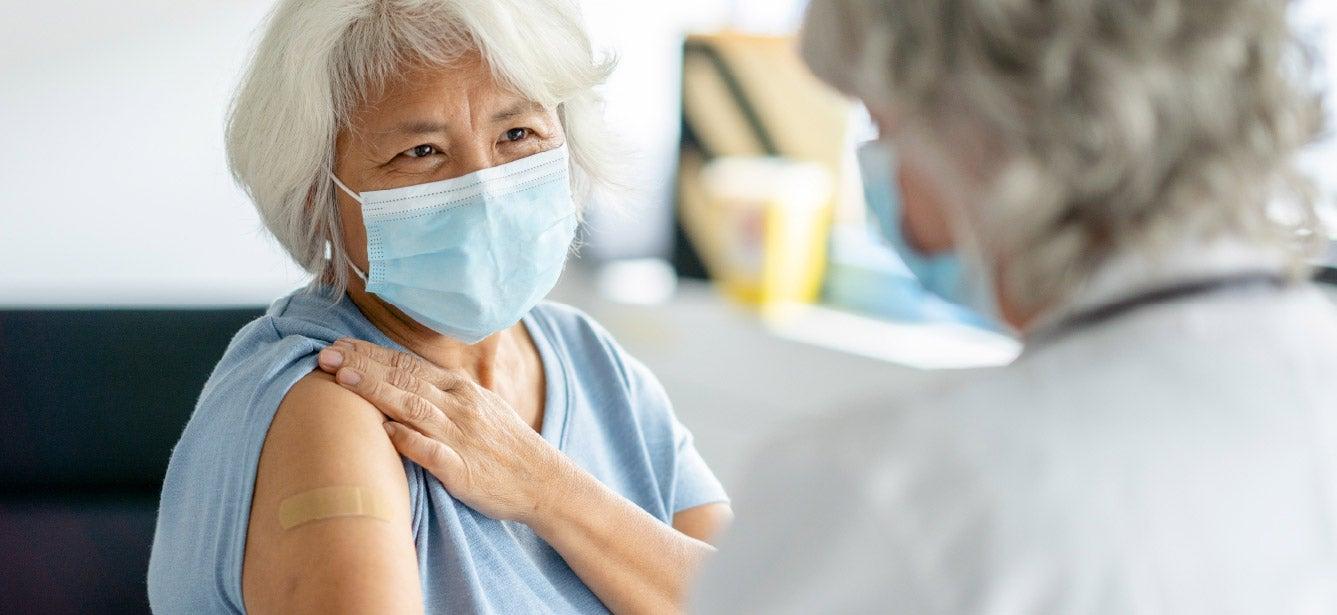
The Centers for Disease Control and Prevention (CDC) recommends a single-dose RSV vaccine for all adults age 75 and older, and for adults age 50-74 who are at greater risk for RSV complications due to chronic health conditions. Studies demonstrate that the three available RSV vaccines are safe and highly effective. Just one dose is shown to protect adults age 50+ against RSV illness for at least two winter seasons.
Talk to your doctor about whether the RSV vaccine is right for you. You can usually get an RSV shot from your health care provider, at local pharmacies, or at community health clinics.
✅ Take steps to stop the spread of viruses
Basic everyday precautions like those below can help you protect yourself and others from RSV and other viruses:
- Lather up: Wash your hands frequently with soap and water for a minimum of 20 seconds.
- Stop touching your face: Your eyes, nose, and mouth are direct portals for viruses like RSV to enter your body.
- Avoid people who are sick: If you can’t do that, wear a mask when around people who have cold symptoms.
- Sanitize surfaces: Clean frequently touched surfaces (e.g., doorknobs, remote controls, countertops) regularly.
- Mask up if necessary: Consider wearing a mask in high-risk settings—like when in crowded indoor spaces or with people who are sick.
- Stay up to date on your vaccines: This means not only getting your RSV shot, but also ensuring you’re current on your COVID and flu vaccines.
✅ Boost your immune system
- Prioritize your sleep: Try to get a solid 7-9 hours each night to help your body repair and fight off infections more effectively. Get 6 sensible sleep tips for older adults.
- Eat a nutrient-dense diet: Choose fruits, colorful vegetables, whole grains, and lean proteins to give your immune system the nutrients it needs to function at its best. Explore 6 eating habits for healthy aging.
- Move your body often: Regular exercise, even light activity like walking, helps promote circulation and overall immune function. Learn 5 tips to boost your exercise motivation.
- Manage everyday stress: Chronic stress can hammer away at your immune defenses. Try daily relaxation techniques like deep breathing or gentle stretching. Get practical tips for dealing with stress.
- Keep chronic conditions under control: Follow your doctor’s advice for managing health issues like diabetes, obesity, heart disease, or COPD, since these can make infections harder to fight. Learn about the benefits of chronic disease self-management.
The key takeaway for your health
Most respiratory infections in older adults are common colds—they’re inconvenient, yet seldom a cause for concern. But RSV is a real threat that shouldn't be ignored. Dorothea Vafiadis, Senior Director of NCOA's Center for Healthy Aging, said the key is knowing what to watch for and not dismissing symptoms as "just a cold" when they could be something more dire. “If you have cold-like symptoms that aren't getting better after a couple of weeks or are affecting your breathing, don't hesitate to call your doctor. You could have RSV—and you may need more than home remedies to feel better and prevent major complications.”
Source
1. Centers for Disease Control and Prevention (CDC). RSV in Older Adults and Adults with Chronic Medical Conditions. Found on the internet at https://www.cdc.gov/rsv/older-adults/
Funding for This Resource Made Possible By Our Partner
Protect Yourself from Shingles
If you’re 50 or older, you may be eligible to get the shingles vaccine at no cost through Medicare, Medicaid, or private insurance. Use the locator tool to find a vaccination site near you and schedule your appointment.