

Nutricost Creatine Review (2026): Expert Reviewed
Learn more in our Nutricost creatine review and see what our experts think about this budget-friendly creatine.
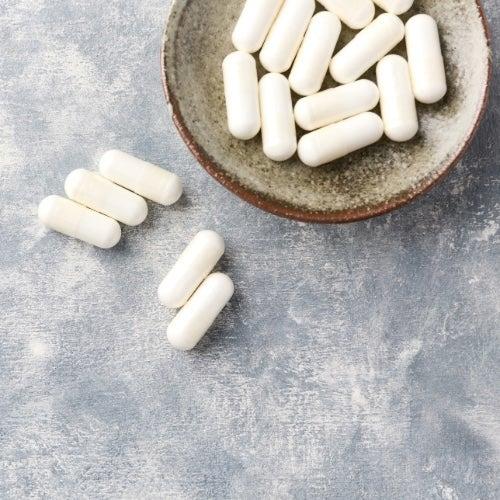
- We like Nutricost Creatine Monohydrate for its easy-to-swallow capsules and low cost. Each four-capsule serving has 3 grams (g) of creatine monohydrate.
- Nutricost’s creatine capsules cost 42 cents per four-capsule serving when you buy the 180-capsule bottle. The price drops even further if you purchase the 500-capsule bottle.
- We chose Nutricost Creatine Monohydrate as most affordable in our list of best creatine supplements for men.
- Creatine is a compound stored in our muscles that may help us retain muscle mass. Creatine supplements can help slow the natural loss of creatine that occurs as we age.
NCOA supports everyone’s right to age well. So we take the time to research, test, and recommend products that can help you live a healthier life. We’ve spent more than 2,000 hours researching and testing supplements to give you the most accurate product reviews. To find the best health supplements, we:
- Consulted health specialists, including doctors and registered dietitians. Received guidance on choosing the best supplements
- Put more than 100 supplements through more than a dozen different tests at our in-house lab
- Mystery-shopped more than 20 brands
- Surveyed more than 250 older adults on their supplement use
- Interviewed experts on the nutritional needs of older adults
- Worked with older adult testers to evaluate supplements and get their opinions
- Read thousands of verified customer reviews
We’re constantly testing new supplements to give you the most accurate and up-to-date recommendations. Read more about our supplement review methodology.
Most of us can get enough creatine from our diet if it contains a lot of protein, like meat and fish. But aging may change how our bodies absorb and store creatine, which can lead to muscle loss. Taking creatine supplements can help slow this loss. It may also provide energy during workouts and benefit brain health.1, 2, 3
The most obvious way older adults can prevent muscle loss is to eat enough, specifically enough protein, in addition to staying active, said Maria Seitz, MS, RDN, LDN, CPT, a registered dietitian in Tampa, Florida. But creatine supplements may be useful, too.
To find the best creatine supplements, we asked our older adult testers to try dozens of creatine powders, gummies, and capsules. They reported on the taste, cost, mixability, and side effects. Nutricost Creatine Monohydrate earned the title of most affordable in our roundup of Best Creatine for Men. It was also the only capsule to make our list of creatine picks. Nutricost's protein powder also stood out in our testing.
In this Nutricost creatine review, we share our testers' opinions and a dietitian's thoughts on the supplement. If you’re curious about creatine and don’t know where to start, keep reading. Comparing Nutricost to brands like Create and Mindbodygreen may help you find the best creatine supplement for you.
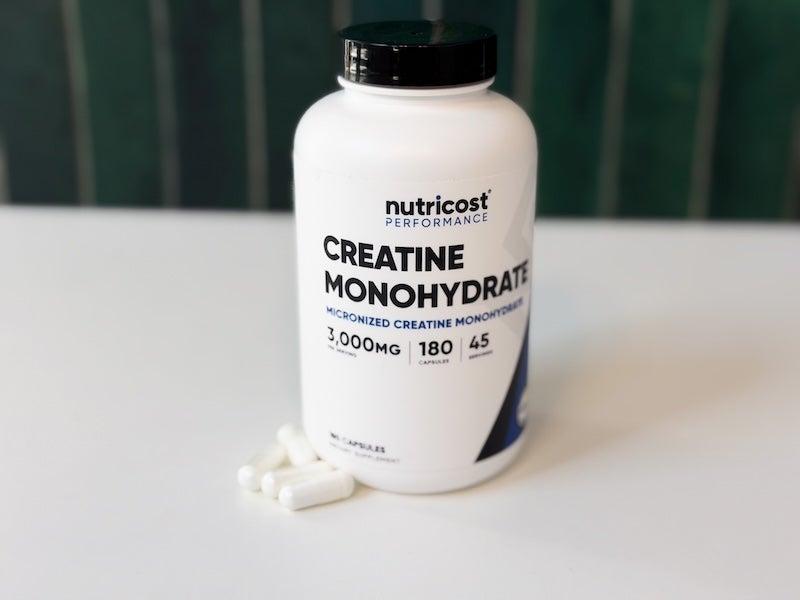
Nutricost Creatine Mono-hydrate
Flavorless capsules with no aftertaste
Why choose Nutricost creatine
Nutricost capsules contain creatine monohydrate, the most widely studied form of creatine. It has the strongest evidence for benefiting muscle strength and performance. Each serving of Nutricost creatine contains 3 grams (g) of creatine monohydrate, which is within the standard recommended daily dose of 3–5 g.
Our testers appreciated Nutricost's neutral flavors and lack of added sugars. When creatine powders or gummies have flavors, there’s a risk of a medicinal taste or aftertaste. And creatine gummies often include sugar or other sweeteners. Nutricost Creatine Monohydrate comes in unflavored capsules, which some of our testers preferred.
We also liked how convenient the flavorless pills were for on-the-go use. Unlike creatine powder, Nutricost capsules don't need mixing with water. But our testers did say the capsules were more pleasant with something to wash them down—especially if you let one linger on your tongue.
Nutricost also earned high scores for its low cost. At four capsules of creatine monohydrate per serving, the cost per serving comes to 42 cents. This makes Nutricost one of the most affordable creatine supplements we tested. Nutricost creatine comes in 180- or 500-capsule bottles.
How we tested Nutricost creatine
Here's what our testers looked for when evaluating Nutricost Creatine Monohydrate for this review:
Nutricost Creatine Monohydrate: Clear label, convenient capsules
At 42 cents per serving, Nutricost is one of the most affordable creatine supplements we tested. Each serving contains 3 g of creatine monohydrate. Our testers appreciated the convenience and unflavored taste of these creatine capsules.
Nutricost Creatine Mono-hydrate
- More servings per container than many brands
- Convenient capsules
- No added sugars or flavors
- Creatine per serving: 3 g (3,000 mg)
- Creatine type: Monohydrate
- Form: Capsules
- Added sugar: No
Pros
- Gluten-free
- Affordable
- Flavorless
Cons
- Four capsules may feel like a lot
- Third-party testing lab is not named
- Capsule ingredients not disclosed
Our experience with Nutricost Creatine Monohydrate
Nutricost isn’t the flashiest pill bottle in the aisle. But our testers loved how clear the label is. “Nutricost has a pretty basic white and blue bottle that looks similar to its other supplements,” one tester said. “It's nothing fancy, but I like that it clearly lists the amount of creatine per capsule on the front.” Nutricost delivers 3 g of creatine per four-capsule serving. Testers ultimately awarded Nutricost Creatine a 4/5 for first impressions. The instructions earned a 5/5 for clarity.
I like that the serving size and amount of creatine are clearly listed and tells you to drink with lots of water.”
—One tester's first impressions of Nutricost Creatine Monohydrate
Creatine capsules can be more convenient than powder you have to scoop and mix. But our testers expressed minor concern that four capsules were a lot to take at once. “I would have to take two at a time,” one tester said. Still, testers rated the experience of taking Nutricost creatine 3.5/5.
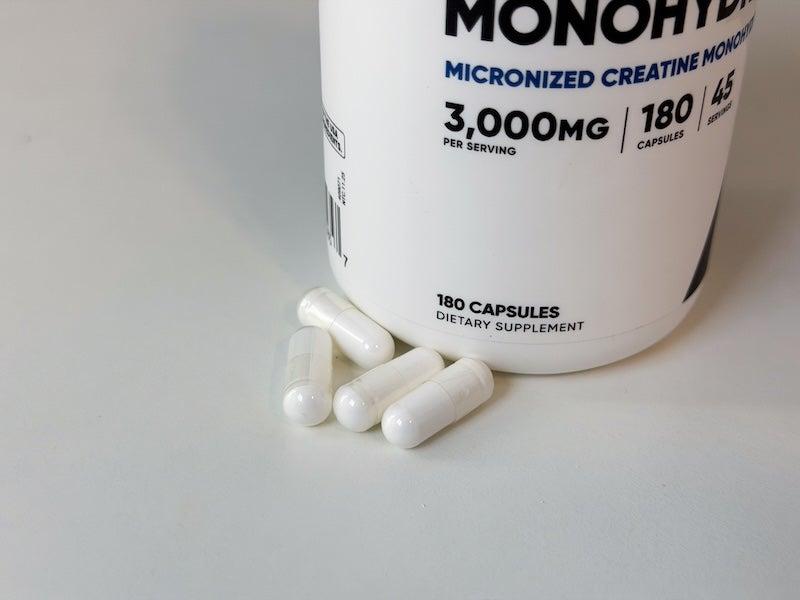
The taste—or rather, lack of taste—earned Nutricost a 5/5. Testers reported no side effects from the creatine capsules other than a slight aftertaste if you don’t swallow them fast enough. “The pill doesn't taste like anything if you just take it with water normally," one tester said. "But if you let it sit on your tongue, it does have a sort of bitter aftertaste that I want to wash away.”
4.5/5
Formula
5/5
Taste
5/5
Side Effects
3/5
Third-Party Testing


The Nutricost customer experience
- Return Policy: 60-day money-back guarantee
- Shipping: Free over $59
- Subscription Length: 30 days, two months, or four months
- Third-Party Testing: Undisclosed accredited lab
Customer service
You can contact Nutricost customer service by calling 866-438-3694, emailing support@nutricost.com, or by filling out a contact form on the website.
What are the benefits of Nutricost Creatine Monohydrate?
One advantage of Nutricost Creatine Monohydrate is its formula. “I recommend choosing creatine monohydrate without blends, as that is the most studied and effective form,” said Reema Kanda, RD, a registered dietitian at Hoag Orthopedic Institute in Irvine, California.
“Without blends” doesn't necessarily mean “without flavors." But Nutricost checks that box, too. Our testers found Nutricost creatine capsules to be flavorless. This can be a benefit if you’re not into sweeteners or candy-like flavors.
Regardless of brand, the main benefit of creatine for older adults is muscle mass retention. Creatine monohydrate has been proven to increase muscle mass and strength when paired with exercise. Supplementing creatine may also give you extra energy during high-intensity workouts.2
“Supplementation with creatine is best with proper protein intake, hydration, and regular exercise,” said Christiane Matey, MSHS, RDN, LDN, ABAAHP, a registered dietitian in Mooresville, North Carolina. “Benefits include lean body mass, and improvement in muscle strength and physical function.”
What are the potential side effects of Nutricost Creatine Monohydrate?
In general, studies show creatine has no significant side effects.4 Still, men in particular might see some initial water weight gain during creatine supplementation as their cells hydrate. But avoiding a “loading phase” should prevent this. A loading phase is when you take more than the recommended serving of creatine in the first few weeks of use. Experts and creatine brands often recommend against this. Most studies agree that taking creatine within the recommended serving size should reduce the risk of its mild side effects.5
Some creatine side effects can include:
- Water-weight gain
- Nausea
- Bloating
Research shows creatine supplementation doesn’t harm kidney function in healthy adults.6 Still, Matey cautions that some people should avoid taking creatine supplements. These include "if you have poor kidney function, liver disease, or are on certain medications.” Check with your doctor before taking creatine.
How to take Nutricost Creatine Monohydrate
You should take four Nutricost Creatine Monohydrate capsules with liquid. Our testers did report a minor aftertaste if the capsules linger. Testers also reported nausea when taking creatine on an empty stomach.
When it comes to creatine, taking it every day is more important than the time of day you take it. Many brands recommend taking creatine daily, even on days you don’t exercise. Ask your doctor or pharmacist whether creatine could interact with any medications you take.
Who should consider Nutricost Creatine Monohydrate?
Anyone looking for a lower-cost creatine supplement should consider Nutricost creatine monohydrate capsules. Nutricost creatine is 42 cents per serving. It may appeal to people who don’t want flavors or added sweeteners in their creatine. Nutricost is also gluten-free. But it may not be vegetarian or vegan. The supplement facts label doesn't list whether the capsule uses gelatin.
You should consider Nutricost creatine if you:
- Prefer unflavored supplements
- Want a creatine you don’t have to mix
- Are looking for a low cost per serving
You may consider other options if you:
- Don’t like swallowing pills
- Are vegan (the capsule ingredients are not disclosed)
- Find it easier to take a gummy or powder supplement
Frequently asked questions
Where is Nutricost creatine made?
Nutricost’s website says its creatine is made in a GMP-compliant facility that’s registered with the FDA. Nutricost also says its products are “made in the USA from globally sourced ingredients.”
Is it safe to take creatine daily?
Yes, it is generally considered safe to use creatine daily, as long as you stay within the recommended serving size.5 Studies show that creatine supplementation doesn’t have major negative side effects.4 But you should still check with your doctor before starting creatine or any new supplement.
Is Nutricost creatine or Optimum Nutrition creatine better?
Four Nutricost capsules have 3 g of creatine monohydrate and four Optimum capsules have 5 g. This is probably the biggest difference between Optimum and Nutricost creatine capsules. Nutricost also has one more additive (silica) than Optimum.
Questions? Email us at reviewsteam@ncoa.org.