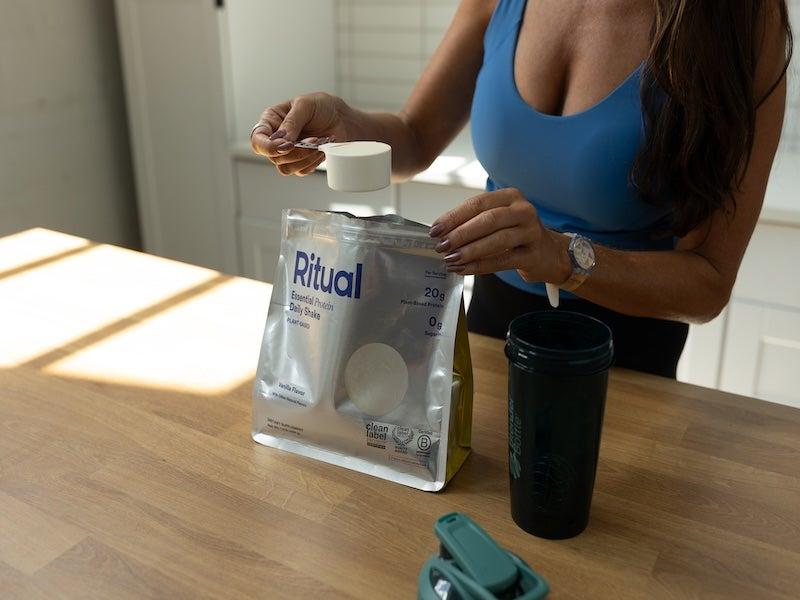
Best Protein Powders for Women in 2026
Learn about the best protein powders for women that can help you meet your goals whether you’re looking to support weight loss, menopause, or overall health.
- We chose 1st Phorm Level-1 Protein Powder as the Best Protein Powder for Women Overall. It provides 24 grams of whey protein per serving, and our testers liked its taste and mixability.
- The protein powders in this roundup cost $1.49–$2.94 per serving before any discounts, promotions, or subscription savings.
- Whey and plant-based protein powders can both help you meet your protein needs. The right choice depends on your diet, allergies, and preferences.
- Protein powder can fit into a healthy diet, but it shouldn’t replace meals or whole foods.
- When choosing a powder, look at protein per serving, ingredients, taste, and price.
NCOA supports everyone’s right to age well. So we take the time to research, test, and recommend products that can help you live a healthier life. We’ve spent more than 2,000 hours researching and testing supplements to give you the most accurate product reviews. To find the best health supplements, we:
- Consulted health specialists, including doctors and registered dietitians. Received guidance on choosing the best supplements
- Put more than 100 supplements through more than a dozen different tests at our in-house lab
- Mystery-shopped more than 20 brands
- Surveyed more than 250 older adults on their supplement use
- Interviewed experts on the nutritional needs of older adults
- Worked with older adult testers to evaluate protein powders and get their opinion
- Read thousands of verified customer reviews
We’re constantly testing new protein powders to give you the most accurate and up-to-date recommendations. Read more about our supplement review methodology.
Protein helps keep our muscles strong as we age, among other benefits. “After 40, our needs increase due to muscle atrophy,” said Christiane Matey, MSHS, RDN, LDN, ABAAHP, a registered dietitian and founder of MINT Nutrition in Mooresville, North Carolina. “Protein drinks are a good supplement to help fill in the gaps.”
“But,” she cautioned, “they are not a great replacement for real food and real meals.” The best protein powder for women can help you get the nutrients you need when diet alone isn’t enough. The right choice depends on your needs, taste, budget, and how you plan to use it.
A group of our female older adult testers evaluated popular protein powders. They shared their thoughts on taste, texture, and how simple each product was to use. Our testers also looked at protein content, ingredients, price, and other key features to help you compare your options. We chose 1st Phorm Level-1 Protein Powder as Best Overall. It stood out for taste, mixability, and protein content. Whether you want to build strength, stay active, or simply add more protein to your diet, these picks may help you find a powder that fits your needs.
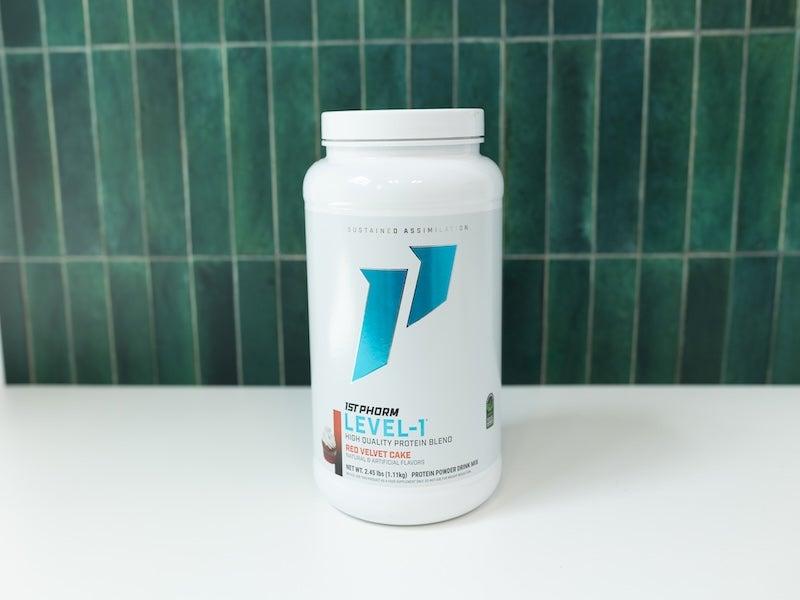
1st Phorm Level-1 Protein Powder
This high-protein, low-sugar whey powder earned top scores for taste and mixability
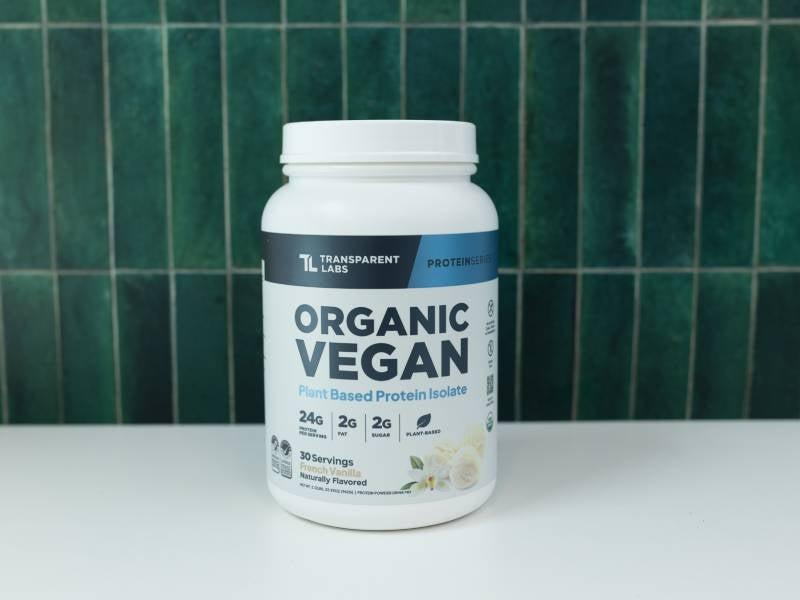
Transparent Labs Vegan Protein
This plant-based powder delivers as much protein per serving as many whey powders and earned top scores for taste
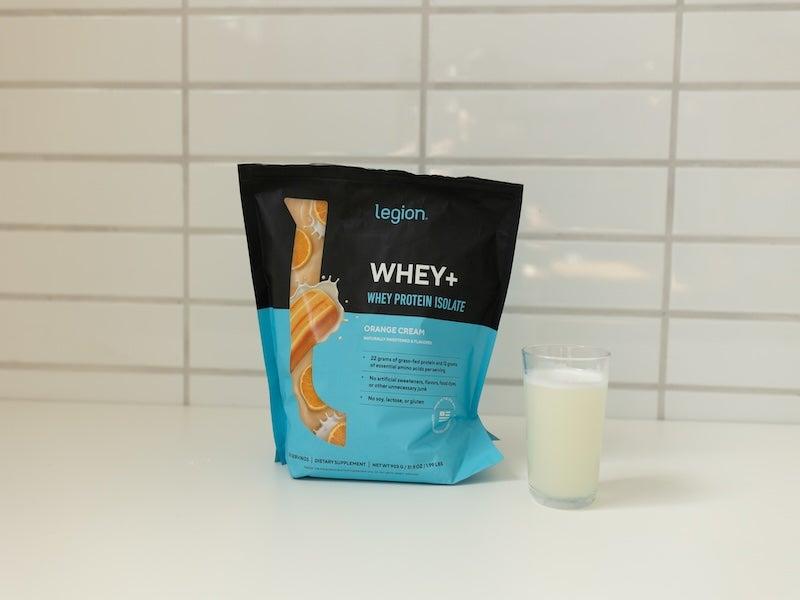
Legion Whey+ Grass-Fed Whey Protein
Made with whey from grass-fed cows and naturally sweetened with stevia, this low-calorie powder is a good choice if you’re new to protein powder
Best protein powders for women in 2026
- 1st Phorm Level-1 Protein Powder: Best Overall
- Transparent Labs Vegan Protein: Best Plant-Based Protein Powder for Women
- Legion Whey+ Grass-Fed Whey Protein: Best Whey Protein for Women
- Nutricost Whey Protein Concentrate: Best Value Protein Powder for Women
- Ritual Essential Protein: Best Protein Powder for Women in Menopause
The best protein powders for women in 2026 compared
| Comparison Features | |||||
|---|---|---|---|---|---|
| Our rating* | 9.2 |
9.3 |
8.9 |
7.9 |
8.5 |
| Protein per serving | 24 g |
24 g |
22 g |
25 g |
20 g |
| Serving size | 32 g |
32 g |
30 g |
30 g |
33 g |
| Third-party testing | Informed Choice and NSF certified |
Informed Choice |
Labdoor |
Lab not specified |
Clean Label Project certified |
| Best for | Overall |
Plant-Based |
Whey |
Value |
Menopause |
*Ratings reflect a brand’s overall offering; the best overall pick doesn’t necessarily have the highest score
How we tested the best protein powder for women
Here are some of the things we considered when choosing the best protein powders for women:
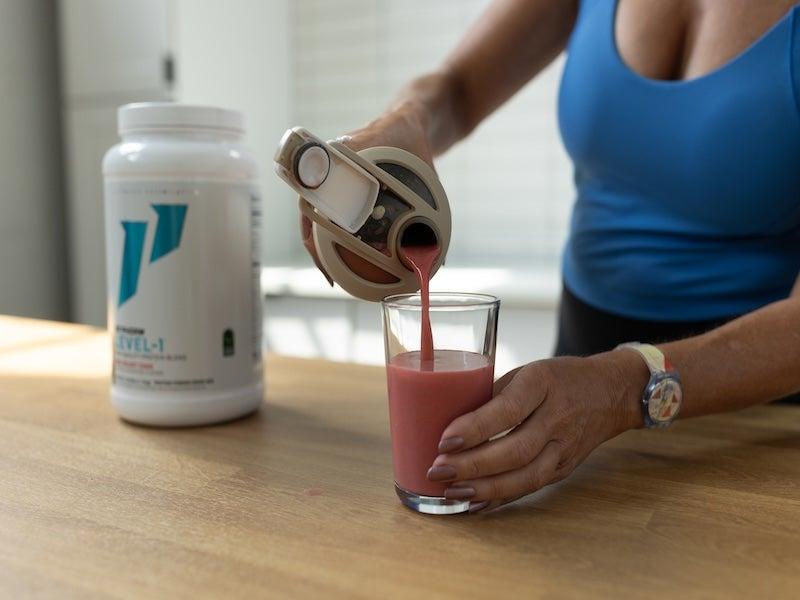
1st Phorm Level-1 Protein Powder: Best Protein Powder for Women Overall
1st Phorm Level-1 Protein Powder is our pick for the Best Protein Powder for Women Overall. It stood out for its high-quality protein, natural sweetener options, and pleasant taste. It also mixes well with liquids without leaving chunks behind.
- 24 grams of high-quality whey protein per serving
- 12 flavors to choose from
- Informed Choice-certified, with NSF certification for select flavors
- Testers liked the taste and mixability
- Protein per serving: 24 g
- Calories per serving: 120
- Protein source: Whey
- Sweeteners: Monk fruit or sucralose, depending on flavor
Pros
- Testers loved the taste
- Dissolves easily
- High in protein and low in carbs and fat
- Some flavors are naturally sweetened
Cons
- Large container is hard to take on the go
- May not be suitable for people with a whey allergy or sensitivity
- Only lists 7 of the 12 available flavors as NSF certified
- Shipping costs may be high
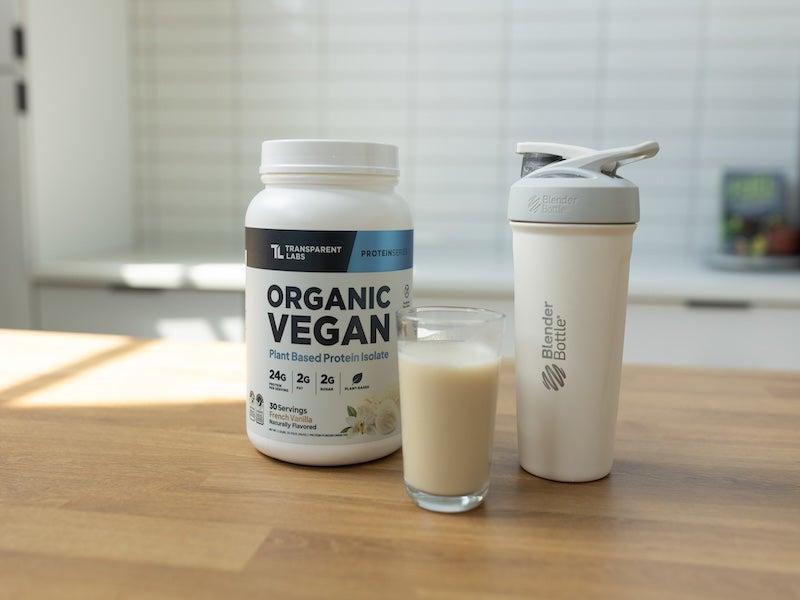
Transparent Labs Vegan Protein: Best Plant-Based Protein Powder for Women
Transparent Labs Organic Vegan Plant-Based Protein Powder earned our highest taste score. It delivers 24 grams of protein per serving, uses organic ingredients, and is third-party tested. Our testers found it to be a strong choice for women seeking a high-quality protein powder that fits a plant-based diet.
- Made with rice and pea protein
- Low in sugar, with no artificial sweeteners
- Third-party tested by Informed Choice
- Two flavors
- Protein per serving: 24 g
- Calories per serving: 130
- Protein source: Rice and pea protein
- Sweeteners: Stevia
Pros
- Each serving provides 24 grams of protein from plant sources
- Naturally sweetened with stevia
- Testers loved the vanilla flavor
- Lowest listed cost per serving among the powders in this roundup
- Organic and third-party certified
- Gluten-free, with no artificial dyes or flavors
Cons
- Made in a facility that may also handle common allergens
- Limited flavor options
- Large container can be hard to store
- Stevia may cause GI distress if you don't start with small amounts
Legion Whey+ Grass-Fed Protein: Best Whey Protein Powder for Women
Legion Whey+ Grass-Fed Protein is our pick for the Best Whey Protein Powder for Women. It offers 22 grams of high-quality protein per serving, a short ingredient list, and third-party testing through Labdoor.
- High-quality grass-fed whey protein isolate
- Naturally sweetened with stevia extract
- Contains no added sugars, soy, or gluten
- Third-party tested for purity and label accuracy
- Protein per serving: 22 g
- Calories per serving: 110
- Protein source: Grass-fed whey
- Sweeteners: Stevia
Pros
- Made with whey protein isolate from certified grass-fed milk
- No added sugar, soy, gluten, or artificial sweeteners
- Longest stated return window (365 days) of any powder we tested
- Free shipping on first orders
Cons
- Low-fiber, low-fat formula may not keep you as full as some other powders
- Each serving has about 300 milligrams of sodium
- Some people may prefer a container over a resealable bag
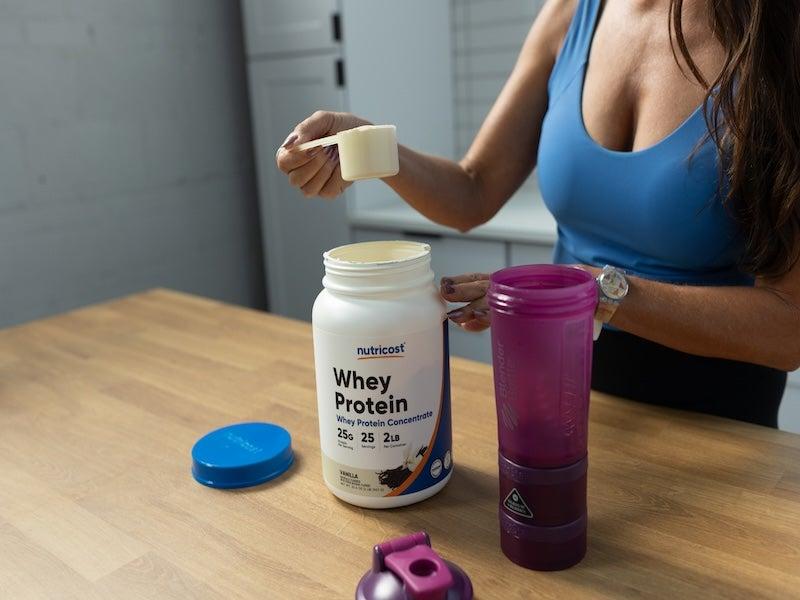
Nutricost Whey Protein Concentrate: Best Value Protein Powder for Women
Nutricost Whey Protein Concentrate is our pick for the Best Value Protein Powder for Women. It delivers 25 grams of protein per serving and comes in multiple container sizes. Its 5-pound bulk option costs about $2 per serving before discounts. Our testers found it a good choice for women who want a more affordable protein boost.
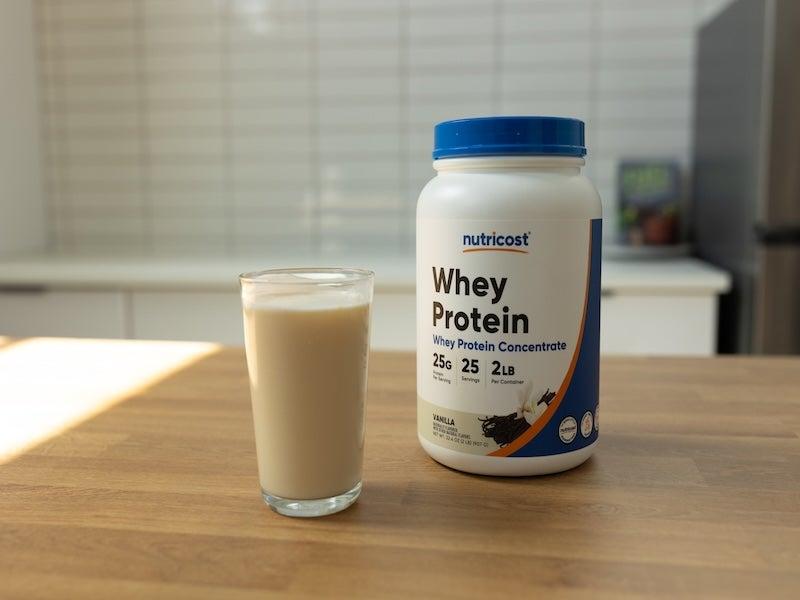
- A high-protein option to help you meet your daily needs
- Low in carbs and fat
- Several sizes and flavors
- Mixes well
- Protein per serving: 25 g
- Calories per serving: 130
- Protein source: Whey
- Sweetener: Sucralose
Pros
- Provides the most protein per serving of any powder we tested
- Low in carbs and fat
- Our testing found that the powder dissolved well
- Non-GMO and gluten-free
Cons
- May leave an unpleasant aftertaste
- Contains artificial sweetener (sucralose)
- Whey protein may cause digestive issues in some people
Ritual Essential Protein: Best Protein Powder for Women in Menopause
We chose Ritual Essential Protein Powder as the Best Protein Powder for Women in Menopause. It offers 20 grams of plant-based protein, plus added nutrients to support women’s midlife needs. It earned an overall score of 8.5/10. Testers loved its smooth texture, mild vanilla flavor, and simple ingredient list.
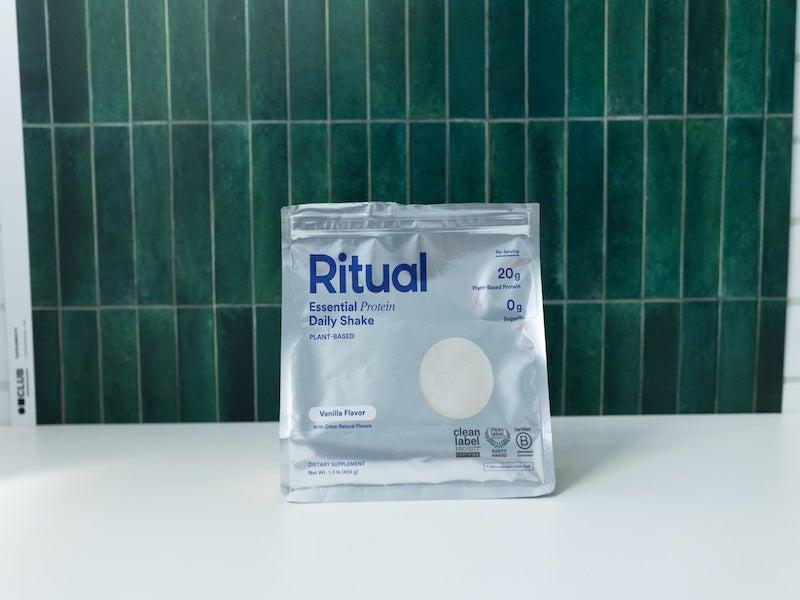
- 20 grams of pea protein per serving
- Added nutrients including choline, iron, and calcium
- Clean Label Project certified
- No added sugars or artificial flavors
- Protein per serving: 20 g
- Calories per serving: 120
- Protein source: Pea protein
- Sweeteners: Organic monk fruit
Pros
- Clean Label Project Purity Award
- No added sugars or artificial flavors
- Resealable pouch with a Velcro closure
- Sweetened with organic monk fruit
Cons
- Has less protein per serving than the other powders we tested
- Available in only two flavors
- Doesn’t come with a scoop, which makes measuring less convenient
What is protein powder?
Protein powder is a supplement that can help you get more protein in your diet. “It is a powder containing protein from various sources such as whey and casein, soy and pea, rice and other protein sources,” said Qiao Yufei, MD, a physician with Mediway Medical in Singapore. “It can be used as a supplement to increase the daily protein intake.”
You can mix the powder with water, milk, or other drinks, or add it to foods like oatmeal and smoothies. Protein powder is not a replacement for a balanced diet, but it can be a simple way to get more protein when you need it. If you need to use protein shakes as a meal replacement due to medical restrictions or other concerns, consult with your doctor or a registered dietitian for more customized options. The best choice for you depends on your dietary needs, food preferences, and any health concerns you may have.
Why older adults can benefit from protein powder
You may associate protein powder with bodybuilders. But older adults can also benefit from adding protein to their diets. We naturally lose some muscle mass as we age. When that loss becomes significant, it may lead to a condition called sarcopenia.2 “The natural loss of muscle mass increases an older adult’s risk of fragility and falls,” said Dr. Qiao. “Protein is essential for muscle mass maintenance and recovery as well as for optimal health of the bones and other tissues.”
The American Heart Association (AHA) recommends pairing meeting your protein intake goals with strength training. The AHA stresses that strength and resistance training doesn’t need to be extreme. Strength exercises using free weights, machines, or body weight twice a week can help support muscle strength and overall health.3
Why protein matters for women
Protein matters for women at every age, but it can become even more important as they age. “Women are at risk of losing bone and muscle mass at an increased rate after menopause,” said Dr. Qiao. Changes in hormone levels may speed up this process.2
Getting enough protein can help older women maintain muscle and support health. “Protein powder helps with strength and mobility to help in day-to-day activities,” said Dr. Qiao. Matey recommends getting your protein from food first. Eggs, fish, chicken, beans, yogurt, and nuts are all good sources. If you have trouble getting enough protein from food alone, protein powder may help. That can happen if you have a smaller appetite, or if a medical condition or medication limits your diet.
Many protein powders claim to aid weight loss, improve immunity, enhance performance, or even improve cognitive function. They can contribute to those goals but certainly do not replace a healthy lifestyle and diet. Protein drinks are a good supplement to help fill in the gaps; they are not a great replacement for real food and real meals.”
—Christiane Matey, registered dietitian
What to look for when choosing a protein powder for women
Protein powders vary widely. Some come from milk products, while others use plant-based sources. Products also vary in protein content, other ingredients, and taste. The best choice depends on your diet, health needs, and personal preferences.
When shopping for a protein powder, look beyond the label claims. Check the protein per serving and the full ingredient list. Also look for third-party quality testing. If you have a health condition or take medication, ask your health care provider whether a protein supplement is right for you.
Type of protein powder
Protein powders come from both animal and plant sources. Whey and casein come from milk, and some powders use beef protein. You may also hear about “grass-fed” protein. Researchers have compared protein from grass-fed and grain-fed animals, but it’s unclear whether one offers greater health benefits over the other.1 Plant-based options may contain soy, pea, rice, hemp, or other plant proteins. If you avoid dairy, a plant-based powder may be a better fit. If you have trouble digesting lactose, check the label carefully. Some whey powders may cause digestive issues.
Protein per serving
Check how much protein each serving provides. “Products should contain 15 to 25 grams of protein per serving,” Dr. Qiao said. This can be a helpful starting point when comparing products, but the right amount for you may depend on your diet, activity level, and health needs. People aged 65 and older should aim for about 1 to 1.2 grams of protein per kilogram per day. This is a general guideline, not a target that works for everyone. Remember to count protein from food and supplements, and ask a health care provider or registered dietitian what’s right for you.
Third-party testing and certification
Look for protein powders tested by an independent organization. This can help you learn more about a product’s quality. Third-party testing can confirm whether a protein powder has been tested for contaminants and other substances. Certifications can also show how a product is made and which standards it meets. Matey recommended checking for independent testing and certifications. These may provide information about ingredient quality, manufacturing standards, or contaminant testing, depending on the certification. Keep in mind that these labels don’t all mean the same thing. Check what each certification covers so you know what it tells you about the product.
Ingredients and additives
Read the full ingredient list before buying a protein powder. Labels name the ingredient with the highest amount first, so look for protein sources that are listed at the top of the product list. Some products contain added sugars, artificial sweeteners, flavors, or other ingredients you may prefer to avoid. Ingredients such as lecithin and xanthan gum are emulsifiers or stabilizers, which helps with product shelf life. Simpler formulas can make it easier to know what you are getting in each serving.
Matey recommended avoiding artificial ingredients, artificial sweeteners, and certain fibers, such as inulin and chicory root, which can upset digestion. She also said to avoid ingredients you cannot recognize on the label. It’s also worth considering possible contaminants. “There can be heavy metals in protein powders,” said Matey. This includes lead, cadmium, and arsenic. Some research has found higher concentrations of certain heavy metals in plant-based protein powders than in animal-based powders. Levels can vary by product. Heavy metals can be harmful when exposure builds up over time. So far, typical protein powder use isn’t linked to adverse health effects.4 Still, if you prefer to avoid these, third-party testing can help you choose products checked for these contaminants.
Taste and mixability
Taste matters because you are more likely to use a protein powder you enjoy. Protein powders vary in flavor profile depending on the protein source and any added flavors or sweeteners. Some taste mild, while others can be chalky, gritty, or very sweet. Mixability is also important. Some powders blend smoothly with water or milk, while others may clump or leave a thick texture. If you plan to use protein powder every day, look for a flavor and texture you like. Read customer reviews or try a small container first to find a good fit.
Brand reputation and transparency
Choose a brand that clearly shares product information. Brands should disclose their ingredients, nutrition facts, testing, and manufacturing practices. A trustworthy company should make these details easy to find. Also be cautious of brands that make big health claims without solid evidence. A higher price does not always mean a better product. Look for clear labels, reliable testing, and a protein powder that meets your needs without unnecessary extras.
Potential side effects of protein powder for women
Protein powder can be a helpful way to get more protein, but it may cause side effects in some people. Around 16% of older adults who responded to our survey said they experienced unwanted side effects when taking a protein powder.5 Taking too much of a powder at once may lead to digestive problems, such as nausea, constipation, diarrhea, gas, and bloating. Follow the package directions or ask your health care provider how to add protein powder to your diet gradually.
“Too much protein can cause bloating and constipation, and strains the kidneys,” said Dr. Qiao. “If you have kidney issues, consult a doctor first.” People with kidney disease may need to limit or adjust their protein intake. If you have kidney concerns, speak with your health care provider before using a protein powder. Whey protein may affect those who are lactose intolerant or have dairy allergies. If a powder causes ongoing discomfort, stop using it and ask a health care provider about other options.

In our August 2026 survey of 250 older adults, 41% said they were “very concerned” about losing muscle mass or strength as they age.5
Protein powder drug interactions
Protein powder itself has few known interactions with medications. But a product’s ingredients matter. Some powders contain added herbs, vitamins, minerals, or other ingredients. These ingredients could affect your health or interact with certain medicines. Always read the full label, especially if you take prescription drugs or other supplements.
“There are not many interactions between protein powder and medicine,” said Dr. Qiao. If you take medications, consult your health care provider before using a protein powder or other supplement.
Best protein powders for women costs compared as of 2026
The protein powders in this roundup cost $1.49–$2.94 per serving before any discounts or promotions (including subscriptions). Protein powder prices can vary based on several factors. The protein source, brand, flavors, and third-party certifications can all affect costs. You can often save money by signing up for automatic deliveries or taking advantage of sales.
| Comparison Features | 1st Phorm Level-1 Protein Powder |
Transparent Labs Vegan Protein |
Legion Whey+ Grass-Fed Whey Protein |
Nutricost Whey Protein Concentrate |
Ritual Essential Protein |
|---|---|---|---|---|---|
| Minimum cost per serving* | $2.09 |
$1.49 |
$2.16 |
$2.01 |
$2.93 |
| Shipping cost | Free on orders $150+ |
Free over $99 and with subscriptions |
Free on first order, orders over $80 |
Free over $59 |
$11 for one-time purchases, free with subscriptions |
| Return policy | 30 days (110% refund, minus shipping costs) |
45 days |
365 days after purchase, first time only |
60 days |
30 days (new products only, no subscriptions) |
| Subscription savings | 12% |
10% plus free shipping |
30% |
20% |
N/A |
*Cost per serving may change based on the size of the container you purchase. We chose to list the lowest cost per serving when applicable.
Frequently asked questions
How much protein do older women need?
Protein recommendations for older adults vary. Some experts recommend more than the standard 0.8 grams per kilogram of body weight per day. Ask your doctor or registered dietitian what’s right for your needs.
What is the best protein powder to support muscle mass in women?
1st Phorm Level-1 Protein Powder is our top pick for women who want to support muscle health, with 24 grams of protein per serving. Pairing protein with regular strength training can help support muscle growth and maintenance.
What is the best type of protein powder for women?
Whey protein is a good choice because it contains all nine essential amino acids and is rich in leucine, which helps support muscle growth. Plant-based blends made from sources such as pea and rice protein can also be good options, especially for women who avoid dairy.
Is it safe for women to use protein powder every day?
For most healthy women, protein powder is generally safe to use daily when taken as directed and as part of a balanced diet. If you have kidney disease, other health concerns, or take medicines that affect your diet, talk with your health care provider before adding a protein supplement.
Questions? Email us at reviewsteam@ncoa.org.