
When RSV Turns into Pneumonia: Warning Signs to Watch for
9 min read

Related Topics
If you have respiratory syncytial virus (RSV), that nagging cough may linger—sometimes for what feels like forever. But when your cough gets much worse, or breathing becomes a struggle, you might be facing something more serious. One common complication of RSV is pneumonia.
Knowing the signs of RSV-related pneumonia can help you get the medical care you need before things take a potentially dangerous turn.
How does RSV affect older adults?
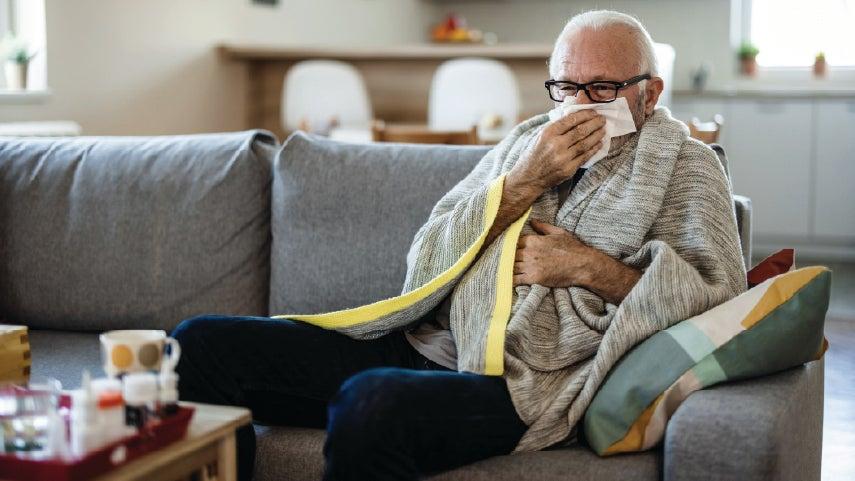
RSV is a respiratory infection known to affect babies and children, but it can happen to adults, too. For most adults, RSV impacts mainly the upper airways and causes symptoms similar to a cold—like runny nose, cough, sneezing, and a general run-down feeling. These RSV symptoms may last anywhere from one to two weeks and usually resolve on their own with rest and fluids.
But in some cases, the infection progresses and moves to the lower airways (lungs). Older adults—especially those with heart disease, lung disease, diabetes, or a weakened immune system—can be more vulnerable to RSV spreading deeper into the lungs. That’s when trouble can start. In some cases, RSV may cause bronchitis or pneumonia, which require medical attention.
What is pneumonia?
Pneumonia is a lung infection that causes inflammation and fluid buildup in the lungs’ air sacs (alveoli), making it harder for your body to get enough oxygen. It can develop from different types of bacteria, viruses (like RSV, COVID, or the flu), or even fungi found in the air. Knowing the cause of a patient’s pneumonia helps health care providers choose the most effective treatment.
While anyone can get pneumonia, certain factors raise your risk for severe complications. These include being age 65 or older and/or having one or more chronic medical conditions. More than 40,000 Americans died of pneumonia-related complications in 2023, according to the Centers for Disease Control and Prevention (CDC).1
The good news is that most cases of pneumonia are treatable, even though a full recovery may take weeks. But the timing of treatment matters. The sooner it’s diagnosed, the better your chances of a successful recovery.
What are the signs RSV may have turned into pneumonia?
RSV and pneumonia share some symptoms, which can make them tricky to tell apart at first. For example, both infections can cause coughing, runny nose, congestion, and fatigue. The difference lies in how deeply the infection has moved into your lungs.
If you’re experiencing cold-like symptoms, or you have a confirmed case of RSV, it’s vital to listen to your body and watch for changes. Here are key signs your RSV infection may have progressed into pneumonia:
- Trouble breathing: If you’re short of breath, breathing faster than usual, or feel winded just from light activity, it’s time to call your doctor. Wheezing or chest tightness that doesn’t improve may also indicate pneumonia.
- A worsening cough: Most RSV coughs are dry or mild (and stay that way). If you develop a deeper, “barking” cough or your cough starts producing thick yellow, green, or bloody mucus (sputum), that’s cause for concern.
- Fever that returns or rises: It’s common to have a low fever with RSV, but if it spikes above 100.4°F (38°C), especially after you thought you were getting better, that could be a sign the infection has moved into your lungs. Note that it is possible to have no fever and still have pneumonia.
- Chest pain or pressure: Sharp or persistent pain in your chest, particularly when coughing or taking deep breaths, may signal pneumonia-related inflammation in your lungs.
- Headache and/or muscle pain or weakness: The early symptoms of pneumonia can mimic the flu. You may feel achy all over.
- Unusual fatigue and low appetite: You might feel extremely exhausted or mentally “foggy” with pneumonia. This tiredness may also cause you to have a low or no appetite.
- Confusion or low alertness: In older adults, confusion can be an early sign of infection or low oxygen levels.
- Bluish lips or fingertips: This can indicate low oxygen in your blood and needs immediate medical attention. Call 911 or go to the emergency room if this happens.
Note: According to the American Lung Association, older adults and people with weakened immune systems may have milder (or fewer) pneumonia symptoms. But their existing health issues can worsen during pneumonia—for example, people with chronic obstructive pulmonary disease (COPD) may notice their breathing symptoms becoming more severe.
When to call your doctor
Don’t ignore it if your RSV symptoms are getting worse; call your health care provider right away. They may test you for RSV if you don’t already have a confirmed diagnosis. They will also listen to your lungs with a stethoscope for crackling and rumbling sounds when you inhale—telltale signs of pneumonia.
A definitive pneumonia diagnosis can usually be made through a chest X-ray, pulse oximetry test (to measure your oxygen levels), or lab work. If you’re considered at high risk for complications, further tests may be ordered such as a CT scan or arterial blood gas test.
What is the best treatment for pneumonia?
If your RSV infection has turned into pneumonia, treatment will depend on whether it’s viral or bacterial:
- Bacterial pneumonia may require antibiotics.
- Viral pneumonia (such as the type caused by RSV) is usually treated with rest, fluids, and over-the-counter fever reducers. When appropriate, antiviral medications or oxygen therapy may be used.
Your doctor might also recommend breathing exercises or a nebulizer to help clear mucus and open your airways.
Recovery from pneumonia can take several weeks, or even longer for older adults or those with other health conditions. Be patient with yourself. Rest, drink plenty of fluids, and follow your doctor’s instructions carefully. Don’t try to get back to your normal routine before you’re ready.
How to lower your risk of RSV-related pneumonia
The most powerful way to protect yourself from RSV-related pneumonia is to prevent infection in the first place:
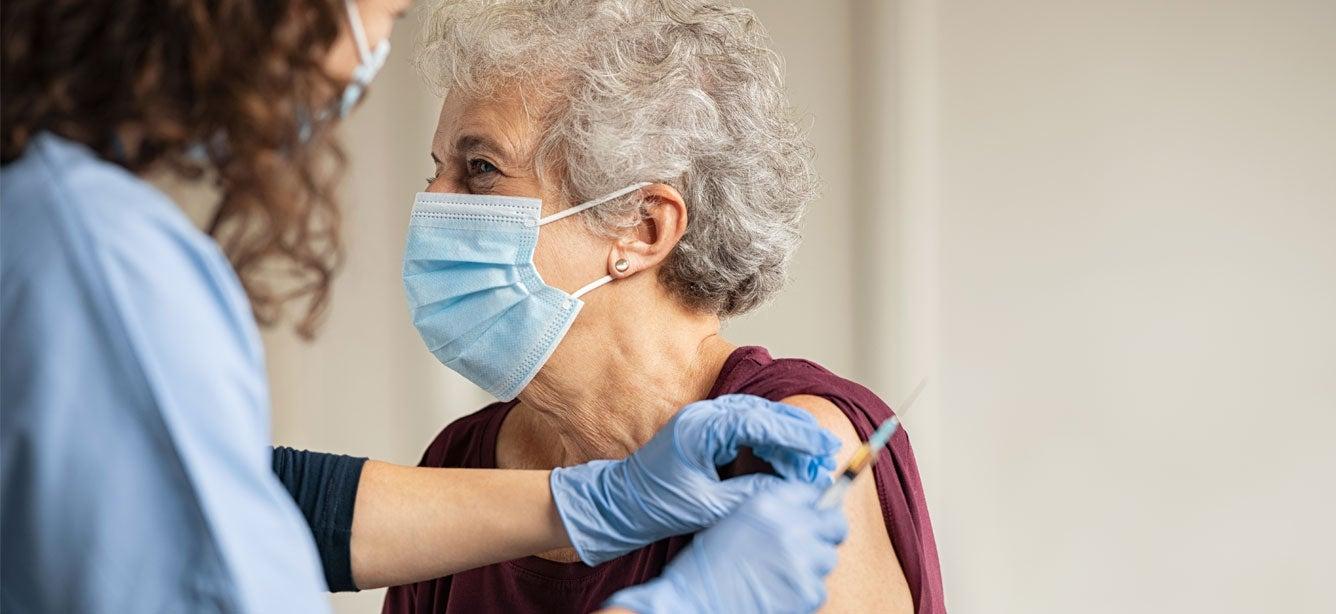
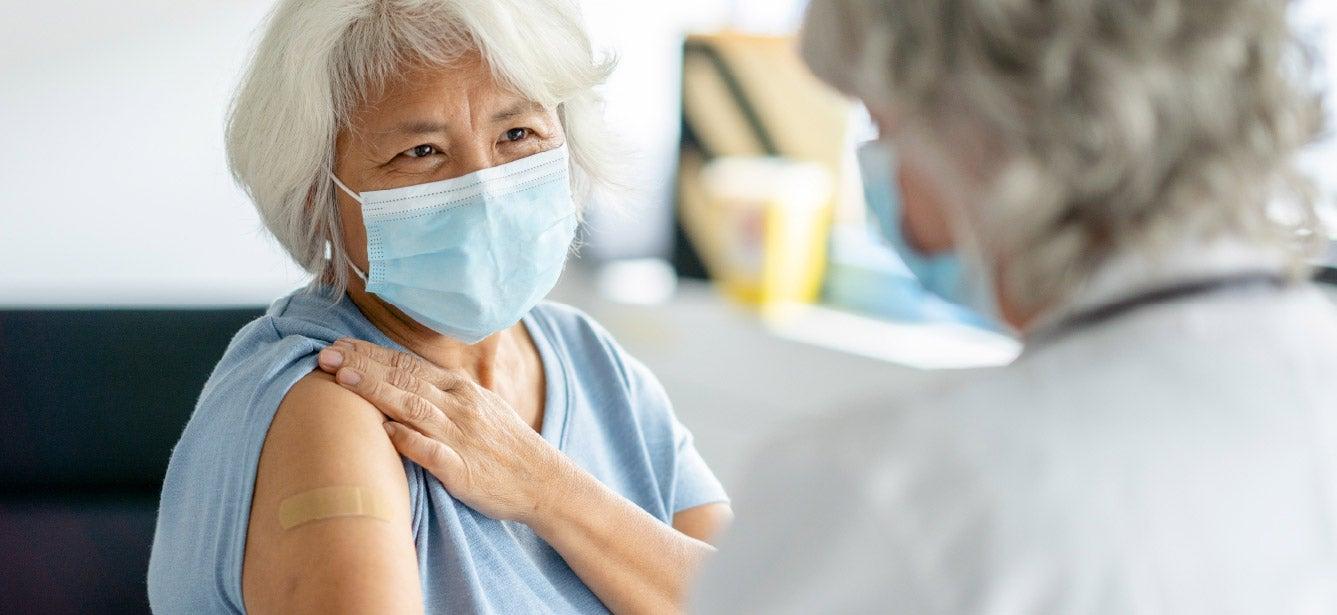
- Get vaccinated: The three FDA-approved RSV vaccines are extremely effective in preventing severe RSV disease, pneumonia, and other potentially life-threatening complications. CDC recommends a single dose of the vaccine for all adults age 75 and older and those age 50 to 74 who are at high risk. Staying up to date on your flu and COVID vaccines also reduces your overall respiratory risk. If you have Medicare, you should pay nothing out of pocket for these vaccines.
Note: The pneumococcal vaccines for adults provide strong protection against bacteria-caused pneumonia. But they do not protect you from pneumonia caused by viruses like RSV. - Wash your hands often with soap or alcohol based sanitizer, and sanitize frequently touched surfaces: RSV spreads easily through touching contaminated surfaces like door handles and countertops.
- Avoid close contact with anyone who’s sick: If family or friends have cold-like symptoms, give them a little space until they’re well. Like COVID and the flu, RSV is easily transmitted through droplets produced when an infected person breathes, talks, coughs, or sneezes.
- Keep your immune system strong: Eat well, stay active, and get enough quality sleep to give your body a fighting chance against RSV and other viruses. Be sure to follow your doctor’s instructions for managing any chronic conditions you have.
- Don’t smoke: Smoking damages lung tissue, making you more vulnerable to pneumonia. Whether it’s cigarettes, cigars, or vaping, there is no safe amount of smoking.
Taking these steps will help you stay healthy throughout the fall and winter months when common viruses are making the rounds.
Stay vigilant—your health depends on it
For older adults, knowing the warning signs of pneumonia can be lifesaving.
“RSV can progress to pneumonia more quickly than many people realize,” said Dorothea Vafiadis, Senior Director of NCOA's Center for Healthy Aging. “If you notice worsening shortness of breath or your cough starts to produce thick mucus, don't second-guess yourself or try to wait it out at home. These are signs that you need medical care right away. Early intervention offers the best chance for a complete recovery and helps protect your long-term health.”
Source
1. Centers for Disease Control and Prevention (CDC) National Center for Health Statistics. Pneumonia. Found on the internet at https://www.cdc.gov/nchs/fastats/pneumonia.htm
Funding for This Resource Made Possible By Our Partner
Protect Yourself from Shingles
If you’re 50 or older, you may be eligible to get the shingles vaccine at no cost through Medicare, Medicaid, or private insurance. Use the locator tool to find a vaccination site near you and schedule your appointment.