

Related Topics
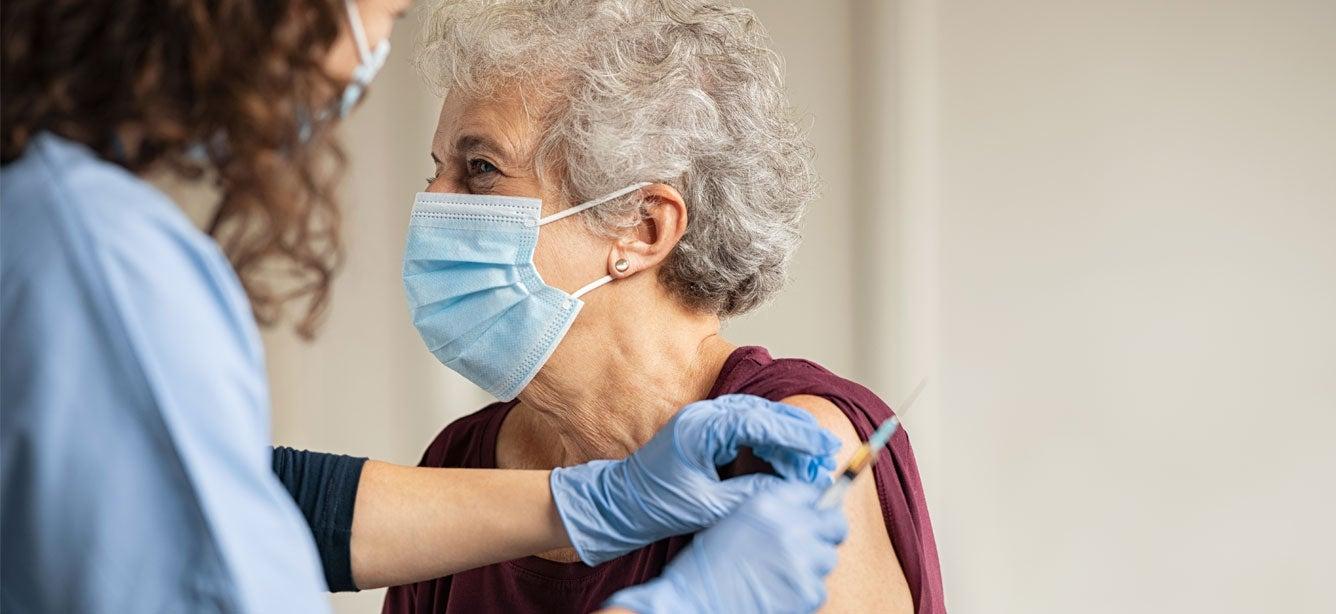
Medicare and Medicaid cover many recommended vaccines at no cost, helping older adults stay protected without added expenses. As long as the vaccine is approved by the Advisory Committee on Immunization Practices (ACIP) and covered by your plan, you can get shots like the flu vaccine without worrying about copays or deductibles.
The list of vaccines recommended by ACIP includes the vaccines for influenza (flu), shingles, respiratory syncytial virus (RSV), and Tdap (tetanus, diphtheria, and pertussis, also known as whooping cough).
In the past, many older adults have gone without life-saving vaccines, like shingles and Tdap, because their budgets couldn’t stretch to cover out-of-pocket expenses. With the elimination of cost sharing, vaccines are more accessible to the people who need them to stay healthy.
Older adults are at higher risk for serious illness, making timely vaccination essential. Covering the costs through Medicare or Medicaid removes financial barriers, helping more people stay healthy, avoid preventable diseases, and gain peace of mind. Learn which vaccinations are fully covered by Medicare and Medicaid and which ones are recommended for older adults.
Are vaccines covered under Medicare Part B or D?
Part B covers vaccines and vaccine administration for:
- Flu shots
- Pneumococcal shots
- COVID-19
- Hepatitis B (for people at medium and high risk)
- Certain reasonable and necessary vaccines to treat an injury or exposure to a disease
Part D-covered vaccines include those for:
Medicare Part D covers all adult vaccines recommended by ACIP with no cost-sharing when they are included under a beneficiary’s plan, except those vaccines covered by Part B. If you do not have Part D or a Medicare Advantage plan with prescription drug coverage, you could face out-of-pocket costs for certain vaccines.
If you have Medicare Part B, the pharmacy or provider administering the vaccine must accept Medicare assignment. If you have Part D, you must generally receive the vaccine from a pharmacy or provider within your plan’s network.
Failure to meet plan requirements means you may get billed for the service—or you may have to pay up front and request reimbursement later.
Is the COVID vaccine covered by Medicare?
The Centers for Disease Control and Prevention (CDC) recommends that for everyone age 6 months and older, COVID vaccination should be a choice made with a health care provider.
The good news is that even with changing guidance, Medicare and Medicaid will continue to cover the COVID vaccine with no out-of-pocket cost.
For adults who are age 65+ or living with conditions like diabetes or heart disease, vaccines continue to offer strong, reliable protection against severe illness, hospitalization, and death.
“At NCOA, we encourage older adults to speak with their doctor or pharmacist about their health risks and to stay current with COVID, flu, and RSV vaccines,” says Dorothea Vafiadis, Senior Director of NCOA’s Center for Healthy Aging. “The evidence is clear that vaccines save lives.”
Does Medicare pay for Shingrix?
Medicare Part D covers the complete cost of Shingrix, the vaccine that helps prevent shingles. This viral infection, which causes a painful skin rash, affects about 1 out of 3 people in the U.S. And your risk of getting shingles—and complications from shingles—increases with age.1
CDC recommends that healthy adults age 50 and older get two doses of Shingrix separated by two to six months. Vaccination is also recommended for some adults age 19 years and older who have compromised immune systems. People who are immunocompromised can receive their second dose of Shingrix one to two months after the first dose.
The Shingrix vaccine is more than 90% effective at keeping you from getting shingles and from developing long-term nerve pain.1
Is the RSV vaccine covered by Medicare?
Medicare Part D covers the respiratory syncytial virus (RSV) vaccine if you fall within ACIP recommendation guidelines. RSV is a common respiratory virus that affects the lungs and breathing passageways. It typically causes mild, cold-like symptoms. Like COVID and the flu, RSV is highly contagious.
While most people recover from RSV within a week or two, some are more likely to develop serious illness and complications. This includes older adults and infants age six months or younger. RSV symptoms usually start within four to six days after getting infected with the virus and include fever, congestion, runny nose, sore throat, and a barking cough.
Does Medicaid cover vaccines?
All ACIP-recommended adult vaccines are covered for most Medicaid beneficiaries with no copays or cost-sharing.
What vaccines do older adults need?
For adults age 50 and older, ACIP recommendations include the influenza, shingles, Tdap, and pneumococcal vaccines. A single-dose RSV vaccine is recommended for adults age 60 and older, based on shared decision-making between the patient and their provider. A hepatitis B vaccine is advised for all adults age 60 and older with risk factors.
To learn more about the vaccinations you may need to stay healthy, visit the CDC website. Be sure to discuss your immunization needs with your doctor, since recommendations can vary depending on your overall health and underlying medical conditions. Since coverage for vaccines varies depending on the types of Medicare coverage you have, check with your Medicare plan to learn the specific details of what’s covered.
Find articles on important vaccines, Medicare coverage and costs, and more at the NCOA’s Health & Wellness resource hub.
Sources
1. Centers for Disease Control and Prevention. Get the Shingrix Vaccine if You Are 50 or Older. Found on the internet at https://www.cdc.gov/shingles/multimedia/shringrix-50-older.html
Is It Flu or COVID?
While flu and COVID-19 share many similarities, they are distinct illnesses with different causes, complications, and treatments.