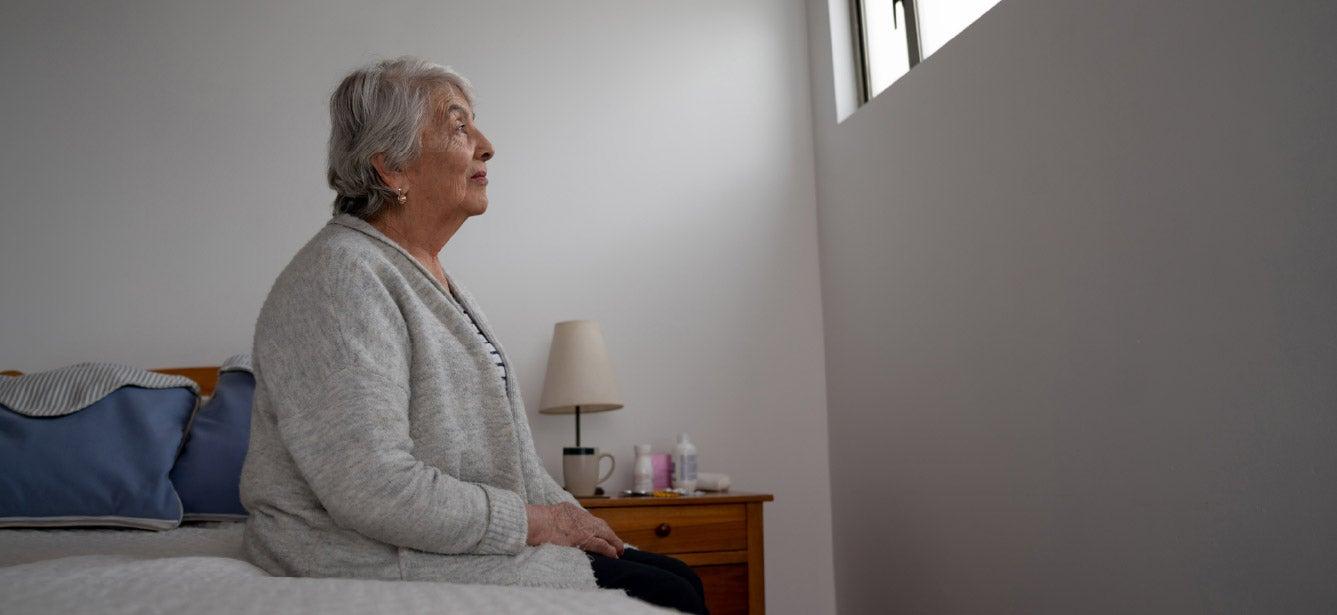


Housing costs are the greatest expense and share of household budgets for adults age 55+.1 And if you’re having trouble affording those expenses, you’re in good company. A record 12.4 million older households struggled with housing costs in 2023. More than one-third spent over 30% of their income on housing, and 6.7 million spent more than half.2
Read on to learn about housing assistance programs and resources that can help, whether you’re a homeowner or a renter.
Housing Assistance: Where to Start
| If you... | Consider... |
| Need help paying rent or utilities right away |
State or local rental and utility assistance programs |
| Aren't sure what help is available |
The HOPE™ Hotline (1-888-995-4673) |
| Have low income and need affordable housing |
Section 8, Section 202, or public housing (waitlists are common) |
| Own your home but need extra income |
Home equity options (e.g., HELOC, reverse mortgage) |
| Want to lower housing costs while staying in your home | Home sharing |
How do I get financial help with housing?
Below are several options to explore for help with your housing costs.
1. The HOPE™ Hotline: 1-888-995-HOPE (4673)
995HOPE offers free renter counseling and education to support people in addressing their housing concerns. Professional, caring counselors will work with you to assess your situation, explain the options or solutions available, and help you create a detailed action plan. You will get referrals to local, statewide, and national resources. The HOPE Hotline does not directly administer rental assistance programs or offer financial support to renters.
The HOPE Hotline is administered by the Homeownership Preservation Foundation and its affiliate, GreenPath, which are trusted, national nonprofits dedicated to guiding consumers onto the path of sustainable homeownership and improving their overall financial health. Learn more at the 995HOPE website or call 1-888-995-4673.
2. State and county rental assistance programs
If you're struggling to pay rent, start by looking for assistance programs in your city, county, state, or Tribal community. Visit the Consumer Financial Protection Bureau website to find rental assistance programs and help with other bills such as utilities. You can also contact your local Area Agency on Aging to see what programs are available in your area.
Learn more about energy assistance benefits for older adults.
3. Federal housing programs
Check if you qualify for one of these programs:
- Section 8 housing (Housing Choice Voucher Program): Section 8 helps low-income individuals and families afford housing in the private rental market. If you qualify, you get a housing voucher that pays part of your rent, while you pay the remaining amount based on your income. You can use your voucher with participating landlords, giving you more flexibility in where you live.
- Section 202 housing: Section 202 is a HUD program that provides affordable housing for low-income adults age 62 and older. Residents typically pay income-based rent, and many communities offer supportive services such as transportation, meal programs, wellness activities, and help accessing local resources. The goal is to help older adults live safely and independently.
- Public Housing: Public housing provides affordable rental homes for low-income individuals, families, older adults, and people with disabilities. These apartments and homes are owned and managed by local public housing agencies (PHAs). Rent is generally based on your income, and eligibility depends on factors like your household income and family size.
Find your local housing authority to see if you qualify for Section 202 housing, Section 8 housing, or public housing. The U.S. Department of Housing and Urban Development (HUD) also has a search tool you can use to find an apartment or home with reduced rent in your area and landlords who accept Section 8 housing vouchers.
4. Home equity
If you’re an older homeowner, you may be able to tap into your home equity to afford to keep living in your home. Home equity is the difference between what your home’s value is and what you may still owe on a mortgage (if you have one).
There are a few ways to borrow against your home’s equity:
- Home equity line of credit (HELOC): This loan works somewhat like a credit card. You can borrow up to a certain limit for a set period of time, such as 10 to 15 years. During that time, you can withdraw money as needed, and may be able to pay only the interest on the balance. Once the time is up, you must pay back both principal and interest within a repayment period (e.g., 10 years), making the monthly payments much higher. Costs to set up these loans may be relatively low.
- Home equity loan: With a home equity loan, you can take out the money in a lump sum. Then you must pay it back over a set amount of time, with fixed monthly payments that include both principal and interest.
- Reverse mortgage: If you own your home outright, or you have only a small mortgage left, you might consider a reverse mortgage. This is a unique type of loan designed specifically for homeowners age 62 and older. A reverse mortgage lets you convert a portion of the equity in your home into cash without having to sell your home or make additional monthly payments. But unlike a home equity loan, you don’t have to repay the reverse mortgage loan until you either no longer use the home as your primary residence or you fail to meet the loan’s requirements.
NCOA’s booklet, Use Your Home to Stay At Home, lists some of the pros and cons of these options.
5. Home sharing
Home sharing is a living arrangement in which two or more unrelated people share a home. The goal is to reduce housing costs and enjoy the companionship and support of having a housemate. Typically, one person has extra space in their home and rents a room to someone else in exchange for rent, help with household chores, or both. For example, if you own a house with a spare bedroom or unit (like a basement apartment), you might consider renting it through a home share arrangement.
If you own a residence with a spare bedroom or unit (such as a basement apartment), you might consider renting it through a home share arrangement.
Sharing your home can make it easier to age in place by providing you with extra income and shrinking your living expenses. Unlike short-term rentals, it’s meant to be a stable, long-term living arrangement.
Frequently asked questions (FAQ)
How hard is it to get government housing?
Getting government housing can be challenging because often, there are more people who need housing than there are available residences. Programs like public housing, Section 8, and Section 202 housing often have lengthy waiting lists. In some communities, waiting lists may even be closed until more housing becomes available. How long you wait depends on where you live and the type of housing you're applying for.
That said, even if a waiting list is long, it's usually worth applying if you qualify. You may improve your chances by applying to multiple housing programs or properties in your area. It’s also a good idea to ask your local public housing agency or housing providers about other affordable housing options that may be available.
Should I tap into my home equity?
If you're an older adult who plans to stay in your home, tapping into your home equity can help cover expenses like home repairs, in-home care, or medical bills. It can also supplement your retirement income. But because you're borrowing against your home, you should fully understand the costs, risks, and how the loan might affect your future finances and your heirs.
Before moving forward, compare your options (including home equity loans, HELOCs, and reverse mortgages) and consider speaking with a trusted financial advisor or HUD-approved housing counselor.
Is a reverse mortgage good for older adults?
A reverse mortgage isn’t right for everyone. You may want to consider a reverse mortgage if your home is steadily increasing in value and you plan to live there for many more years. It's important to note that reverse mortgages are not the best way to get cash in an emergency.
You shouldn’t consider a reverse mortgage if you:
- Need immediate financial help
- Cannot afford your property taxes or upkeep on your home
- Wish to leave your home to a spouse or heirs
How can home sharing help older adults afford housing?
Home sharing is a way for older adults who own a home to bring in some extra money; it also helps those looking for an affordable place to live. If you’re interested in home sharing, you may want to work with a reputable company to make it easier to find a roommate. Visit the National Shared Housing Resource Center to find organizations that can help you with background screening and creating a lease. They can also help you find suitable housemates.
Where can I find other resources to help pay for expenses?
If you struggle to find affordable housing, you may want to explore other benefits that can free up income that you can put toward rent or mortgage payments. Thousands of public and private programs are available to help low-income older adults pay for home heating and cooling, health care, prescriptions, food, and other expenses.
NCOA’s BenefitsCheckup is a confidential benefits screening tool that can help you see if you qualify for these programs. Just visit BenefitsCheckup.org and enter your ZIP code to get started.
Sources
1. Kiplinger. Average Spending by Age for Those 55 and Up: How Do You Compare? July 21, 2026. Found on the internet at https://www.kiplinger.com/retirement/happy-retirement/average-spending-by-age-for-those-55-and-up
2. Joint Center for Housing Studies. One in Three Older Households Is Cost Burdened. August 11, 2025. Found on the internet at https://www.jchs.harvard.edu/blog/one-three-older-households-cost-burdened