
Related Topics
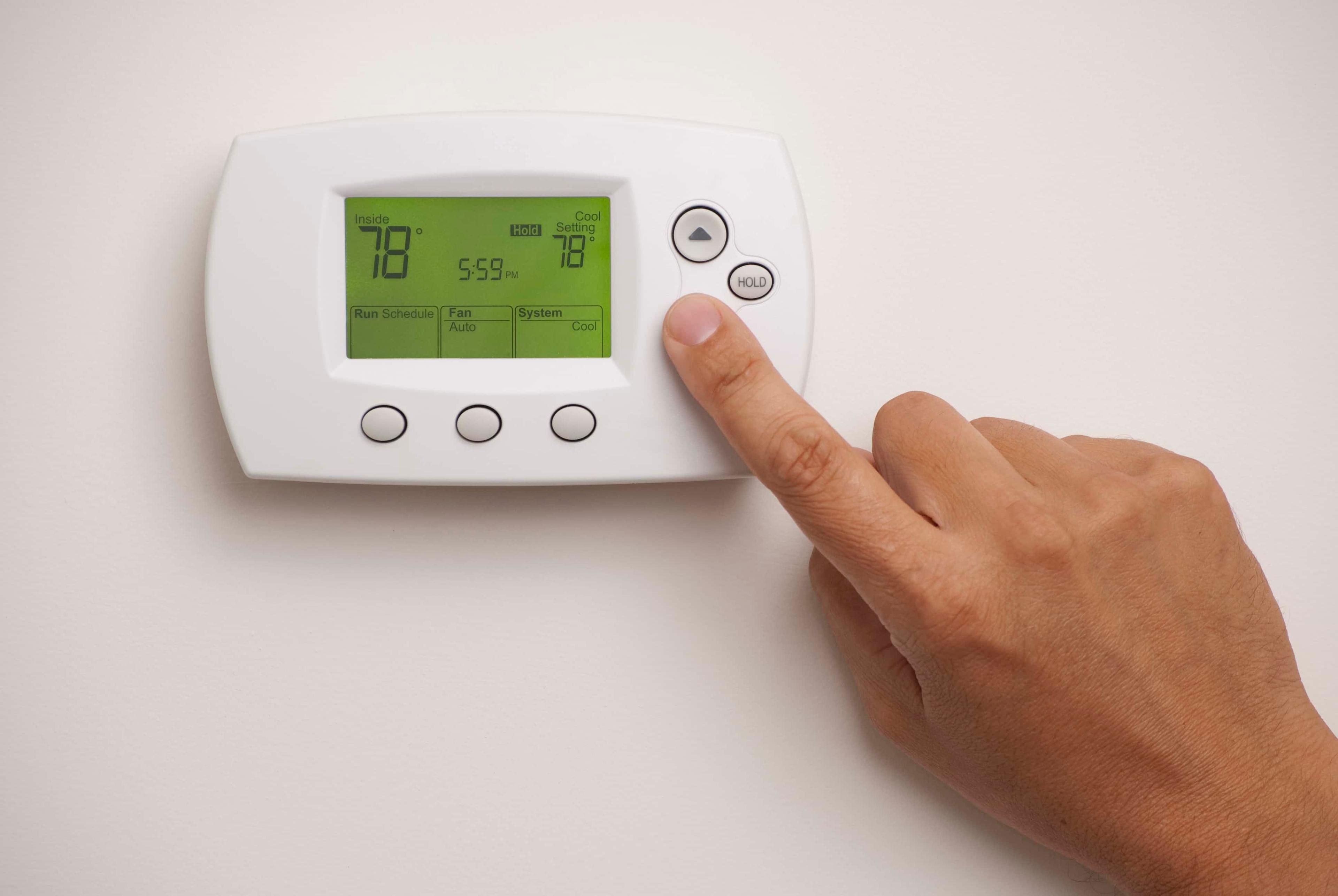
When you can't afford to properly heat or cool your home, you may be faced with some dangerous choices. But you should know there are several benefits programs that offer help with their energy assistance needs.
What types of energy assistance are available for older adults?
See below for federal and state programs that help eligible households with their utility costs.
Low-Income Home Energy Assistance Program (LIHEAP)
LIHEAP is a federally funded program that provides grants to states, territories, the District of Columbia, and tribes to help qualified people with their home heating and cooling costs.
In addition to assistance with energy bills, some funds are available to make improvements to homes and apartments to make them more energy efficient and reduce heating bills. Each state has different qualifications for their LIHEAP program and different application processes.
Who is eligible for LIHEAP? LIHEAP is designed for people with low income who are struggling to afford their utility bills. But qualifying does not mean you’ll get help. A set amount of funding is available each year, and when it runs out, no more assistance is available until the following year. That’s why it’s important to apply as soon as you find out you’re eligible.
- Find your state’s LIHEAP program
- Learn more about LIHEAP eligibility
- Use LIHEAP’s eligibility checker tool
Weatherization Assistance Program (WAP)
WAP helps low-income families permanently reduce their energy bills by making their homes more energy efficient. Assistance is available regardless of whether a person owns or rents, lives in a single-family home, multi-family housing complex, or a mobile home.
The U.S. Department of Energy provides funding to states, U.S. overseas territories, and Indian tribal governments, which manage the day-to-day details of the program.
Who is eligible for WAP? The primary factor in WAP eligibility is how much income you earn. Households that earn up to 200% of the federal poverty guidelines or receive Supplemental Security Income (SSI) qualify for help. The first step is to contact your state weatherization administrator. Some sites link directly to an online WAP application, while others require you to choose an approved local weatherization agency and apply through them.
Emergency Assistance
Many states also offer emergency assistance to help low-income adults keep their utilities on. One example is the Good Neighbor Energy Fund in Massachusetts and Rhode Island. The Salvation Army also offers emergency energy assistance nationwide through local Salvation Army Corps Community Centers.
To find out what programs may be available in your area, contact the National Energy Assistance Referral project at 1-866-674-6327 or 1-866-367-6228 for relay services. You can also email the project at energyassistance@ncat.org.
In your email, include the following information:
- Your city
- Your county
- Your state
Who is eligible for Emergency Assistance? Emergency utility assistance is generally available if you have a low income, are going through a temporary financial hardship, or have health or age-related needs. But each program will have its own specific requirements.
Where else can I find help with my home utility bills?
Some states, energy companies, and localities offer other forms of home energy assistance for seniors and other vulnerable populations. Check to see what's available in your state.
See if you qualify for other money-saving programs
BenefitsCheckUp is a free, easy-to-use online tool where you can browse benefit programs, including energy assistance programs, and find out if you qualify. Visit BenefitsCheckUp.org and enter your ZIP code to get started.
Source
1. Climate Central. 2025 in Review: U.S. Temperatures. January 13, 2026. Found on the internet at https://www.climatecentral.org/climate-matters/2025-in-review-us-temperatures
Get Help Paying for Food, Medicine, and More
Millions of older adults miss out on money-saving benefits simply because they don't apply. Start today by answering a few questions to see if you qualify, and learn how to get help to apply