

Related Topics
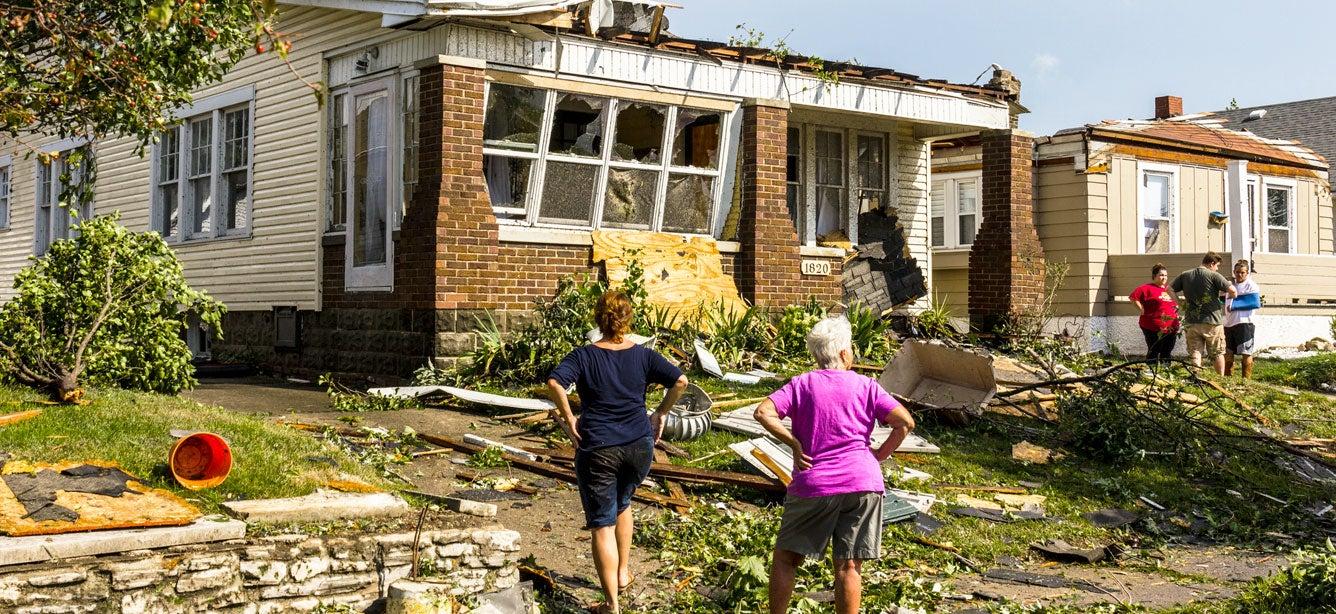
Disasters are stressful for anyone—particularly older adults. Beyond any physical and psychological effects, those of us who experience disaster face higher risk for economic hardship.
“There are many reasons for this,” explained Jennifer Teague, NCOA Director for Health Coverage and Benefits. “The costs for everything from hazard insurance to health care to professional services and more already are high—and when an unexpected event damages our homes and belongings and displaces us from communities and doctors, it can be challenging to absorb the expense. This is especially true for people whose incomes are low or fixed.”
Below, find detailed information on six initiatives that provide relief.
What programs offer disaster relief for older adults?
Consult the chart below to find the type of assistance you need, what programs are available, and how and where to find more information.
Post Disaster Relief ProgramsInfo At-A-Glance | |||
|---|---|---|---|
| Type | Program Name | What you get | Who to contact |
| Food | D-SNAP |
| Your local SNAP office |
| Traditional SNAP |
| Your local SNAP office | |
| Tax relief | IRS Disaster Assistance and Emergency Relief |
| You local IRS office |
| Shelter | Transitional Sheltering Assistance |
| FEMA (register here) |
| Direct housing |
| FEMA (apply here) | |
| Home energy | LIHEAP Disaster Relief |
| Your state LIHEAP office |
| Loans | SBA Disaster Assistance |
| SBA disaster recovery page |
What disaster programs are available for older adults?
Let’s explore the above in more detail.
1. Nutrition assistance
Supplemental Nutrition Assistance Program (SNAP) can provide valuable help. For those already part of the program, extra funds or some benefits could be replaced. EBT cards may be allowed temporary use for foods or meals not typically covered through Disaster Supplemental Nutrition Assistance Program (D-SNAP). This program provides emergency food benefits to states declared a disaster area by the president. Find more information on D-SNAP and when it might be available at DisasterAssistance.gov.
2. Tax relief
The IRS has a specific Disaster Assistance and Emergency Relief Program, which offers tax counseling and assistance in the wake of a disaster. Special tax law provisions are available to help those who live in certain states that have been affected, particularly those locations declared a major disaster area.
Visit IRS.gov’s tax relief assistance page to view more details on the program and see a list of currently eligible areas. You can also contact a local tax office for more information on Property Tax Relief, which may be available depending on the circumstances.
3. Shelter assistance
The Federal Emergency Management Agency (FEMA) offers assistance with home loss or damage through the Transitional Sheltering Assistance (TSA) program. The TSA program temporarily helps pay for the cost of a hotel room for those looking for long-term housing.
To search for a participating hotel, you must first register with FEMA either online, by phone, or in FEMA’s mobile app. Instructions for registration are available here. After registering, enter your registration number in the search bar on the FEMA Evacuee Hotel List to find a place to stay.
4. FEMA direct housing
In select situations, FEMA may offer more direct housing options for those impacted by a disaster, such as leasing multi-family rental properties or even building new constructions. These options can provide more extensive housing services than the TSA program does.
To find out if direct housing might be available to you, apply for FEMA assistance.
5. Energy assistance
Low Income Home Energy Assistance Program (LIHEAP) Disaster Relief is a program available in some areas to help pay for energy needs and energy-related home repairs or installations.
To find out about individual programs, contact your state's Department of Human Services (DHS) by clicking on your state on this map. Your local community action agency or area agency on aging (AAA) may also have helpful information.
6. Disaster loans
Low-interest disaster loans help rebuild and replace homes and businesses damaged or destroyed in a declared disaster. Find more information on the U.S. Small Business Administration's disaster assistance page.
How to find the help you qualify for
Get help finding benefit programs that offer cash assistance and other help by visiting BenefitsCheckUp.org. After answering a few questions, a list of benefit programs may include options that will pay for medications, food, utilities, and other helpful expenses. Also provided are program guidelines, websites, online application forms (if available), paper applications in various languages (if available), and other resources.
Learn about assistance programs, apply, and check the status of an application at DisasterAssistance.gov.
Get Help Paying for Food, Medicine, and More
Millions of older adults miss out on money-saving benefits simply because they don't apply. Start today by answering a few questions to see if you qualify, and learn how to get help to apply