
Flu Recovery After 65: Why It Can Take Longer—and How to Protect Yourself
7 min read
Related Topics
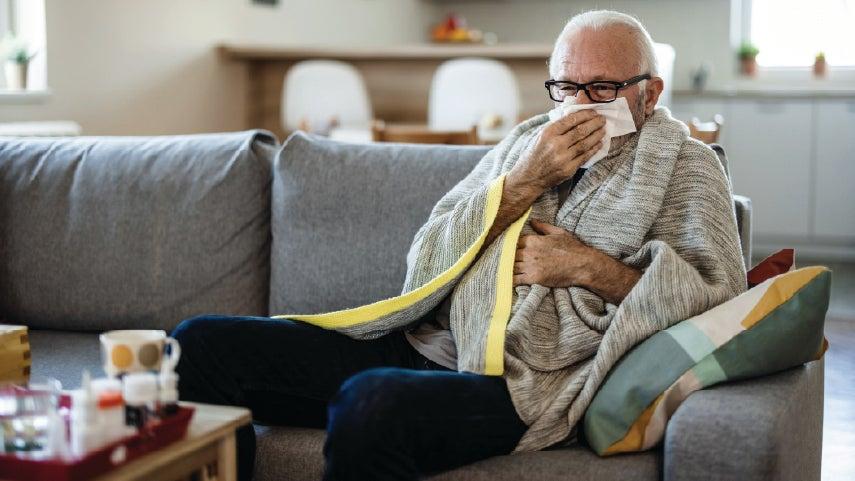
From the crushing fatigue to aching muscles, the flu can be a downright miserable experience. This seasonal menace can come on like a freight train and knock you right off your feet for days—even weeks. And if you’re age 65+, feeling better and getting back to your usual routine may not happen as quickly as you’d like.
Do older adults take longer to recover from the flu?
Often, the answer is yes. With age, the body’s response to the flu changes, making illness more intense and recovery slower than it was earlier in life.
Here’s a look at two key factors that affect flu severity in older adults:
- Weaker immune response: Over time, our immune system naturally becomes less efficient at fighting off infections—a process called immunosenescence. A biological mechanism called inflammaging may develop. This form of chronic, low-grade inflammation is believed to increase the risk of serious health conditions over time.
- Chronic conditions: Many older adults live with chronic health issues like heart disease, diabetes, asthma, and kidney disease. These conditions increase the risk of serious flu illness. For example, since people with asthma or chronic obstructive pulmonary disease (COPD) have sensitive airways, their symptoms may worsen due to inflammation caused by the flu.
Older adults aren’t only more likely to catch the flu from someone else; they’re also more prone to developing secondary medical conditions and face a lengthy recovery. In recent years, people age 65+ have shouldered the biggest burden of severe flu illness, accounting for roughly 70% to 85% of flu-related deaths and about half to two-thirds of flu-related hospitalizations.1
“[The flu is] not just sniffles or cold-like symptoms. It can turn into pneumonia or an even more severe illness for older adults that can lead to hospitalization and, unfortunately, sometimes their demise,” physician Leslie Ramirez, MD told the Cedars-Sinai Newsroom.
What are common flu complications for seniors?
How bad is the flu for older people? In those age 65+, flu complications can be severe and life-threatening, often requiring hospitalization.
Common complications include:
- Pneumonia: One of the most common and dangerous flu-related complications in older adults, pneumonia is a secondary infection that causes inflammation and fluid buildup in the lungs’ air sacs (alveoli). This makes it harder for the body to get enough oxygen. Pneumonia often requires hospitalization, leading to an extended recovery.
- Heart inflammation (myocarditis): The flu can strain the heart and, in rare cases, cause inflammation of the heart muscle. This may worsen existing heart disease and increase the risk of heart attack or heart failure. According to the National Foundation for Infectious Disease, for people age 65+, the risk of heart attack is 3 to 5 times higher during the first two weeks of flu illness—and the risk of stroke is 2 to 3 times higher. Even after recovery, this risk can stay elevated for months, helping to explain why flu-related death rates are about 6 times higher for people in this age group.2
- Sepsis: This is a serious condition that happens when the body has an extreme response to an infection. Instead of fighting the infection, the immune system goes into overdrive, causing widespread damage that can lead to respiratory failure or multi-organ failure. Sepsis is a life-threatening medical emergency that requires immediate attention.
Even when major health setbacks don’t occur, flu recovery can still take a toll on an older person. Days or weeks of illness and bed rest can lead to physical decline that includes muscle weakness, reduced strength and stamina, and loss of balance. This puts a person at risk for falls and can compromise their ability to perform normal daily activities—like walking up and down stairs, bathing, or getting dressed.
“If they’ve been in the hospital for a while, when they return home, they can struggle getting in and out of bed, getting to the bathroom or sitting down and standing up,” Ramirez explained. “It complicates their care and increases the burden on the family members trying to help them.”
5 flu recovery tips for older adults
What happens once you do get a positive flu test? Taking the right steps early, like these below, can help lower your risk of complications and support your recovery:
1. Ask about antivirals as soon as possible
Antiviral medications (e.g.,Tamiflu®) work best when started right away, ideally within the first 48 hours of flu symptoms. These medications can shorten the length of illness and reduce the risk of severe disease, especially for older adults. If you think you may have the flu, don’t wait it out—call your health care provider immediately.
2. Rest and stay well-hydrated
Rest is not optional when recovering from the flu; it’s critically important. Your body needs energy to fight off the infection and heal. You should also drink plenty of water, herbal tea, or electrolyte beverages throughout the day to prevent dehydration, which can worsen flu-related fatigue and headaches. Staying hydrated also helps thin out mucus and ease congestion symptoms.
3. Eat well, even if your appetite is low
When you’re sick, eating may be the last thing you feel like doing. But nourishing your body helps it better fight infection and maintain strength. Try to include:
- Fresh, colorful fruits and vegetables
- Lean protein (aim for 1 - 1.2 g/kg/day if you're 65+)
- Foods with minerals like selenium and zinc (e.g., meat and nuts)
- Foods with antioxidants like glutathione (e.g., broccoli, kale)
- Soups and stews that are easy to digest
If you're dealing with an upset stomach, choose bland fare like toast, rice, applesauce, and low-fat dairy products.
4. Gently rebuild your strength with movement
Once you’ve been fever-free for 24-48 hours (without the use of fever-reducing medicines) and your flu symptoms have eased, gentle exercise can help you build back your strength and stamina. Start slowly with short walks, yoga, or light stretching. Listen to your body’s signals (like extreme fatigue) and avoid pushing yourself too hard.
5. Consider physical therapy if recovery is slow
If you’re struggling to resume normal daily tasks after a prolonged bout of the flu, physical therapy may be something worth exploring. A physical therapist can help you safely rebuild your strength, endurance, and independence.
How can older adults avoid the flu?
While it’s nearly impossible to dodge every virus making the rounds, there are steps you can take to lower your risk. Everyday flu prevention habits go a long way. This means washing your hands frequently, avoiding close contact with people who are sick (yes, even your grandkids!), wearing a mask when appropriate, and avoiding crowded indoor spaces during peak flu season.
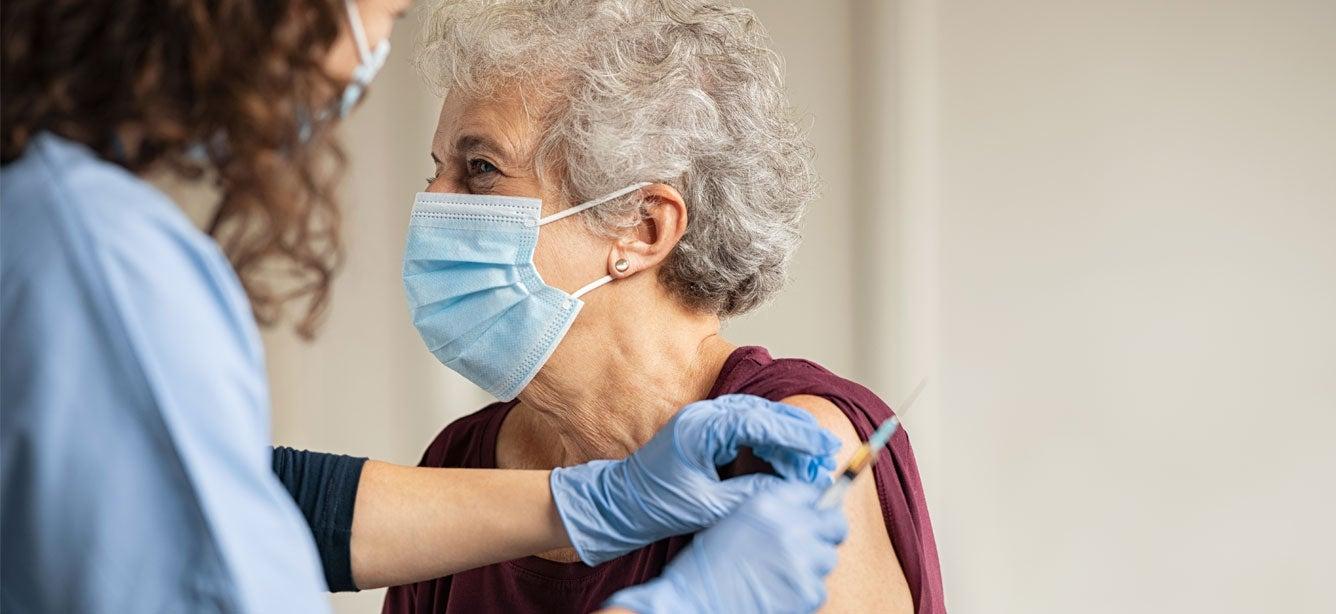
Even more important is getting your annual flu shot. “While flu vaccines don't guarantee we won't get sick, they do help lower the risk of severe illness, hospitalization, and complications, especially for older adults,” said Dorothea Vafiadis, Senior Director of NCOA's Center for Healthy Aging. “This is protection worth having.”
CDC recommends that almost everyone six months and older get a seasonal flu vaccine every year, ideally by the end of October. But as long as flu viruses are circulating, vaccination may continue into January or later.
What other vaccines should older adults get?
If you’re age 50+, consider these Medicare-covered vaccines to guard against harmful winter (and year-round) viruses:
- COVID vaccine: Between July 2024 and June 2025, COVID deaths were highest among adults age 65+, with rates rising significantly among those 75 and older.3 A 2025-2026 updated COVID vaccine is now available—and it’s the single best way to protect yourself and those you care about from severe COVID disease, hospitalization, and death. For everyone age 6 months and older, vaccination against COVID is considered an individual decision to be made with a health care provider.
- Pneumococcal vaccine: Streptococcus pneumoniae (pneumococcus) is the most common bacterial cause of pneumonia. Since bacterial pneumonia is a common flu complication, getting your pneumococcal vaccine adds another layer of protection. CDC recommends pneumococcal vaccination for adults 50 or older.
- RSV vaccine: RSV can cause serious illness in older adults, especially those over 60 or with underlying health conditions. Like with the flu shot, getting the RSV vaccine helps reduce the risk of serious complications. An RSV vaccine is recommended by CDC for all adults ages 75 and older and those age 50–74 who are at increased risk for severe RSV.
Together, these immunizations create a powerful shield of protection during cold and flu season. Staying up to date doesn’t just reduce your risk of hospitalization—it can also mean a faster, easier recovery if you do get sick.
If you have questions about vaccines or flu prevention, talk with your health care provider or visit our Vaccine Information and Resources page. A little preparation now can help you stay healthier—and get back on your feet faster—through flu season and beyond.
Sources
1. Centers for Disease Control and Prevention. Flu & People 65 Years and Older. Found on the internet at https://www.cdc.gov/flu/highrisk/65over.htm
2. National Foundation for Infectious Diseases. Flu and Older Adults. Found on the internet at https://www.nfid.org/infectious-diseases/flu-and-older-adults/
3. CDC National Center for Immunization and Respiratory Diseases. Current Epidemiology of COVID-19. June 25, 2025.
Is It Flu or COVID?
While flu and COVID-19 share many similarities, they are distinct illnesses with different causes, complications, and treatments.