
Related Topics
Food insecurity is a serious challenge today, impacting about 7.4 million older Americans in 20231 and raising their risk for poor nutrition and health problems. The Supplemental Nutrition Assistance Program (SNAP) supports better physical and mental well-being by making it easier to afford nutritious food. For older adults, this can play an important role in staying healthy and independent.
As the nation's largest nutrition assistance program, SNAP helps about 7 million2 seniors put nourishing, delicious food on the table. Below are seven ways SNAP can help improve your health and quality of life.
What are some of the health benefits of SNAP?
1. SNAP provides access to fresh produce and other healthy foods you might otherwise not be able to afford
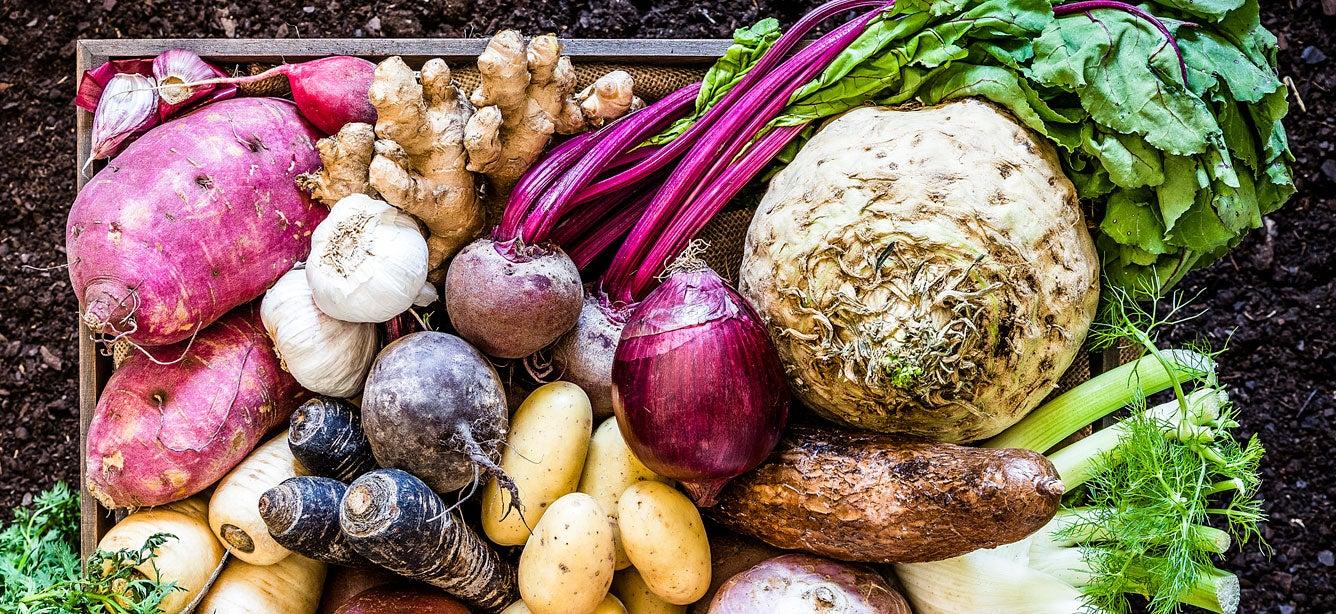
Since 1980, the Dietary Guidelines for Americans have provided science-based advice on what we should eat and drink to meet daily nutrient needs. According to the latest guidelines, older adults should consume more fruit, vegetables, whole grains, and dairy in order to support healthy aging.
The average SNAP benefit for a one-person senior household is $188 per month, or $2,256 per year.3 These are extra funds you could use to add more nutritious food to your diet.
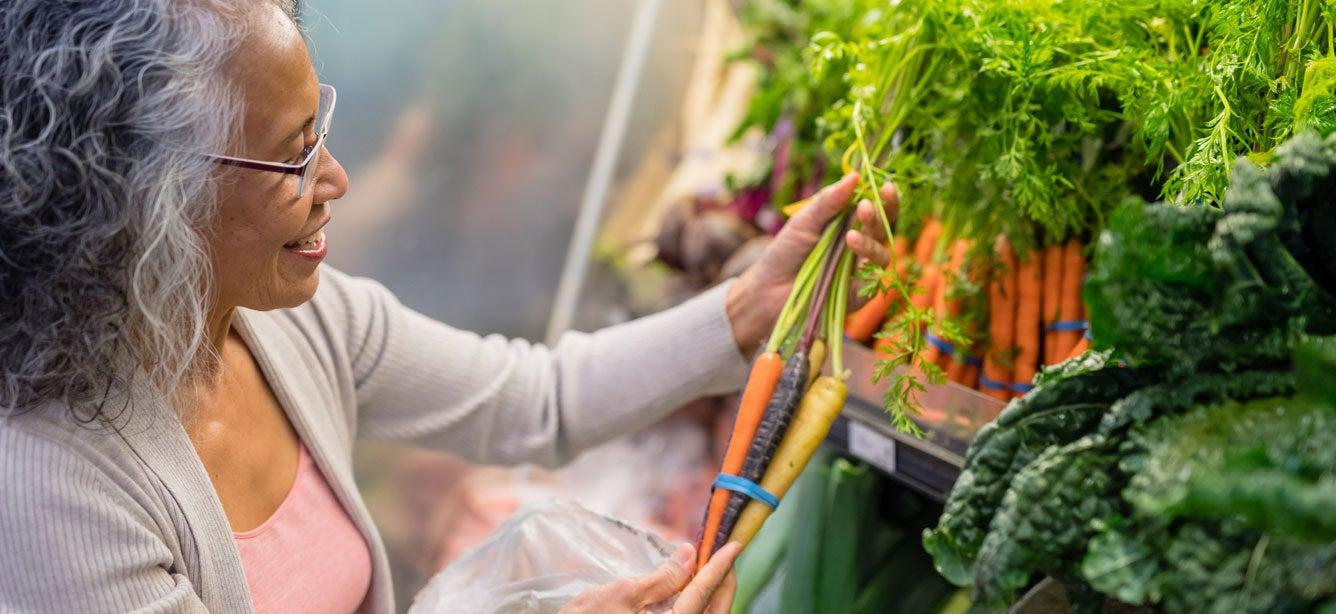
Ms. Vang, a 69-year-old from Minneapolis, credits food benefits like SNAP for helping her to eat healthier while living with high blood pressure and diabetes. “Now I can buy more healthy foods such as fresh vegetables and fruits which I normally couldn’t afford,” Vang told her Benefits Enrollment Center advocate, who helped her enroll into the program.
What can SNAP benefits be used for? A SNAP EBT card can be presented at grocery and convenience stores to buy fruits and vegetables, meats, poultry, fish, breads, cereals, dairy products, and non-alcoholic beverages. SNAP benefits can even be used at participating local farmers markets, which lets you buy some of the freshest, most delicious produce available.
2. SNAP can help prevent chronic disease
Not getting enough of the right nutrients puts people at risk for developing (or making worse) chronic health conditions such as obesity, diabetes, asthma, high blood pressure, and congestive heart failure. In addition, the financial stress related to ongoing food insecurity is thought to contribute to a more rapid onset or progression of chronic disease.4
Food insecurity has also been linked to a greater likelihood of infectious diseases, poor oral health, mental health disorders, hypertension, and arthritis. By adding more nutrient-dense foods to your diet using SNAP benefits, you could reduce our risk of debilitating health problems that compromise quality of life.
3. SNAP can help reduce the risk of falls
Each year, more than 3 million older adults sustain injuries by falling. Many falls are caused by frailty and vitamin D deficiency—both linked to food insecurity and poor nutrient intake. Addressing food insecurity through programs like SNAP may help reduce fall rates among our age group.
4. SNAP can help us continue to live independently
In addition to reducing falls that lead to hospital visits, a balanced diet can also help maintain the strength and mobility needed to take better care yourself—empowering you to age in place and keep leading an active and independent life. Having access to enough food for a nutritious diet can help you better recovery from surgery and injuries as well. It even plays a role in how fast wounds heal.
Ms. W., age 63, is a real-life example of SNAP's impact. As a result of severe health issues, she is no longer able to work or drive. She's using the little savings she has for health care expenses, and there's not much left to buy food each month. Thankfully, SNAP assistance has made it easier for Ms. W. to stock her fridge.
"Before, I was having just one meal a day," Ms. W told NCOA. "Now I'm able to get the food I need."
5. SNAP can make it easier to take our medications as directed
If older adults are food insecure, they may be tempted to cut costs in other areas in order to afford groceries. This might mean skipping doses of prescribed medications, delaying refills, or even cutting doses in half. SNAP provides critical assistance that makes food more affordable, leaving extra money for to put toward medications, medical care, and other health-promoting activities.4 One study found that SNAP participation may help older adults with diabetes stick to their treatment regimens.5
6. SNAP may help improve health care outcomes
SNAP enrollment is associated with fewer emergency room visits, hospital stays, and long-term care admissions.4
7. SNAP contributes to lower health care costs
High health care costs affect everyone—particularly those with low incomes. Poor diets contribute to nearly 20% of U.S. health care costs stemming from chronic conditions like diabetes and heart disease. This equates to approximately $50 billion each year.6
The study mentioned above found that SNAP participation can help lower Medicaid costs. The improved health care outcomes resulting from SNAP assistance translated into an estimated $1,400 reduction in annual per-person health care spending. Another study linked SNAP participation with shorter, less expensive hospital stays.7
Where can I learn more about SNAP?
Use NCOA’s BenefitsCheckUp to find out more about SNAP and other benefits programs that can help you afford food, housing, utilities, prescription medicines, health care, and other essentials.
Nationally, only 38% of eligible adults age 65 and older participated in SNAP in 2023, which translates into 9.1 million eligible older adults missing out on vital food assistance.8 Could you be one of them? Visit BenefitsCheckUp and enter your ZIP code to get started.
Sources
1. A. Dewey et al. Map the Meal Gap” A Report of Local Food Insecurity and Food Costs in the United States in 2023. Feeding America. May 2025. Found on the internet at https://www.feedingamerica.org/sites/default/files/2025-05/Map%20the%20Meal%20Gap%202025%20Report.pdf
2. USDA. Characteristics of Supplemental Nutrition Assistance Program Households: Fiscal Year 2024. Found on the internet at https://fns-prod.azureedge.us/sites/default/files/resource-files/snap-FY23-Characteristics-Report.pdf
3. Center on Budget and Policy Priorities. A Quick Guide to SNAP Eligibility and Benefits. Updated October 3, 2025. Found on the internet at https://www.cbpp.org/research/food-assistance/a-quick-guide-to-snap-eligibility-and-benefits
4. Steven Carlson and Brynne Keith-Jennings. SNAP is Linked with Improved Nutritional Outcomes and Lower Health Care Costs. Center for Budget and Policy Priorities. Jan. 17, 2018. Found on the internet at https://www.cbpp.org/research/food-assistance/snap-is-linked-with-improved-nutritional-outcomes-and-lower-health-care
5. Jennifer A. Pooler and Mithuna Srinivasan. Association Between Supplemental Nutrition Assistance Program Participation and Cost-Related Medication Nonadherence Among Older Adults With Diabetes. JAMA Internal Medicine. January 2019. Found on the internet at https://www.ncbi.nlm.nih.gov/pmc/articles/PMC6583428/
6. Harvard T.H. Chan School of Public Health. Poor diets linked to $50 billion in U.S. health care costs. December 2019. Found on the internet at https://www.hsph.harvard.edu/news/hsph-in-the-news/poor-diets-health-care-costs/
7. Laura J. Samuel, et al. Does the Supplemental Nutrition Assistance Program Affect Hospital Utilization Among Older Adults? The Case of Maryland. Population Health Management. April 2018. Found on the internet at https://www.ncbi.nlm.nih.gov/pmc/articles/PMC5906726
8. National Council on Aging. Estimation of National, State, and Substate Program Participation Rates for Adults 65 and Older. March 2026. Found on the internet at https://assets.ncoa.org/ffacfe7d-10b6-0083-2632-604077fd4eca/3462824a-d7e9-4ddb-a936-7c2172599005/Estimated_Program_Participation_Rates_for_Adults_65_and_Older_2023.pdf
Need Help Paying for Food?
Millions of older adults are eligible for food assistance from SNAP but often don't apply. Use NCOA's tool to find out if you're eligible and get help paying for groceries.