
Related Topics
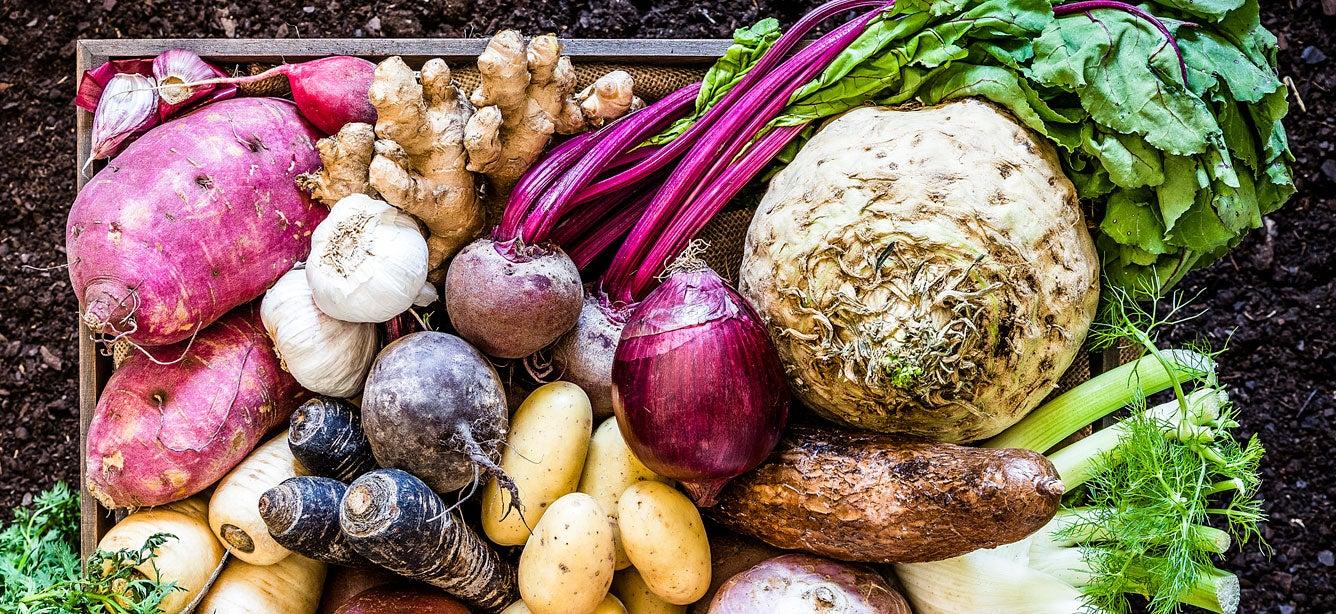
Thousands of farmers markets across the U.S. accept Supplemental Nutrition Assistance Program (SNAP) benefits through Electronic Benefits Transfer (EBT) cards, making it easier to buy fresh, nutritious food close to home. Many also offer matching programs that stretch your SNAP dollars, helping you take home even more fruits, vegetables, and other eligible foods.
Shopping at farmers markets is a great way to enjoy nutritious, locally grown foods while supporting local farmers and businesses. Some markets even offer extra incentives that can help your food budget go further.
How can I find a farmers market that accepts SNAP?
- First, visit the National Farmers Market Directory to find one near you.
- Type your location (city and state, or ZIP code) into the top box.
- Click on "+" in the bottom right corner to open More Filters.
- Scroll down to Accepted Food and Nutrition Assistance Programs and choose "SNAP" in the drop-down box.
Next, don't let lack of transportation get in the way. Check out our guide to finding and scheduling rides, or use NCOA's free BenefitsCheckUp® tool to explore transportation assistance programs and other benefits available in your area.
Finally, keep reading to learn everything you need to know about using your SNAP benefits and EBT card at the farmers market.
What can I buy with SNAP benefits?
At farmers markets, you can buy lots of things.
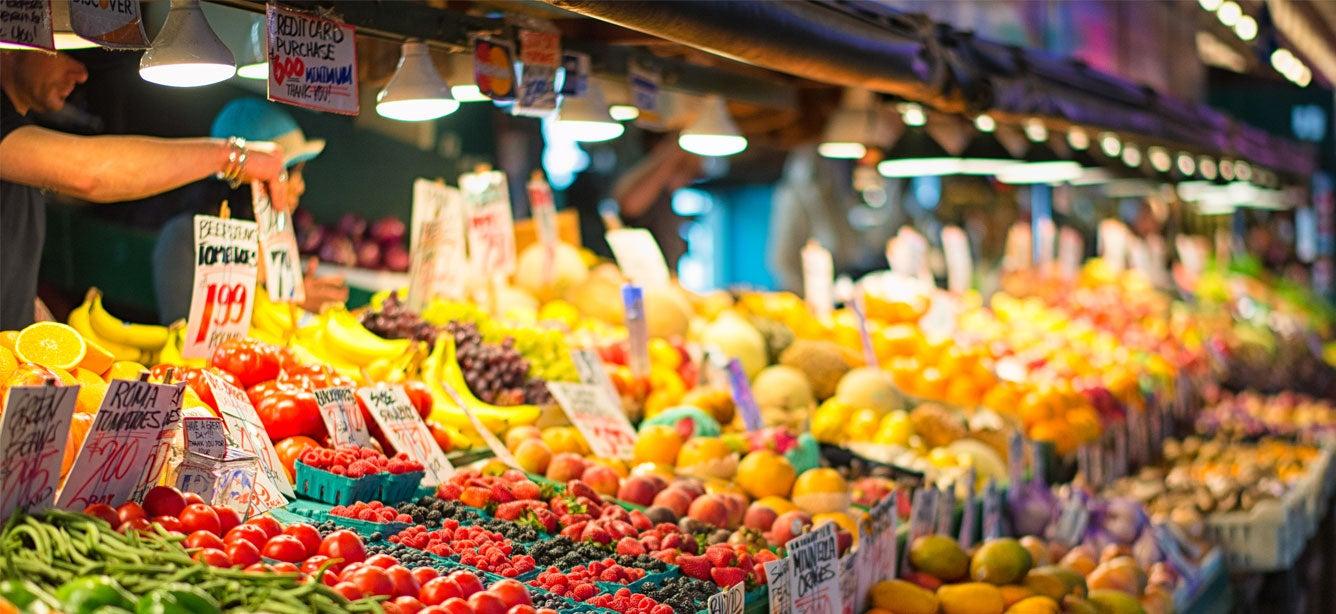
For example, if you were to visit FRESHFARM Markets in the Washington, D.C. metro area, you would find vendors selling everything from fresh meats, poultry, and fruits, and vegetables to bread, handmade pasta, cheese, and more. And you could purchase most of them with your SNAP Electronic Benefits Transfer (EBT) card.
That said, there are a few exceptions. Things like fresh flowers, hot prepared meals, and handmade soap don’t qualify under SNAP rules. Neither do beer, wine, or liquor—something that local producers often showcase at farmers markets. And a new SNAP Food Restriction Waivers provision allows participating states to take some foods off their SNAP eligibility list. Depending on where you live, things like sodas and some baked goods may no longer be covered by EBT. This is true whether you shop at the farmers market or in the grocery store.
Check out our comprehensive guide to what you can buy with SNAP for updated info.
How do you make purchases using SNAP at farmers markets?
Each farmers market might handle this a little differently. The best way to learn how yours works is to visit the information table or tent when you first arrive. (You might see a sign saying “Market Manager”). Explain that you’d like to use your SNAP benefits to shop. Most likely, the person helping you will describe one of the below ways to do it:
- Convert your SNAP dollars into tokens: You’ll choose an amount you want to spend, and the person will swipe your EBT card and give you tokens in exchange (also referred to as scrip).1 You’ll typically receive one token for every SNAP dollar.1 The tokens never expire—so don’t worry if you end up taking out too many—but you can’t turn them back in for cash or a refund to your EBT card.1
- Collect and turn in receipts: You’ll shop first, choosing the items you want to buy. Instead of paying vendors with your EBT card, however, you’ll ask them to set the items aside and give you a receipt.2 Once you’re done shopping, you’ll take all of your receipts back to the information booth. There, someone will add them up tell you the total amount. You’ll use your EBT to pay. Then, you’ll go collect your items.
- Pay at the stand: Just as you would in the grocery store, you can swipe your EBT card directly.3 Not all vendors, or all farmers markets, are set up to do this—but it’s becoming more common.
How to double your SNAP dollars at farmers markets
Depending on the individual market, there are a few possible ways to multiply your money. These include:
- “Matching” incentive programs: Some farmers markets will match every dollar you spend, up to a set dollar amount.4 For example, you may be able to take home $20 worth of goods for only $10 of your own SNAP dollars. Not all farmers markets participate in a matching program, so contact one near you first to see if they offer this. You can also visit The Center for Agriculture & Food Systems web page and click on States Double SNAP at Farmers Market Programs for a list of states that offer dollar match incentive programs.
- Double Up Food Bucks™: Double Up Food Bucks matches every SNAP dollar you spend on fresh vegetables and fruit. The independent nonprofit Fair Food Network funds this program, which now is available in 25 states. If yours is one of them, and you receive SNAP benefits, you automatically are eligible to participate. Find your state on the drop-down menu to learn more.
How to stretch your SNAP benefits at farmers markets
Groceries are expensive, and stubborn inflation makes it hard to manage other daily costs. Maximizing your SNAP benefits, and stretching your food dollars further, can help ease some of the burden.
One way to make the most of your grocery budget using SNAP is to plan your meals before you shop. Make a list of everything you need to prepare those meals, along with other essentials like healthy snacks. With a list handy you won’t forget to buy something—and it will keep you from buying items you don’t need.
There are other strategies you can try, too. These include checking whether you’re eligible for other food assistance programs; looking into deductions that could boost your SNAP benefit; and even “saving up” your SNAP dollars. Check out How to Maximize Your Food Benefits for more information.
What is SNAP and how do I apply?
SNAP is a federal program that helps people buy the food they need to stay healthy. But NCOA's Benefits Participation Map shows that over 9 million older adults who are eligible for SNAP aren't enrolled.
"It's shocking and unacceptable to have nine million eligible older adults not enrolled in benefits that can make the difference between them affording food or health care each month," said Ramsey Alwin, NCOA President and CEO. "These individuals are struggling to afford basic necessities, and they are missing out on critical assistance."
One example is Pamela, age 70. She suffers from numerous health complications and can no longer work. Her only source of income is her small Social Security payment. After discovering she was SNAP-eligible, Pamela was relieved.
The past year has been so hard for me with my health and my finances," she told NCOA. "This will help my stress a little."
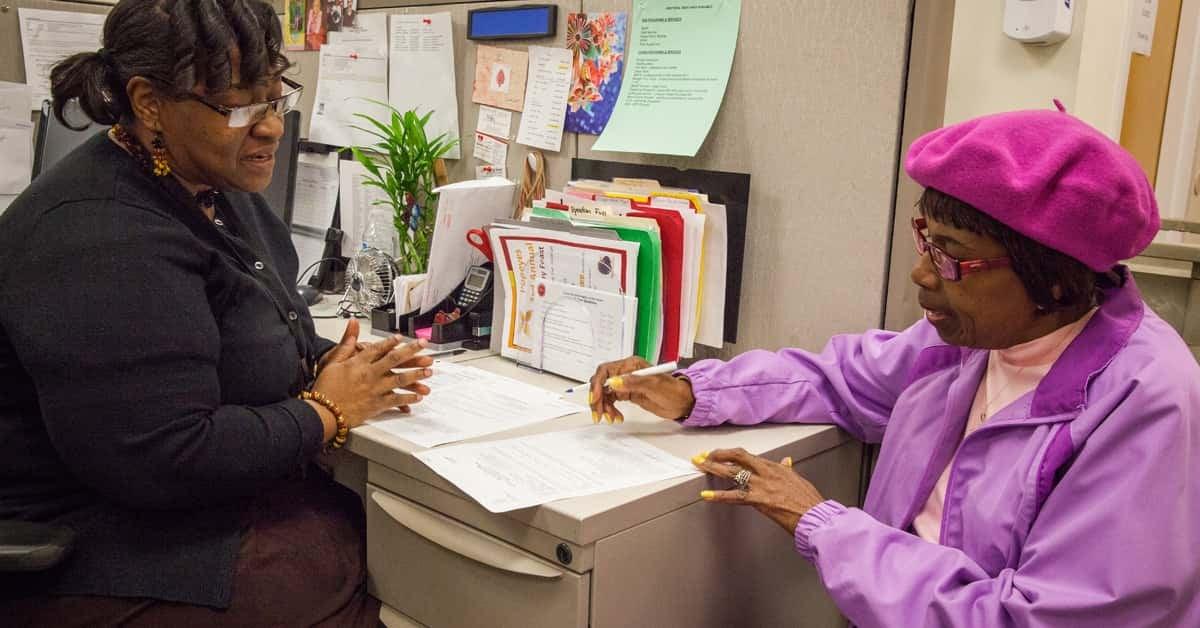
Could you qualify for SNAP? Start with NCOA’s BenefitsCheckUp,® our free online tool that connects you to benefits programs near you. Just enter your ZIP code to learn more about SNAP and find out how to apply online.
Sources
1. Center for Agriculture & Food Systems. Farmers Market Legal Toolkit: Equipment & Payment - How Market Scrip Systems Work. Found on the Internet at https://farmersmarketlegaltoolkit.org/snap/legal-topics/equipment-and-scrip/how-market-scrip-systems-work/
2. Center for Agriculture & Food Systems. Farmers Market Legal Toolkit: Equipment & Payment - Receipt System. Found on the Internet athttps://farmersmarketlegaltoolkit.org/snap/legal-topics/equipment-and-scrip/receipt-system/
3. Center for Agriculture & Food Systems. Farmers Market Legal Toolkit: Who Administers Benefits? - Vendor-Operated SNAP Systems. Found on the Internet athttps://farmersmarketlegaltoolkit.org/snap/legal-topics/who-administers/vendor-operated/
4. Center for Agriculture & Food Systems. Farmers Market Legal Toolkit: Incentives & Matching Programs. Found on the Internet athttps://farmersmarketlegaltoolkit.org/snap/legal-topics/incentives/
Need Help Paying for Food?
Millions of older adults are eligible for food assistance from SNAP but often don't apply. Use NCOA's tool to find out if you're eligible and get help paying for groceries.