The Best Probiotics for Women in 2026
Compare our picks for the best probiotics for women and learn how they support gut health and overall wellness.

- Seed DS-01 Daily Synbiotic is our Best Probiotic for Women. It contains 24 probiotic strains and uses a capsule-in-a-capsule design to help protect the probiotics as they travel to the digestive tract.
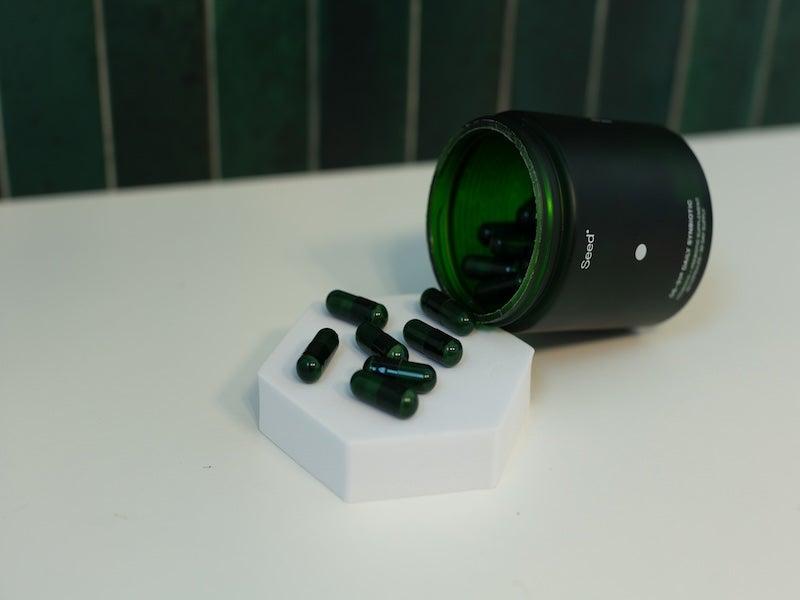
- Our testers found the Seed DS-01 Daily Synbiotic bottle easier to grip and open. They also reported no issues with swallowing the capsules.
- The probiotics on our list cost 33 cents–$3.97 per serving.
- Probiotics are “good" bacteria that primarily live in the digestive tract. They help support digestive health and gut immune function.
- Many people take probiotic supplements to help treat gut discomfort and irregular bowels. Certain probiotic strains can help manage conditions such as irritable bowel syndrome (IBS). Some probiotic strains can support immune health. Others can treat hormone-related vaginal changes and urinary tract infections.
NCOA supports everyone’s right to age well. So we take the time to research, test, and recommend products that can help you live a healthier life. We’ve spent more than 2,000 hours researching and testing supplements to give you the most accurate product reviews. To find the best health supplements, we:
- Consulted health specialists, including doctors and registered dietitians. Received guidance on choosing the best supplements
- Put more than 100 supplements through more than a dozen different tests at our in-house lab
- Mystery-shopped more than 20 brands
- Surveyed more than 250 older adults on their supplement use
- Interviewed experts on the nutritional needs of older adults
- Worked with older adult testers to evaluate supplements and get their opinions
- Read thousands of verified customer reviews
We’re constantly testing new supplements to give you the most accurate and up-to-date recommendations. Read more about our supplement review methodology.
Probiotics are helpful microbes that live primarily in our digestive tracts. These bacteria form a community with other microorganisms known as the gut microbiome. Together, they play an important role in supporting our immune systems and digestive health.1
As we get older, the types and amounts of bacteria in our gut may change. These changes can affect digestion and immune function. Hormonal changes during menopause may also affect the balance of bacteria in the gut and vagina. “As women age and move through menopause, changes in estrogen can affect the gut and vaginal microbiomes,” said Amy Goldsmith, RD, a registered dietitian and owner of Kindred Nutrition and Kinetics in Frederick, Maryland. “Emerging research suggests certain probiotics may benefit digestive and vaginal health.”
The best probiotic supplements for women may help support gut health and a more diverse microbiome. They may also manage constipation and irregular bowel movements. Research shows they may even help with certain menopause symptoms, such as vaginal dryness.2 But Goldsmith cautioned that taking probiotics might not be right for everyone. “This is not a one-size-fits-all recommendation. And I would always choose a probiotic based on symptoms.”
To find the best probiotics for women, we asked women age 50 and older to test top probiotic supplements. Our testers reported on taste, ease of use, and any side effects they experienced after taking them. In this review of the best probiotics for women, we'll also break down the costs and share expert advice from registered dietitians.
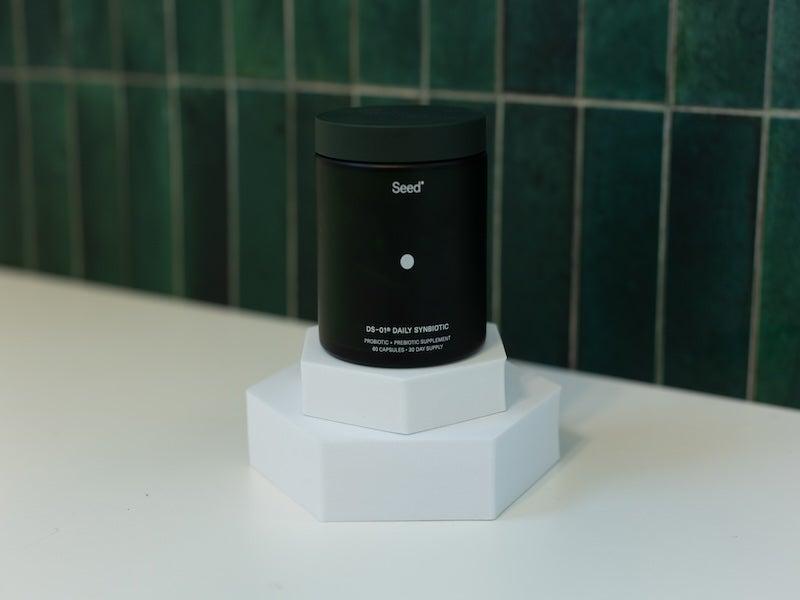
Seed DS-01 Daily Synbiotic
Portable bottle of user-friendly capsules
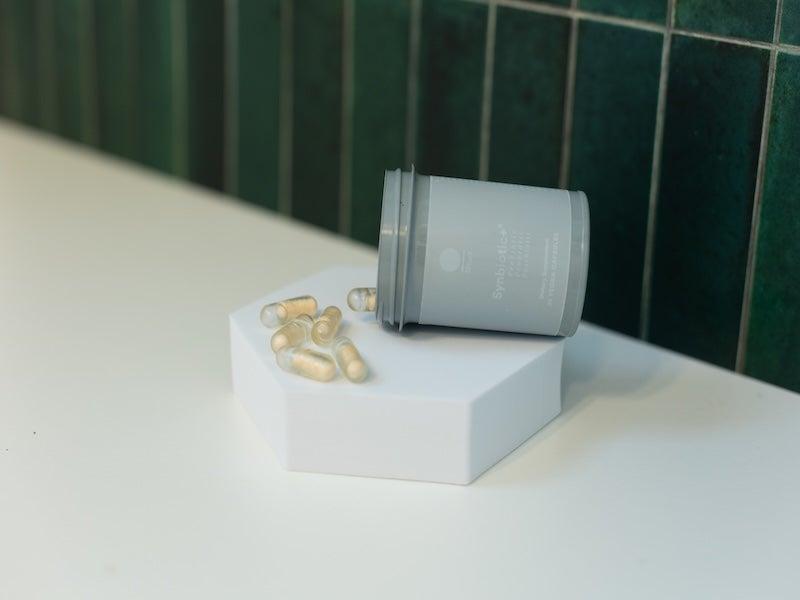
Ritual Synbiotic+
Immune-focused targeted probiotic
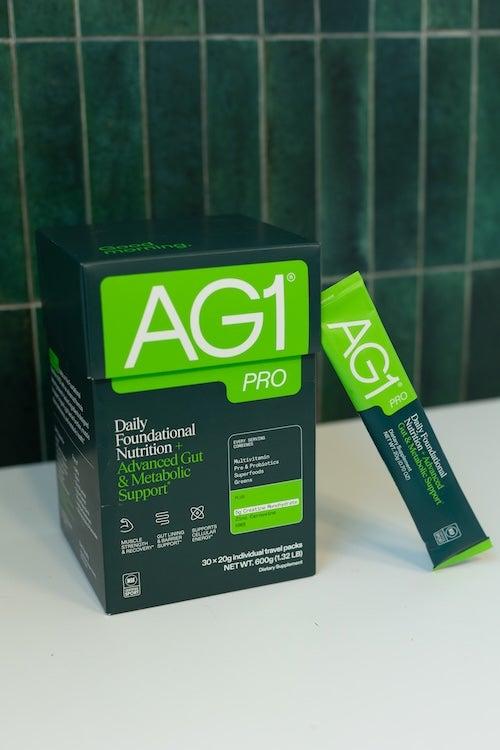
AG1 Pro
Nutrient-packed powder supplement
Best probiotic for women in 2026
- Seed DS-01 Daily Synbiotic: Best Probiotic for Women Overall
- Ritual Synbiotic+: Best Immune Support Probiotic for Women
- AG1 Pro: Best Nutritional Support Probiotic for Women
- VSL4 Gut: Best Probiotic for Bloating
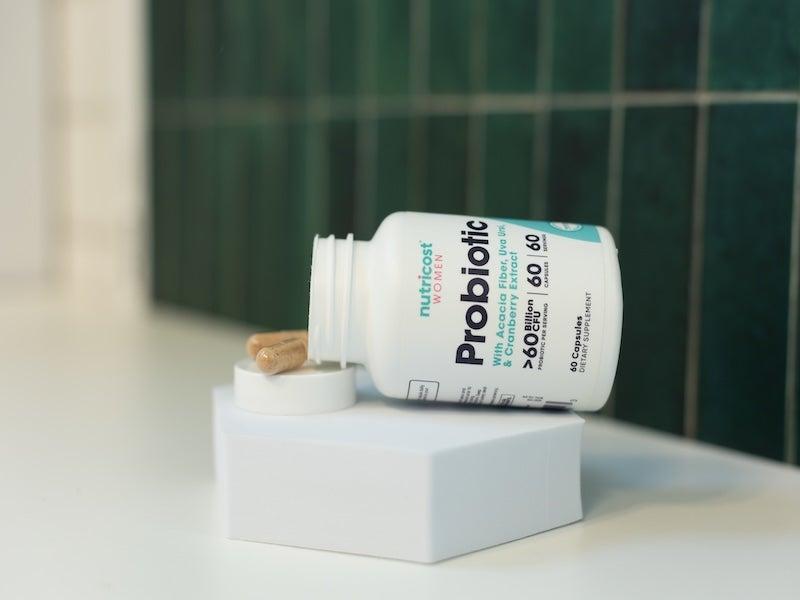
- Nutricost Probiotic for Women: Best Budget Probiotic for Women
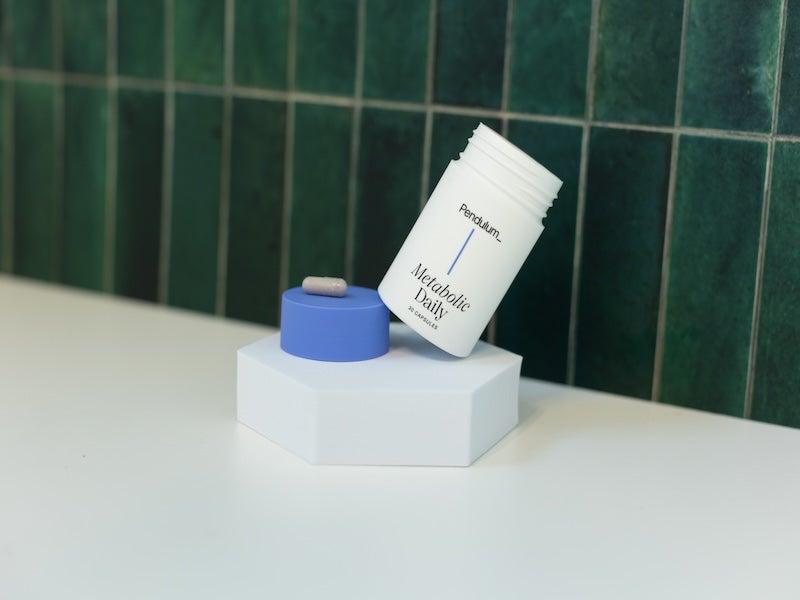
- Pendulum Metabolic Daily: Best Gut Health Probiotic for Women
The best probiotics for women in 2026 compared
| Comparison Features | ||||||
|---|---|---|---|---|---|---|
| Our rating (out of 10)* | 9.1 |
9.2 |
8.8 |
7.9 |
8.8 |
8.5 |
| Serving size | 2 capsules |
1 capsule |
1 packet |
1 capsule |
1 capsule |
1 capsule |
| Probiotic strains | 24 |
2 |
5 |
8 |
11 |
5 |
| Third-party testing lab | Undisclosed lab |
Clean Label Project, Ellipse Analytics |
NSF |
None reported |
Undisclosed lab |
Undisclosed lab |
| Best for (Superlative) | Overall |
Immune Support |
Nutritional Support |
Bloating |
Budget |
Gut Health |
*Ratings reflect a brand's overall offering; the best overall pick doesn't necessarily have the highest score
How we tested the best probiotics for women
Here are some of the things we considered when choosing the best probiotics for women:
Seed DS-01 Daily Synbiotic: Best Probiotic for Women Overall
Seed DS-01 Daily Synbiotic has 24 bacterial strains, the most of all the probiotics we tested. It combines probiotics with prebiotics, which help feed the beneficial bacteria in your gut. Our testers appreciated the sleek bottle, which they found easier to open and carry on the go.
- Eye-catching bottle impressed testers
- Combines a probiotic with a prebiotic
- Capsule-inside-a-capsule designed to release in your lower GI tract, not before
- Probiotic strains included: 24
- AFU count: 53.57 billion AFU
- Form: Capsule
- Other ingredients: Vegan capsule, rice fiber, rice extract
Pros
- Portable
- Large diversity of strains
- No preservatives
- Testers found swallowing to be smooth
Cons
- Two capsules per serving
- Doesn’t list bacterial measurements on label or packaging
- Not HSA eligible
- Pricey
Ritual Synbiotic+: Best Immune Support Probiotic for Women
Some probiotic supplements, like Seed's synbiotic, offer a wide range of probiotic types. But Ritual Synbiotic+ contains only two bacterial strains, focusing specifically on immune health. Testers appreciated the single-pill serving size and the supplement's slight mint taste. Ritual Synbiotic+ was third-party tested by Clean Label Project, earning its purity certification.
- Non-GMO Project Verified
- Targeted strain of probiotics to focus on immune support
- Testers loved the single-pill serving size
- Probiotic strains included: Two
- CFU count: 11 billion
- Form: Capsule
- Other ingredients: Vegan capsule, tributyrin (stabilizer)
Pros
- Clean Label Project Purity Award
- Can be taken with or without food
- The brand is transparent about its bacteria strains and amounts
Cons
- Testers found it incredibly difficult to read the label
- Pill may be too large for some
- One of the more expensive supplements on this list
- Minty taste might not be for everyone
AG1 Pro: Best Nutritional Support Probiotic for Women
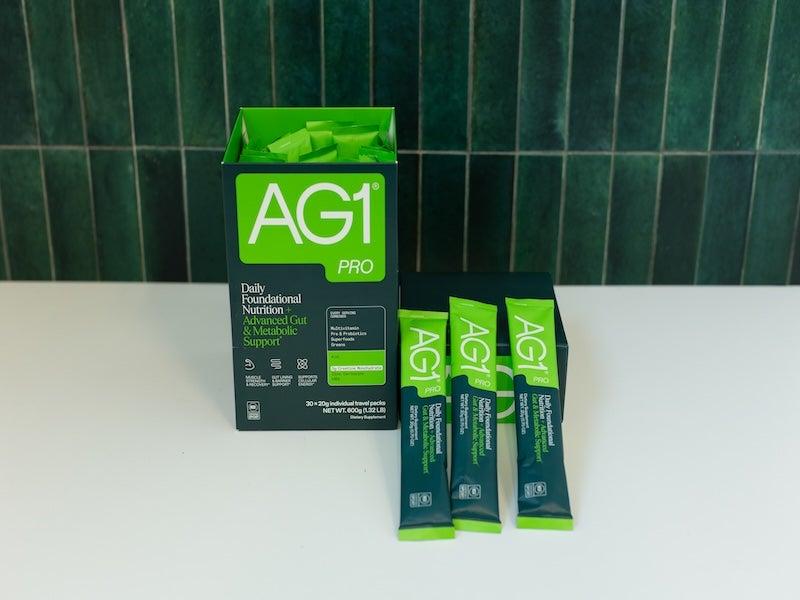
AG1 Pro contains five probiotic strains to support digestive health. It also includes greens powders, creatine, and multivitamins for broader nutritional support. It's the only powder on our list and our only probiotic pick to be NSF Certified for Sport.
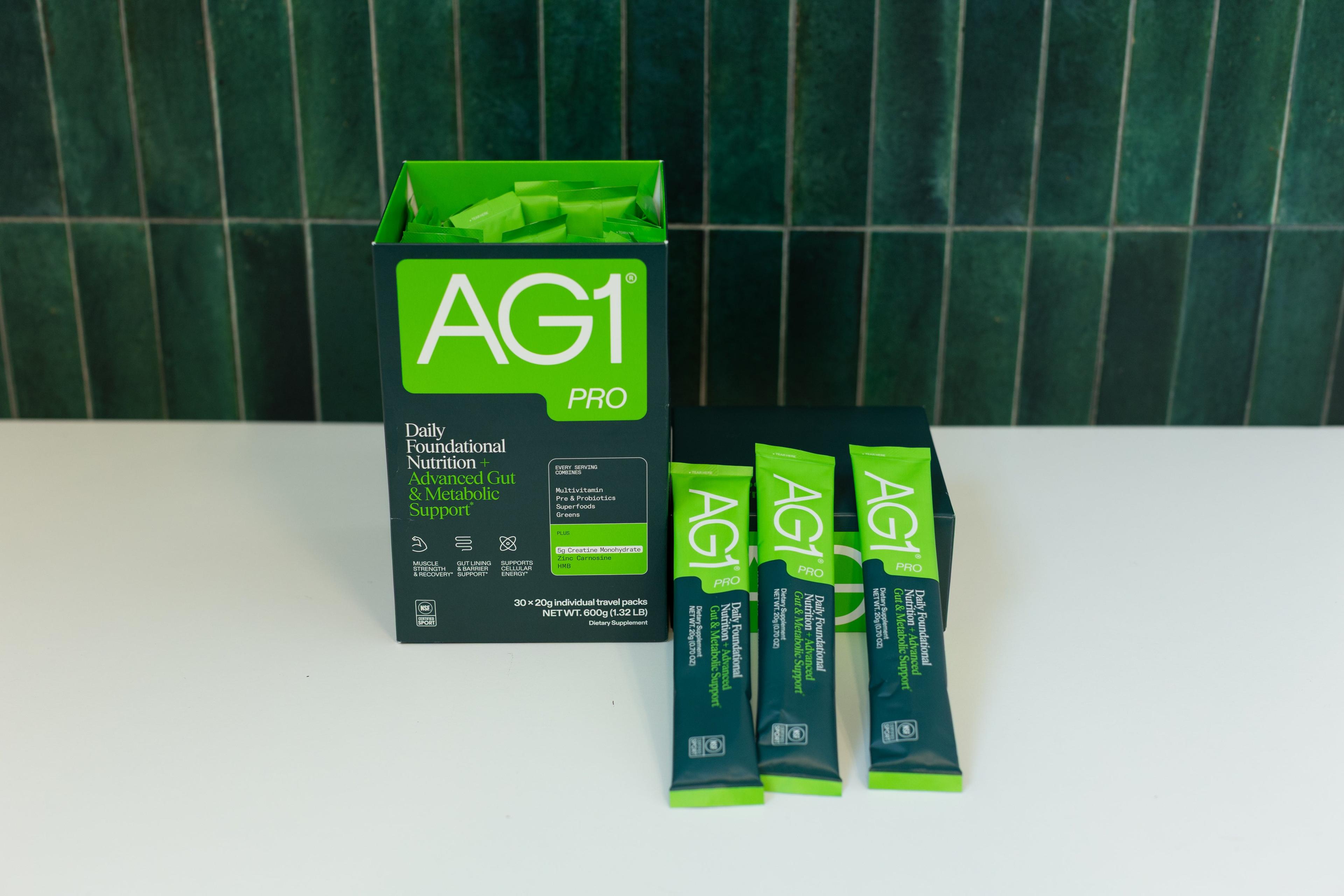
- Only powdered probiotic supplement to make our list
- NSF Certified for Sport
- Contains multivitamins and greens
- Probiotic strains included: Five
- CFU count: 10 billion
- Form: Powder
- Other ingredients: Citric acid, stevia, creatine, ginger root powder
Pros
- Contains creatine, multivitamins, and superfoods
- NSF Certified free of banned substances, stimulants, and heavy metals
- Mixes well with water
- Portable
Cons
- Packets are harder to tear open
- Pricier than other probiotics
- Has added sweeteners
VSL4 Gut: Best Probiotic for Bloating
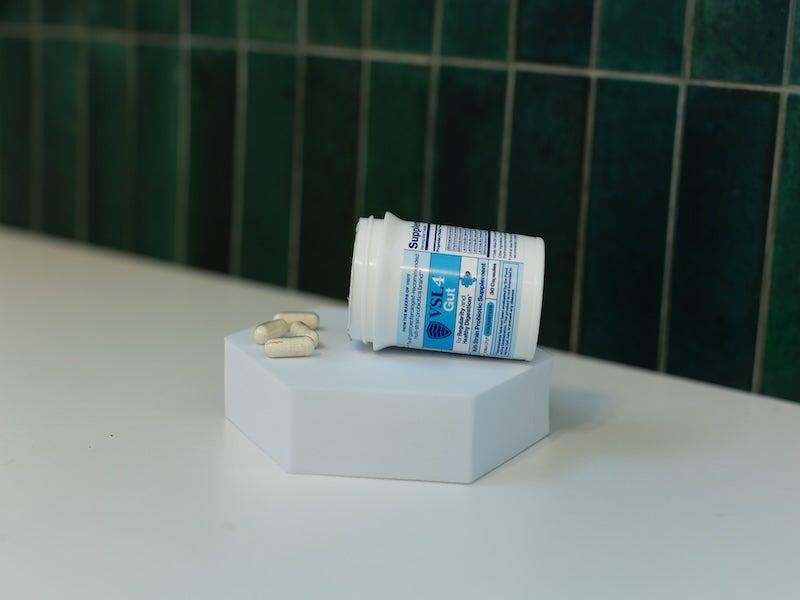
VSL4's Gut formula includes probiotic strains designed to help manage bloating and constipation. It has 30 billion CFUs per capsule, one of the highest on this list. Our testers said the small capsules were "simple" to add to their routine. They also liked VSL4 Gut's low cost per serving.
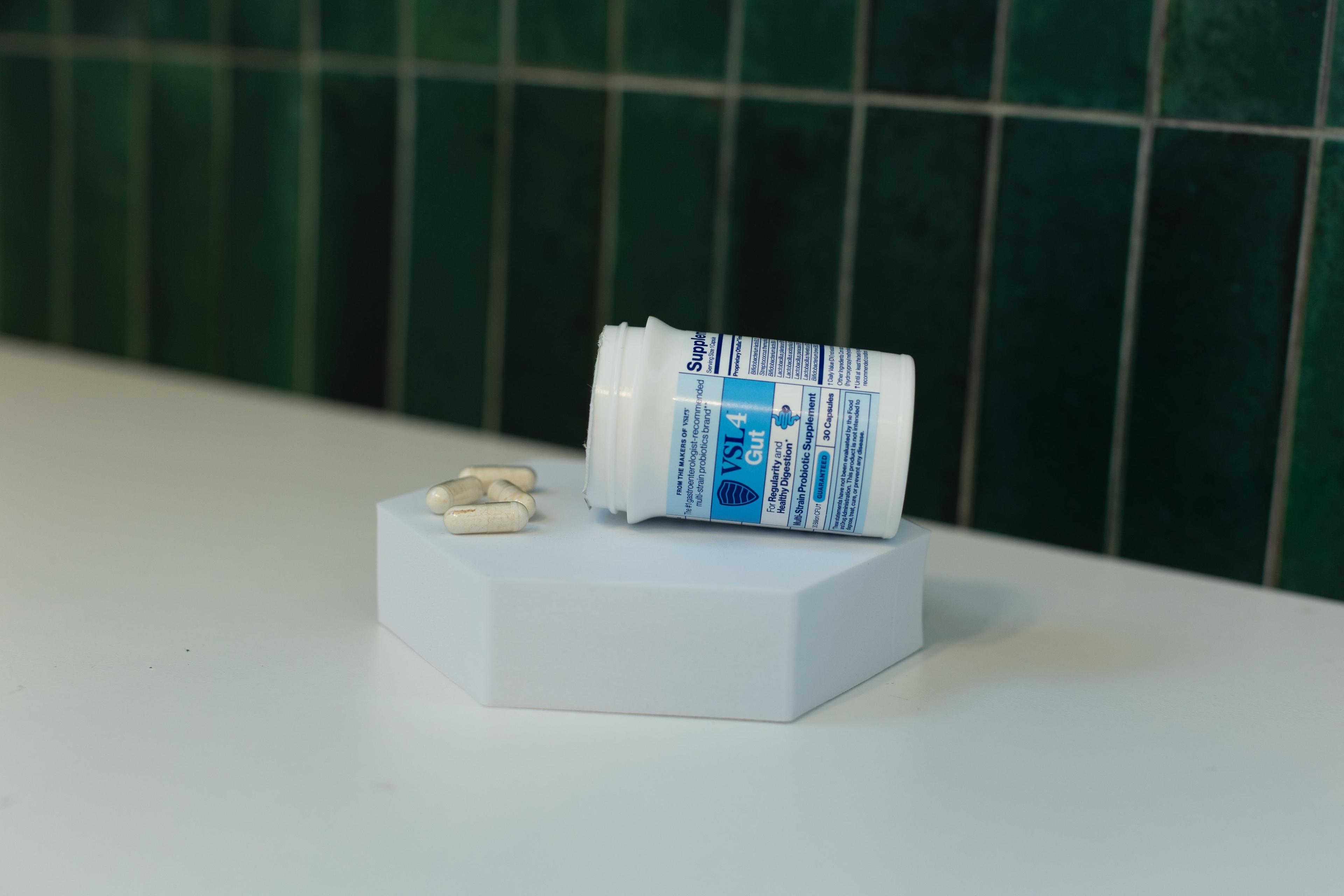
- One of the highest CFUs per capsule on this list
- Testers found it simple to add to their routine
- Doesn’t need refrigeration
- Probiotic strains included: Eight
- CFU count: 30 billion
- Form: Capsule
- Other ingredients: Cornstarch, vegetal capsule, magnesium stearate (binding agent)
Pros
- FSA/HSA eligible
- Contains 30 billion CFUs per capsule
- Can purchase at big box stores like Walmart
- One-capsule serving size
Cons
- Testers found the label to be crowded and hard to read
- More ingredients than other brands
- No weekend shipping
- No returns
- No third-party testing reported
Nutricost Probiotic for Women: Best Budget Probiotic for Women
Nutricost Probiotic for Women starts at 33 cents per serving for a bottle with 10 billion CFU. It’s the lowest-priced probiotic on this list. Nutricost also sells versions with higher CFU counts at different prices. 30 billion CFU costs 36 cents per serving, while 60 billion costs 43 cents per serving. Nutricost is the only brand on this list that offers the same supplement in multiple CFUs.
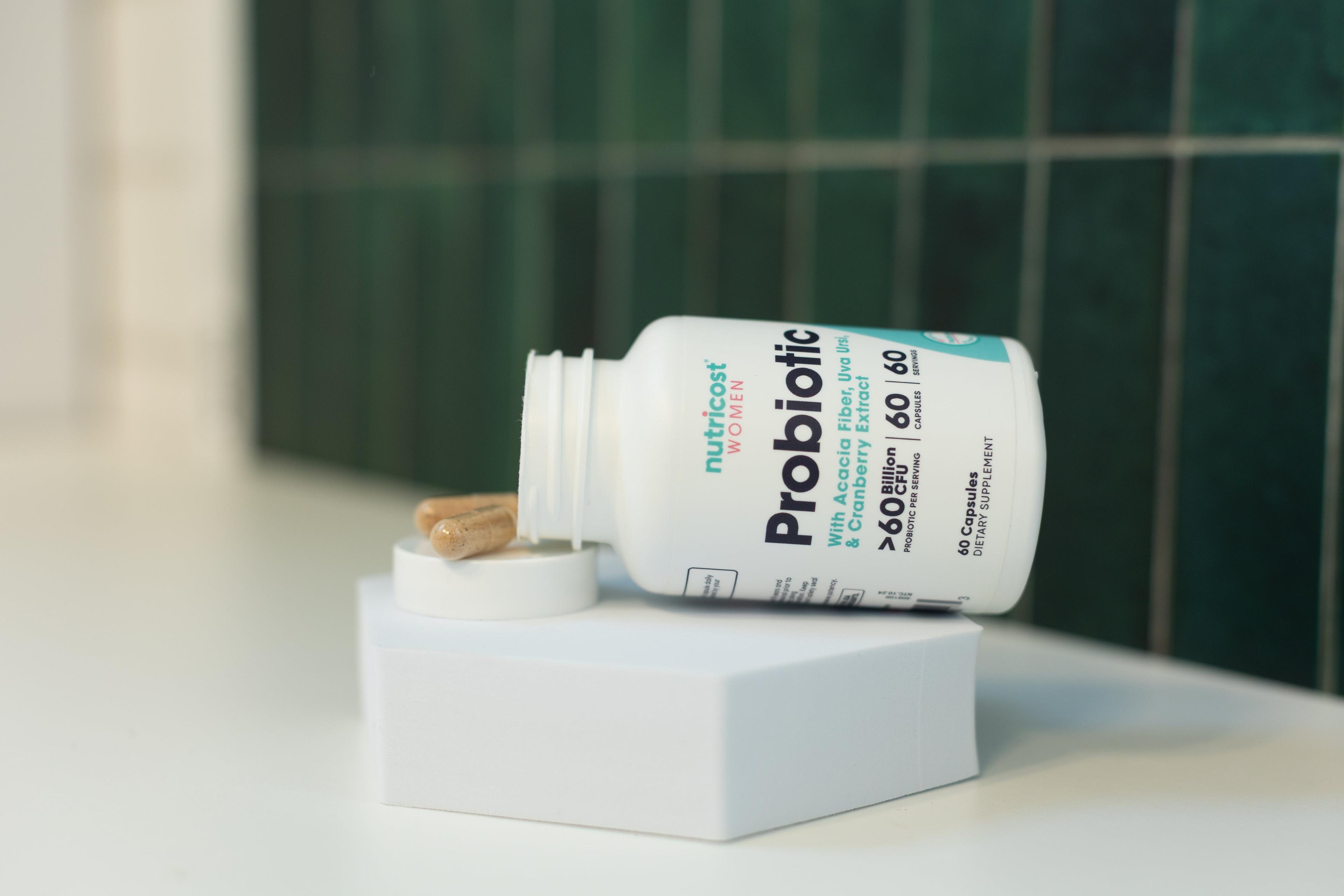
- Only product on this list that comes in multiple CFU amounts
- Testers experienced no issues with swallowing
- More affordable cost per serving
- Probiotic strains included: 11
- CFU count: 10 billion–60 billion, depending on product
- Form: Capsule
- Other ingredients: Organic cranberry extract, organic acacia fiber, uva ursi extract, rice flour, cellulose capsule
Pros
- Comes in different CFU counts
- Manufactured in an FDA-registered facility
- Most affordable probiotic on our list
Cons
- Vegetarian, but not vegan
- No free shipping for orders under $59
- Smell might be off-putting to some
Pendulum Metabolic Daily: Best Gut Health Probiotic for Women
Like our top pick, Pendulum measures its active bacteria in AFUs, not CFUs. Pendulum Metabolic Daily has 300 million AFUs. It contains five probiotic strains intended to support metabolism. The most well-known of these is Akkermansia muciniphila. Researchers are studying this probiotic strain for its potential to support healthy blood sugar regulation.
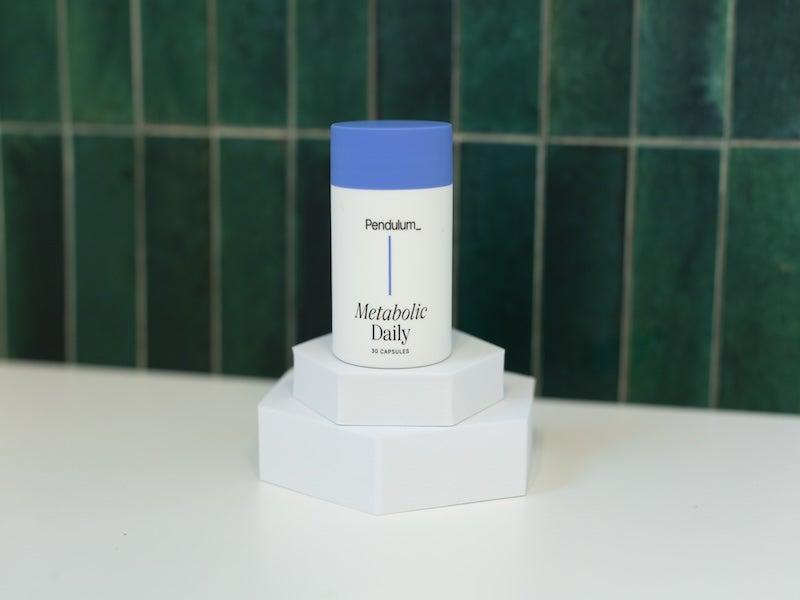
- Probiotic blend designed to support metabolic and digestive health
- Testers loved the look
- Measures live bacteria in AFU, not CFU
- Probiotic strains included: Five
- AFU count: 300 million
- Form: Capsule
- Other ingredients: Microcrystalline cellulose, L-leucine, silica, vegetarian capsule, fruit and vegetable juice
Pros
- Bottle is portable and simple to grip
- One-capsule serving size
- No taste or smell
Cons
- Pricier than most on this list
- Returns not accepted
What are probiotics?
Probiotics are helpful live microorganisms. They may provide health benefits when consumed in certain foods and supplements. They also play a major role in supporting digestion and regulating the immune system.3 Your “gut microbiome,” at peak health, is made of a wide array of probiotic bacteria. Different types of bacteria support your health in different ways. So you gain the most benefits from having a diverse gut microbiome.
There are many types of probiotics. Some strains can help manage your bowels. Others may help protect the vagina from infection. Others can help control parts of your immune and inflammatory responses.1,3
Common types of probiotics include:
- Lactobacillus acidophilus
- Lactobacillus bulgaricus
- Lactobacillus casei
- Lactobacillus gasseri
- Lactobacillus plantarum
- Lactobacillus rhamnosus
- Bifidobacterium bifidum
- Bifidobacterium breve
- Bifidobacterium lactis
- Bifidobacterium longum
- Bifidobacterium infantis
- Enterococcus faecium
- Saccharomyces boulardii
- Streptococcus thermophilus
Taking a probiotic with more strains doesn't always mean better results. If you want to address a specific concern, look for strains studied for those benefits. For example, a strain that supports regular bowels may not offer the same benefits as one that supports immune health.
What to look for when choosing a probiotic supplement for women
The primary way to get probiotics into your gut microbiome is through diet. If that’s not doable, a probiotic supplement can help your body get more of the good bacteria it needs. But the best probiotic supplement for you will depend on your health needs. “Start your search thinking about the reason you're taking it and then look for research connecting a specific strain to your symptoms,” said registered dietitian Goldsmith. “Don't choose a probiotic just because the front of the bottle advertises a huge CFU number or dozens of strains.”
Here's what else to consider when shopping for probiotics:
Probiotic form
Probiotics come in several different forms, including capsules, gummies, and powders. Manufacturers design capsules to protect live probiotic bacteria during manufacturing. The capsules also help protect those bacteria from absorption before they reach your colon and intestines. That is why many of our Best Probiotics for Women come in capsules.
Some probiotic capsules have a double coating to protect the bacteria from external stress (like stomach acid). This may also help control the release of probiotics.

When we surveyed 250 older adults on their preferred supplement form, almost half (48%) said they preferred a capsule or soft gel.8
Some probiotic strains, like Bifidobacterium lactis, can survive manufacturing. They can be transformed into a freeze-dried powder without breaking down.3 Other strains are more fragile. They can disintegrate during manufacturing and can't be turned into a supplement as easily.
Gummy probiotic supplements have to be specially engineered. This is because the gummy-making process is warm and moist. These two conditions break down probiotics. Still, one recent study found that certain probiotics in gummies can survive digestion and reach the gut alive.9
CFU count
CFU, or colony-forming units, measures live microorganisms in a probiotic supplement.10 Supplement Facts labels must list the total weight of microorganisms. But manufacturers aren't required to list CFUs. So the weight can include dead bacteria that don't provide the same benefits as live probiotics. Some probiotic brands list both the CFU count and total weight.
To get the most live bacteria, look for probiotics with CFU counts guaranteed through the expiration date. This is known as “potency through expiration." Avoid relying on CFU counts measured at the time of manufacturing. Some bacteria may die before you take the supplement.
The number of CFUs you need depends on the probiotic strains and their intended benefits. Some studies recommend a dose above 10 billion CFUs per day. This helps the probiotic strain survive its trip through your body.11 But higher counts don't always mean better results.
Number of probiotic strains
Probiotic supplements list strain counts on the label to show how many different strains you’re getting. Note: “More strains” doesn’t equal “better.” Depending on your goals, single-strain probiotics can match the results of multi-strain mixtures.4
Goldsmith echoed this finding. “Probiotic benefits are strain-specific, so I care more about whether the particular strains in a product have research supporting their intended use," she said. "A well-studied single-strain probiotic may be a better choice than a product containing 15 strains without good evidence supporting them.” The point of a multi-strain probiotic supplement is to try for a wider range of potential benefits, not targeted treatment.
Having multiple strains can provide different organisms with different characteristics. But more strains does not automatically mean a better probiotic.”
—Amy Goldsmith, registered dietitian
Storage requirements
Probiotic supplements contain live bacteria, so proper storage is important. Some probiotics require refrigeration. Others can be stored at room temperature. Avoid humid bathroom medicine cabinets, because too much moisture can kill the bacteria. The Supplement Facts labels on these Best Probiotics for Women should tell you how to store your probiotic.
The United States Pharmacopeia (USP) put together these temperature guidelines for storing supplements:12
- Cold: Any temperature below 46 degrees
- Cool: Any temperature between 46 and 59 degrees
- Controlled room temperature: 68–77 degrees
- Dry place: A place below 40% average humidity at 68 degrees
- Excessive heat: Any temperature above 104 degrees
- Refrigerator: A cold place between 36 and 46 degrees
- Room temperature: The typical temperature inside a home, usually between 68 and 77 degrees
- Warm: Any temperature between 86 and 104 degrees
Third-party testing and certification
Third-party testing verifies that a supplement contains the ingredients listed on the label. It also checks that the supplement is free from harmful substances like unwanted bacteria and heavy metals. “In my opinion, the most important part of a supplement label is whether or not the product has been third-party tested, which helps ensure a safer product,” said Maria Seitz, MS, RDN, LDN, CPT, a registered dietitian based in Tampa, Florida.
The Food and Drug Administration regulates dietary supplements, but supplements generally do not require FDA approval before they are sold. Manufacturers are responsible for meeting applicable safety and labeling requirements. Independent lab testing helps ensure supplements are free from contaminants. For probiotics, it can also confirm that the product contains live cultures.
Organizations like USP and NSF test and certify a wide range of supplements for quality. Probiotics may also have seals of approval from ConsumerLab or International Probiotic Testing Program (IPRO). These certifications show that the product meets certain quality standards.
What are the benefits of probiotics for older adult women?
Probiotics may help support a healthy balance of gut bacteria. Their benefits depend on the specific strains and your health needs. Some probiotics may help with digestion, bowel regularity, and immune health. For older women, certain probiotics may also support vaginal health.
“With advancing age, shifts in the gut microbiome, fluctuating hormones, medication use, and natural digestive changes can impact GI wellness,” said Heather Ritter, MS, RD, LD, a registered dietitian in Chicago. “Probiotics can be helpful for targeted concerns, such as managing antibiotic-associated diarrhea. That said, daily probiotic supplementation isn't essential for every older adult.”
Vaginal health benefits
Lactobacillus bacteria are commonly found in the vagina. These bacteria can help maintain a low vaginal pH, which keeps the vagina slightly acidic. This can help prevent harmful bacteria and pathogens from growing.2
During menopause, estrogen levels decline. A drop in estrogen can change the balance of bacteria in the vagina. It can also make vaginal tissue thinner and drier. These changes can allow germs and pathogens to enter the vagina and lead to a higher risk of infection.13 This condition is called senile vaginitis or atrophic vaginitis. In older women, probiotics have been shown to improve symptoms of astrophic vaginitis, though more research is needed.2 "Waning estrogen can alter gut microbial balance,” Ritter said. “Emerging clinical data hints that particular bacterial strains could support localized vaginal or GI environments.”
But before you try a probiotic, Ritter recommends considering your individual needs. You don't necessarily need to start taking a probiotic just because you're entering menopause. “Robust evidence remains insufficient to justify universal probiotic therapy specifically targeting menopausal symptoms,” Ritter said.
Immunity
Researchers have long studied the connection between probiotics and immune health. Beneficial gut bacteria interact with immune cells and help regulate the immune response. Certain probiotics may support immune function and help manage inflammation.14 This can be beneficial since our immune systems change so much during our lifespans.
Digestive benefits
Probiotics can help our bodies break down and digest food. They can also help produce some nutrients, such as B vitamins and vitamin K.1 Some probiotics may also help prevent diarrhea. This is especially true of diarrhea caused by antibiotics. Certain strains, such as Bifidobacterium infantis 35624, may help relieve irritable bowel syndrome (IBS) symptoms. IBS symptoms include stomach pain and bloating.3
Skin health
Some probiotics may support skin health. These bacteria may reduce irritation and protect the skin's natural barrier. Probiotic strains like Lactobacillus have been studied for their potential to reduce dry skin. Research also suggests probiotics may help promote skin cell renewal. But more studies are needed to better understand probiotics' effects on the skin.15
Overall health
The bacteria in your gut do more than break down food. They also play a role in immune health and many other important body functions. Probiotics may help support these functions. Researchers are examining the benefits of probiotics for diabetes, obesity, inflammatory diseases, and other conditions. More research is needed to understand how our gut health can act as a gateway to treating other disorders.3
Potential side effects of probiotics for women
Probiotic supplements are generally safe for healthy adults. But they can cause mild side effects like gas, bloating, and stomach discomfort. These symptoms are often temporary while your body adjusts to taking a probiotic.
If you have a weakened immune system, you may be at higher risk of probiotic side effects.1 This includes some people undergoing cancer treatment. In rare cases, the live bacteria in probiotics can cause an infection. Talk to your doctor before starting probiotics.
Alexia Beauregard, MS, RD, LD, a registered dietitian in Richmond Hill, Georgia, cautioned that some people might also experience side effects from multi-strain probiotics. “It might be safest to start with single-strain probiotics and then work your way up to a multi-strain,” she said. “Multi-strain probiotics are ideal, but some people may not be able to tolerate ones that have a really high CFU or have many different strains at first.”
Probiotic drug interactions
If you’re on immunosuppressant drugs, you might want to avoid probiotics. There is a small risk of infection for those with weakened immune systems. But immune-suppressing medications might also alter how well probiotics work.3 Talk to your doctor or pharmacist before starting any probiotics. This is especially important because each probiotic strain has a different function and intended effect.
Best probiotics for women costs compared as of 2026
The Best Probiotics for Women on our list range from 33 cents to $3.97 per serving. Signing up for an ongoing subscription often lowers the cost. Probiotic prices can depend on several factors. These include ingredient quality, added nutrients, and the number of live bacteria. Nutricost offers its probiotics at different prices based on how many live bacteria are in the product. Shipping is rarely free for a probiotic brand unless you hit a certain price threshold.
Some probiotic purchases may qualify for payment through a health savings account or flexible spending account. To use HSA or FSA funds on supplements, you’ll need a Letter of Medical Necessity, or LMN, from a licensed provider.
Costs of the best probiotics for women compared
| Comparison Features | Seed DS-01 Daily Synbiotic |
Ritual Synbiotic+ |
AG1 Pro |
VSL4 Gut 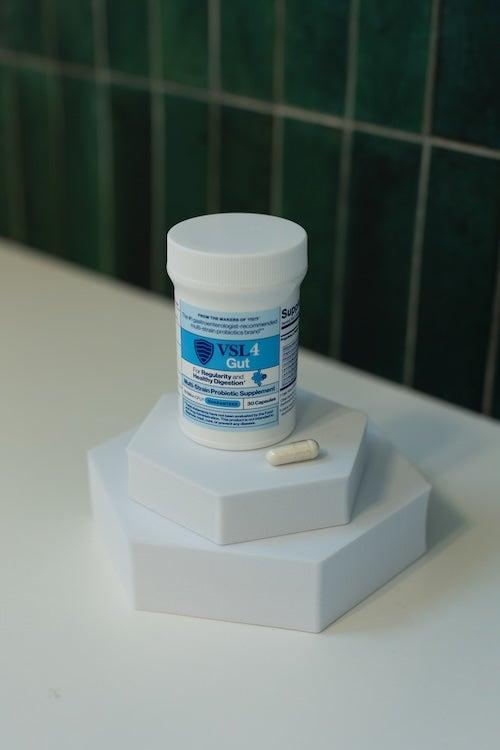 |
Nutricost Probiotic for Women 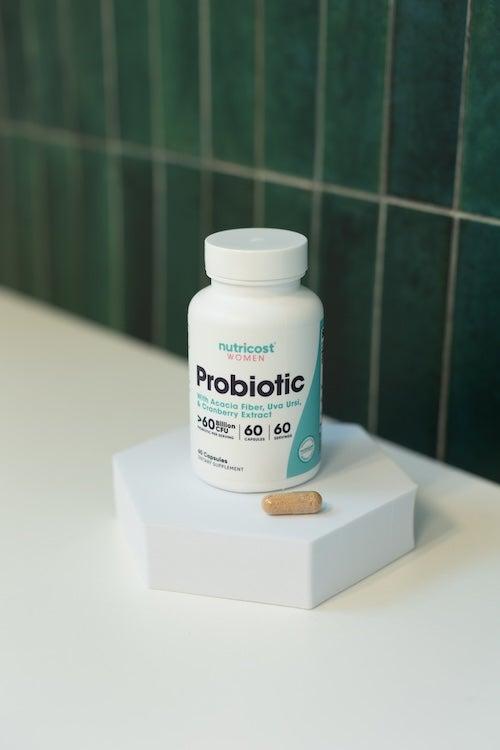 |
Pendulum Metabolic Daily |
|---|---|---|---|---|---|---|
| Cost per serving | $1.67 |
$1.80 |
$3.97 |
97 cents |
33 cents |
$2.30 |
| Shipping cost | Free |
About $11 for one-time purchases; free with subscriptions |
$9 for one-time purchases; free with a subscription |
Free over $100 |
Free over $60 |
$10 for one-time purchase |
| Return policy | 30 days on first order only |
30-day money-back guarantee |
90-day money-back guarantee |
No returns |
60-day money-back guarantee |
No returns, 14-day money-back guarantee on first order only |
| Subscription savings | Up to 15% off |
Up to 30% off |
Up to 25% off |
10% off |
20% off |
Up to 48% off |
Frequently asked questions
Should I take probiotics with minocycline?
Minocycline is an antibiotic used to treat bacterial infections. It can also kill beneficial bacteria, including some in probiotics.16 The timing of your probiotic may affect whether minocycline cancels it out. Talk to your doctor or pharmacist about whether you should take probiotics with minocycline. They can advise you on how far apart to space them.
What are signs your gut needs probiotics?
Several signs suggest you could benefit from probiotics. These include vaginal dryness, bloating, irritable bowel syndrome, or other digestive issues. Talk to your doctor before starting any probiotics.
What is the best time of day to take probiotics?
There isn't one best time of day to take probiotics. You can take them in the morning or evening, depending on your preference. Some probiotics work best with a meal, so follow the instructions on the label.
How long does it take probiotics to improve your gut?
How quickly they work depends on what strain you're taking and the symptoms you're treating. Some people may notice improvement in digestion and gut health within a couple of days. Others may take weeks. Not everyone will see benefits from taking probiotics.
Questions? Email us at reviewsteam@ncoa.org.