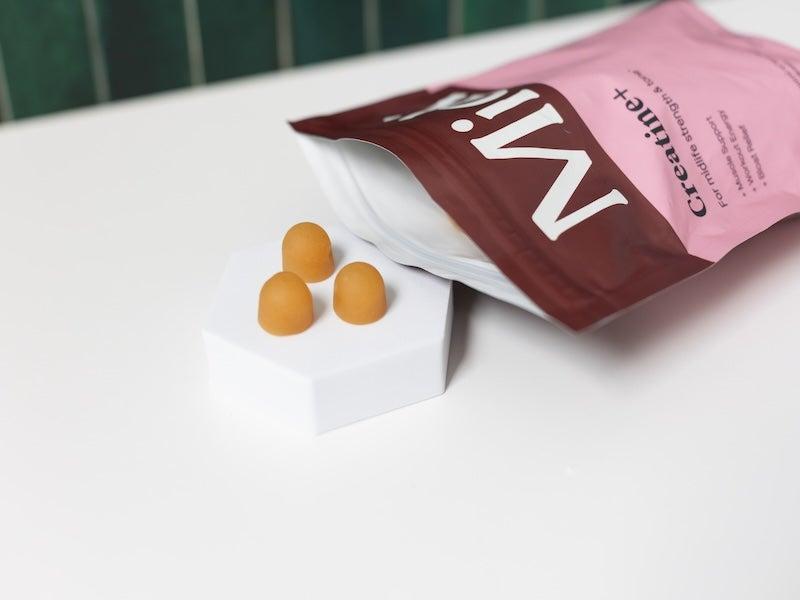
The 5 Best Creatine Supplements for Women in 2026
Creatine can help support muscle mass and healthy aging for women. So, we tested and ranked the best creatine supplements for women and aging.

- Our Best Creatine for Women Overall is Transparent Labs Creatine HMB. It includes vitamin D and calcium. Plus, it costs $1.67 per serving, tying for the lowest price among our picks.
- The creatine supplements in our list cost $1.67–$2.43 per serving.
- Creatine may help us maintain muscle mass as we age, especially when combined with resistance training. Its potential benefits for bone health are still being studied.
- Creatine monohydrate is the most researched and available form of creatine.
- Some of the best creatine supplements come as powder, while others come as gummies. Many creatine gummies have a sugar-like coating, but not all of them do.
- Not all creatine supplement manufacturers disclose which labs third-party test their products.
NCOA supports everyone’s right to age well. So we take the time to research, test, and recommend products that can help you live a healthier life. We’ve spent more than 2,000 hours researching and testing supplements to give you the most accurate product reviews. To find the best health supplements, we:
- Consulted health specialists, including doctors and registered dietitians. Received guidance on choosing the best supplements
- Put more than 100 supplements through more than a dozen different tests at our in-house lab
- Mystery-shopped more than 20 brands
- Surveyed more than 250 older adults on their supplement use
- Interviewed experts on the nutritional needs of older adults
- Worked with older adult testers to evaluate protein powders and get their opinion
- Read thousands of verified customer reviews
We’re constantly testing new protein powders to give you the most accurate and up-to-date recommendations. Read more about our supplement review methodology.
Creatine is a compound stored naturally in our muscles. It provides the energy we need during exercise and may help us retain muscle mass. While our muscles naturally store creatine, levels can decrease as we age.1 Over time, this can affect muscle health and contribute to muscle loss. It’s a common worry: In our survey of older adults, 78% said they were concerned about losing muscle and strength.2
Women may face additional changes during menopause. As estrogen declines, creatine levels and muscle mass can drop. Menopause is also associated with greater bone loss and a higher risk of osteoporosis.3 A creatine supplement may help. Research shows creatine can support muscle mass and also benefit brain functions like memory and information processing.4
To find the best options, we asked a group of older adult women to test top creatine gummies and powders. They rated each one on taste, mixability, chewability, and side effects. We also evaluated creatine content, third-party testing, value, and more. Read on to see our results and our pick for the best creatine for women.
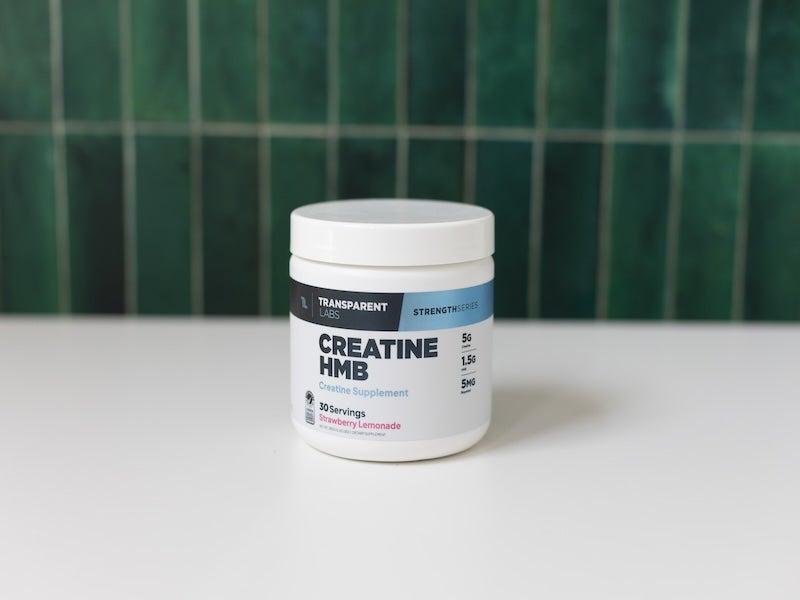
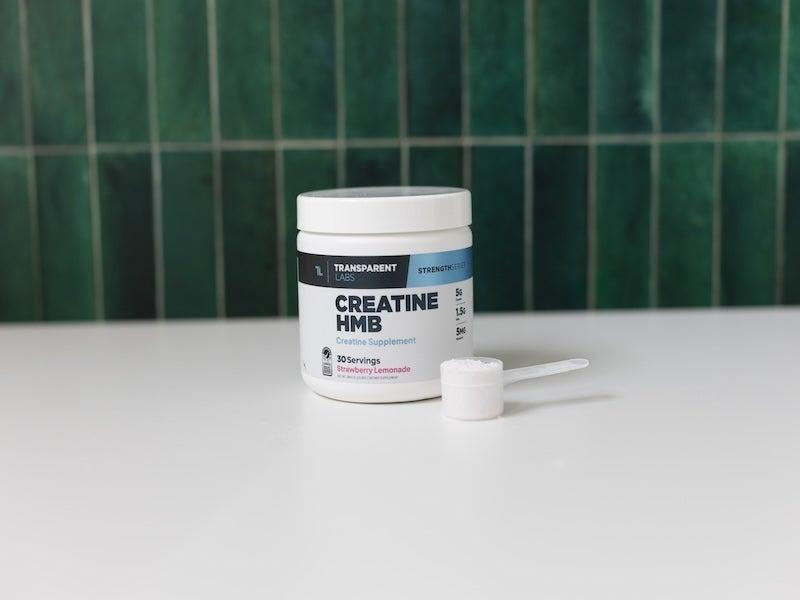
Transparent Labs Creatine HMB
Contains HMB to boost aerobic performance
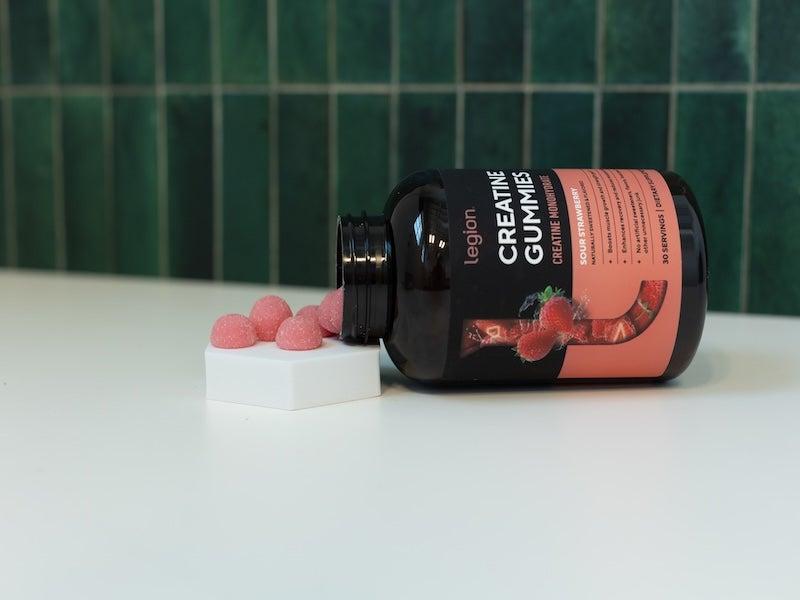
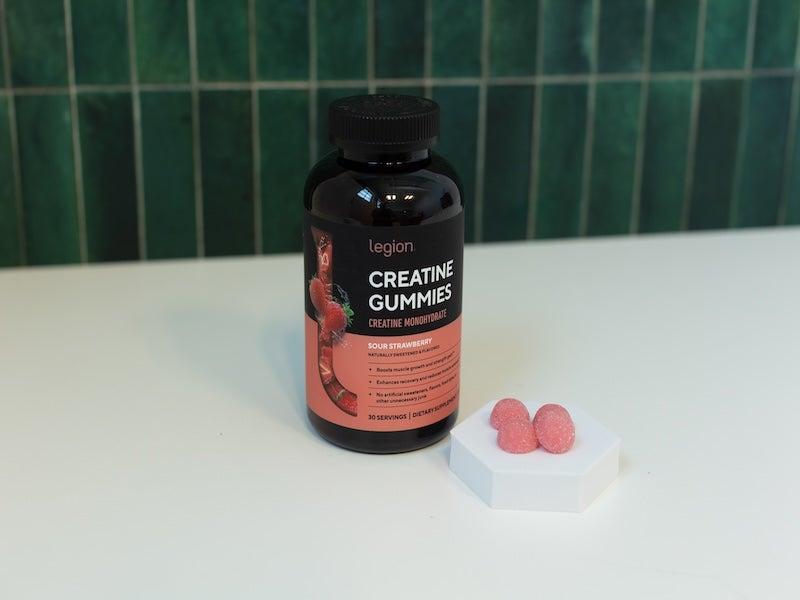
Legion Creatine Gummies
One of the most affordable creatine gummies we tested
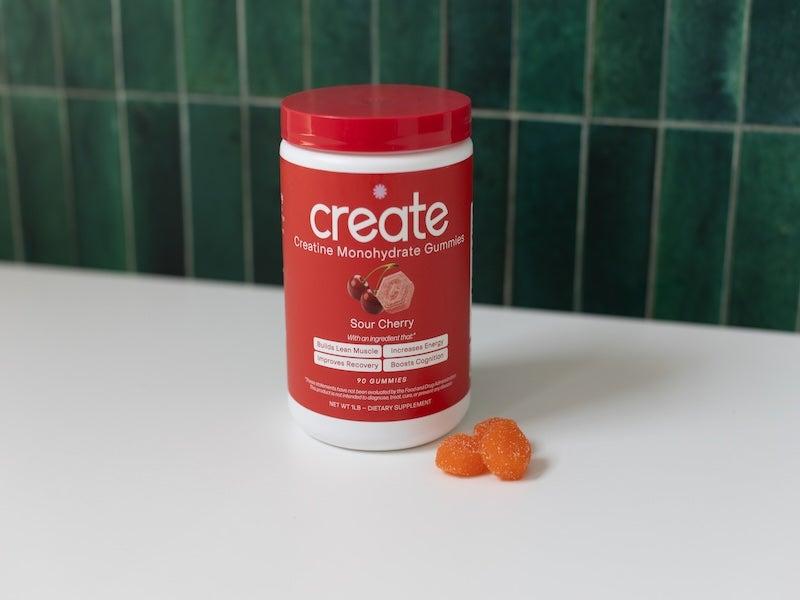
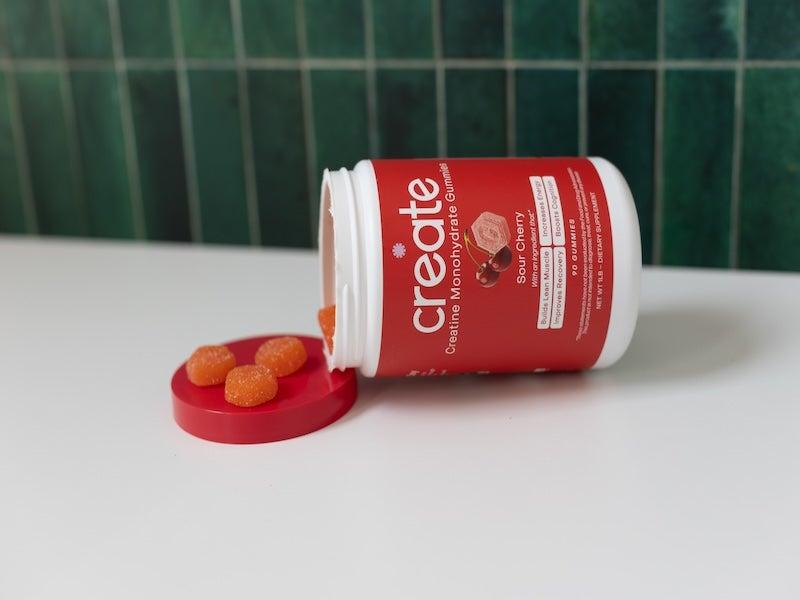
Create Creatine Gummies
Only NSF-certified supplement on this list
Best creatine for women in 2026
- Transparent Labs Creatine HMB: Best Creatine Overall
- Legion Creatine Gummies: Best Creatine Gummies for Women
- Create Creatine Gummies: Best Creatine Monohydrate for Women
- Mindbodygreen Creatine Tone+: Best Clean Creatine for Women
- Midi Creatine+: Best Creatine for Menopausal Women
The best creatine for women in 2026 compared
| Comparison Features | |||||
|---|---|---|---|---|---|
| Our rating (out of 10)* | 9.1 |
9.3 |
8.9 |
8.9 |
8.5 |
| Dosage per serving | 5,000 mg |
5,000 mg |
4,500 mg |
5,000 mg |
3,000 mg |
| Serving size | 1 scoop |
4 gummies |
3 gummies |
1 packet |
3 gummies |
| Third-party Testing | Informed Choice |
Labdoor |
NSF Certified for Sport |
Unnamed ISO-certified labs |
Unnamed ISO-certified labs |
| Best for | Overall |
Gummy |
Monohydrate |
Clean |
Menopause |
*Ratings reflect a brand's overall offering; the best overall pick doesn't necessarily have the highest score
How we tested to find the best creatine for women
Here’s what our panel of testers looked at to determine the best creatine for women.
Transparent Labs Creatine HMB: Best Creatine for Women Overall
Each serving of this powder delivers 5,000 mg (5 grams) of creatine monohydrate. This is the daily amount most often used in research. It also contains HMB, vitamin D, and calcium. Testers liked its easy-open tub and clear instructions.
- Doesn’t have to be taken with food
- Contains added nutrients like vitamin D and calcium
- Clear instructions on when and how to take it
- Creatine per serving: 5,000 mg
- Creatine type: Creatine monohydrate
- Form: Powder
- Added sugar: No
Pros
- Tub is simple to open and close
- Dissolves well in water
- Not overly sweet
- Informed Choice-tested
Cons
- Tiny text on label may be harder to read
- Stevia aftertaste may not be for everyone
- Pricier than some other options
Legion Creatine Gummies: Best Creatine Gummies for Women
Each serving of Legion’s gummies delivers 5,000 mg (5 grams) of creatine monohydrate, the standard daily dose used in research. Testers gave them a 5/5 for taste and found them easily chewable, with no film or aftertaste. One tester said they were “easy to add to my routine.”
- Testers loved the look and smell
- Portable gummies that require no mixing
- Pleasantly sweet, with no aftertaste
- Creatine per serving: 5,000 mg
- Creatine type: Creatine monohydrate
- Form: Gummies
- Added sugar: 0–10 g, depending on flavor
Pros
- No artificial dyes
- Won’t get stuck in your teeth
- Highly portable container
- $1.67 per serving
Cons
- Small instruction text may be harder to read
- Gummies are firmer than testers expected
- Some flavors have 10 g of added sugar
Create Creatine Gummies: Best Creatine Monohydrate for Women
Create is the only brand on our list that’s NSF Certified for Sport. Each serving has 4,500 mg of creatine monohydrate. Testers also loved the easy-open jar, large-print label, and pleasant flavor.
- Testers found the jar easier to open, even with limited hand strength
- Largest label print of any creatine our testers tried
- Testers enjoyed the Sour Cherry flavor
- Creatine per serving: 4,500 mg
- Creatine type: Creatine monohydrate
- Form: Gummy
- Added sugar: 2 g
Pros
- Clear, straightforward instructions
- NSF-certified
- Pleasant flavor
- Military, first responder, and teacher discounts available
Cons
- Priciest supplement on this list
- Testers reported a lingering aftertaste
- Contains added sugar
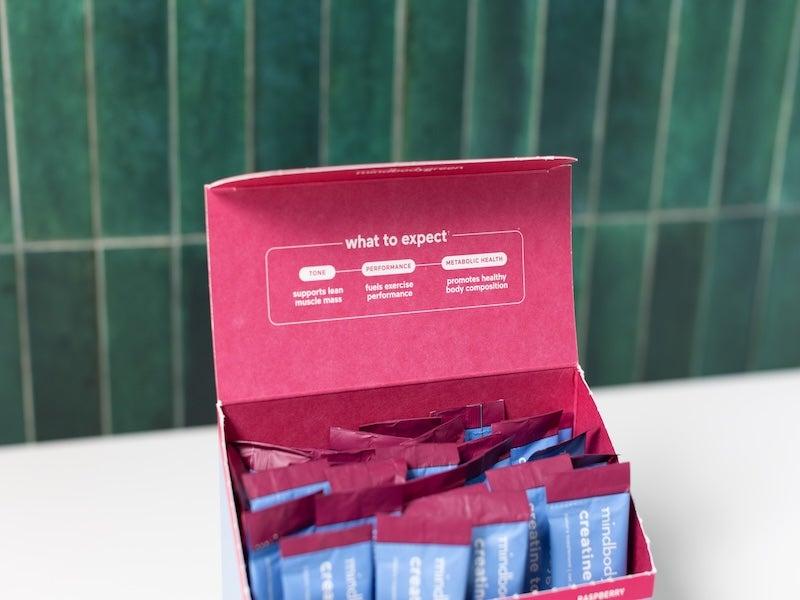
Mindbodygreen Creatine Tone+: Best Clean Creatine for Women
Mindbodygreen’s Creatine Tone+ uses natural ingredients like veld grape and ginger extract. It uses recognizable ingredients, making it an obvious choice for Best Clean Creatine. Testers also loved how easily it mixed and how clear the instructions were.
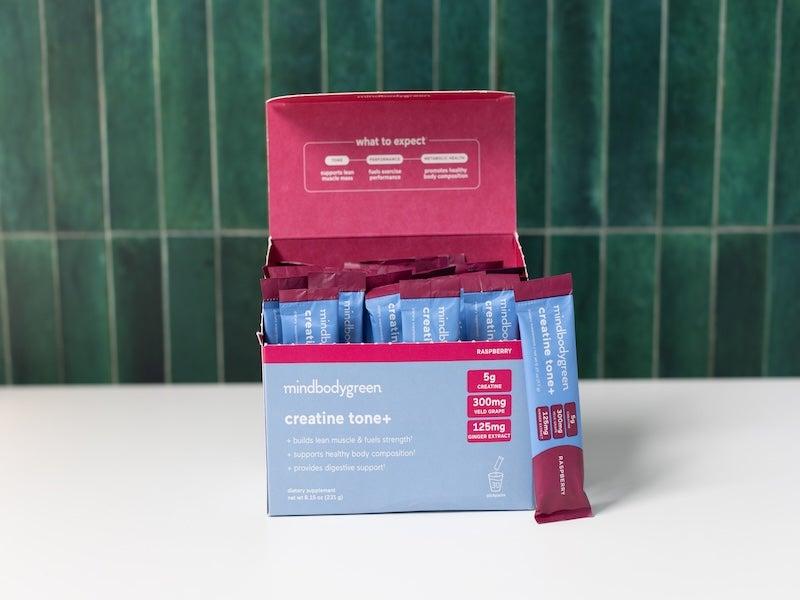
- Contains ginger extract and veld grape, with no artificial dyes
- Instructions are listed on each portable pack
- Dissolves easily into water
- Creatine per serving: 5,000 mg
- Creatine type: Creatine monohydrate
- Form: Powder
- Added sugar: No
Pros
- Contains ginger extract, which may support digestion
- Natural colors, no artificial dyes
- Veld grape may also act as an anti-inflammatory
- Testers found it mixes well
Cons
- Sharp aftertaste
- Third-party testing lab isn’t listed
- Strong flavor doesn’t mix well with all liquids
Midi Creatine+: Best Creatine for Menopausal Women
Midi Creatine+ is designed for women in midlife. Each serving has 3,000 mg (3 grams) of creatine monohydrate, the lowest dose on our list. Testers loved its packaging and scent.
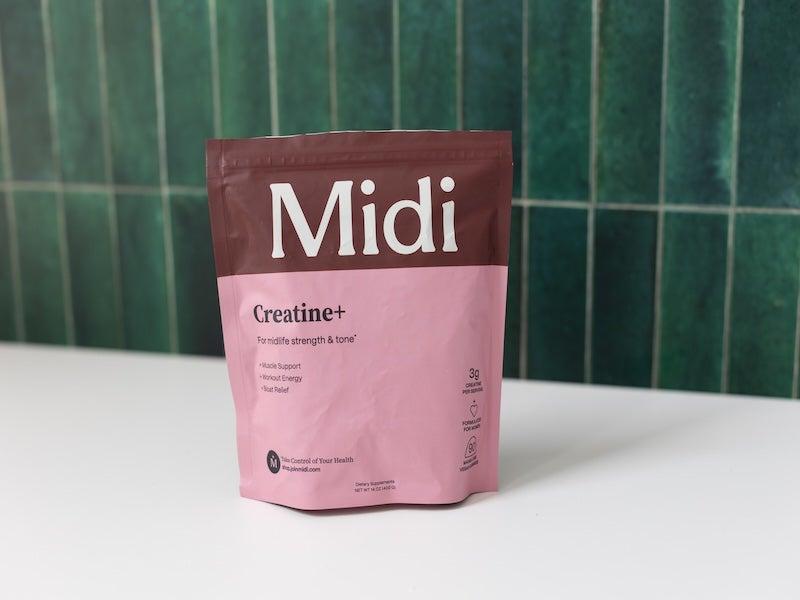
- Modern, eye-catching packaging
- Testers loved the scent
- The only gummy on our list without a sugary coating
- Creatine per serving: 3,000 mg
- Creatine type: Monohydrate
- Form: Gummy
- Added sugar: No
Pros
- No added sugar
- Contains fennel seed, which may aid digestion
- Vegan and gluten-free
- Transparent ingredient list
Cons
- Some testers said it tasted medicinal
- Lowest creatine dose on our list
- Dense texture
What is creatine?
Creatine is an organic compound, and nearly 95% of the creatine our bodies make lives in our muscles.4 Many people use creatine supplements to support high-intensity workouts. Creatine can help build or retain muscle mass, which can decline with age. It can also boost short-term energy and prevent muscle fatigue.10
Creatine can also support brain health. Studies suggest adding creatine to your diet may improve aspects of brain function. It's been shown to specifically benefit memory and information processing. Researchers suggest this may be because creatine boosts brain energy reserves.11 Many creatine products list “less brain fog” or “improved cognition” as potential benefits.
Why older adults can benefit from creatine
Why women should take creatine
“As estrogen declines, women naturally lose muscle mass and strength more rapidly,” said Amy Goldsmith, RD, a Maryland-based registered dietitian and owner of Kindred Nutrition and Kinetics. “Creatine helps to preserve muscle mass and strength.” Perimenopause and menopause can worsen women’s bodies’ ability to store creatine.9 Creatine supplements then become an option for replacing those lost stores.
Because of the decline in estrogen during menopause, women start losing bone density earlier and faster than men do.3 Creatine may help prevent osteoporosis because muscle and bone work together in the skeletal system.
Sarcopenia, or age-related muscle loss, can increase your risk of osteoporosis if you don’t adjust your lifestyle.12 Adding creatine to your diet while resistance training boosts muscle strength and function in older adults.4 Stronger muscles support stronger bones, which are less at risk for osteoporosis.
The key here is the exercise. Taking a creatine supplement without exercise won’t have the same muscle-building effect. Creatine supports your energy stores by giving you more short-term energy. Creatine can improve exercise and resistance training by helping skeletal muscles contract.4 Muscle contraction increases the connection between your muscles and your brain.13 In this way, creatine supports brain function and muscle strength.
What to look for when choosing a creatine supplement for women
There’s a lot to consider when finding the best creatine supplement for women. The amount of creatine per serving, third-party testing, added ingredients, and price all matter. Here's what else to consider when choosing a creatine supplement:
Type of creatine
- Creatine Monohydrate. Creatine monohydrate means one creatine molecule plus one water molecule. This is the most popular and researched type of creatine. It has the strongest evidence for benefiting muscle and strength performance. It's also the form of creatine present in all the supplements in this article.
- Creatine anhydrous. Creatine anhydrous is creatine without a water molecule. It contains slightly more creatine by weight than creatine monohydrate. No strong clinical evidence shows it to be more effective or safer than creatine monohydrate.14
- Creatine salts. Creatine hydrochloride dissolves in water, making it a good option for powdered supplements. But studies haven't found that this improves absorption. Creatine salts have no demonstrated benefits over creatine monohydrate.14
- Buffered creatine. This is creatine processed to be less acidic. The idea behind buffered creatine was to make it easier to digest. But there is currently not enough research to show if buffering works as intended.
Creatine dosage
The right creatine dose for women may depend on age. Post-menopausal women may need higher creatine doses to improve skeletal muscle size and function. Studies don’t agree on the proper dose of creatine for women in and around menopause. The general consensus is to take 3,000–5,000 mg a day. But you should speak with your doctor before starting creatine supplementation. A maintenance dose for one woman might not be enough creatine for another.9
Third-party testing and certification
The FDA doesn’t approve supplements before they’re sold. That’s why it’s important to choose one tested by an independent organization with no ties to the manufacturer. Look for a certification seal on the supplement label.
Matey recommends looking for the USP Verified mark. “USP Verified confirms that the products meet the standards of potency, purity, and identifies ingredients which may limit contaminants,” she said.
Other third-party testers you may see include:
- NSF (formerly the National Sanitation Foundation)
- Informed Choice
- Labdoor
Some brands say their products are tested by an “ISO-accredited” lab. ISO doesn’t test supplements itself. It sets international standards that testing labs can be accredited to meet.
Ingredients and additives
"Other ingredients” on the supplement facts label should list additives, fillers, and preservatives. Manufacturers often add them to improve shelf stability or bind ingredients. Some additives help preserve a supplement's shelf life, while others affect taste, texture, or sweetness. If you’re vegan, watch this section for gelatins, honey, dairy, or animal-based capsule ingredients.
Some common additives include:
- Sugar substitutes (maltodextrin, sorbitol)
- Preservatives (citric acid, sodium benzoate)
- Gelatin or plant-based capsule ingredients
- Antimicrobials (potassium sorbate)
- Binding agents (starch, cellulose, magnesium stearate)
Form
Gummies may contain added sugar or sweeteners to improve flavor. Some use gelatin for texture, while others use plant-based alternatives. Vegan gummies, like Midi Creatine+, skip the gelatin. Capsules may use gelatin or plant cellulose for the casing. Powders tend to have fewer additives. Follow the mixing instructions closely, since the amount of liquid affects the taste.
Taste and mixability
Read the labels carefully. Some powdered supplements need a set amount of liquid. For example, some powder supplements use only 4 fluid ounces of water. Others may need 10–12 ounces. Adding more liquid than your supplement calls for dilutes the solution. It can also change the flavor.
Brand reputation and transparency
Many creatine brands out there are relatively new, popping up only in the past few years. You may feel more comfortable choosing an established or familiar brand.
To check a brand’s transparency, look for:
- Consistent labeling. If a certification appears on the brand’s website but not on the product, question it.
- Ingredient red flags. The U.S. Anti-Doping Agency (USADA) offers guidance on ingredients that may signal a hidden stimulant.
- Claims that sound too good to be true. Phrases like “quick fix,” “newest scientific breakthrough,” or “used for thousands of years” are red flags.
Potential side effects of creatine for women
Creatine is one of the most studied supplements available. Research shows it’s generally safe for healthy adults. It hasn’t been found to harm the kidneys, liver, digestive tract, or heart.14 Early studies also suggest women are less likely than men to gain weight while taking it.9 Some people experience mild water retention when they begin taking creatine. Some creatine supplements, like Midi Creatine+, are formulated to ease digestion and bloating.
Always speak with a health care provider before adding any supplement to your routine.
Creatine drug interactions
There are no known drug interactions with creatine.
Best creatine costs for women compared
The best creatine for women usually costs between $1.67–$2.43 per serving. Many creatine brands offer free shipping or a discount if you subscribe or order in bulk.
| Comparison Features | Transparent Labs Creatine HMB |
Legion Creatine Gummies |
Create Creatine Gummies |
Mindbodygreen Creatine Tone+ |
Midi Creatine+ |
|---|---|---|---|---|---|
| Cost per serving* | $1.67 |
$1.67 |
$2.43 |
$2.33 |
$1.67 |
| Shipping cost | Free over $99 and with subscriptions |
Free on first order and subsequent orders over $80 |
Free on first order and subscription orders |
Free over $98 and with some subscriptions |
Free on orders over $65 |
| Return policy | 45-day money-back guarantee |
365 days after purchase, first time only |
No returns |
30-day money-back guarantee, minus shipping cost |
30-day money-back guarantee on first-time orders |
| Subscription savings | $5, or 10% per order |
30% |
Save $56 on a 90-day supply |
Up to 25% depending on order size |
20% off your first order, 10% every month |
*Pricing and policies as of October 2026.
Frequently asked questions
How much creatine should a woman take per day?
Most research uses 3–5 grams (3,000–5,000 mg) of creatine per day. Follow the serving size on your supplement’s label, and ask your doctor what’s right for you.
Is creatine safe for women over 50?
Creatine monohydrate is the most studied form of creatine. It's generally considered safe for healthy women over 50. Studies suggest that taking creatine after menopause may help increase muscle mass. It may also support bone health, though more research is needed.9,10
Is creatine good for menopausal women?
It may be. During menopause, women’s bodies may store less creatine, and the risk of osteoporosis goes up. A creatine supplement can help restore muscle creatine levels. It may also help you keep muscle mass, which supports bone health.
Does creatine cause weight gain in women?
Studies show creatine usually doesn’t cause weight gain in women the way it can in men.9 Some people notice mild water retention when they first start. “Creatine supplements in some cases may cause mild gastrointestinal symptoms or water weight gain,” Matey said.
Questions? Email us at reviewsteam@ncoa.org.