
4 Best Memory Foam Mattresses in 2026
After researching and testing memory foam mattresses, we chose four that made our list.
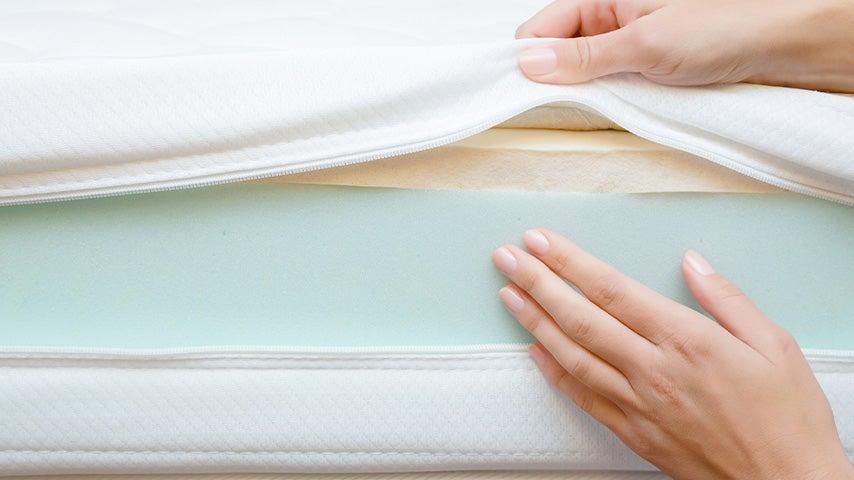
- Based on our testing, the Nectar Memory Foam is the Best Overall Memory Foam Mattress. We like Nectar Memory Foam's great pressure relief, edge support, and ease of movement.
- A memory foam mattress can range from about $1,000 to $6,000 or more, depending on construction, materials, and size.
- In our March 2025 survey of sleepers with chronic pain, more than half of the respondents told us they’d recently purchased a memory foam mattress.
- Not every memory foam mattress is created equal: the best options balance pressure relief with enough support to keep the spine aligned.
- Heat retention can still be a drawback with memory foam, which is why cooling features like breathable covers and airflow-focused layers matter.
- For maximum comfort and sleep quality, it’s important to find a memory foam mattress that’s the right fit for your sleep position and weight.
NCOA supports everyone’s right to age well. So we take the time to research, test, and recommend products that can help you live a healthier life. We’ve spent more than 2,500 hours researching and testing mattresses to give you the most accurate product reviews. To find the best mattresses, we:
- Consulted with sleep specialists like doctors, occupational therapists, and physical therapists for guidance on choosing the best mattress
- Put more than 130 models through a series of 19 different tests at our in-house lab
- Mystery-shopped more than 40 brands
- Surveyed more than 2,000 older adults on their sleep quality
- Interviewed experts on the importance of good sleep for older adults
- Worked with older adult testers to evaluate mattresses and get their opinion
- Read thousands of verified customer reviews
We’re constantly testing new mattresses and sleep products to give you the most accurate and up-to-date recommendations. Read more about our mattress review methodology.
If you’ve ever sunk into a memory foam mattress and felt like it was giving you a gentle hug, you already know why many people, especially those sleeping with chronic pain, swear by them. Memory foam mattresses are designed to contour to your body, cradling your joints to help you wake up feeling rested, not sore. But not all memory foam is created equal. Some memory foam sinks too much, lacking the support you need for proper spinal alignment. And the material is known to trap heat, which can be miserable for those who sleep hot.
With so many options on the market, you want to find the one that matches your unique sleep style and comfort needs. That’s why we put the top brands to the test. Here’s what we found.

Memory foam mattresses are popular for their soft, contouring feel, but that same “gentle hug” can sometimes make movement more difficult. For people with mobility challenges, the deep sink of memory foam may make it harder to get in and out of bed or change positions while you sleep. Also, because memory foam doesn’t always distribute weight evenly, it may not provide the support needed for those with certain types of chronic pain.
If you think you may need more support, try a hybrid mattress or one of the best mattresses for back pain.
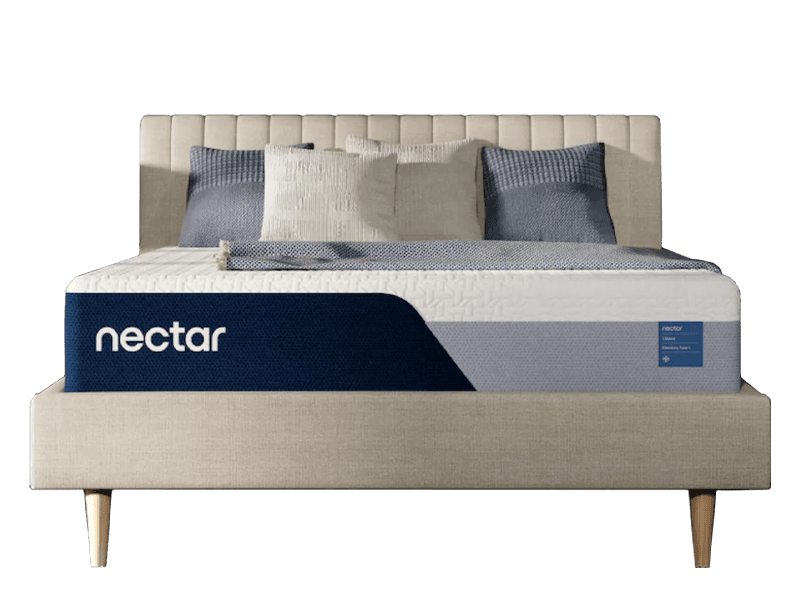
Best Overall
Nectar Classic Memory Foam
Excellent pressure relief for hips and shoulders while offering a cooling surface layer

Best for Couples
DreamCloud Premier Memory Foam
Responsive layers for easier movement and cooling fibers for airflow and breathability
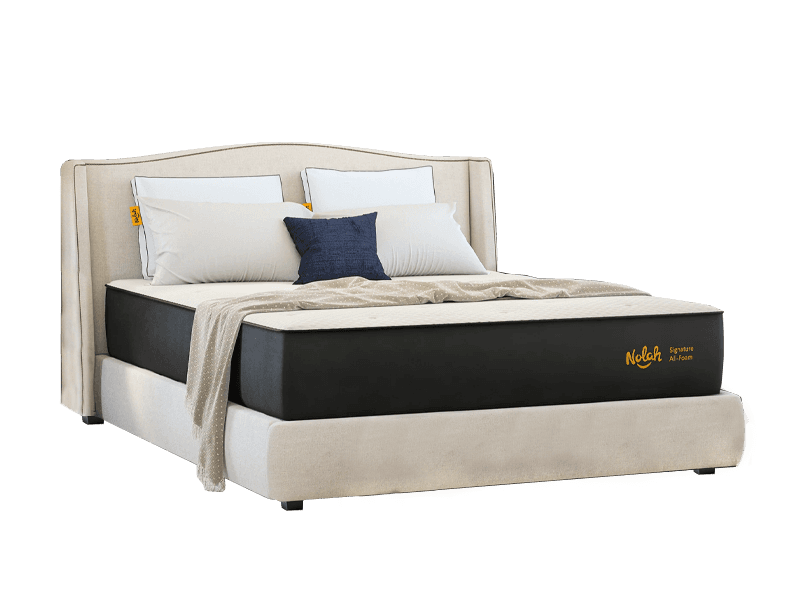
Best for Side Sleepers
Nolah Signature
Unique AirFoam material to cushion side sleepers’ curves and cooling cover for temperature regulation
Best memory foam mattresses in 2026
- Nectar Classic Memory Foam: Best Overall
- DreamCloud Premier Memory Foam: Best for Couples
- Nolah Signature: Best for Side Sleepers
- Bear Original: Best Cooling
Need help picking out the right mattress?
Answer 3 simple questions to find a mattress that meets your needs.
The best memory foam mattresses of 2026 compared
| Comparison Features | ||||
|---|---|---|---|---|
| Score | 9.9 |
9.1 |
8.3 |
8.5 |
| Firmness | Medium-firm |
Medium-firm |
Medium-firm |
Medium-firm |
| Cooling score | 4/5 |
4/5 |
3/5 |
5/5 |
| Accessibility score | 4.3/5 |
3.57/5 |
3.57/5 |
3.47/5 |
| Special features | Pressure-relieving foam and cool-to-touch cover |
CloudQuilt cover and contouring memory foam |
AirFoam ICE layer for side sleepers |
Cooling gel memory foam |
How we tested to find the best memory foam mattresses
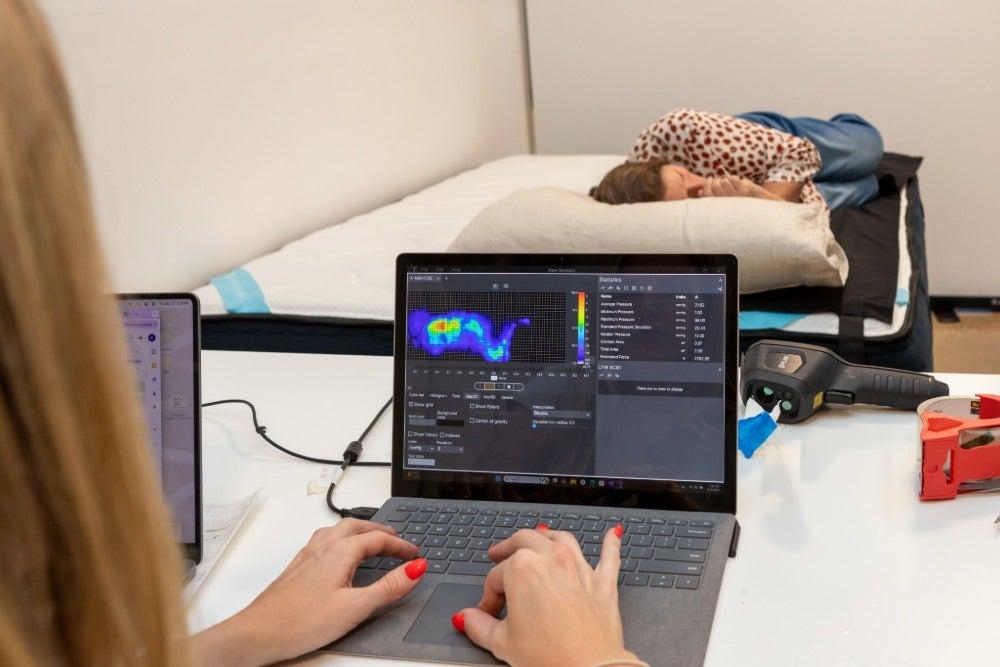
We developed a thorough testing process to evaluate the best memory foam mattresses. To ensure our testing aligns with our audience, our testers are older adults. We also surveyed over 300 older adults about their experiences buying and using mattresses to better identify the features that are important to them and their sleep challenges.
Nectar Memory Foam: Best Overall Memory Foam
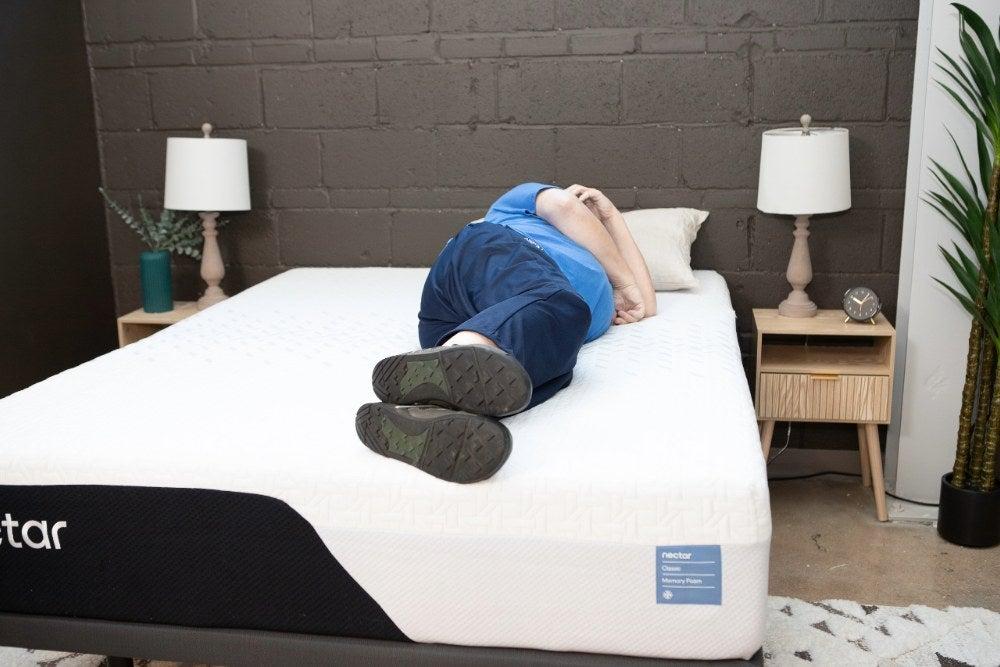
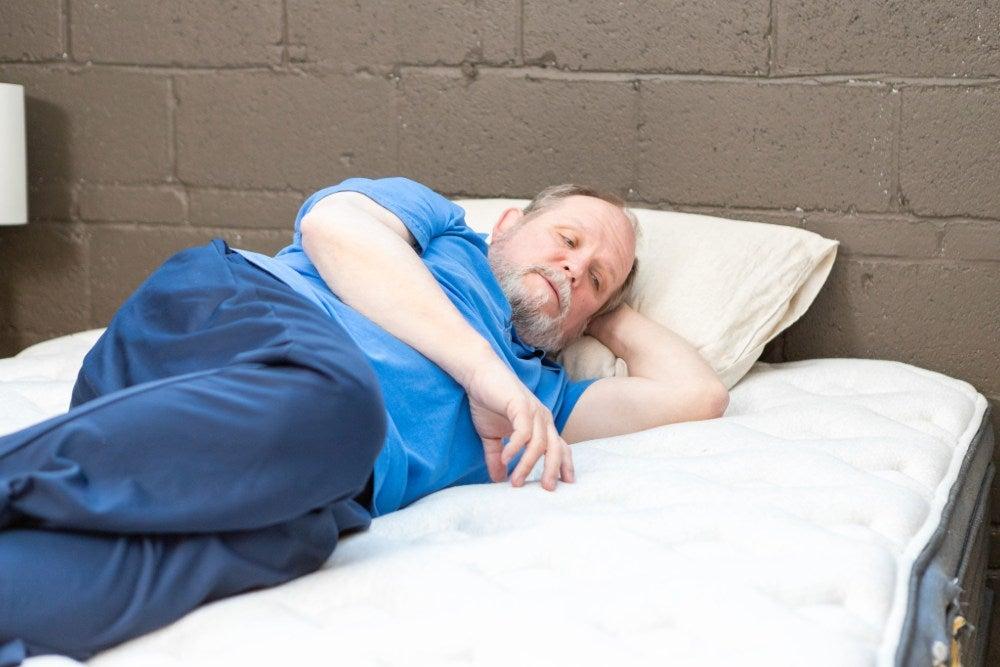
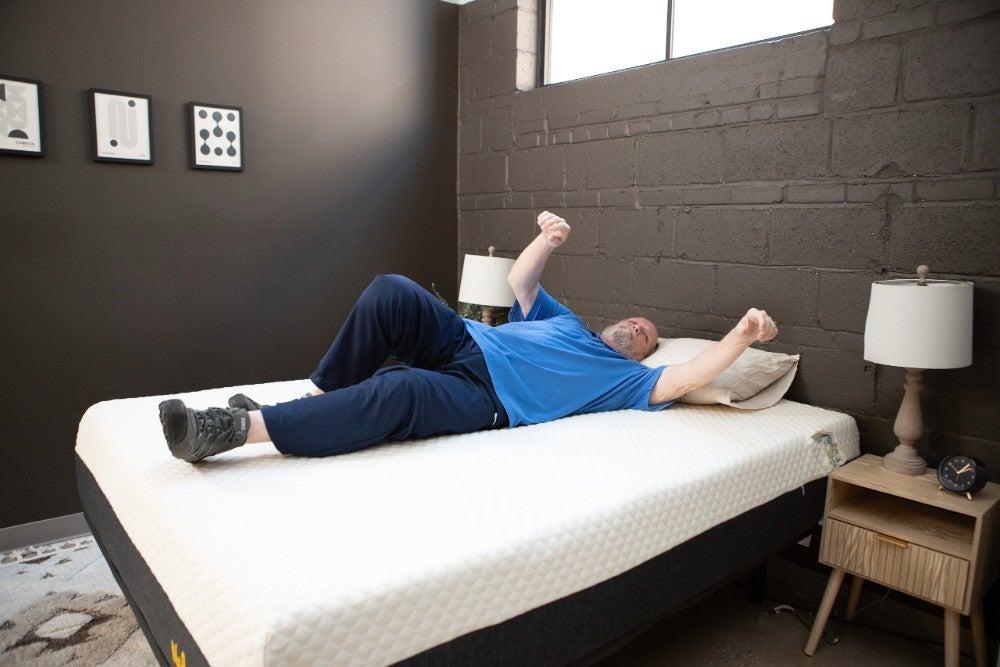
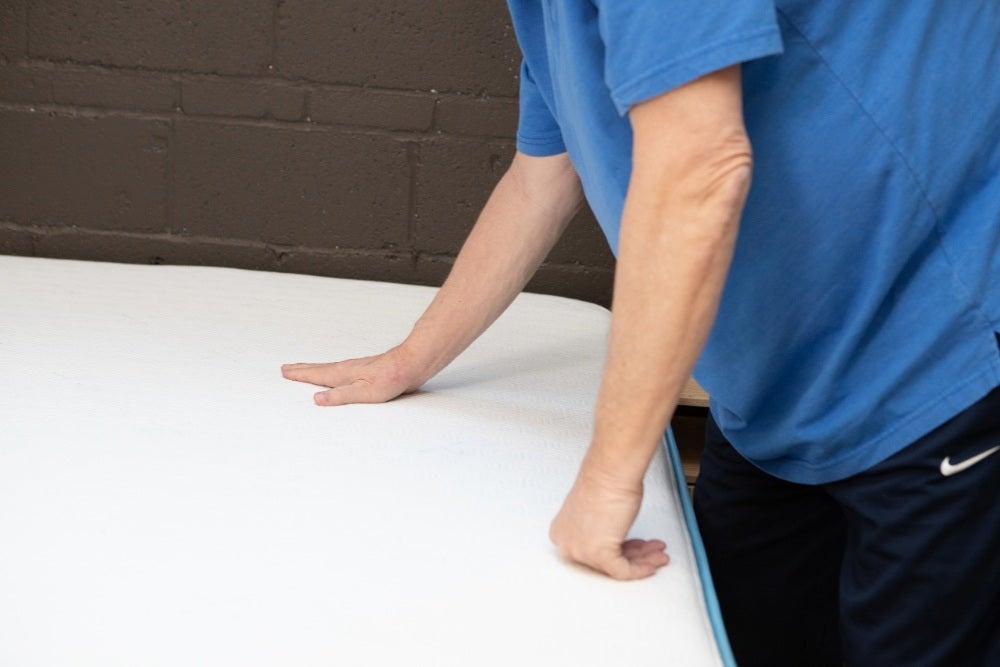
We chose the Nectar Memory Foam as the Best Overall Memory Foam Mattress due to its standout performance across nearly every category we tested. We were pleasantly surprised by its solid performance in areas where memory foam typically falls short, like bounce, edge support, and ease of movement.
- Nectar Mattress Review
- Comfortable for side, back, and stomach sleeping
- 365-night trial period for thorough testing
- Feels cool to the touch
- Our pain relief score: 4.31/5
- Accessibility score: 4.3/5
- Brand’s firmness rating: 6.5 (medium-firm)
- Warranty: Limited lifetime
Pros
- Feels cool to the touch
- Comfortable for side, stomach, and back sleepers
- Great bounce for easier movement
- Generous 365-night trial period
Cons
- The cover is not removable
- May be too soft for some
- The mattress is heavy and may require multiple people to move
DreamCloud Premier: Best Memory Foam for Couples
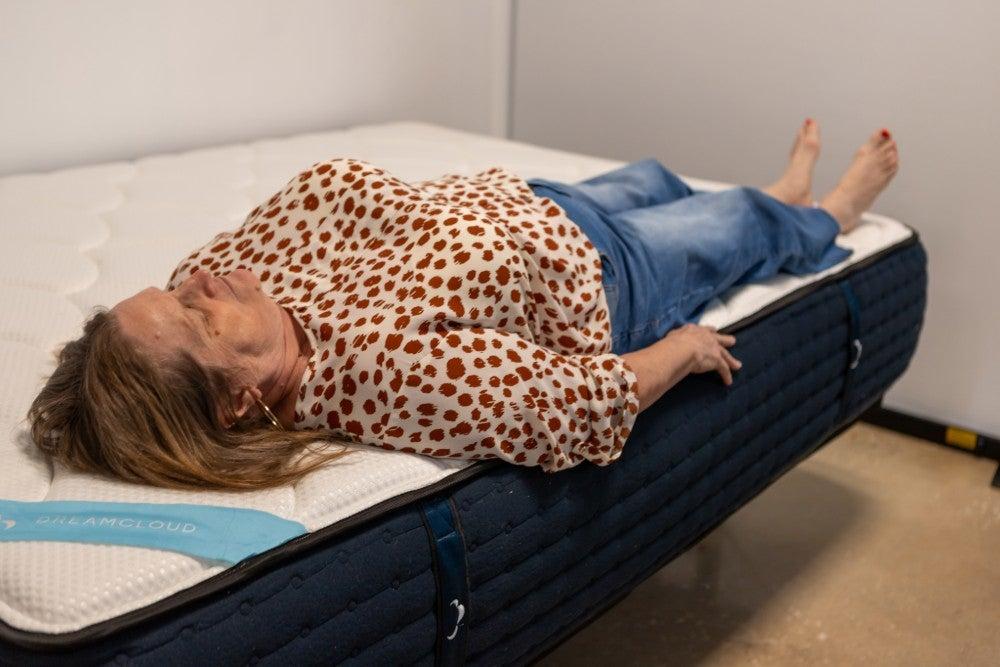
We selected the DreamCloud Premier as our top pick for Best Memory Foam Mattress for Couples for its excellent motion isolation. Our testers barely noticed when someone else got on the bed.
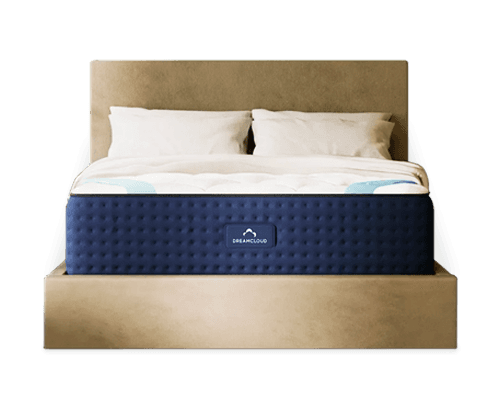
- DreamCloud Mattress Review
- Perfect score for motion isolation
- Good bounce and a responsive feel
- Great edge support
- Our pain relief score: 3.28/5
- Accessibility score: 3.57/5
- Brand’s firmness rating: 6.5/10 (medium firm)
- Warranty: Limited lifetime
Pros
- A perfect motion isolation score
- Generous 365-day sleep trial
- Many base and accessory bundles are available
- Great for back sleepers
Cons
- Mixed reviews on side sleeping
- Switching positions is a bit difficult
- 15-inch height may be too high for some bed frames
- The mattress ships in a box, which can be difficult to move and handle
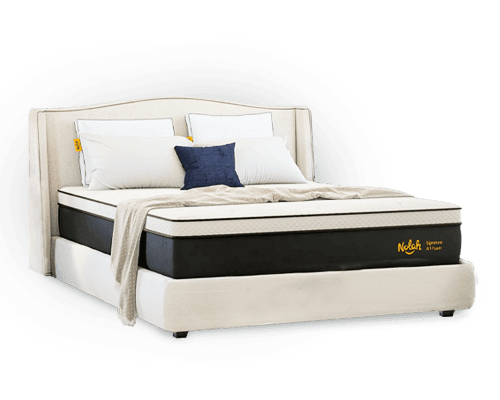
Nolah Signature: Best Memory Foam Mattress for Side Sleepers
We chose the Nolah Signature as our Best Memory Foam Mattress for Side Sleepers because of its unique zoned AirFoamⓇ ICE layer, which distributes body weight evenly to ease tension and relieve shoulder and hip pressure. Specifically designed for side sleepers, the bed aims to align the spine while contouring your body.
- Nolah Review
- Designed for maximum comfort for side sleepers
- A firm feel for easier movement
- Breathable, organic cotton cover
- Our pain relief score: 3.22
- Accessibility score: 3.57
- Brand’s firmness rating: 5.5/10 (Medium)
- Warranty: Limited lifetime
Pros
- Firm for easier movement and a supportive feel
- Strong edge support when getting in and out of bed
- Excellent motion isolation makes this mattress suitable for couples
- Can be used with an adjustable bed frame
Cons
- May be too firm for some sleepers
- Customer support isn’t available on weekends
- The 120-night sleep trial could be longer
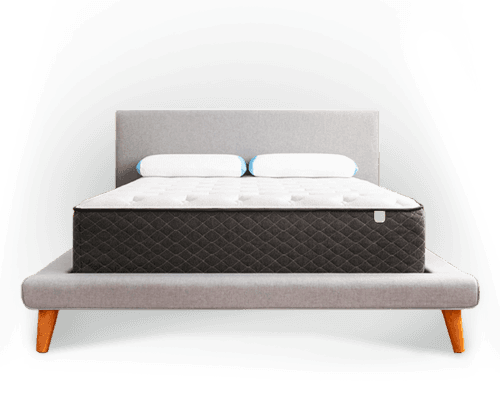
Bear Original: Best Cooling Memory Foam
We chose Bear Original as the Best Cooling Memory Foam for its breathable quilted cover and cooling gel memory foam. Since memory foam mattresses often trap heat, it can be challenging to find one that stays cool.
NCOA Exclusive Deal
40% off sitewide with code: NCOA40
- Bear Mattress Review
- Highest scores in our cooling test
- One of the most affordable mattress options
- Excellent motion isolation
- Our pain relief score: 3.28
- Accessibility score: 3.47
- Brand’s firmness rating: 7.1/10
- Warranty: Limited lifetime
Pros
- Sleeps cool, with only a slight temperature difference
- The mattress has a forgiving yet firm feel for better movement
- Great motion isolation
Cons
- Lack of edge support
- Our testers felt the mattress may be too firm for some sleepers
- The 120-night trial is shorter than others
- Customer support isn’t available on weekends
What is memory foam?
Memory foam is mainly made of polyurethane plus added compounds that change how it changes shape under pressure, stretches, and returns to its original shape. Memory foam is available in different densities and with different properties. By adding multiple layers of different foams, manufacturers can create mattresses with different firmnesses and features.
Memory foam pros
“The primary advantage of [memory foam] materials is their ability to shape themselves according to the body’s contours, which allows for even weight distribution,” said Gbolahan Okubadejo, MD, NYC area Spinal and Orthopedic Surgeon at The Institute for Comprehensive Spine Care. He explained that memory foam can also help minimize pressure on vulnerable regions like the lower back, hips, and shoulders, potentially relieving pain and allowing for better sleep quality.
Since memory foam mattresses can shape themselves to the body’s contours, they also promote spinal alignment. Sleeping with the spine aligned can help reduce strain for enhanced comfort.
According to Alex Dimitriu, MD, double Board-Certified in Psychiatry and Sleep Medicine and founder of Menlo Park Psychiatry & Sleep Medicine, memory foam can also help older adults to sleep through the night. “Memory foam mattresses are better at isolating movement, so moving bed partners are less likely to disrupt your sleep,” he said.
Memory foam cons
While memory foam mattresses can give you a cocooned, cozy feel, some of them lack support. You may find yourself sinking into the mattress, which can make it difficult to change positions or to get out of bed. Lack of support can also lead to poor spinal alignment, contributing to pain and discomfort.
Some memory foam mattresses trap heat, so they aren’t always right for people who tend to sleep hot. A softer mattress that lets sleepers sink in can feel even warmer. Many manufacturers use cooling sleep covers and strategically designed layers to avoid this heat buildup.
Because memory foam mattresses are made of many layers, they can be heavy and hard to move. Most manufacturers offer a white-glove delivery option, so buyers can have mattresses delivered to their homes and installed.
Who may like memory foam
- According to Dr. Dimitriu, side and back sleepers often find memory foam mattresses comfortable. “Stomach sleepers may benefit from a firmer mattress to prevent sinking in and misaligning the back,” he said.
- Those weighing less than 130 pounds may find memory foam mattresses particularly comfortable because they don’t sink down deeply into the mattress.
- Memory foam can help maximize comfort for people who have arthritis or other chronic pain (such as fibromyalgia). Its pressure-relieving properties may provide some pain relief.
Who may want to avoid memory foam
- Dr. Okubadejo explains that memory foam may not work well for stomach sleepers, since they may sink in too deeply, putting the spine out of alignment. “I generally advise patients to avoid stomach sleeping, especially on softer memory foam, as it can contribute to back and neck pain over time,” he said.
- People who easily overheat may want to avoid a memory foam mattress or carefully choose a mattress designed with cooling materials. Memory foam tends to trap heat, so those who sleep hot may find the mattress uncomfortable.
Memory foam performance vs. other mattress types
| Feature | Memory Foam | Latex | Hybrid |
| Pressure relief | Excellent | Very good | Very good |
| Motion isolation | Excellent | Good | Very good |
| Bounce/responsiveness | Fair | Very good | Very good |
| Cooling | Fair (improved with gels) | Very good | Very good |
| Support | Good | Very good | Excellent |
What to look for when buying a memory foam mattress
Memory foam mattresses offer many advantages, but they aren’t the right choice for everyone. Memory foam mattresses can vary significantly in everything from their firmness to their support, so it’s important to choose a mattress that’s right for your sleep preferences.
Based on research and testing, we think these are the most important factors to consider when buying a memory foam mattress.
Pressure relief
By reducing pressure, the mattress can help reduce pain and maximize comfort. “Older adults who remain mostly sedentary or experience limited mobility will benefit from pressure relief, as it helps protect their skin from irritation and prevents the development of pressure sores,” said Dr. Okubadejo.
Look for a memory foam mattress that helps evenly distribute your weight to avoid pressure points. It’s important that the mattress relieves pressure in the positions that you prefer to sleep in.

We surveyed older adults about their experiences buying and using mattresses. One respondent experienced a significant improvement when transitioning from an innerspring to a memory foam mattress. “It is like I sink into the mattress, but not in a bad way,” they said. “It gives me support but also is so comfortable. I sleep better and have no pain when I get up.”2
Edge support
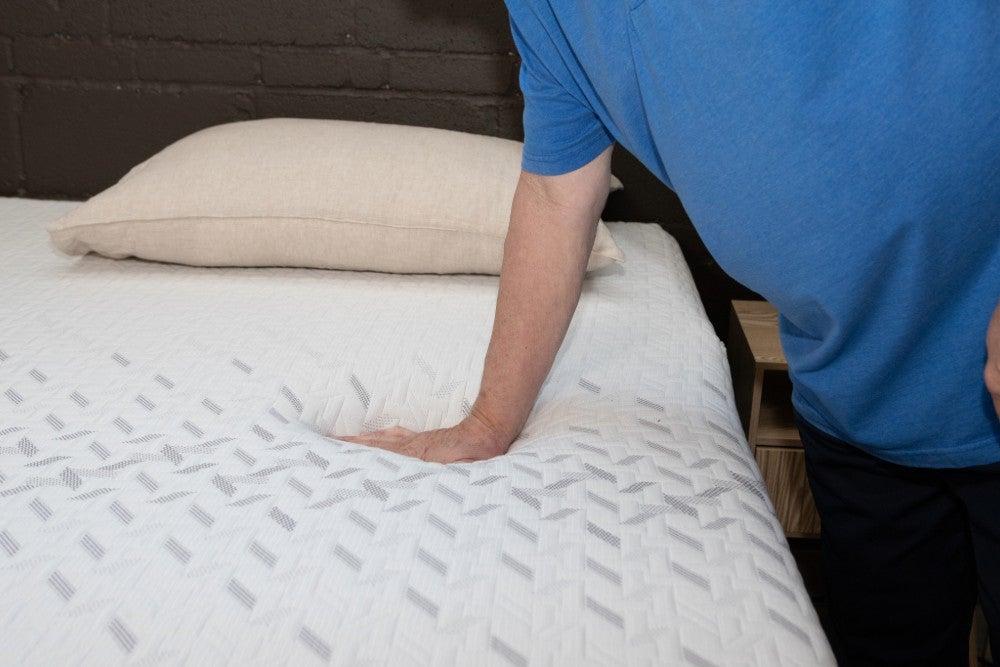
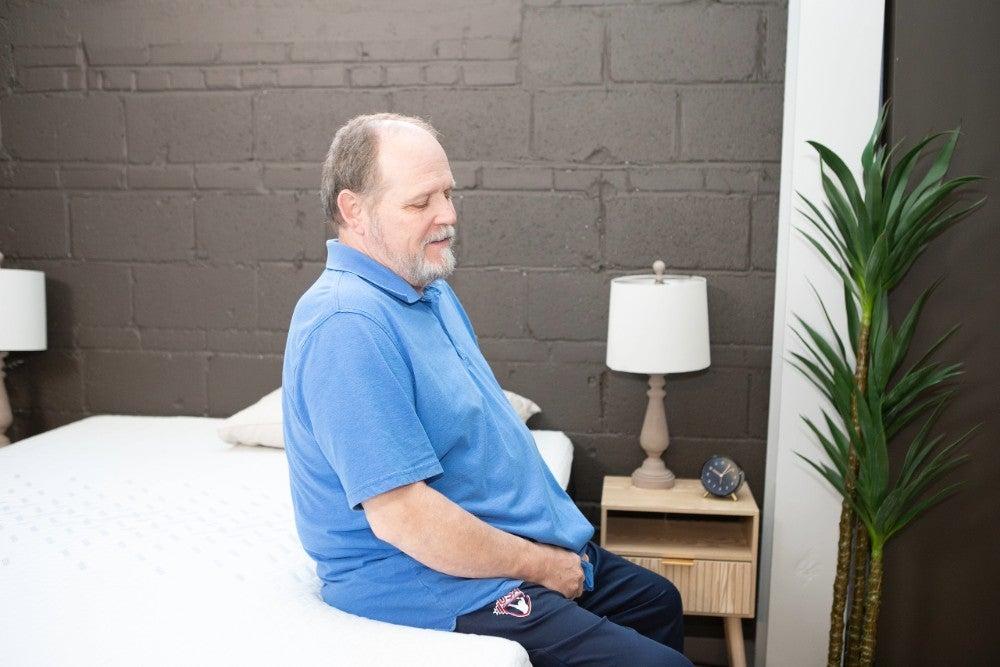
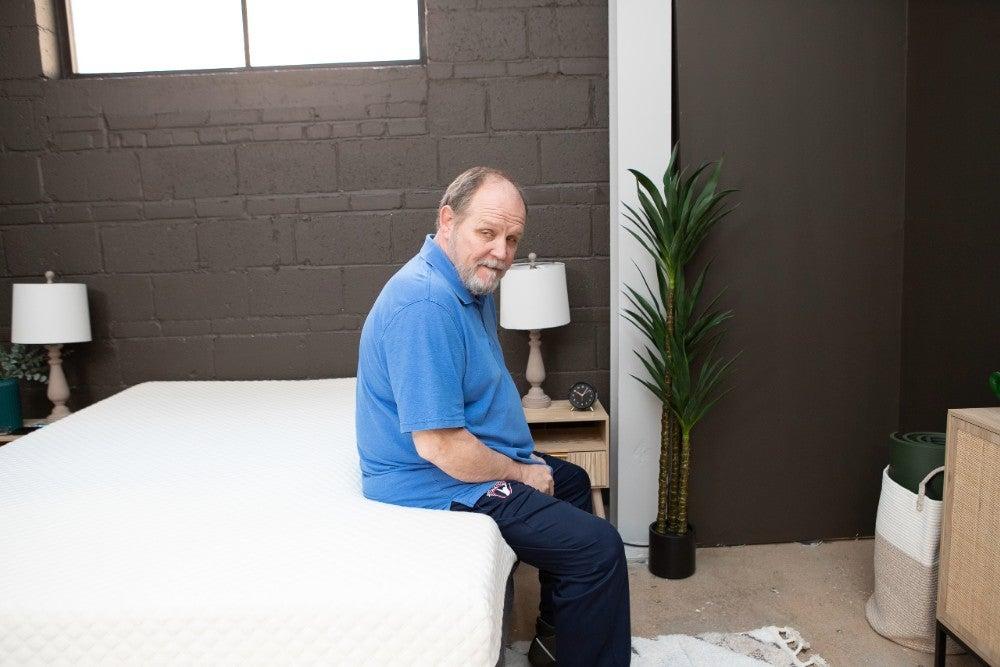
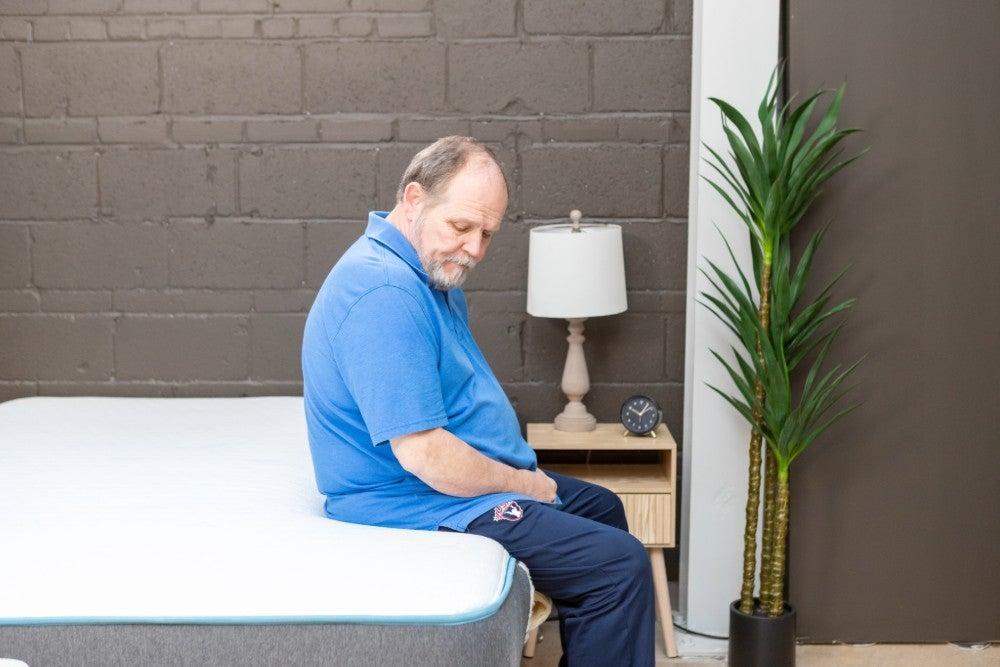
Since memory foam can be squishy, edge support is essential. Sitting on the edge of a bed can prompt older adults to tilt forward and can contribute to falls, especially when trying to get out of bed during the night in the dark.
“Edge support is important for most older sleepers, as it can make getting in and out of bed easier,” said Dr. Dimitriu. A mattress that lacks edge support can collapse significantly under your weight, and you may feel like there’s little surface left to push up to standing.
Sleeping position
Memory foam mattresses are often best for side and back sleepers, since they help relieve pressure but can also maintain better spinal alignment. Stomach sleepers may want to avoid memory foam, as it’s possible for the hips to sink too far down into the mattress, leading to strain and, eventually, pain. Here are some factors to consider when choosing a mattress for your sleeping position:
- Side sleeping: “Side sleepers [like] memory foam mattresses because they cushion the shoulders and hips while maintaining proper spinal alignment, which reduces pressure points and nerve compression,” said Dr. Okubadejo.
- Back sleeping: “Back sleepers receive benefits from a mattress that conforms to their spine’s natural curve while properly supporting their [lower back] region without applying excessive force,” said Dr. Okubadejo.
- Stomach sleeping: “The stomach sleeping position tends to create alignment issues,” Dr. Okubadejo explained. But stomach sleepers may find that a firmer memory foam mattress offers the support they need to stay well-aligned while sleeping.
Body weight
Weight can affect how comfortable you find memory foam mattresses.
- Lower-weight: Dr. Okubadejo says that people who weigh less than 130 pounds often prefer softer memory foam because their weight prevents them from sinking in deeply, so the foam molds to their shape without misaligning their spine.
- Medium-weight: Medium-weight sleepers can find memory foam mattresses comfortable, but it’s important they choose a medium-firm mattress that provides the support they need for optimal spinal alignment.
- Higher-weight: ”People who weigh above 230 pounds require firmer or higher-density memory foam mattresses to avoid sinking too much, which causes spinal support problems and back pain,” said Dr. Okubadejo.
The main objective is to sustain proper spinal alignment and reduce pressure points by selecting a mattress firmness that corresponds with both your body weight and preferred sleeping position,” said Dr. Okubadejo.
Cooling
Memory foam tends to trap heat, and many people may overheat at night. Those who naturally sleep hot may also find that some memory foam mattresses are too warm.
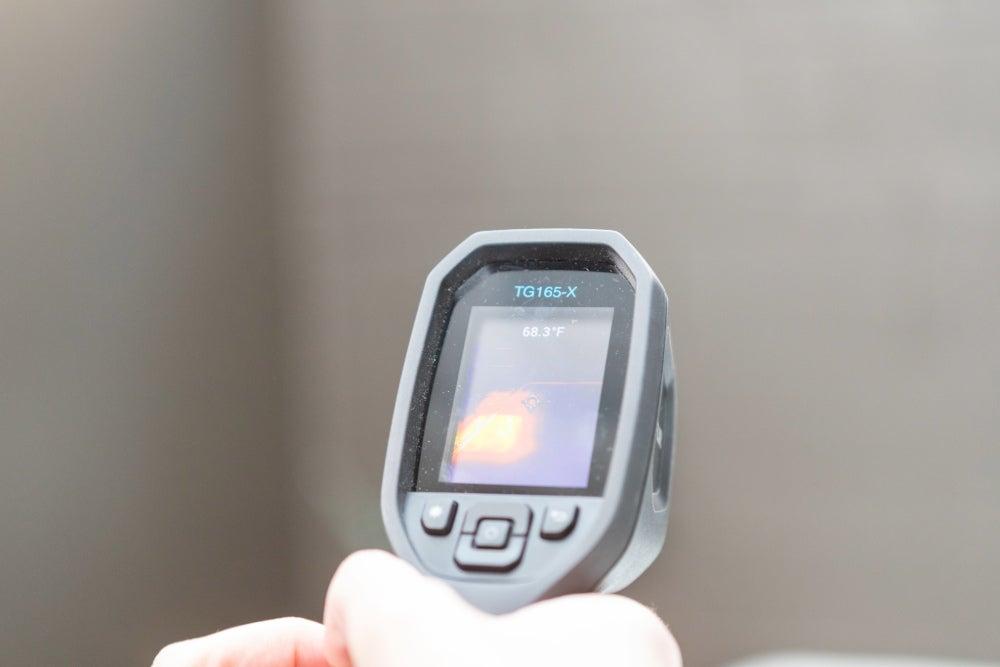
Many mattresses feature cooling components, such as covers designed to be cool to the touch or mattresses designed to promote breathability. These cooling features may help reduce the mattress’s temperature and keep sleepers comfortable.
How much do the best memory foam mattresses cost?
Memory foam mattresses can cost about $1,000–$6,000 or more. Many factors affect a mattress’s cost, including size, materials, brand and model, warranty length, and added features.
Costs of the best memory foam mattresses compared
| Comparison Features | Nectar Memory Foam |
DreamCloud Premier |
Nolah Signature |
Bear Original |
|---|---|---|---|---|
| Cost for a queen* | $1,615 |
$2,316 |
$1,799 |
$998 |
| Shipping costs | Free |
Free |
Free |
Free |
| White glove delivery available? | Yes, starting at $199 |
Yes, starting at $199 |
Yes, starting at $125 |
Yes, starting at $175 |
| Warranty length | Limited lifetime |
Limited lifetime |
Limited lifetime |
Limited lifetime |
| Return fees | Free |
Free |
$99 processing fee for pickup |
Free |
*Most mattress brands run frequent or ongoing promotions. Sale prices are typically lower and may change often.
How to save money on mattresses
There are several ways to save money on a new memory foam mattress. Look for sales and discounts, especially around holidays. Many retailers offer additional discounts for medical professionals, teachers, and first responders. Spend some time comparison shopping. You may find that you’ll get the best deal by buying a mattress online directly through the manufacturer, rather than through a third-party retailer like Amazon.
As you shop, consider the length of the warranty offered, which can give you a sense of the mattress’ expected lifetime. Most manufacturers offer in-home trial periods. A 120-night trial period is industry standard, but some trials are for as long as a year, which can give you plenty of time to try out the mattress and make sure it’s right for you.
How to clean memory foam mattresses
Regularly cleaning your memory foam mattress can help maintain it for many years. To keep your memory foam mattress clean without damaging the materials, here are some tips:
- Thoroughly vacuum the mattress using a brush attachment and a HEPA filter vacuum to remove any dust, hair, or dirt. Go slow and pay attention to the crevices around the mattress edges and corners. Vacuum the mattress weekly when you change your sheets.
- About once a month, sprinkle baking soda across the mattress top and let it sit for about 12 hours. Then, vacuum it up. The baking soda can help absorb odors and moisture from the upper memory foam layer.
- Clean set stains with a mild dish soap and water. Mist the mixture onto the stain with a spray bottle, blot it, and dry it thoroughly. You can repeat this process several times.
If you catch any stains while they’re still wet, blot and soak them up with a white kitchen towel. Mist the area with water and blot it with a clean towel. Repeat the misting and blotting process until the stain is removed, then allow the mattress to completely dry before putting sheets back on it.
Dr. Dimitriu recommends using a mattress protector and periodically airing out your mattress outside to help it last longer.
Frequently asked questions
What is the best memory foam mattress?
Based on our testing, the Nectar Memory Foam mattress is the best option for many, but it’s not necessarily the right choice for everyone. The best memory foam mattress is the one that fits your sleep preferences and needs, as well as your budget.
Are memory foam mattresses good?
Memory foam mattresses can be a great option. The mattresses can help relieve pain and isolate motion.
How long do memory foam mattresses last?
Memory foam mattresses tend to last about 10 years, but factors like the quality of the materials used in the mattress, the sleeper’s body weight, how often the mattress is used, and whether it’s cared for and regularly rotated will all affect its lifespan.
How do you clean a memory foam mattress?
To clean a memory foam mattress, periodically remove the sheets and the cover (if the cover is removable) and thoroughly vacuum the mattress. Spot clean any stains and treat any odors by sprinkling baking soda over your mattress, leaving it to sit for 12 hours, and vacuuming it up.
What size memory foam mattress is best?
It’s important to choose a memory foam mattress that’s large enough to give you plenty of space while sleeping, and to reduce the chance of you rolling off the bed’s edge while you sleep. Larger mattresses tend to be heavier, so you may need to plan for help getting your mattress into your home. Many mattress companies offer white glove delivery for an additional fee, so you don’t have to worry about moving and installing the mattress yourself. If you’re looking for a very large mattress, consider a split king, which arrives as two mattresses that you fit together. The split king design can make it easier to move your mattress as needed.
Questions? Reach out to reviewsteam@ncoa.org.