
Best Mattresses for Spinal Stenosis: Our Top Picks for Pain Relief
It’s one of the more common causes of back pain among older adults, but the right mattress may help.

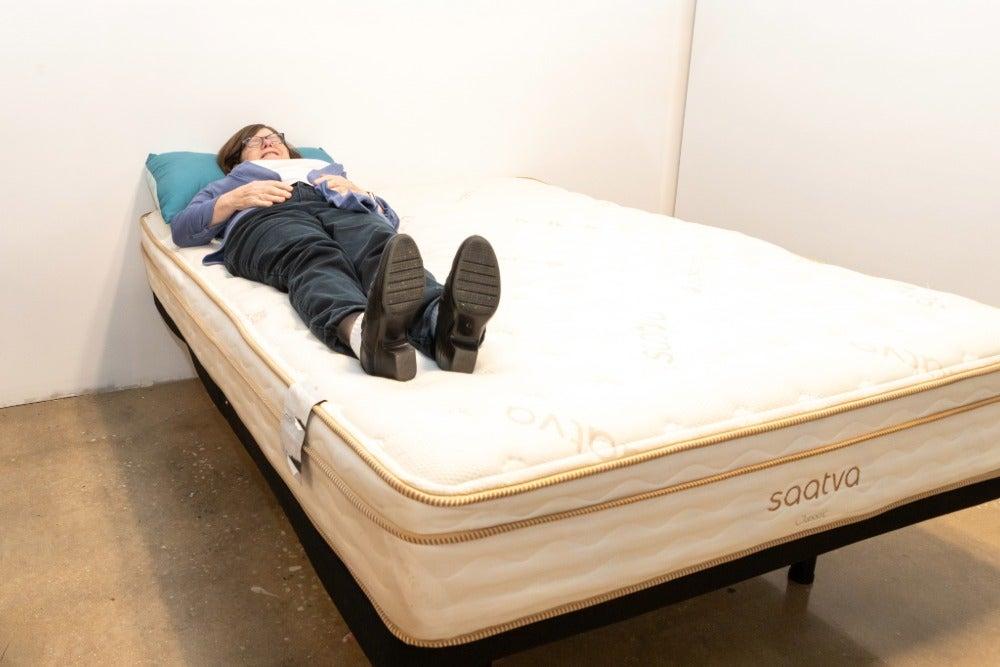
- The best mattress for spinal stenosis overall is the Saatva Classic Luxury Firm, which had the highest pain relief scores in our testing. It provides great pressure relief for the back. Saatva has one of the longest trial periods and best warranties in the industry and comes with free white-glove delivery.
- The best mattresses for spinal stenosis range from $998–$2,856 (before discounts) for a queen-size mattress.
- Older adults will want to consider pressure relief, pain relief, spinal support, and accessibility when it comes to choosing the best mattress for them.
- People with spinal stenosis find the most relief when sleeping on their side or back, so finding a mattress that’s supportive for those positions may help.
NCOA supports everyone’s right to age well. We take the time to research, test, and recommend products that can help you live a healthier life. We’ve spent more than 2,500 hours researching and testing mattresses to give you the most accurate product reviews. To find the best mattresses, we:
- Consulted with sleep specialists like doctors, occupational therapists, and physical therapists for guidance on choosing the best mattress
- Put more than 130 models through a series of 19 different tests at our in-house lab
- Mystery-shopped more than 40 brands
- Surveyed more than 2,000 older adults on their sleep quality
- Interviewed experts on the importance of good sleep for older adults
- Worked with older adult testers to evaluate mattresses and get their opinion
- Read thousands of verified customer reviews
We’re constantly testing new mattresses and sleep products to give you the most accurate and up-to-date recommendations. Read more about our mattress review methodology.
Part of finding the best mattresses for older adults is taking into account some of the physical changes that occur as we age and how they impact sleep. Back pain is an extremely common one. It affects 45% of people 65+, according to the Centers for Disease Control and Prevention.1 “Anyone with back pain will tell you that sleeping is a challenge,” said Jeremy Smith, MD, chief of spine surgery at Hoag Orthopedic Institute in Irvine, California. Along with proper medical treatment, finding the best mattress for spinal stenosis may help.
“Spinal stenosis occurs when the area inside the spinal column shrinks through age, wear and tear, or osteoarthritis,” said Dr. Smith. That can put pressure on nerves in the spine and cause:
- Pain, most commonly in the neck or lower back
- Numbness or weakness
- Tingling feeling in your legs, arms, or hands
These symptoms can make finding a comfortable sleeping position difficult. Much like the best mattresses for back pain, the best mattress for spinal stenosis is medium-firm with good support for the neck and lower back and keeps the spine in a neutral position. Our overall winner, the Saatva Classic, has all those features. Read on to find out more—and see which other mattresses made our roundup.
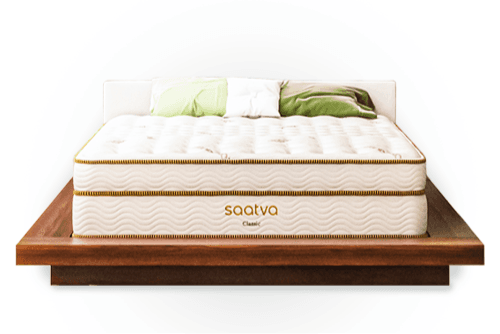
Best Overall
Saatva Classic Luxury Firm
Cradles and supports pressure points to help ease pain with great pressure relief for the back and side
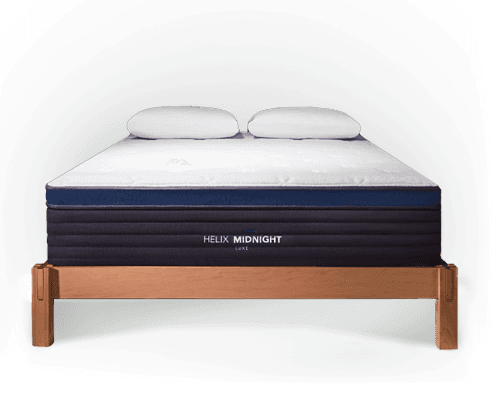
Best for Lower Back Pain
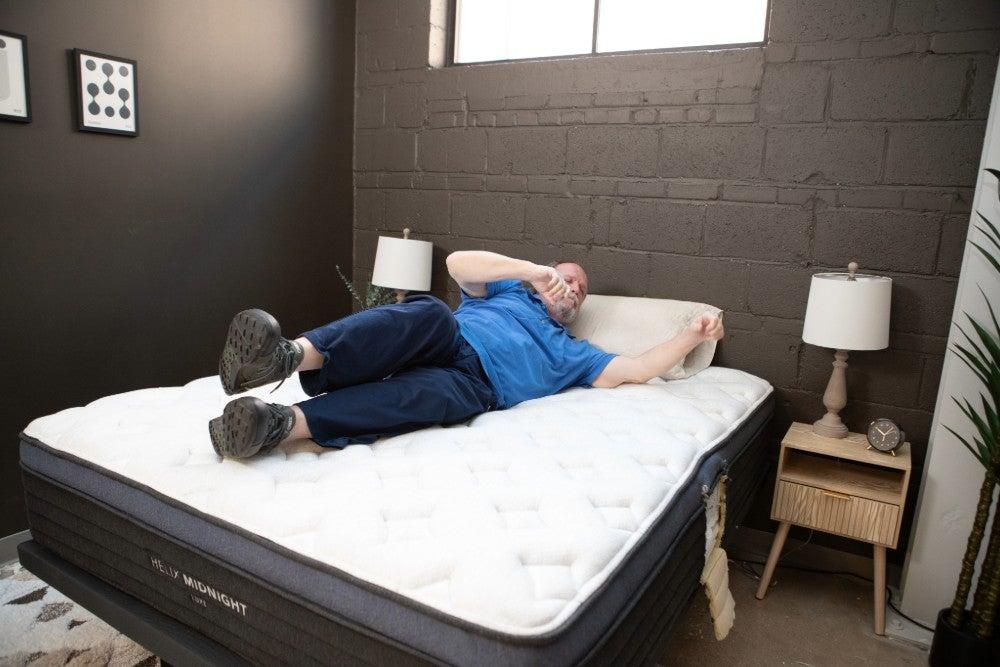
Helix Midnight Luxe
Earned top back pressure and pain relief testing scores, and offers reinforced support for the low back
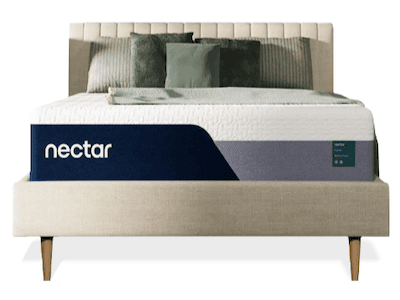
Best for Side Sleepers
Nectar Premier Memory Foam
Can help relieve pressure on shoulders, hips, and neck; earned a high pain relief score
Best mattresses for spinal stenosis in 2026
- Saatva Classic Luxury Firm: Best Overall
- Helix Midnight Luxe: Best for Spinal Stenosis and Lower Back Pain
- Nectar Premier Memory Foam: Best for Side Sleepers with Spinal Stenosis
- The WinkBed Plus: Best for Arthritis and Spinal Stenosis
- Bear Original: Best Cooling Mattress for Spinal Stenosis
- Nolah Evolution Luxury Firm: Best for Couples with Spinal Stenosis
- Titan Plus Core: Best for Higher-Weight Sleepers with Spinal Stenosis
- Birch Natural: Most Accessible Mattress for Spinal Stenosis
Need help picking out the right mattress?
Answer 3 simple questions to find a mattress that meets your needs.
Comparing the best mattresses for spinal stenosis in 2026
| Comparison Features | ||||||||
|---|---|---|---|---|---|---|---|---|
| Score (out of 10) | 9.4 |
9 |
9.2 |
9.2 |
7.9 |
9.2 |
9.1 |
9.2 |
| Best for | Best Overall |
Lower Back Pain |
Side Sleepers |
Arthritis |
Cooling |
Couples |
Higher-Weight Sleepers |
Most Accessible |
| Brand firmness rating (out of 10) | 6 |
6 |
6.5 |
8.5 |
7 |
6.5 |
9 |
6.5 |
| Trial period (nights) | 365 |
100 |
365 |
120 |
120 |
120 |
120 |
100 |
*Ratings reflect a brand's overall offering; the best overall pick doesn't necessarily have the highest score
Video: Best Mattress for Lower Back Pain and Sciatica
Spinal stenosis can cause discomfort that makes it difficult to get good sleep. In the video below, our experts review mattresses that may help with pressure relief and spinal support, two factors that are especially important for people with spinal stenosis.
How we test to find the best mattress for spinal stenosis
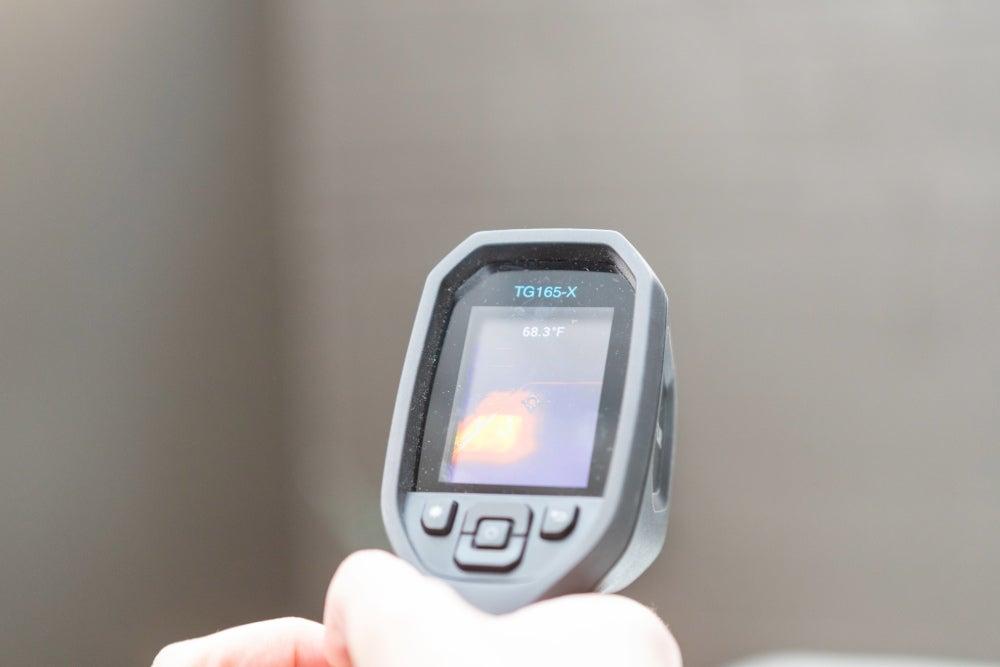
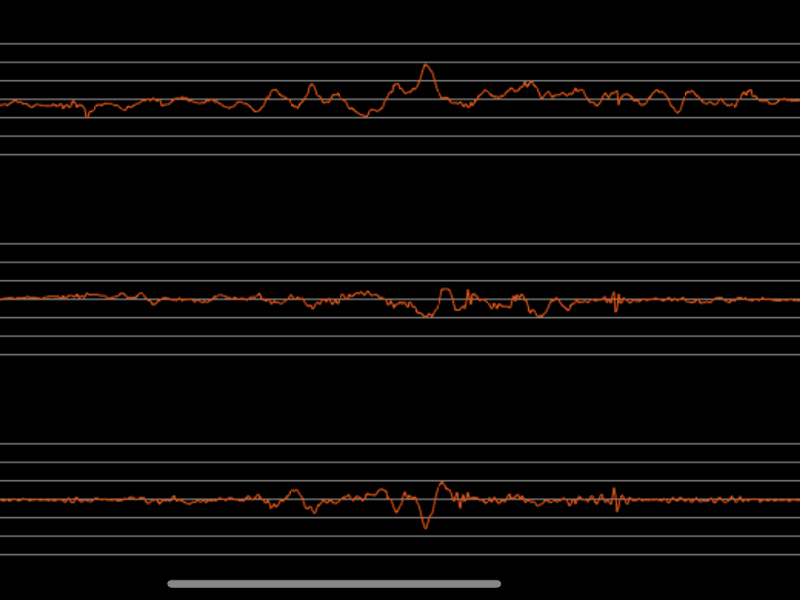
We tested the following factors to find the best mattresses for spinal stenosis:
Saatva Classic Luxury Firm: Best Mattress Overall
We chose the Saatva Classic Luxury Firm as our Best Mattress for Spinal Stenosis Overall because it has excellent support for back and side sleepers. It earned the best pain relief score of any mattress we tested.
- Saatva Review
- Cradles and supports pressure points to help ease pain
- Great pressure relief for the back and side
- Reinforced support for lower back
- Solid edge support for easier movement
- Our pain relief score: 4.87/5
- Accessibility score: 4.55/5
- Mattress type: Hybrid
- Brand’s firmness rating: 6/10
Pros
- Excellent back pain and pressure relief
- Stable edge support makes switching positions easier
- Quality construction and materials
- Free white glove-delivery and long trial period (365 nights)
Cons
- May feel a partner’s movements
- Only average at cooling
- Only one height is compatible with an adjustable bed frame
Helix Midnight Luxe: Best for Spinal Stenosis and Lower Back Pain
We chose the Helix Midnight Luxe as our Best Mattress for Spinal Stenosis and Lower Back Pain because it was one of the top mattresses we tested for easing lower back pain and pressure, especially with the optional ErgoAlign layer ($259).
- Helix Review
- Earned top back pressure and pain relief testing scores
- Reinforced support for the low back
- Luxury, plush feel but still firm enough to support movement
- Our pain relief score: 4.21/5
- Accessibility score: 4.06/5
- Mattress type: Hybrid
- Brand’s firmness rating: 6/10
Pros
- Great pain relief scores
- Extra supportive for the back, especially with ErgoAlign
- Not overly contouring or soft
- Solid surface makes it easier to switch positions
- Keeps the spine aligned and back neutral
Cons
- Edges could be stronger
- Partners may feel each other move
- Shorter-than-average trial period (100 days)
- White glove-delivery costs extra (starts at $119)
Nectar Premier Memory Foam: Best for Side Sleepers with Spinal Stenosis
We chose The Nectar Premier Memory Foam as the Best Mattress for Side Sleepers with Spinal Stenosis because it was great at relieving pressure and pain in the side sleeping position. It is also compatible with an adjustable base, which can help people with spinal stenosis get the comfort and support they need.
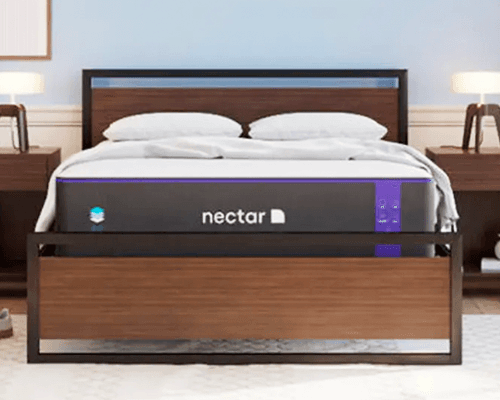
- Nectar Review
- Helps relieve pressure on shoulders, hips, and neck
- High pain relief score
- Good firmness level for side sleepers
- Our pain relief score: 4.02/5
- Accessibility score: 4.06/5
- Mattress type: Memory foam
- Brand’s firmness rating: 6.5/10
Pros
- Outstanding side pressure relief test scores
- As responsive as many innerspring or hybrid mattresses
- Supports spine in a neutral position
- Long free trial period (365 nights)
Cons
- May feel too soft for some
- Edges could be more stable
- Comes in only one firmness option
The WinkBed Plus: Best for Arthritis and Spinal Stenosis
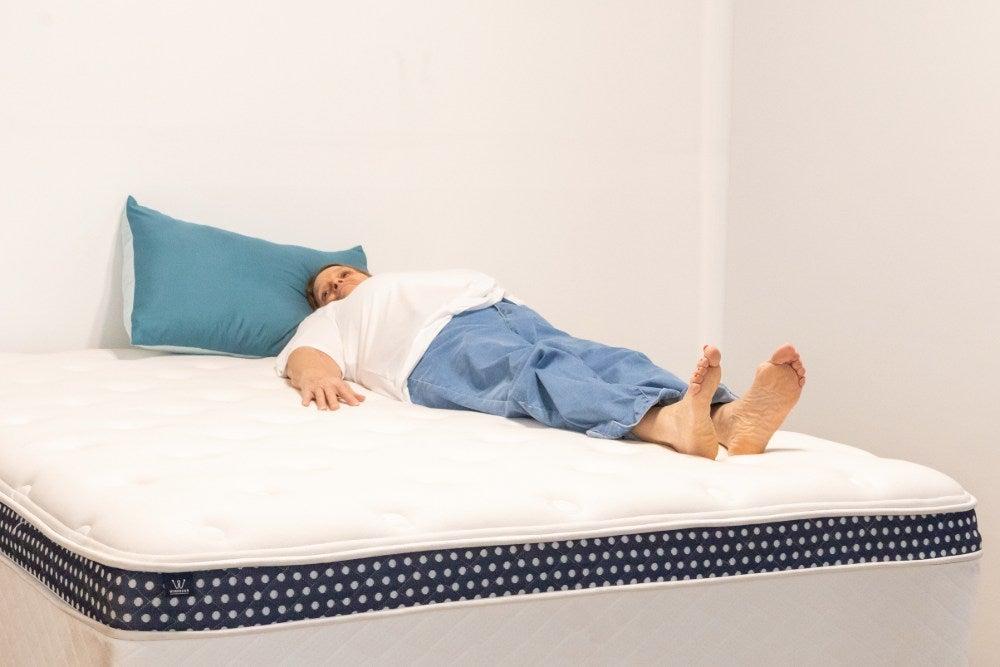
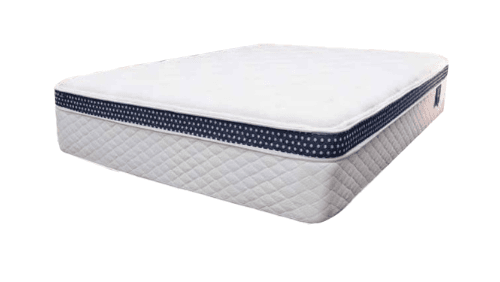
We chose The WinkBed Plus as the Best for Arthritis and Spinal Stenosis for its high pain-relief score and strong, even spinal support. With foam to cradle achy joints and springs to relieve pressure and improve mobility, this medium-firm mattress is a good choice for anyone dealing with chronic back and joint pain.
- WinkBed Review
- Great at easing joint and back pain and pressure
- Made of breathable materials that stay cool
- Responsive support makes moving on it easier
- Our pain relief score: 4.78/5
- Accessibility score: 4.51/5
- Mattress type: Hybrid
- Brand’s firmness rating: 8.5/10
Pros
- Great pain relief for joints
- Made for higher-weight sleepers
- Regulates temperature well so you sleep cool
- Excellent responsiveness for those with mobility issues
- Zoned support for low back
Cons
- Movement may wake up partner
- No option for white-glove delivery (in-home set-up)
- May be too firm for some
Bear Original: Best Cooling Mattress for Spinal Stenosis
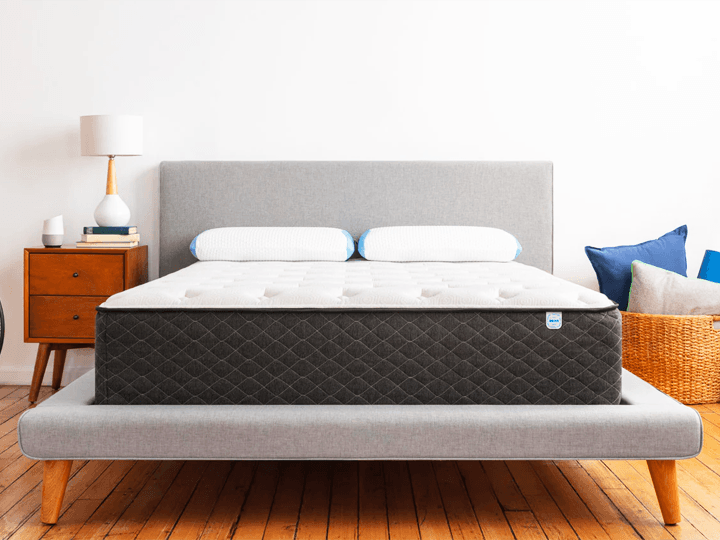
We chose the Bear Original as our Best Cooling Mattress for Spinal Stenosis because it showed the smallest temperature change in our heat-gun tests, just over 3 degrees. That earned the Bear Original the only 5/5 perfect cooling score out of all the mattresses we tested.
- Bear Review
- Exceptional cooling
- Lowest-priced mattress in this review
- 120-day trial period and limited lifetime warranty
- Offers white-glove delivery for an extra fee
- Our pain relief score: 3.37/5
- Accessibility score: 3.51/5
- Mattress type: Hybrid
- Brand’s firmness rating: 7/10
Pros
- Best mattress we tested for temperature regulation
- Good for maintaining spinal alignment
- One of the more affordable mattresses we’ve tested
- Third-party certified to meet chemical exposure standards
Cons
- May feel too firm for some
- People with mobility issues may want a bouncier mattress
Nolah Evolution Luxury Firm: Best for Couples with Spinal Stenosis
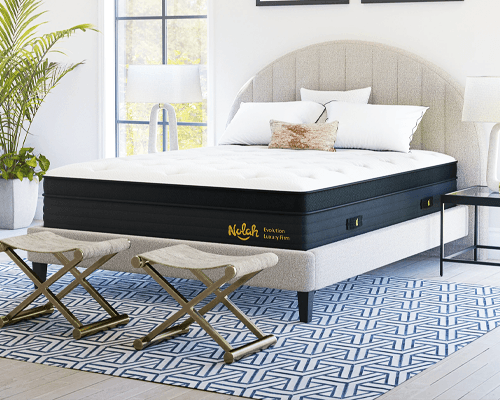
We chose the Nolah Evolution Luxury Firm as our Best Mattress for Couples with Spinal Stenosis because of its targeted support for the lower back, high pain and pressure relief scores, and ability to minimize motion as well as top memory foam mattresses in our tests.
- Limits motion transfer between partners
- Top marks for back pain and pressure relief
- Sleeps cool
- Our pain relief score: 4.31/5
- Accessibility score: 3.96/5
- Mattress type: Hybrid
- Brand’s firmness rating: 6/10
Pros
- Great motion isolation, so you’re unlikely to feel a partner move
- High pain relief test scores
- Can help relieve pressure on back
- Zoned support for the low back
- Good for anyone with mobility issues
Cons
- May not feel firm enough for higher-weight sleepers
- Edge support could be stronger
- Cooling is only average
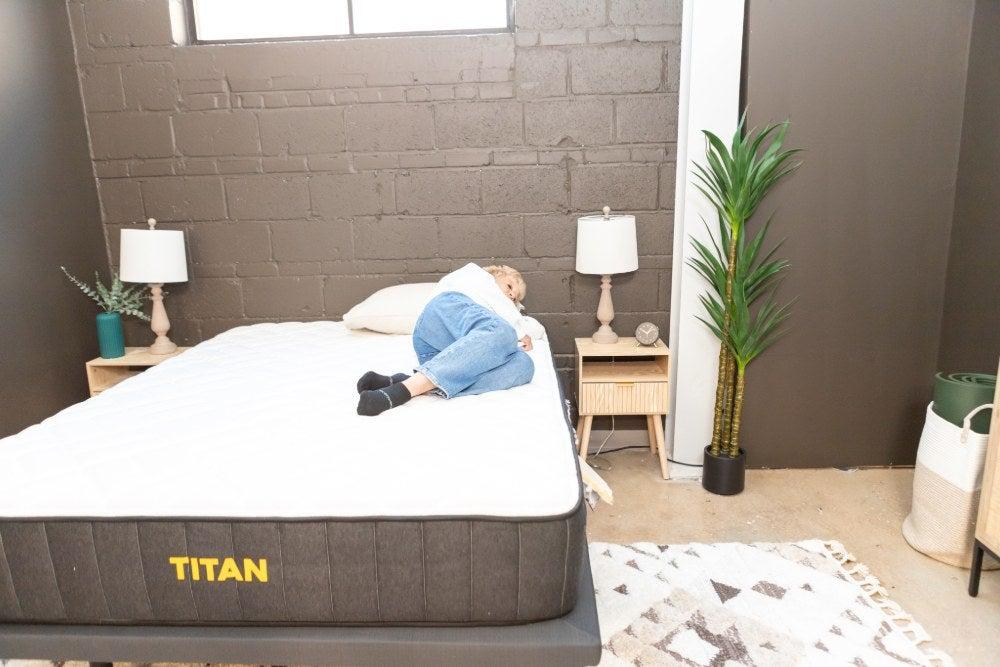
Titan Plus Core: Best for Higher-Weight Sleepers with Spinal Stenosis
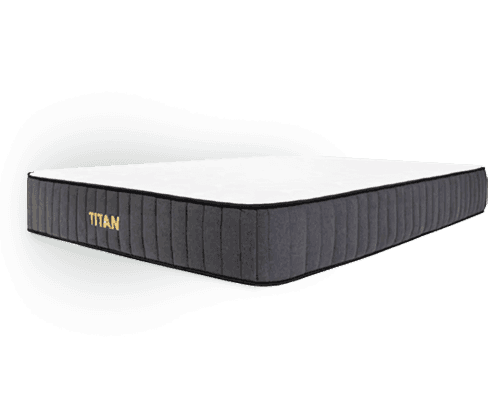
We chose the Titan Plus Core as the Best for Higher-Weight Sleepers with Spinal Stenosis because it scored in the top third of every category we tested, including back support and pain relief. The Titan Plus Core is designed for higher-weight sleepers and has the highest weight limit of any mattress on this list at 1,000 pounds.
- Titan Review
- Helps keep spine neutral and neck supported
- Built specifically for higher-weight people
- Individually wrapped coils for great pressure relief
- Our pain relief score: 4.36/5
- Accessibility score: 4.30/5
- Mattress type: Hybrid
- Brand’s firmness rating: 9/10
Pros
- Firmness helps keep spine aligned and neck neutral
- Relieves pressure on side, back, and neck
- Highest weight limit on this list (1,000 pounds)
- Easier to get in and out of
- Great value for the price
Cons
- Lighter-weight sleepers may not get enough pressure relief
- Might be too firm for some sleepers
- No white glove delivery (delivery and setup of new mattress and removal of old mattress)
Birch Natural: Most Accessible Mattress for Spinal Stenosis
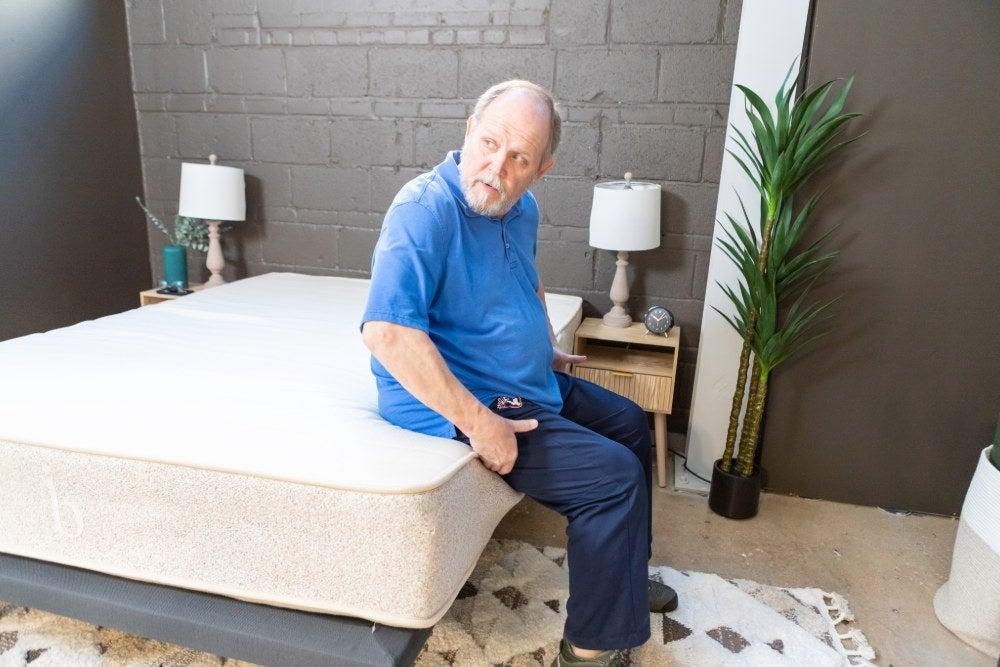
We chose the Birch Natural as our Most Accessible Mattress for Spinal Stenosis because it had the highest test scores in areas that help with mobility, such as edge support and responsiveness. This mattress also has great back support scores and is made with natural and organic materials, which is a plus for anyone with sensitivities to synthetic chemicals.
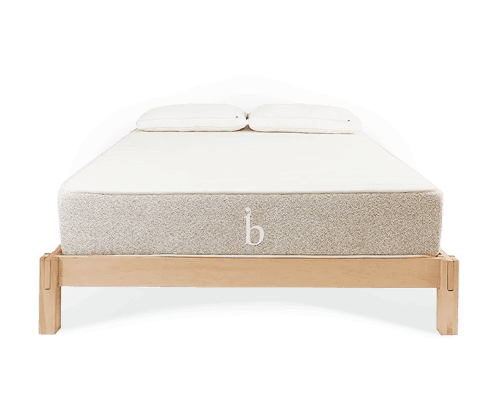
- Birch Review
- One of the easiest mattresses to get in and out of
- Natural and organic construction materials
- Strong, stable edges
- Our pain relief score: 4.55/5
- Accessibility score: 4.51/5
- Mattress type: Hybrid
- Brand’s firmness rating: 6.5/10
Pros
- Easier to get in and out of
- Strong, stable edges make it easier to stand up
- Made with natural and organic materials
Cons
- Motion transfer may wake lighter sleepers
- Not suitable for stomach sleepers
- Shorter trial period (100 days)
Our process testing the best mattresses for spinal stenosis
Our team has spent thousands of hours researching and testing mattresses so you can feel confident in our reviews. We work with experts in sleep, physical therapy, and occupational therapy to know what features are most important when searching for the best mattresses for spinal stenosis.

“Most people over age 50 have some degree of spinal stenosis, and about 20% of adults over age 60 will typically experience some symptoms.”
—Jeremy Smith, MD, chief of spine surgery at Hoag Orthopedic Institute in Irvine, California
For this review, we personally tested 30 mattresses identified through our research to offer spinal stenosis pain relief and ease pressure on the back. Each mattress was put through rigorous testing by older adults with pain, to ensure we have real-world data about how they perform.
We considered these important factors when testing the best mattresses for spinal stenosis:
Firmness levels
A medium-firm mattress tends to offer the best balance between spinal alignment and pressure relief. Past testing has shown that firmer mattresses sometimes feel softer to people of a higher weight.
Pressure relief
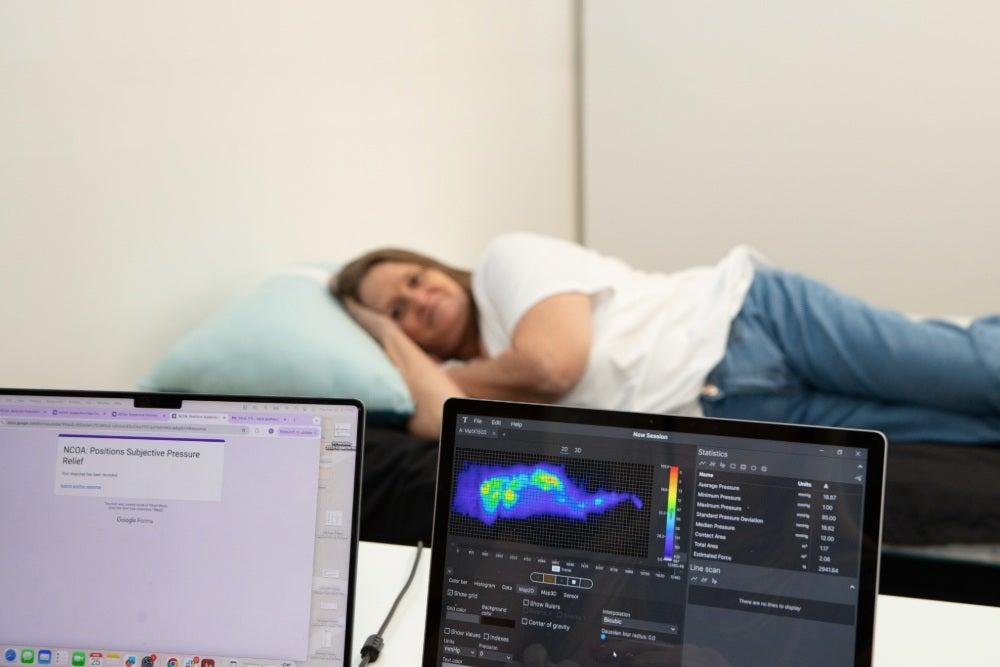
People with spinal stenosis often need extra support for the lower back and neck. Our pressure relief score reflects our testers’ experiences on the mattress and the results shown on our pressure map. The pressure map uses sensors to show how much pressure the body feels when lying on the mattress. Blue and green show great pressure relief. Yellow, orange, and red show places where pressure builds up.
Experts agree that sleeping on your back or side is generally the best position for reducing spinal stenosis symptoms. For that reason, we looked for high scoring mattresses for pressure relief in those two sleeping positions, especially beneath the shoulders, back, hips, and neck (areas where pressure commonly builds up).
Zoned support
Some mattresses have extra foam or reinforced springs in the area below the lower back. This is called zoned support. It makes the mattress firmer to support the lower back and slightly softer at the hips and shoulders. That can reduce pressure on the spinal nerves and possibly bring some relief. We referred to our pressure map tests and asked testers how supported they felt in key areas (neck, shoulders, back, and hips) to assess how well the zoned support was working in mattresses with it. For more information on zoned support, see our review of the best mattresses for hip pain.
Spinal alignment
Spinal stenosis most often affects the lower back. So a good mattress, like an orthopedic mattress, that can support the spine in those areas and keep it in a neutral position, may help ease back strain. We looked for mattresses that are supportive throughout the spine while offering enough cushioning to relieve pressure on the joints. We asked testers how they felt lying on their side and had them lie on each mattress to assess the level of support it provided to people of varying weights. When a mattress has to hold more weight overall, distributing that weight evenly is key to keeping the spine in a neutral position, whatever position you sleep in.
Pain relief
Unique to NCOA, a high pain relief score indicates that a mattress has a good balance of pressure relief, edge support, and bounce. This usually means a mattress is both firm and comfortable to move on, a great combination for people who may find changing positions or getting in and out of bed difficult due to spinal stenosis or other forms of chronic back pain.

7% of the respondents to our survey reported having spinal stenosis.
—NCOA 2025 Pain and Position Sleep Survey3
Understanding spinal stenosis and sleep
“Sleep difficulty from back pain often is the last straw for many patients who think the pain will resolve on its own in a few weeks," said Dr. Smith, the chief of spine surgery in California. “That’s when they go to a doctor’s office seeking relief.”
When you have spinal stenosis, it can feel like a vicious cycle. You can’t sleep because of the pain in your back or neck, but lack of sleep can make symptoms worse. “Poor sleep can [increase] pain perception, reduce pain tolerance, increase body inflammation, and increase fatigue,” said Dr. Giuffrida. “It can in turn worsen daytime function. Conversely, increased pain from stenosis can disrupt sleep due to discomfort, leg cramps, or numbness.”
Spinal stenosis is one of the top causes of back pain in people over age 50. “Age is the strongest risk factor, as degenerative changes like disc bulging, arthritis, and ligament-thickening accumulate over time,” said Dr. Giuffrida. It occurs when the spinal canal narrows, which can compress the spinal nerves. That can result in pain, numbness, tingling, and/or weakness in the lower back and neck that can spread to the arms or legs.
The number of spinal stenosis cases in the United States are expected to increase to about 18 million in the next decade.4
“People with spinal stenosis often face several sleep challenges that can significantly impact rest and recovery,” said Dr. Giuffrida. When spinal stenosis occurs in the lower back, it might cause leg pain and numbness at night. It can make it difficult to find a comfortable position. “Lying flat can worsen symptoms due to lumbar extension, leading to increased pain,” he continued.
Cervical stenosis may contribute to neck pain, tingling in the arms or hands, and difficulty finding enough head and neck support during sleep. It’s common to be woken up by nerve irritation and discomfort as people change positions during the night.
There is no real cure for spinal stenosis, but the symptoms can be managed with medical care and lifestyle changes. One of those is choosing a mattress and/or accessories that can support you properly if you have spinal stenosis. “Sleep position and quality of sleep are important elements in managing spinal stenosis,” said Dr. Smith. Medium-firm mattresses offer the best support for patients with back pain.
Sleep positions and spinal stenosis
Like most people with back pain, people with spinal stenosis can struggle with sleep. “Finding the right sleep position is key to managing spinal stenosis symptoms,” said Dr. Smith. “I tell my back pain patients to experiment until you find a position that provides some relief of your pain. Some adjust their bodies with pillows, some like to lie flat on their back.” Read on for expert advice about sleep position and spinal stenosis.
Best sleeping positions for minimizing back pain
“The best position for minimizing pain is side sleeping with the knees slightly bent and a pillow placed between them, which helps open the spinal canal and relieve pressure,” said Dr. Giuffrida. “Sleeping on the back with a pillow under the knees can also be beneficial, as it reduces lumbar nerve compression by maintaining a gentle bend in the spine. In contrast, stomach sleeping is typically the worst position. It hyperextends the lumbar spine and can [increase] nerve impingement and pain.”
How to select a mattress based on your primary sleep position
While it’s no substitute for medical care, a mattress with the right support and other features can help people with spinal stenosis sleep more comfortably.
Spinal stenosis most commonly affects the neck and lower back. Where you need the most support can also depend on the position you tend to sleep in:
- Back sleepers: You want zoned support around the low back area to reduce nerve pressure.
- Side sleepers: Look for support beneath your hips, shoulders, and neck. The goal is to keep your spine straight.
Using pillows and accessories to enhance comfort
“Pillows and other accessories can significantly enhance comfort for individuals with spinal stenosis,” said Dr. Giuffrida. “Knee pillows are especially helpful for side sleepers, as they promote proper spinal alignment. Back sleepers may benefit from wedge pillows that elevate the legs, reducing pressure on the lower back. Lumbar rolls can provide targeted support for the natural curve of the spine, helping to maintain a more comfortable posture during sleep.” For more information, see our review of the best pillows for back sleepers and our list of the best knee pillows.
You could also consider a mattress topper. “Mattress toppers made from memory foam or latex can adjust the firmness and contouring of a bed without the need to replace the entire mattress, offering improved pressure relief and support,” Dr. Giuffrida said.
Position-specific pressure point concerns
When sleeping on your back, most of the pressure buildup is going to be below your lower back, where your spine curves. Depending on how spinal stenosis affects you, you may also feel pain beneath your neck.
Side sleepers, on the other hand, may experience the most pressure at joints, particularly the hips, knees, shoulders, and neck. That’s because all your body weight is concentrated on those areas. It may help to find a mattress that relieves pressure in those areas.
Additional spinal stenosis management strategies
While spinal stenosis is a degenerative disease, there are several lifestyle and therapeutic strategies that can help manage spinal stenosis symptoms, said Dr. Giuffrida. You’ll want to talk to your doctor before starting any new therapies to make sure they’re right (and safe) for you. But many patients can manage the condition with conservative treatment, said Dr. Smith.
- Regular stretching can improve spinal stability. Gentle flexion-based movements like knees-to-chest stretches may relieve pressure on spinal nerves. Stretching the hamstrings and hip flexors can also promote better posture and reduce strain.
- Exercise focused on core strengthening, such as planks and pelvic tilts, can also help, said Dr. Giuffrida. “Physical therapy is an effective first line conservative therapy for any spinal stenosis patient. The right exercise can have a profound impact on your symptoms.”
- Complementary pain relief methods such as heat therapy before bed, use of a TENS unit, acupuncture, and massage therapy may offer additional relief. Over-the-counter or prescribed pain medications can also be part of a comprehensive symptom management plan.
- Medications can be used to reduce the pain and swelling as well as perhaps some specific injections at the site of the stenosis, said Dr. Smith.
How much do the best mattresses for spinal stenosis cost?
The choices for our best mattresses for spinal stenosis cost between $855–$2,398 for a queen-sized mattress.
| Comparison Features | Saatva Classic Luxury Firm |
Helix Midnight Luxe |
Nectar Premier Hybrid |
WinkBed Plus |
Bear Original |
Nolah Evolution Luxury Firm |
Titan Plus |
Birch Natural |
|---|---|---|---|---|---|---|---|---|
| Cost for a queen* | $2,249 |
$2,499 |
$2,316 |
$2,856 |
$998 |
$2,277 |
$1,399 |
$1,865 |
| Shipping costs | Free in contiguous United States |
Free in contiguous United States |
Free in contiguous United States |
Free in contiguous United States |
Free in contiguous United States |
Free in contiguous United States |
Free in contiguous United States |
Free in contiguous United States |
| White glove delivery available? | Yes, no charge |
Yes, via LoadUp, starting at $119 |
Yes for $199 (up to 2 items) |
No |
Yes for $175 |
Yes, starting at $125 |
No |
Yes, for $199 |
| Warranty length | Limited Lifetime |
Limited Lifetime |
Limited Lifetime |
Limited Lifetime |
Limited Lifetime |
Limited Lifetime |
Limited Lifetime |
Limited Lifetime |
| Return fees | Yes, $99 processing fee for pick up |
None |
None in the contiguous United States |
None |
None |
Yes, $99 |
Yes, $99 |
Yes, $99 |
*Most mattress brands run frequent or ongoing promotions. Sale prices are typically lower and may change often.
How to save money on mattresses
A mattress may ultimately be worth it in per-use cost, but it can seem like a lot to spend all at once. If you’re looking for ways to save, consider the following:
- Look for sales, especially around holidays like Labor Day and Memorial Day.
- Many manufacturers offer coupons, sale codes, and discounts on their websites.
- Lots of mattress manufacturers offer discounts for current or former members of the military, students, teachers, older adults, and other groups.
- If you have a medical need for a mattress and your health care provider writes a note of medical necessity, you may be able to use FSA or HSA funds to make your purchase.
- Retail stores often have floor models or returns at a big discount.
- Most mattress manufacturers offer some kind of financing plan, which can be a better bargain than paying for a mattress with a credit card.
It’s a good idea to research mattresses before you buy, so you can find the best mattress for the best price. Knowing what features you need and which you can live without can save you some money, too.
Frequently asked questions
Are natural/organic mattresses better for people with spinal stenosis?
Natural or organic materials are unlikely to help ease pain or other symptoms related to spinal stenosis, but they may benefit those with allergies or sensitivities to synthetic chemicals.
Can a mattress really help with spinal stenosis?
When used with proper medical treatment for spinal stenosis, the right mattress may help ease some of the symptoms of this condition and help people who have one to sleep better.
What firmness is best for spinal stenosis?
A medium-firm mattress tends to offer the best balance between spinal alignment and pressure relief for people with spinal stenosis. Your mileage may vary depending on your exact symptoms, body weight, and other factors.
How long should I trial a mattress to know if it works for my spinal stenosis?
For any new mattress, it may take between 30–90 nights of sleeping on it to know if it is easing your spinal stenosis symptoms. Your body will need time to adjust and adapt to new support patterns. Most mattress companies offer at least a 100-night sleep trial and free returns.
Questions? Email us at reviewsteam@ncoa.org