
How to Choose the Best Hair Loss Treatments and Medications
We talked to board-certified dermatologists about the best hair loss treatments and medications. Keep reading to find out which treatments might be best for you.
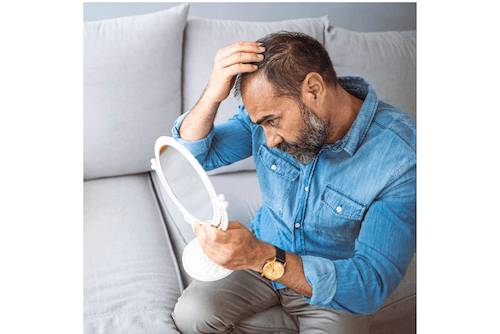
- As we grow older, most of us are going to lose at least some of our hair.
- Can we reverse it? Maybe. It depends on the type of hair loss we have. Some hair loss responds well to medications and other therapies.
- Hair loss treatment isn’t one-size-fits-all. The most effective option depends on the type of hair loss, its cause, and your lifestyle.
- Many hair loss treatments require long-term use. Most people won’t see improvement for at least three months, and full results may take up to 12 months.
- Telehealth platforms can make it easier to access hair loss treatments, including provider-reviewed prescriptions and home delivery.
- Learn more about the causes of age-related hair loss and which medications work best for men and women who experience it.
NCOA connects people with tools and resources to support a healthy life. To review hair loss products, we researched and tested for over 200 hours before making our first recommendation. To find the best hair loss treatments, we:
- Consulted with dermatologists, trichologists (hair and scalp specialists), psychologists, and primary care physicians
- Ordered a product and tested it for 2-4 weeks before moving it into the next round for consideration—with testing ongoing for one calendar year
- Interviewed long-time users of these brands
- Used the products as directed on an ongoing basis—they’re now staples in our testers’ showers and medicine cabinets
- Read thousands of verified customer reviews
We’re constantly testing new hair loss treatments to give you the most accurate and up-to-date recommendations. Read more about our hair loss treatment methodology.
Let’s talk about our hair. Some of us will keep every strand. Most of us won’t.
As we grow older, losing hair is common, but it can still lead to anxiety, embarrassment, and isolation. But treatments do exist, and many of them can be effective. From hair transplants to laser combs, special shampoos to dietary supplements, there are things you can do to slow down, disguise, and—in some cases—completely reverse your hair loss.
In this article, we’ll take a look at some of the most common prescription and over-the-counter hair loss medications for men and women. Do they work? Who can use them? Should you ask your doctor about trying one? We cover it all here.

Best Topical Minoxidil
Hims and Hers
Offer both prescription and over-the-counter treatments available in three-and six-month subscriptions
Best hair loss treatments
- Hims and Hers: Best Topical Minoxidil Treatment
- Keeps: Best Over-the-Counter Hair Loss Regimen
- Ro: Best Oral Finasteride Medication
- Happy Head: Best Combination Spironolactone Treatment
- Nutrafol: Best Supplements for Nutrient Deficiencies
Where to get hair loss treatments online
Several telehealth platforms now offer hair loss treatments, including access to a health care provider and medication delivered right to your door. Experts like board-certified dermatologist Geeta Yadav, MD, recommend telehealth options “for people with early to mild hair loss who do not necessarily need a physical exam.” It’s also important to consider how hair loss affects mental health. As Dr. Yadav points out, telehealth options for hair loss are “especially helpful for people who may feel embarrassed walking into a clinic.” She highlights the importance of choosing a platform with medical evaluation and ongoing support.
To help you decide which hair loss platform is right for you, we asked several older adults to test telehealth platforms for hair loss. These are our top recommended sites.
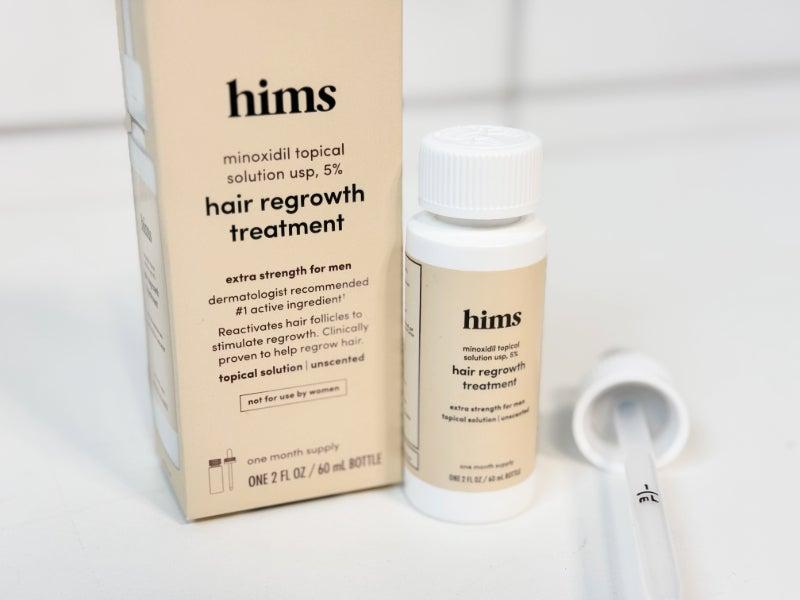
- Hims hair loss review
- Billing cycles: One-time purchase, 3-month subscription, annual subscription
- Hers hair loss review
- Prescription or OTC: Both
- Treatment options: Topical and oral
- Delivery fees: Free
- Hair loss medications available: Finasteride, minoxidil
- Health care professional support: Included
Pros
- Easy application
- Good price
- Helps regrow hair in the vertex or crown
Cons
- Have to apply twice a day
- May not work for a receding hairline
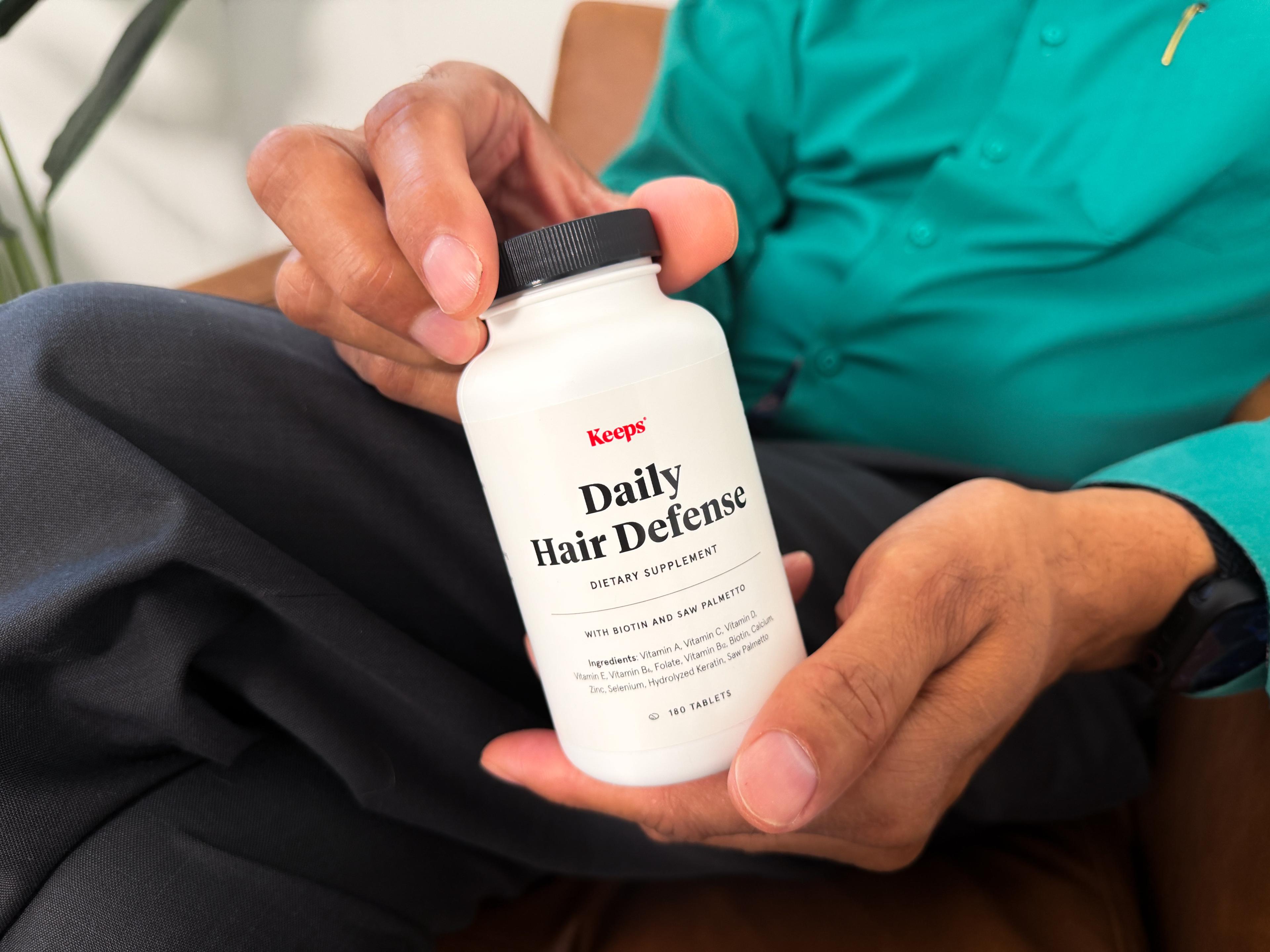
- Keeps hair loss review
- Billing cycles: 3-month subscription, 6-month subscription, annual subscription
- Prescription or OTC: Both
- Treatment options: Topical and oral
- Delivery fees: $5 per order
- Hair loss medications available: Finasteride, minoxidil, dutasteride, ketoconazole
- Health care professional support: Included
Pros
- Offers prescription and over-the-counter options
- Quick online assessment and purchase process
- Personalized recommendations based on hair loss concerns
- Wide selection of complementary over-the-counter products
Cons
- Subscription required
- No products for women
- Hard to browse products outside of recommended treatment plan
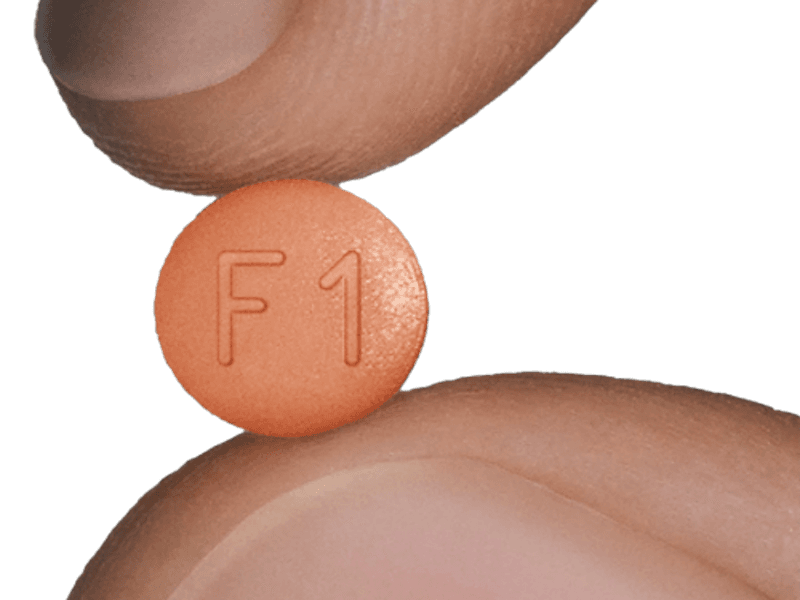
- Ro hair loss review
- Billing cycles: Monthly or every three months
- Prescription or OTC: Both
- Treatment options: Topical and oral
- Delivery fees: Free
- Hair loss medications available: Minoxidil, tretinoin, melatonin
- Health care professional support: Unlimited for subscribers
Pros
- Easy-to-follow use and instructions
- Unlimited follow-ups with medical professionals
- Only need a small amount of product
Cons
- Results require patience and consistency
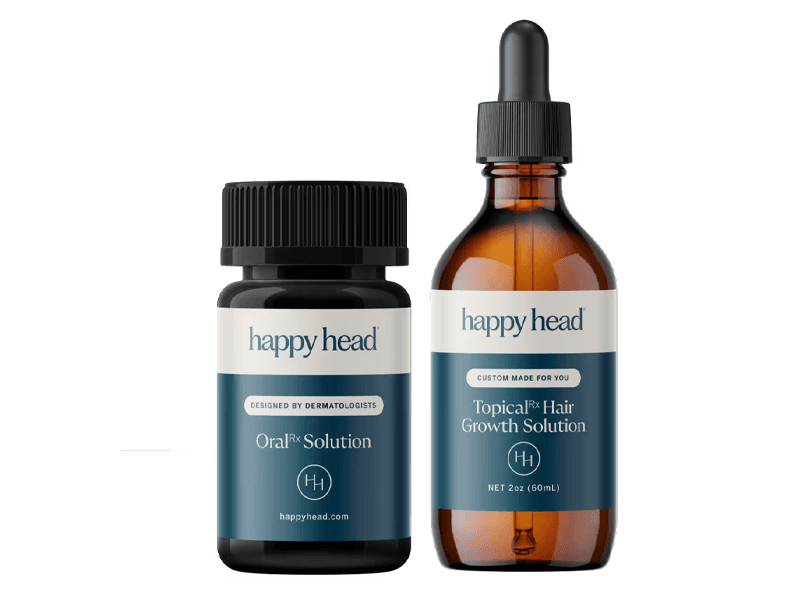
- Happy Head review
- Billing cycles: Once or monthly
- Prescription or OTC: Both
- Treatment options: Topical and oral
- Delivery fees: Free
- Hair loss medications available: Finasteride, minoxidil, dutasteride, spirolactone
- Health care professional support: Dermatologist connection
Pros
- Money-back guarantee
- Safe for dyed hair
- Lathers nicely
Cons
- Small, 8-ounce bottle
- $30/month after first order

- Nutrafol review
- Billing cycles: One, three, or six months
- Prescription or OTC: OTC
- Treatment options: Capsule
- Delivery fees: Free
- Hair loss medications available: None; uses biotin, keratin, saw palmetto
- Health care professional support: None
Pros
- No prescription required
- Easy-to-contact customer service
- Vegan options available
Cons
- Slight fishy smell
- Pricey
Understanding hair loss treatments
Minoxidil
Minoxidil (you might know it by the brand name Rogaine) is one of the most widely used topical hair treatments available for both women and men. It’s the primary active ingredient in several over-the-counter topical treatments, from foams to serums. Our experts recommend minoxidil because its results are backed by research. Though it can be messy to apply, it is more affordable than other hair loss treatments, like finasteride and spironolactone.
Oral minoxidil is FDA-approved to treat severe hypertension. Dermatologists often prescribe it off-label for hair loss, but it is not yet FDA-approved for this purpose.
Minoxidil
Where to buy topical minoxidil
- Hims: Starting around $15/month with a subscription
- Hers: Starting around $13/month with a subscription
- Keeps: Starting around $8/month with a subscription
- Ro: Starting around $16/month with a subscription
- Happy Head: Starting around $47/month with a subscription (Happy Head topicals are compounded with multiple ingredients)
- Cost: Starting around $13/mo
- Topical options: Foam or serum, in concentrations of 2%-8%
- FDA-approved: Yes, for topical use
- Prescription required: Only for concentrations of 5% or greater
- Potential side effects: Itching, dryness, flakiness, irritation, and burning

An Expert Take on Topical vs. Oral Minoxidil:
“Topical minoxidil can be very effective when used consistently and correctly, especially in the early to moderate stages of male pattern hair loss. It works by increasing blood flow and oxygen delivery to the follicles and prolonging the growth phase of the hair cycle. However, results depend heavily on compliance and proper formulation."
"… Off-label microdose compounded oral minoxidil can be extremely effective for male pattern hair loss—as long as side effects are monitored and dosages are prescribed by a board-certified hair restoration physician.” - Alan J. Bauman, MD, hair transplant surgeon at Bauman Medical
Finasteride
Oral finasteride (you may know it by the brand name Propecia) is FDA-approved for the treatment of hair loss in men. According to Dr. Yadav, oral finasteride is often more effective than topical treatments alone, helping protect hair follicles from the normal process that causes hair follicles to shrink. “In clinical studies,” she shares, “over 80% of men stopped losing hair and many experienced regrowth after a year of use.”
Men seeking treatment for hair loss should know that finasteride can cause side effects like mood changes or sexual dysfunction, which Dr. Yadav refers to as “possible but not common.” The best way to use finasteride, she says, is with proper medical discussion and monitoring so decisions feel informed and comfortable.
Finasteride
Where to buy oral finasteride online
- Hims: Starting around $22/month with a subscription
- Hers: Starting around $24/month with a subscription (only available for women 50+)
- Keeps: Starting around $18/month with a subscription
- Ro: Starting around $20/month with a subscription
- Happy Head: Starting around $24/month with a subscription
- Cost: Starting around $20/mo
- Oral medication strength: 1mg daily
- FDA-approved: For men only
- Prescription required: Yes
- Potential side effects: Erectile dysfunction, decreased libido, depression

Important Safety Information
A 2025 systematic review of Finasteride’s psychiatric side effects linked the use of finasteride for hair loss to a risk of suicidality, especially among younger men.2
While finasteride is still widely used as a hair loss treatment, users should be aware of the risks. Always consult with a trusted health care provider before beginning any prescription medication.
Spironolactone
Spironolactone is a type of diuretic prescribed to treat high blood pressure and kidney disease. It is not FDA-approved to treat hair loss, but it is often prescribed off-label to women for female pattern hair loss. Because it may suppress testosterone and possibly increase breast growth, it is not typically prescribed to men. As a hair loss medication, it is most commonly combined with minoxidil for the most effective treatment.
Spironolactone
Where to buy spironolactone online
Happy Head: Starting around $70/mo for oral spironolactone and minoxidil combination; Around $63/mo for topical spironolactone and minoxidil solution
- Cost: Starting around $70/mo for oral spironolactone and minoxidil combination; Around $63/mo for topical spironolactone and minoxidil solution
- Available forms: Oral and topical
- FDA-approved: Not for hair loss treatment, though often prescribed off-label
- Prescription required: Yes
- Potential side effects: High potassium levels, breast tenderness, muscle cramps, headache
Hair growth supplements
Vitamins and supplements can help promote hair growth for those who aren’t getting or absorbing enough vitamins and minerals. A well-rounded hair growth supplement uses vitamins, minerals, and botanical extracts—such as ashwagandha and saw palmetto—to promote hair growth. Most supplements do not contain clinically proven active ingredients like minoxidil and finasteride, which require a prescription. Yet some studies have shown small but positive results with supplements.6 Hair growth vitamins and supplements are most effective for people who are experiencing hair loss due to a hormonal imbalance or a nutritional deficiency.
Hair Growth Supplements
Where to buy hair growth supplements online
- Keeps: Starting around $19/month with a subscription
- Nutrafol: Starting around $79/mo for subscription
- Cost: Varies
- Form: Oral pill
- Key ingredients to look for: Ashwagandha, saw palmetto, theanine, keratin, and vitamins A, B, C, and D
- FDA-approved: No
- Prescription required: No
- Potential side effects: Stomach pain or nausea, skin rashes or itching, acid reflux
Other treatments for hair loss
The following treatments aren’t specifically intended to address hair loss—but they have shown some promise for men and women. These include:
Corticosteroids
Some hair loss results from autoimmune conditions such as alopecia areata, lichen planopilaris, and lupus. Topical and injectable steroids that suppress the immune response can also help slow or stop related hair loss.9
Platelet-rich plasma (PRP) therapy
PRP is an expensive treatment using components of a person’s own blood to stimulate healing. Doctors typically use it to treat muscle and bone conditions. When injected into the scalp, it has lately shown promise for treating AGA as well.10
Over-the-counter and natural therapies for hair loss
Walk down the health and beauty aisle of any pharmacy or grocery store—or visit your favorite retailer online—and you’re sure to find a section devoted to at-home hair loss remedies.
From the best hair loss serums and shampoos containing biotin, saw palmetto, and niacin, to essential oils like rosemary and peppermint, and even products with caffeine and copper—there’s no shortage of choices. And generally, there’s no harm in trying them.

"There is evidence that biotin and shampoos such as anti-dandruff shampoos work. Anecdotally, I feel that biotin works on increasing the quality of hair (rather than quantity), and ketoconazole or antidandruff shampoos may treat underlying scalp disorders which increases hair growth."
—Joseph Kamel, MD, board-certified dermatologist at Aliso Dermatology in Aliso Viejo, California
Look for products without too many harsh ingredients, such as alcohol, sulfates, or sulfides. These can irritate your scalp. If you’re going to use rosemary, peppermint, or tea tree extracts, spend the extra money for full-strength versions; you can dilute them at home with olive oil, one treatment at a time. And watch out for false claims and outright scams. If you see a product boasting remarkable results on its packaging, do a little research first before you buy. The FDA doesn’t regulate many OTC hair loss treatments. Some companies bet on you making an impulse purchase based on emotion rather than fact. And be wary of buying hair loss products on social media. This is a common phishing tactic. If you see an ad on Facebook, Instagram, TikTok, or X, search the company or product name separately and go directly to its website.
How we tested to find the best hair loss medications
Our team starts by gathering insights and recommendations from hair loss experts with clinical experience. For this article, we spoke to two hair transplant surgeons and two board-certified dermatologists about their experience treating patients with active ingredients like minoxidil and finasteride.
We are also committed to testing products from these platforms for a full six months, starting with ordering and interacting with telehealth providers. Our testers take notes on customer service, product quality, and how well the products work for their lifestyle and needs. We keep our articles updated to reflect their ongoing testing.
What causes hair loss as we age?
Several factors increase the odds we’ll lose at least some of our hair as we age, including:
Hormonal changes
Throughout life, our hormones and how they function are closely related to our hair and how it grows—or doesn’t. Estrogen, androgen, testosterone, cortisol, melatonin, and others all play a role in regulating the hair cycle and the health of our hair follicles.11
Specifically, certain age-related changes in these hormones can cause hair loss. Women who go through menopause experience plummeting levels of estrogen. Some men go through andropause, or a gradual decline in levels of testosterone. While research continues to examine the many complex ways these hormones interact with our hair follicles, the association is clear. More than half of postmenopausal women report thinning hair;12 closer to 60% of men do by the time they’re 50, with the severity of loss increasing as we age.13 You can learn more about hormone-related hair loss in our roundup of the best products for menopausal hair loss.
Genetics
It’s an often-repeated nugget of wisdom: if you’re bald or losing your hair, you can blame your mother’s side of the family. As it turns out, the truth is a little more nuanced.
Yes, the most common form of hair loss among men and women is hereditary.14 But whether or not it happens to you depends on genes from both of your parents. It also depends on a combination of other environmental and hormonal factors, many of which scientists are still working to understand.15 Still, if your hair is thinning, look around at your family members. If their hair is thinning, too—and there’s no other obvious cause for your hair loss—you can often assume you’ve inherited it.
Nutritional deficiencies
With age, we need fewer calories to fuel our body’s daily functions. That means the food we do eat needs to pack a nutritional punch.
At the same time, age-related changes to our digestion—as well as some chronic diseases and medications—can make it harder to get the vitamins and minerals we need. And certain deficiencies are linked to hair loss. The most common ones among adults age 65 and older include:
- Protein: Abnormally low protein levels can cause brittle hair and hair shedding.
- Iron: Low iron levels can lead to anemia, which can cause hair loss.
- Vitamin B12: Low levels of B12 can also lead to anemia and its related hair loss.
- Calcium: Low calcium doesn’t cause hair loss directly, though it may be related.16
Medication side effects
Certain prescription drugs—from antidepressants to blood pressure medications—can cause people of all ages to lose their hair.
Still, some medications are more common among those age 50 and older. It helps to know which ones might cause hair loss. These include:
- Blood thinners. Doctors commonly prescribe these for A-Fib and other heart arrhythmias.
- Statins. Doctors prescribe these to address high cholesterol.
- Anti-hypertensives. You may take one for high blood pressure.17
Medical conditions and life stressors
Our chances of developing health conditions like heart disease, cancer, and malnutrition increase with age. Both the conditions themselves and some treatments can cause hair loss.
If you’re shedding more strands than seems normal, talk to your doctor. It could be due to one of the following:
- Thyroid disorders: Thyroid hormones help regulate hair growth, and unusually high or low levels of them can impact the health of your follicles.18
- Diabetes. Changes to the way insulin (another hormone) works in your body can slow down or stop your hair growth cycle.19
- Stress: Age-related changes such as retirement, chronic illness, or the loss of a loved one can increase stress and spike cortisol levels, which in turn can trigger hair loss.20
When to speak to a doctor about hair loss
Many health and lifestyle-related factors can be responsible for hair loss, so it’s best to discuss the cause of your hair loss with a doctor before deciding on a treatment.
When patients self-select treatment without an evaluation,” says Dr. Bauman, “they risk missing underlying medical causes like lifestyle issues, nutritional or hormonal imbalance, iron deficiency, or autoimmune disease, for example. In some cases, what looks like male pattern baldness could be [made worse by the wrong treatment].”
Not only should you work with a doctor to identify the right treatment, but your treatment should also include regular follow-ups with your doctor to address side effects and the overall benefits of the treatment.
The best hair loss medication platforms of 2026 compared
| Comparison Features | Topical minoxidil |
Oral finasteride |
Spironolactone |
Supplement Blend |
|---|---|---|---|---|
| Best for | Early stages of thinning in men and women |
Male pattern hair loss |
Female pattern hair loss |
Hair thinning or loss caused by stress, hormonal changes, and nutritional deficiencies |
| Starting monthly cost | $13 |
$20 |
$70 |
$79 |
| Potential side effects | Scalp irritation, temporary increased shedding, unwanted hair growth |
Erectile dysfunction, mood changes |
Dizziness, potassium retention |
Bloating, nausea, headaches |
| Recommended product |
Frequently asked questions
Is hair loss reversible?
In some cases, hair loss can be reversible. Certain illnesses, prescription drugs, and environmental factors—like stress or a nutritional deficiency—can cause temporary hair loss. When you address the underlying condition, your hair likely will regrow. In other instances, specific medications can slow, stop, or even reverse hair loss. Your primary care doctor or dermatologist can help determine why you’re losing your hair and which treatments may be effective.
Can women use finasteride?
Yes, women can use finasteride unless they are pregnant or could become pregnant. Finasteride is most commonly prescribed for men with androgenetic alopecia (pattern baldness)—but it also can be effective for some women. Generally, women who are able to become pregnant should not take or handle this drug; it’s known to cause birth defects.
Are hair loss supplements safe to use with other medications?
Only your doctor can confirm which supplements are safe to take with your current medications. Before you try any over-the-counter hair loss remedy, it makes sense to check with your primary care provider.
Does Ozempic cause hair loss?
While semaglutide isn’t thought to directly cause hair loss, it can cause rapid weight loss. In some cases, rapid weight loss can also lead to hair loss.
What is the most effective treatment for hair loss?
The most effective treatment for hair loss depends on your type of hair loss and your lifestyle. For hair loss caused by hormone changes or nutritional deficiencies, a vitamin supplement may be sufficient. For male or female pattern hair loss, you may need a prescription medication like minoxidil or finasteride.
How long does it take hair loss treatments to work?
Prescription hair loss treatments require consistent, long-term use. In most cases, you won’t see improvements for at least three months; full benefits can take as long as 12 months.
Questions? Reach out to reviewsteam@ncoa.org.